Plan and listen to Emirates Office Tower with Audiala.
Audio guide in your pocket, itinerary in your browser. Built for the way you actually visit.
Introduction
The Emirates Office Tower, a centerpiece of Dubai’s architectural landscape, is part of the iconic Emirates Towers complex alongside the Jumeirah Emirates Towers Hotel. Conceived in the late 1990s under the vision of His Highness Sheikh Mohammed Bin Rashid Al Maktoum, these twin towers symbolize Dubai’s meteoric rise as a global business and tourism hub. Fusing innovative engineering, Islamic-inspired design, and luxurious amenities, the Emirates Towers complex anchors Dubai’s financial district along Sheikh Zayed Road, making it a must-see for architecture enthusiasts, business travelers, and tourists alike. This guide covers essential information for visiting the Emirates Office Tower—including hours, entry, accessibility, nearby attractions, and cultural context—to ensure a rewarding experience. (Citysearch.ae, Property Finder, CTBUH PDF)
History and Architectural Significance
Vision and Development
The Emirates Towers were envisioned as a bold statement of Dubai’s ambitions in the late 1990s. Commissioned by His Highness Sheikh Mohammed Bin Rashid Al Maktoum, the project aimed to complement the legacy of the Dubai World Trade Center and firmly establish Dubai as a global economic powerhouse. (Citysearch.ae)
Design and Construction
Selected through an international competition, architect Hazel Wong (NORR Group) designed the towers with support from Hyder Consulting and Turner International, with NASA Multiplex as the lead contractor. The project, initiated in 1996 and completed in 2000, pushed engineering boundaries with rapid construction rates—up to nine floors per month—and innovative features such as tuned mass dampers to counteract wind. Upon opening in 2001, the Emirates Office Tower was the tallest building in the Middle East and Europe, and among the world’s top ten tallest skyscrapers at the time. (CTBUH PDF, WikiArquitectura, BG&E Engineering, HH Angus)
Urban and Economic Impact
Strategically located on Sheikh Zayed Road, the complex catalyzed the development of Dubai’s central business district. The towers quickly became a magnet for multinational corporations, financial institutions, and major events, reinforcing Dubai’s global stature. (DXB Offplan)
Architectural Features
Concept and Symbolism
Both towers utilize equilateral triangular cross-sections inspired by Islamic geometry, representing the sun, earth, and moon. This shape maximizes stability and panoramic city views while referencing traditional aesthetics. (CTBUH PDF, DXB Offplan)
Structure and Materials
Clad in silver-coated aluminum panels and reflective glass, the towers’ facades shimmer against Dubai’s dynamic sky. The Emirates Office Tower stands at 354.6 meters with 54 floors, while the hotel is 309 meters tall with 56 floors. Each peak is topped with a spire—housing tuned mass dampers—and the base integrates curvilinear parking structures reminiscent of desert dunes. The column-free office design allows flexible, open layouts and maximizes natural light. (Dubai Travel Blog, WikiArquitectura, CTBUH PDF)
Interior Design and Amenities
The interiors emphasize flexibility, featuring cherry wood, stone flooring, and advanced lighting. Sixteen high-speed elevators use AI for efficiency, and the lobby serves as a prominent business meeting point. The hotel contains 400 luxury rooms and a dramatic 31-story glazed atrium, alongside multiple venues for events and conferences. (HH Angus, Dubai Travel Blog)
Public Spaces and Innovation
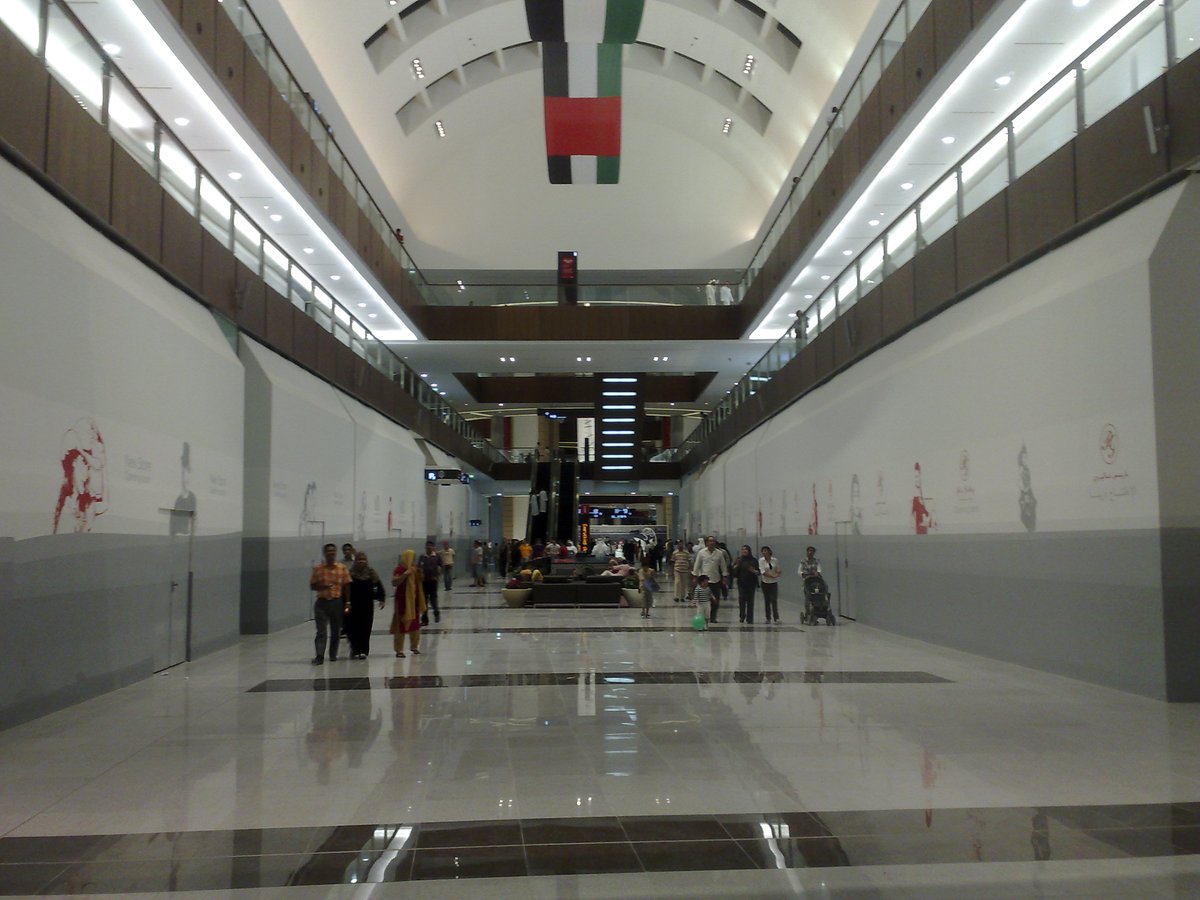
Set within lush gardens featuring lakes, waterfalls, and terraced plazas, the complex offers a serene urban oasis. The Boulevard retail promenade connects both towers with high-end shops and dining. The site also houses the world’s first 3D-printed office—the “Office of the Future”—demonstrating Dubai’s commitment to technological progress. (CTBUH PDF, Dubai Travel Blog)
Visitor Information
Hours and Entry
- The Boulevard (Retail & Dining): Open daily, 10:00 AM to 10:00 PM. No ticket is required for entry.
- Jumeirah Emirates Towers Hotel: Public areas accessible to guests and visitors; operates 24/7.
- Emirates Office Tower (Office Floors): Restricted to authorized personnel, tenants, or event attendees by prior arrangement.
- Gardens & Common Areas: Accessible during regular retail hours.
(Jumeirah Emirates Towers Hotel)
Accessibility
The entire complex is wheelchair accessible, with ramps, elevators, and accessible restrooms. The Emirates Towers Metro Station (Red Line) is adjacent, ensuring smooth public transit access. (Bayut)
Travel Tips
- Dress Code: Smart casual attire is recommended; business attire is standard for office areas.
- Best Time to Visit: November–March offers pleasant weather; summers are extremely hot, so prioritize indoor activities.
- Peak Hours: Weekdays are busiest; weekends and off-peak hours are quieter.
- Photography: Sunset offers spectacular lighting for photos; best vantage points are from Sheikh Zayed Road and DIFC.
- Dining: Advance reservations are advised for popular restaurants.
- Security: High standards with 24/7 surveillance; expect bag checks at entrances.
- Events: Check the official hotel website for conferences or exhibitions.
Special Events
The complex hosts business conferences, cultural events, and unique activities such as the Dubai Holding SkyRun (vertical race) and record-breaking stunts like slackline walks between the towers. (The National News, Propsearch)
Facilities and Amenities
The Boulevard
This two-story promenade features luxury boutiques, international fashion, fine dining, and casual cafes. It’s a popular spot for both business and leisure visitors. (Property Finder)
Jumeirah Emirates Towers Hotel
A five-star property with over 400 rooms and suites, award-winning restaurants, spa and wellness center, fitness facilities, and executive lounges. Guests receive complimentary access to Wild Wadi Waterpark and private beaches. (Jumeirah Emirates Towers Hotel)
Conference and Event Spaces
Both towers house extensive meeting and event facilities, including ballrooms, boardrooms, and private function spaces, equipped with state-of-the-art audiovisual technology.
Transportation and Access
- Metro: Emirates Towers Metro Station (Red Line) is adjacent, connecting to Dubai Mall, Museum of the Future, airport, and more.
- Car/Taxi: Sheikh Zayed Road provides direct access; ample parking and valet services are available.
- Public Transit: Taxis and buses serve the area; metro station is fully accessible.
Nearby Attractions
- Museum of the Future: 6-minute walk; immersive science and tech exhibits. (Museum of the Future)
- Dubai International Financial Centre (DIFC): Upscale dining, art galleries, and events, a short stroll away.
- Dubai Mall & Burj Khalifa: Accessible via metro for shopping, dining, and entertainment.
- Dubai Garden Glow: Family-friendly park with light installations, about 29 minutes away on foot.
- Historical Sites: Al Fahidi Historical Neighbourhood and Dubai Museum are a short drive away.
Practical Visitor Tips
- Weather: October–April is the best period for outdoor activities.
- Public Holidays & Ramadan: Hours may change; check ahead, especially for dining and entertainment.
- Currency: UAE Dirham (AED); major cards accepted; currency exchange available nearby.
- Language: Arabic is official, but English is widely spoken and used for signage.
- Local Etiquette: Dress modestly; avoid public displays of affection; ask permission before photographing people.
- Safety: Dubai is very safe; the complex is monitored by security personnel.
Cultural Context and Symbolism
The towers’ triangular forms and geometric motifs pay homage to Islamic art and cosmology, representing the sun, earth, and moon. Circles at the base and top symbolize eternity and the cycle of time. The integrated majlis spaces and tradition of Arabic hospitality reflect Emirati values, while the towers’ state-of-the-art engineering and location within the Dubai Future District bridge tradition and progress. (Propsearch, Big Bus Tours, Emirates)
Frequently Asked Questions (FAQs)
Q: What are the Emirates Office Tower visiting hours?
A: The Boulevard (retail and dining) is open 10:00 AM–10:00 PM daily. Office floors require authorization; the hotel operates 24/7 for guests.
Q: Are tickets required?
A: No. Public areas such as The Boulevard and gardens are free to enter. Access to office floors is restricted.
Q: How do I reach the Emirates Towers?
A: By metro (Emirates Towers Metro Station), taxi, or car. The complex is centrally located on Sheikh Zayed Road.
Q: Is the complex accessible?
A: Yes, with ramps, elevators, and accessible restrooms throughout.
Q: Are guided tours available?
A: Public guided tours are not typically offered, but private tours or event access may be arranged through the hotel or organizers.
Q: What is the dress code?
A: Smart casual for public areas; business attire for meetings.
Q: What are some nearby attractions?
A: Museum of the Future, DIFC, Dubai Mall, Burj Khalifa, Dubai Garden Glow, and Al Fahidi Historical Neighbourhood.
Summary: Key Points and Staying Updated
The Emirates Office Tower and Jumeirah Emirates Towers Hotel are enduring symbols of Dubai’s ambition, blending Islamic tradition, modern engineering, and luxury. Public areas such as The Boulevard and gardens are open daily without tickets, offering shopping, dining, and a tranquil urban escape. The towers’ central location, direct metro access, and proximity to major attractions make them an essential part of any Dubai itinerary.
For the best experience, plan your visit with attention to seasonal weather, dress code, and local customs. Stay informed about events and updates through official resources and the Audiala app. Whether your interest is architecture, business, or culture, the Emirates Towers exemplify Dubai’s transformation into a global metropolis.
For more Dubai travel inspiration and planning tools, browse our related guides and download the Audiala app. Follow us on social media for the latest updates and exclusive content!
References and Official Sources
- Emirates Towers Dubai: Visiting Hours, Tickets & Architectural Highlights, 2025, Citysearch.ae
- Discover the Emirates Towers Complex: Visiting Hours, Tickets, and Dubai Historical Sites Guide, 2025, Property Finder
- Emirates Towers Research Paper, 2025, Council on Tall Buildings and Urban Habitat (CTBUH)
- Visitor Experience and Nearby Attractions, 2025, Wikipedia and Multiplex https://www.multiplex.global/projects/emirates-towers/
- Emirates Office Tower Visiting Hours & Emirates Towers Dubai Visitor Guide: Cultural Insights and Practical Tips, 2025, Propsearch and Big Bus Tours https://www.bigbustours.com/en/dubai/dubai-landmarks-emirates-towers
- Emirates Towers Metro Station Details, 2025, Stations.ae
- Jumeirah Emirates Towers Hotel Official Website, 2025
Listen to the full story in the app
The whole Emirates Office Tower,
told well.
Audio guides for 1,100+ cities across 96 countries. History, stories, and local insight — offline ready.

Verified, and shown.
Researched and written by the Audiala editorial team from historical records, architectural archives, and local expertise.
Researched from Wikidata, Wikipedia & official sources · fact-checked · How we make our guides →