Plan and listen to Al Bastakiya with Audiala
Audio guide in your pocket, itinerary in your browser. Built for the way you actually visit.
Introduction
Nestled in the bustling city of Dubai, Al Fahidi Historical Neighborhood, also known as Al Bastakiya, stands as a testament to the emirate’s rich cultural heritage and historical significance. This area, tracing its roots back to the early 19th century, was originally established by Persian merchants from the Bastak region of Iran. Strategically located near Dubai Creek, it quickly became a vital center for trade and cultural exchange. The neighborhood’s unique architecture, characterized by its coral, gypsum, and palm wood constructions, along with the ingenious wind towers or 'Barjeel' that provided natural ventilation, offers an insightful glimpse into sustainable building practices of the past. Today, Al Fahidi is not just a preserved historical site but a thriving cultural hub, hosting museums, art galleries, and cultural institutions that celebrate Dubai’s diverse heritage. Visitors to Al Fahidi can explore the oldest existing building in Dubai, Al Fahidi Fort, home to the Dubai Museum, or engage with Emirati culture at the Sheikh Mohammed Centre for Cultural Understanding. This guide aims to provide comprehensive information for those planning to visit, detailing the neighborhood’s history, key landmarks, visiting hours, ticket information, and practical tips to enhance your experience. (Dubai Culture)
History of Al Fahidi Historical Neighborhood
Origins and Early Development
Al Fahidi Historical Neighborhood dates back to the early 19th century. Established by Persian merchants from the Bastak region of Iran, the area thrived due to its strategic location and burgeoning trade opportunities. Proximity to Dubai Creek made it a bustling trading hub, fostering cultural interactions and economic growth.
Architectural Significance
The architecture of Al Fahidi showcases the ingenuity of its early inhabitants, with buildings constructed from coral, gypsum, and palm wood. The iconic wind towers, or "Barjeel," provided natural ventilation and cooling, essential in the desert climate, and are a testament to sustainable architectural practices.
Economic and Social Hub
In the late 19th and early 20th centuries, Al Fahidi was a vibrant center of economic activity. It housed numerous merchants, artisans, and traders, contributing to Dubai's growing economy. The area was a cultural melting pot, with diverse residents adding to its unique character.
Decline and Preservation Efforts
By the mid-20th century, Al Fahidi faced decline as modern development took precedence. However, the 1980s saw concerted efforts to preserve this historical neighborhood. Restoration projects by the Dubai Municipality and cultural organizations have maintained its architectural integrity and historical significance.
Cultural Renaissance
Recently, Al Fahidi has transformed into a hub for arts, culture, and heritage. Museums, art galleries, and cultural centers now populate the neighborhood, celebrating Dubai's history and cultural diversity. The annual Sikka Art Fair further solidifies its status as a cultural landmark.
Key Historical Landmarks
Al Fahidi Fort
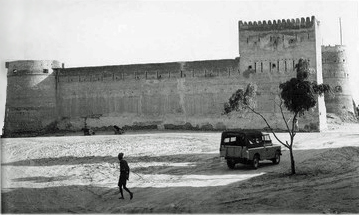
Al Fahidi Fort, dating back to 1787, is Dubai's oldest existing building and now houses the Dubai Museum. The museum offers a detailed overview of Dubai's history, from its early days as a fishing village to its rise as a global metropolis. (Dubai Museum)
Sheikh Mohammed Centre for Cultural Understanding
Established in 1998, the Sheikh Mohammed Centre for Cultural Understanding promotes cultural awareness through guided tours, traditional Emirati meals, and cultural discussions, offering visitors a deeper appreciation of UAE customs and traditions. (SMCCU)
Historical Events and Milestones
The Pearl Diving Era
Before oil, pearl diving was a major economic activity in Dubai. Al Fahidi's proximity to the creek made it a significant base for pearl divers and traders, contributing to the local economy.
The Arrival of the British
In the early 20th century, the British established a political agency in Dubai, marking significant political and economic changes. Al Fahidi was central to this transition, housing the British Residency and laying the groundwork for modern Dubai.
Visitor Information
- Visiting Hours: Al Fahidi Historical Neighborhood is open daily from 8:00 AM to 10:00 PM.
- Tickets: Entrance to the neighborhood is free, but some museums and cultural centers may charge a nominal fee.
- Accessibility: The area is pedestrian-friendly, but some parts may have uneven surfaces. Wheelchair access is available at major sites.
Visitor Tips
- Best Time to Visit: The cooler months from November to March are ideal for exploring Al Fahidi, as the weather is more comfortable for walking tours.
- Guided Tours: Consider joining a guided tour to gain in-depth knowledge about the neighborhood's history and significance.
- Cultural Etiquette: Dress modestly and respect local customs, especially when visiting religious sites or participating in cultural activities.
- Photography: While photography is generally allowed, always ask for permission before taking pictures of people, particularly locals.
Nearby Attractions
- Dubai Creek: Just a short walk from Al Fahidi, the creek offers boat tours and stunning views of the city.
- Al Seef: A modern development that blends traditional architecture with contemporary amenities, offering dining, shopping, and entertainment options.
FAQ
- What are the visiting hours for Al Fahidi Historical Neighborhood?
- The neighborhood is open daily from 8:00 AM to 10:00 PM.
- Is there an entrance fee?
- Entrance is free, but some museums may charge a nominal fee.
- Are guided tours available?
- Yes, guided tours are available and highly recommended for a comprehensive experience.
Discover More
Ready to explore Al Fahidi Historical Neighborhood? Plan your visit today and immerse yourself in Dubai's rich cultural heritage. For more information and updates, follow us on social media and check out our other articles on Dubai's historical sites. For more information on visiting Al Fahidi Historical Neighborhood, you can refer to the Dubai Culture website.
Tickets & tours.
These are guided options from our partners — same price as booking direct.
Prices are indicative — final pricing and availability are confirmed at checkout. Audiala may earn a commission from bookings made through these links.
Listen to the full story in the app
Researched and written by the Audiala editorial team from historical records, architectural archives, and local expertise.
(2024). Exploring Al Fahidi Historical Neighborhood - History, Visiting Hours, and Tickets
(2024). Exploring Al Fahidi Historical Neighborhood in Dubai - Visiting Hours, Tickets, and Cultural Significance
(2024). Exploring Al Fahidi Historical Neighborhood - Top Attractions and Visitor Information
verified Verified
Last reviewed