Plan and listen to Hili Archaeological Park with Audiala.
Audio guide in your pocket, itinerary in your browser. Built for the way you actually visit.
Introduction
Nestled in the heart of Al Ain, Abu Dhabi, Hili Archaeological Park stands as a beacon of the United Arab Emirates’ ancient heritage. As the largest Bronze Age site in the UAE and part of the Al Ain UNESCO World Heritage Site, Hili offers a unique, immersive journey through more than 4,000 years of continuous human settlement. From monumental tombs and early irrigation systems to family-friendly gardens and educational exhibits, the park is both a cultural treasure and a welcoming public space. This comprehensive guide covers everything you need to plan your visit, including opening hours, ticket information, accessibility, and nearby attractions.
Hili Archaeological Park is a key component of the Al Ain UNESCO World Heritage Site, reflecting the region’s pivotal role in early urbanization, agriculture, and trade networks during the Umm an-Nar culture (c. 2500–2000 BCE) (uaestories.com). Excavations since the 1960s have uncovered settlements, tombs, and irrigation systems, revealing advanced social and technological development in the Bronze Age Arabian Peninsula.
Major Archaeological Discoveries
The Grand Tomb
The Grand Tomb is the park’s most iconic structure—an imposing circular burial site measuring 12 meters in diameter and 4 meters high. Built with finely cut limestone and adorned with engravings of humans and animals, this monument encapsulates the complexity and communal traditions of the Umm an-Nar culture (Odyfolio Emirates).
Burial Structures
Beyond the Grand Tomb, the park features several smaller tombs and burial mounds, constructed from local stone. These multi-chambered tombs reflect family or clan-based customs, with grave goods such as pottery, jewelry, and bronze tools indicating trade and social status.
Settlement Remains
Remnants of houses, storage rooms, hearths, and community spaces provide a window into daily life. The use of mudbrick and stone demonstrates adaptation to the harsh desert climate, and the site’s organization suggests a well-planned settlement.
Falaj Irrigation System
Hili’s ancient falaj—underground irrigation channels—are among the earliest examples in Arabia. These systems brought water to agricultural fields, showcasing the ingenuity of early desert societies (Wikipedia).
Artifacts & Material Culture
Pottery with geometric motifs, bronze weapons, beads, and imported items from the Indus Valley and Mesopotamia highlight Hili’s role in regional and international trade networks.
Visitor Information
Visiting Hours
Hours may vary slightly by season and source, but Hili Archaeological Park is generally open daily from 7:00 AM to midnight, with some references listing 8:00 AM to 6:00 PM or 9:30 AM to 6:30 PM (Abu Duba; Property Finder). It is advisable to confirm current timings via the Department of Culture and Tourism – Abu Dhabi.
Entry & Ticketing
Admission is free for all visitors, making the park an accessible destination (Property Finder).
Guided Tours
Guided tours, available upon request through local tourism offices and the Department of Culture and Tourism, provide expert insights into the site’s history and discoveries.
Accessibility
The park is wheelchair-friendly with flat, paved paths, accessible restrooms, and shaded seating. Family amenities and inclusive signage make it accessible for all ages and abilities (Abu Duba).
Getting There
Located about 10–15 km north of central Al Ain, Hili Archaeological Park is best accessed by car or taxi. Ample free parking is available onsite. Public transport options are limited (Al Maya UAE), so private vehicles are recommended.
Experience & Attractions
Gardens & Landscaped Areas
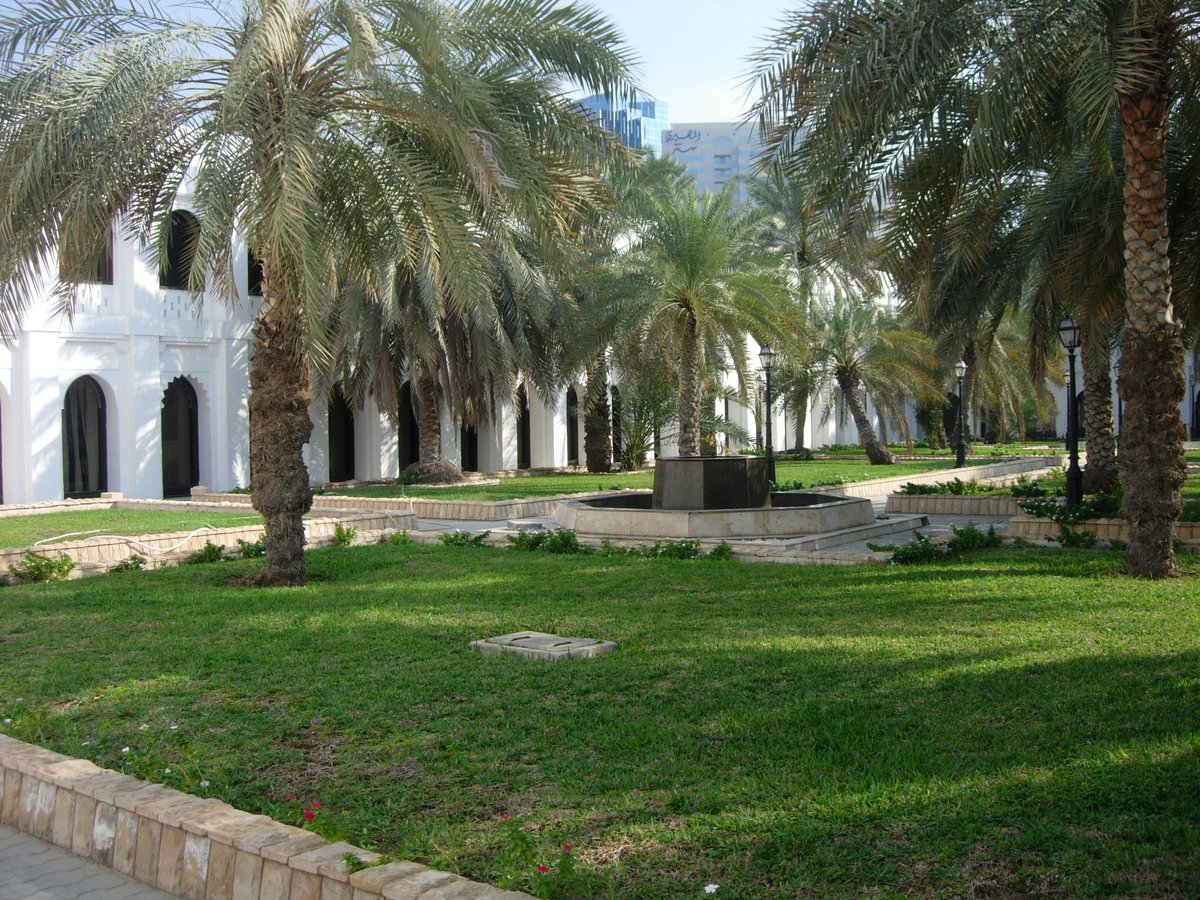
The park’s lush date palms, fountains, and landscaped gardens provide a tranquil oasis for visitors, blending natural beauty with archaeological significance (Visit Abu Dhabi).
Educational Displays
Informative signage in Arabic and English, along with interactive exhibits in the onsite museum, offer context about the Bronze Age structures, artifacts, and the people who inhabited the region (4Hili.com).
Family & Recreational Amenities
- Children’s Playgrounds: Safe, well-equipped play areas.
- Picnic and BBQ Zones: Shaded tables and grassy lawns.
- Sports Facilities: Basketball courts and open fields.
- Restrooms & Drinking Water: Well-maintained and easily accessible.
Events & Cultural Activities
The park occasionally hosts cultural events, heritage festivals, and educational workshops. These provide immersive opportunities to engage with the UAE’s ancient traditions. Check the official site or uaestories.com for updates.
Photography
Hili Archaeological Park offers excellent photography spots, especially around the Grand Tomb and gardens. Early morning and late afternoon light are ideal for capturing the site’s ambiance.
Frequently Asked Questions (FAQ)
Q: What are the park’s visiting hours?
A: Generally 7:00 AM to midnight, but confirm via official sources before visiting.
Q: Is there an entry fee?
A: No, entry is free for all visitors.
Q: Are guided tours available?
A: Yes, through local operators or the Department of Culture and Tourism.
Q: Is the park wheelchair accessible?
A: Yes, with paved paths and accessible facilities.
Q: Can I bring children?
A: Absolutely. The park has playgrounds and family-friendly spaces.
Q: Are pets allowed?
A: Pets are generally not permitted.
Q: Can I take photographs?
A: Yes, photography is encouraged—respect site guidelines.
Q: What should I bring?
A: Sunscreen, water, comfortable shoes, and a hat are recommended.
Listen to the full story in the app
The whole Hili Archaeological Park,
told well.
Audio guides for 1,100+ cities across 96 countries. History, stories, and local insight — offline ready.

Verified, and shown.
Researched and written by the Audiala editorial team from historical records, architectural archives, and local expertise.
Researched from Wikidata, Wikipedia & official sources · fact-checked · How we make our guides →