Historical and Cultural Heritage
Vakulyntsi in Ukrainian History
Vakulyntsi reflects the enduring rural fabric of the Poltava region, an area continuously inhabited since ancient times. While the village itself is modest and less documented, it is set within a landscape shaped by centuries of Cossack settlement, agricultural tradition, and the reverberations of the epochal 1709 Battle of Poltava (SuperTravelr; ExploreCity).
Folk Traditions and Community Life
Vakulyntsi actively preserves folk customs, including communal celebrations such as Malanka (Ukrainian New Year), vibrant harvest festivals, and the art of pysanky (decorated Easter eggs) (Ukraine Travel News). These events feature music, dance, and cuisine, with deep roots in the agricultural cycle and Orthodox Christian calendar. Social life is centered around the church, village council, and intergenerational gatherings.
Architectural Highlights
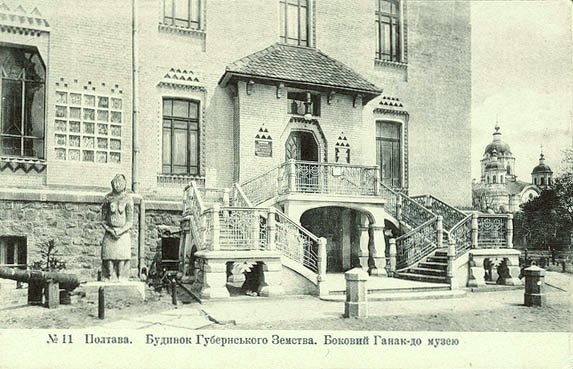
While Vakulyntsi itself is primarily rural, nearby Poltava and Opishnya offer remarkable examples of Cossack Baroque, neoclassical, and Ukrainian Modernist architecture. Wooden houses with carved details, whitewashed churches, and traditional wells dot the landscape. The region’s architectural diversity is visible in sites like the Assumption Cathedral and the Round Square in Poltava (SuperTravelr).
Culinary Traditions
Vakulyntsi is celebrated for regional dishes such as halushky (dumplings), borscht, varenyky, and homemade kvass. Local produce, honey, and dairy from surrounding farms feature prominently. Hospitality is central—visitors often receive a warm welcome and are invited to share in meals (SuperTravelr).
Festivals and Spiritual Life
The village marks both national and local holidays, with events highlighting Ukrainian music, crafts, and agricultural life (Ukraine.com). Religious festivals and pilgrimages to sites like the Holy Cross Monastery in Poltava are significant, blending local customs with Orthodox traditions (ExploreCity).
Contemporary Impacts & Preservation
Recent conflicts have threatened cultural sites across Ukraine, but Vakulyntsi’s intangible heritage—oral traditions, crafts, and communal practices—remains a focus of local preservation efforts (Zmina). Community initiatives support the documentation and revival of heritage for future generations.
Top Sites and Attractions
Key Monuments and Museums
Vakulyntsi Monument
A tribute to local heroes and the village’s folk legacy, the monument features traditional Ukrainian motifs and serves as a community focal point.
- Opening Hours Daily, 9:00 AM – 6:00 PM
- Tickets Free for general entry; guided tours and exhibitions may require a fee (50–100 UAH)
- Guided Tours Book via the local tourism office; available in Ukrainian, Russian, and sometimes English
Poltava Battle Museum (WildTrips)
- Hours Tuesday–Sunday, 10:00 AM – 6:00 PM
- Tickets ~50 UAH adults, discounts for students/seniors
- Features Artifacts, dioramas, battlefield tours
National Museum of Ukrainian Pottery – Opishnya (opishnia-museum)
- Hours Tuesday–Sunday, 10:00 AM – 5:00 PM
- Tickets Adults 50 UAH; students 25 UAH; children under 6 free
- Workshops Hands-on pottery sessions available
Poltava Regional Museum of Local Lore (triporiginal)
- Hours Tuesday–Sunday, 9:00 AM – 6:00 PM
- Tickets ~60 UAH
- Highlights Archaeology, folk art, regional costumes
Other Notable Sites:
- Assumption Cathedral – Open daily, 8:00 AM – 7:00 PM, donations appreciated
- White Arbor – Open year-round, free
- Ivan Kotlyarevsky Estate Museum – Tuesday–Sunday, 10:00 AM – 5:00 PM, ~40 UAH
Accessibility and Transportation
- By Car Vakulyntsi is 15–30 km from Poltava, accessible by well-maintained roads with parking near major sites.
- Public Transport Minibuses and regional buses connect Poltava with Vakulyntsi and Opishnya (Poltava Transport Schedules). Frequency may be limited, especially in the evening.
- Taxi/Car Rental Taxis from Poltava to Vakulyntsi cost 50–120 UAH; car rental in Poltava starts at $20–30/day (HikersBay).
- Accessibility Most museums and main monuments are wheelchair accessible; rural terrain may be uneven.
Guided Tours and Experiences
- Booking Arrange via the village council, Poltava tourism offices, or official websites (Poltava Tourism Website).
- Languages Tours offered in Ukrainian, Russian, and sometimes English; advance booking recommended.
- Workshops Pottery, embroidery, and folk music workshops available at select sites.
Planning Your Visit
Best Times and Local Events
- When to Visit Late spring to early autumn (May–September) for optimal weather and festivals.
- Key Events
- Malanka (January 13)
- Poltava Dumpling Festival (September) (facts.net)
- Regional fairs and craft exhibitions
Practical Tips and Etiquette
- Dress Modest, especially for religious sites. Comfortable shoes recommended.
- Photography Permitted, but always ask before photographing people or private homes.
- Language Knowing basic Ukrainian greetings is appreciated.
- Gifts Small tokens (sweets, souvenirs) are welcomed when visiting homes.
- Safety Stay updated on travel advisories; train and road travel are generally reliable.
Frequently Asked Questions (FAQs)
Q: Is there an entrance fee for Vakulyntsi or its monument?
A: No, the village and monument are free to visit. Fees may apply for guided tours or special exhibitions.
Q: Are guided tours available in English?
A: Occasionally; advance booking is recommended.
Q: How do I reach Vakulyntsi from Poltava?
A: By taxi, regional bus, or car rental.
Q: Are there accommodations in Vakulyntsi?
A: Limited; most visitors stay in Poltava, which offers a range of hotels and guesthouses.
Q: Can visitors participate in local festivals?
A: Yes, visitors are welcomed—respect for local customs is appreciated.