Plan and listen to Royal Arsenal with Audiala.
Audio guide in your pocket, itinerary in your browser. Built for the way you actually visit.
Introduction
Nestled in the historic heart of Lviv, Ukraine, the Royal Arsenal (Korolivskyi Arsenal) stands as a monumental testament to the city's rich military heritage and architectural grandeur. Built between 1639 and 1646 under the patronage of Polish King Władysław IV Vasa and the guidance of engineer Pavel Grodzitsky, this Baroque fortress was integral to Lviv’s defense within the Polish-Lithuanian Commonwealth. It served not only as a weapons depot and production site but also as a strategic military hub that played a pivotal role in campaigns against the Ottoman Empire, safeguarding the crossroads of Central and Eastern Europe (lviv.travel; discover-ukraine.info).
Although the Royal Arsenal’s interior now houses the State Archives and is not open for general visitation, its imposing façade, medieval fortifications, and proximity to other historical sites like the City Arsenal and Powder Tower offer visitors a vivid window into Lviv’s storied past (Forgotten Galicia; Volunteering Ukraine). This comprehensive guide delivers essential information on history, architecture, visiting logistics, accessibility, and nearby attractions—ideal for history enthusiasts, architecture lovers, and cultural travelers planning a memorable visit to Lviv (lviv.travel; travels.in.ua).

Brief History and Construction
The Royal Arsenal (Ukrainian: Королівський арсенал) was constructed between 1639 and 1646, replacing an earlier arsenal on the site dating back to 1575. Commissioned by King Władysław IV Vasa, the project was realized under the expertise of engineer Pavel Grodzitsky, reflecting the king’s military aspirations and the strategic needs of the Polish-Lithuanian Commonwealth (discover-ukraine.info).
The new arsenal was strategically situated between Lviv’s defensive walls, adjacent to the Gunpowder Tower, and integrated into the city’s four-tier fortifications—maximizing its defensive capabilities and cementing its role as a logistical hub (lviv.travel).
Architectural Features and Defensive Design
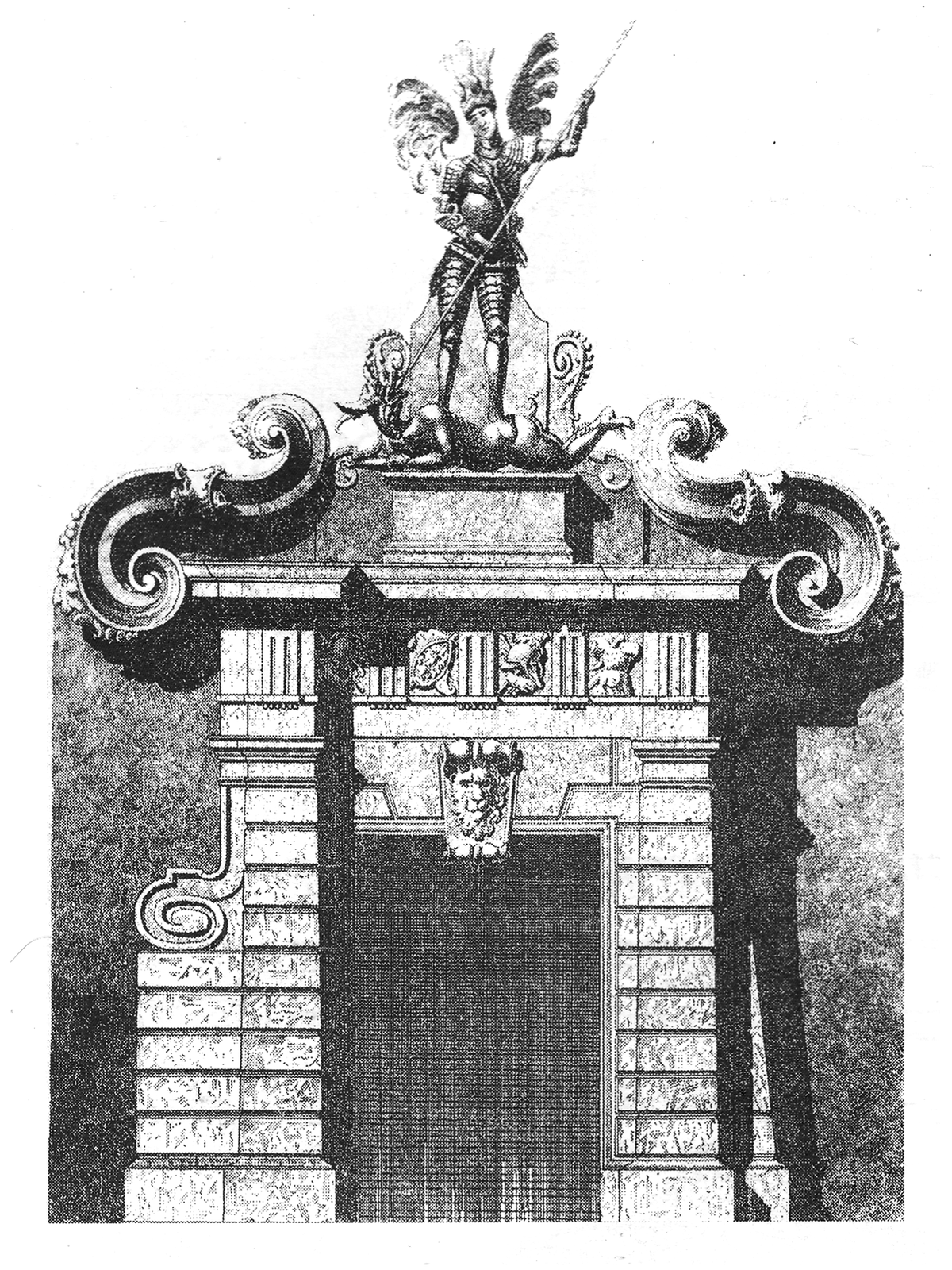
The Royal Arsenal’s Baroque style sets it apart from Lviv’s other military structures. The complex originally consisted of three two-story buildings arranged around a central courtyard. Its main façade faces Museum Square, boasting an elegant loggia and a carved stone portal. Stucco decorations and a balcony adorn the upper level, while the inner courtyard was ingeniously designed so that every corner could be targeted from surrounding windows in the event of a siege (discover-ukraine.info).
Connected to the High Wall, the Royal Arsenal formed part of Lviv’s first line of defense. The workshops within produced cannons, cannonballs, and even church bells, underscoring its role as a center of military innovation (lviv.travel).
Strategic Importance
Lviv's Royal Arsenal was envisioned by King Władysław IV as a launch point for campaigns against the Ottoman Empire—a significant threat in the 17th century. It functioned as the main weapons and supplies depot, enabling the assembly of allied forces for military expeditions (discover-ukraine.info). Situated at the crossroads of vital trade and military routes between the Black Sea and Central Europe, the Arsenal and the city’s fortifications played a crucial role in defending Lviv and the region of Galicia (theconversation.com).
Unlike the City Arsenal, which was maintained by Lviv’s citizens, the Royal Arsenal was a royal initiative, demonstrating the city’s unique blend of civil and military governance (travels.in.ua).
Evolution and Modern Use
The Royal Arsenal remained in military use until 1768, after which evolving warfare rendered such fortifications obsolete. Following Lviv’s annexation by the Austrian Empire, the city’s fortifications were largely dismantled, but the Arsenal survived and underwent restoration in the 20th century (lviv.travel). Since 1939, it has housed the State Archive of the Lviv region, preserving historical documents and maintaining its legacy as a repository of memory (travels.in.ua).
Visiting Hours and Ticketing
Interior Access:
As of June 2025, the Royal Arsenal is not open to the public for interior visits, as it serves as the State Archives.
Exterior Access:
The exterior and surrounding medieval fortifications can be viewed freely at any time.
Tickets:
There is no charge for viewing the exterior. Guided walking tours that include the Arsenal may have additional costs (GPSmyCity).
Note: For the City Arsenal (Arms Museum), which is open to the public, standard ticket prices are:
- Adults: UAH 150
- Students: UAH 80
- Schoolchildren and pensioners: UAH 50
(visitukraine.today)
Always check the latest updates on lviv.travel or at the Tourist Information Center.
Accessibility and Facilities
- Access: The Royal Arsenal is centrally located near Rynok Square and is accessible on foot or by public transport (trams and buses).
- Mobility: As a historic site, the area features uneven surfaces; visitors with mobility needs should plan accordingly.
- Amenities: While the Arsenal itself does not offer visitor amenities, nearby attractions and the Tourist Information Center provide restrooms, maps, and assistance.
Nearby Attractions and Integration within Lviv
The Royal Arsenal is part of a historic defense ensemble, including:
- City Arsenal (Arms Museum): Ukraine’s only dedicated arms museum with collections from over 30 countries (Lviv-tourist.info).
- Sieniawski (Senyavsky) Arsenal: Now part of the Stefanyk Library (Lviv.travel).
- Powder Tower: Now a center for architecture and design (Forgotten Galicia).
- Hlyniany Gate: The best-preserved fragment of the medieval walls.
- Market Square and Armenian Cathedral: Iconic cultural and historical sites nearby.
Cultural and Symbolic Significance
The Royal Arsenal embodies Lviv’s multicultural heritage, with its architecture reflecting Polish, German, Armenian, Jewish, and Ukrainian influences (theconversation.com). Its Baroque façade and royal connections highlight the city's European ties. A bronze sculpture of "Archangel Michael defeating Satan," once housed here, now resides in the Lviv History Museum, symbolizing both spiritual and temporal power (discover-ukraine.info).
Visitor Tips and Seasonal Considerations
- Best Time to Visit: Late spring to early autumn offers pleasant weather and a vibrant festival scene. Winter adds a cozy charm, though outdoor sites may be less accessible (MyWanderlust).
- Photography: The stone façade, cannons, and adjacent medieval walls provide excellent photo opportunities, especially in early morning or late afternoon light.
- Local Etiquette: Respect heritage by not climbing on structures; photography of the exterior is generally permitted.
- Dining: Enjoy Lviv’s famous café culture and nearby restaurants like “Meat and Justice” or “At Arsenal.”
- Safety: Lviv is generally safe, but standard urban precautions apply. Stay updated on local safety protocols, especially regarding air raid procedures.
Frequently Asked Questions (FAQ)
Q: Can I enter the Royal Arsenal?
A: No, the interior is closed to the public as it serves as the State Archives. The exterior is accessible for viewing and photography.
Q: What are the visiting hours?
A: The exterior is accessible at any time.
Q: Are guided tours available?
A: Yes, many walking tours of Lviv include the Royal Arsenal as a stop.
Q: What other historical sites are nearby?
A: City Arsenal (Arms Museum), Sieniawski Arsenal, Powder Tower, Market Square, and the Armenian Cathedral.
Q: Is the site accessible for wheelchair users?
A: The exterior is accessible, but the area’s uneven surfaces may present challenges.
Summary Table: Key Visitor Information
| Feature | Details (as of June 2025) |
|---|---|
| Address | 13 Pidvalna St., Lviv (Royal Arsenal); 6 Rynok Square (City Arsenal) |
| Current Status | Royal Arsenal: Exterior only; City Arsenal: check for updates |
| Ticket Prices | Royal Arsenal Exterior: Free; City Arsenal: UAH 150 (adults), UAH 80 (students), UAH 50 (kids) |
| Accessibility | Central location; partial mobility access; inquire for details |
| Nearest TIC | 1 Rynok Square (Tourist Information Center) |
| Safety Measures | Standard urban precautions; air raid protocols in effect |
| Transport | Walk from city center, trams and buses nearby |
| Official Info | Lviv Tourism, Visit Ukraine |
Discover More
The Royal Arsenal stands as a remarkable emblem of Lviv’s resilience, strategic significance, and rich multicultural legacy. While interior access is limited, the Arsenal’s formidable exterior, integration within the city’s historic fortifications, and proximity to other landmarks make it an essential stop for any visitor. Pair your visit with guided tours and nearby sites for a comprehensive exploration of Lviv’s past.
Stay updated on opening statuses and events by checking official resources, download the Audiala app for guided tours and maps, and follow us on social media for the latest on Lviv’s heritage. Embrace the stories and spirit that have shaped this Central European jewel.
Listen to the full story in the app
The whole Royal Arsenal,
told well.
Audio guides for 1,100+ cities across 96 countries. History, stories, and local insight — offline ready.
Verified, and shown.
Researched and written by the Audiala editorial team from historical records, architectural archives, and local expertise.
Researched from Wikidata, Wikipedia & official sources · fact-checked · How we make our guides →