Plan and listen to Church Of Saint Nicholas, Lviv with Audiala.
Audio guide in your pocket, itinerary in your browser. Built for the way you actually visit.
Introduction
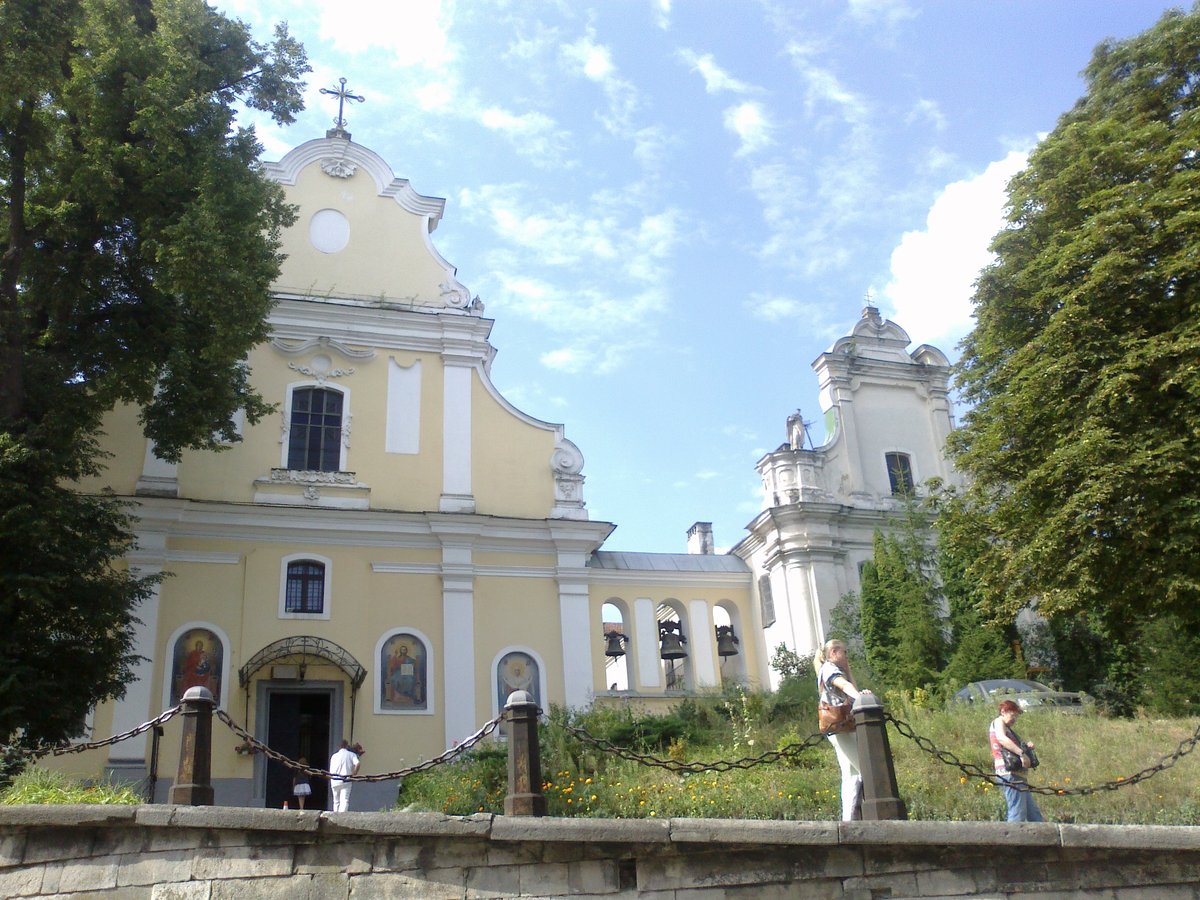
The Church of Saint Nicholas in Lviv is among the city's most ancient and architecturally significant religious sites, providing a deep insight into medieval Eastern European heritage. Founded in the late 13th or early 14th century, likely during the reign of King Leo I of Galicia, the church has been central to Lviv's economic, cultural, and spiritual development. Its dedication to Saint Nicholas, patron of merchants and travelers, underscores Lviv’s historical importance as a crossroads of trade and cultures (Encyclopedia of Ukraine).
This guide delivers a comprehensive look at the church's history, architecture, religious significance, visitor information, and practical travel tips—making it an indispensable resource for anyone planning to explore this treasured Ukrainian landmark.

Origins and Early History
The Church of Saint Nicholas is one of Lviv’s oldest surviving religious structures, dating to around 1292. This period marked Lviv's emergence as a prominent city in the Kingdom of Galicia–Volhynia. Early records and archaeological studies confirm its Romanesque style, characterized by thick stone walls, semicircular arches, and small windows (Encyclopedia of Ukraine). Its location in the Old Market area—once the city’s economic and political center—reflects its foundational importance.
Architectural Evolution
Romanesque Foundations
The original single-nave structure, with a semicircular apse and modest bell tower, was built using local stone and brick. The robust construction provided security during turbulent medieval times (Lviv Travel Guide).
Gothic and Baroque Influences
During the 15th and 16th centuries, Gothic elements such as pointed arches and larger windows were introduced, enhancing the church’s verticality. The 18th century saw Baroque renovations, notably the ornate iconostasis and decorative cornices (Wanderlog).
Modern Restorations
Despite Soviet-era challenges, the church remained active. Conservation projects in the late 20th and early 21st centuries have stabilized the structure, restored frescoes, and improved accessibility (Lviv City Guide).
Religious and Cultural Significance
Spiritual Center for Communities
Initially an Orthodox parish, the church transitioned to the Ukrainian Greek Catholic Church following the Union of Brest in 1596. Through centuries of upheaval, it has been a symbol of faith and resilience for Lviv’s communities, hosting countless religious ceremonies and anchoring spiritual life (Encyclopedia of Ukraine).
Multicultural Heritage
Lviv’s diverse population—Ukrainian, Polish, Armenian, and Jewish—has always contributed to its rich cultural tapestry. The Church of Saint Nicholas, as a prominent Ukrainian sanctuary, reflects this intermingling of traditions. Saint Nicholas, venerated across Christian denominations, has fostered a sense of shared heritage in the city (lviv.travel).
Notable Events in the Church’s History
- Medieval and Early Modern Periods: Served as the principal Ukrainian parish, a center for processions and community gatherings, and a place of refuge during invasions.
- National Revival and Soviet Suppression: In the 19th century, the church became a hub for Ukrainian cultural and educational initiatives. Under Soviet rule, religious activity was suppressed, but the church survived as a symbol of resistance (Lviv Travel Guide).
- Post-Independence Revival: Since 1991, the church has been revitalized as a center for worship, cultural events, and tourism (Lviv City Guide).
Architectural Highlights
- Romanesque Apse and Nave: Original thick masonry and semicircular apse remain.
- Gothic Bell Tower: Added in the 15th century, accentuating the vertical profile.
- Baroque Iconostasis: Richly carved and gilded, installed in the 18th century.
- Historic Icons and Relics: Including the icon of St. Theodore and embroidered rushnyky, blending folk and ecclesiastical traditions (lonelyplanet.com).
Visiting Information
Hours and Days Open
- General Hours: 8:00 AM – 6:00 PM daily (may vary on religious holidays and special services).
- Best Time: Early mornings or late afternoons for a quieter experience.
Tickets and Entry
- Admission: Free; donations welcomed for maintenance and restoration.
- Guided Tours: The church is often included in city walking tours. Arrange in advance for specialized tours.
Accessibility
- Mobility: Stone steps and uneven floors present challenges for those with limited mobility; no dedicated ramps.
- Facilities: No public restrooms or cafés onsite; facilities available in the nearby Old Town.
Etiquette and Photography
- Dress: Modest attire recommended; cover shoulders and knees.
- Photography: Allowed, but avoid flash and do not photograph worshippers during services.
Special Events
- Feast of Saint Nicholas: Celebrated on December 19 (Julian calendar), with special liturgies and community events (obozrevatel.com).
Nearby Attractions
- Armenian Cathedral
- Latin Cathedral
- Market Square
- Lviv Historical Museum
Frequently Asked Questions (FAQ)
Q: What are the visiting hours?
A: 8:00 AM to 6:00 PM daily; check ahead for holiday schedules.
Q: Is there an entrance fee?
A: No; voluntary donations are appreciated.
Q: Are guided tours available?
A: Yes, often as part of broader walking tours.
Q: Is the church accessible for people with disabilities?
A: Accessibility is limited due to historic structure; contact the parish office in advance for assistance.
Q: Can I take photographs?
A: Yes, respectfully and without flash.
Listen to the full story in the app
The whole Church Of Saint Nicholas, Lviv,
told well.
Listen to sourced travel stories with local history and practical context — ready offline.
Verified, and shown.
Researched and written by the Audiala editorial team from historical records, architectural archives, and local expertise.
Built from cited sources · see the method · How we make our guides →