Plan and listen to Ukrainian National Chornobyl Museum with Audiala.
Audio guide in your pocket, itinerary in your browser. Built for the way you actually visit.
Introduction
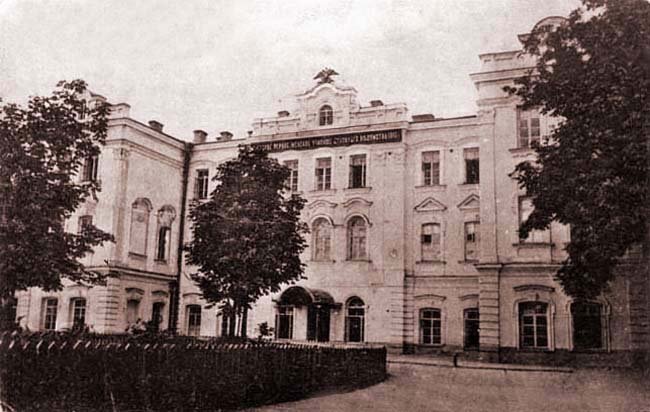
The Ukrainian National Chornobyl Museum in Kyiv serves as a powerful memorial and educational institution dedicated to the events and aftermath of the 1986 Chornobyl nuclear disaster. Established on April 26, 1992, precisely six years after the catastrophic explosion at Reactor No. 4, the museum stands as a testament to human resilience, the risks of nuclear technology, and the enduring impact of the disaster on Ukraine and the world at large. Housed in a historic former fire station, the museum’s setting pays homage to the first responders who confronted the crisis (Wikipedia; Google Arts & Culture).
With over 7,000 artifacts and interactive displays, the museum offers a comprehensive journey through the chronology of the disaster, the response of the “liquidators,” the displacement of hundreds of thousands, and the global reverberations of Chornobyl. This guide equips prospective visitors with essential information about visiting hours, ticketing, accessibility, exhibition highlights, and ethical considerations to ensure a respectful and informative experience (Chornobyl Museum Official Site; Discover Walks).
Historical Background and Significance
Origins and Establishment
The Ukrainian National Chornobyl Museum was inaugurated on April 26, 1992, exactly six years after the disaster. The museum’s location in Kyiv, about 100 kilometers from the Chornobyl site, in a building that once housed a fire station, is symbolically linked to the emergency responders who first tackled the crisis (Wikipedia; Exutopia).
The Chornobyl Disaster: Context and Global Impact
On April 26, 1986, the explosion at Reactor No. 4 of the Chornobyl Nuclear Power Plant released massive amounts of radioactive material into the environment. The disaster led to the evacuation of towns such as Pripyat, widespread contamination, and a death toll that remains the subject of ongoing research and debate. Soviet authorities initially concealed the scale of the crisis, delaying public warnings and international aid, which eroded trust in the Soviet system and contributed to its eventual collapse (Google Arts & Culture; Discover Walks).
The museum’s mission is to preserve the memory of those impacted, educate the public about nuclear safety, and highlight the ongoing consequences for Ukraine and the broader world.
Planning Your Visit
Location and Transportation
- Address: 1 Khoryva Lane, Podil District, Kyiv, Ukraine (Chornobyl Museum Contact Page)
- Metro: Kontraktova Ploshcha station (5-minute walk)
- Tram/Bus: Tram lines 12, 14, 18, 19; Bus 62
- Taxi/Rideshare: Widely available throughout Kyiv
Visiting Hours
- Tuesday–Saturday: 10:00 – 18:00
- Tuesday (early closure): closes at 16:45
- Closed: Sundays, Mondays, and last Tuesday of each month (sanitary day)
- Ticket Office: Closes one hour before museum closing (Chornobyl Museum Contact Page)
Ticket Prices
- General Admission: ~50–60 UAH
- Discounts: Available for students, seniors, and organized groups
- Children under 7: Free
- Guided Tours/Audio Guides: Additional fee; available in Ukrainian, Russian, and English
- Booking: Purchase at entrance or reserve by phone/email; online booking via official website is recommended during peak seasons
What to Expect Inside the Museum
Permanent Exhibitions
- Chronology of the Disaster: Archival photographs, documents, and multimedia stations narrate the timeline from the explosion to the evacuation and international response.
- Liquidators’ Hall: Honors the 600,000+ emergency workers (“liquidators”) who responded after the disaster, with uniforms, personal effects, and oral histories.
- Exclusion Zone Dioramas: Immersive reconstructions of Pripyat apartments, abandoned villages, and contaminated landscapes.
- Control Room Panels and Equipment: Authentic panels and technical devices from the Chornobyl plant, radiation monitoring tools, and firefighter gear.
- Symbolic Decor: Road signs from evacuated villages, art installations, and the “Memory Book” with personal stories.
Temporary and Rotating Exhibitions
- Art and Memory Projects: Photography retrospectives and survivor testimonies, such as “Chornobyl: Through the Lens” (LB.ua).
- Science and Technology Displays: Interactive models and workshops on nuclear science, environmental recovery, and radiation monitoring.
Multimedia and Interactive Elements
- Evacuation Simulation: Audio-visual experiences recreate the evacuation and aftermath.
- Interactive Maps: Digital exploration of the Exclusion Zone and radioactive fallout.
- Virtual Tours: Available online for remote access (Chornobyl Museum Official Site).
Visitor Amenities and Accessibility
- Wheelchair Accessible: Ramps, elevators, and accessible restrooms
- Audio Guides: Ukrainian, Russian, and English
- Cloakroom and Restrooms: Available on-site
- Photography: Allowed (no flash or tripods; respect signage regarding restrictions)
- Museum Shop: Books, documentaries, postcards, and souvenirs supporting educational and memorial activities
- Family-Friendly: Suitable for older children and teenagers; some exhibits are graphic—parental discretion advised
Guided Tours and Educational Programs
- Guided Tours: Available in Ukrainian, Russian, and English; led by knowledgeable staff, including survivors and relatives of liquidators (Chornobyl Museum Official Site)
- School and University Programs: Interactive quizzes, hands-on experiments, and curriculum partnerships
- Commemorative Events: Held annually on April 26 and International Chernobyl Disaster Remembrance Day
Frequently Asked Questions (FAQ)
Q: What are the museum’s visiting hours?
A: Tuesday–Saturday, 10:00–18:00 (closes 16:45 on Tuesdays). Closed Sundays, Mondays, and last Tuesday of each month.
Q: How much are tickets?
A: 50–60 UAH for adults; discounts for students, seniors, and groups. Children under 7 are free.
Q: Is the museum wheelchair accessible?
A: Yes, with ramps, elevators, and accessible restrooms.
Q: Are guided tours available?
A: Yes, in multiple languages. Book in advance via phone, email, or website.
Q: Can I take photos?
A: Yes, without flash or tripods. Respect restrictions and memorial spaces.
Q: Is it possible to visit the Chornobyl Exclusion Zone?
A: Yes, via separate tours with authorized operators. The museum can provide information on arranging a visit.
Cultural and Ethical Guidelines
- Respect the Memorial Nature: The museum commemorates a tragedy; maintain a solemn demeanor, especially in memorial spaces.
- Photography: Be sensitive; avoid selfies at memorials. Flash and tripods are not allowed in most areas (Chornobyl Museum Visitor Rules).
- Social Media: Use educational captions and avoid trivializing hashtags or sensationalism (UNESCO Guidelines on Heritage and Social Media).
- Dress Appropriately: Modest clothing is recommended out of respect for the site.
- Children: Some exhibits are graphic. Assess suitability for your child and consult staff for guidance (Chornobyl Museum Educational Programs).
- Support the Museum: Purchases and donations help fund educational and survivor support initiatives (Chornobyl Museum Support).
Nearby Attractions
Located in Kyiv’s historic Podil district, the museum is close to several notable sites:
- National University “Kyiv-Mohyla Academy”
- Church of the Dormition of the Virgin “Pirogoshcha”
- Museum of One Street
- St. Andrew’s Church and Andriyivsky Uzviz
- Cafés and Restaurants: Kanapa Restaurant, O’Panas, Vino e Cucina (Discover Ukraine)
Combine your visit to the Chornobyl Museum with these destinations for a richer cultural experience.
Listen to the full story in the app
The whole Ukrainian National Chornobyl Museum,
told well.
Listen to sourced travel stories with local history and practical context — ready offline.

Verified, and shown.
Researched and written by the Audiala editorial team from historical records, architectural archives, and local expertise.
Built from cited sources · see the method · How we make our guides →