Plan and listen to Kyrylivska Archaeological Site with Audiala.
Audio guide in your pocket, itinerary in your browser. Built for the way you actually visit.
Introduction
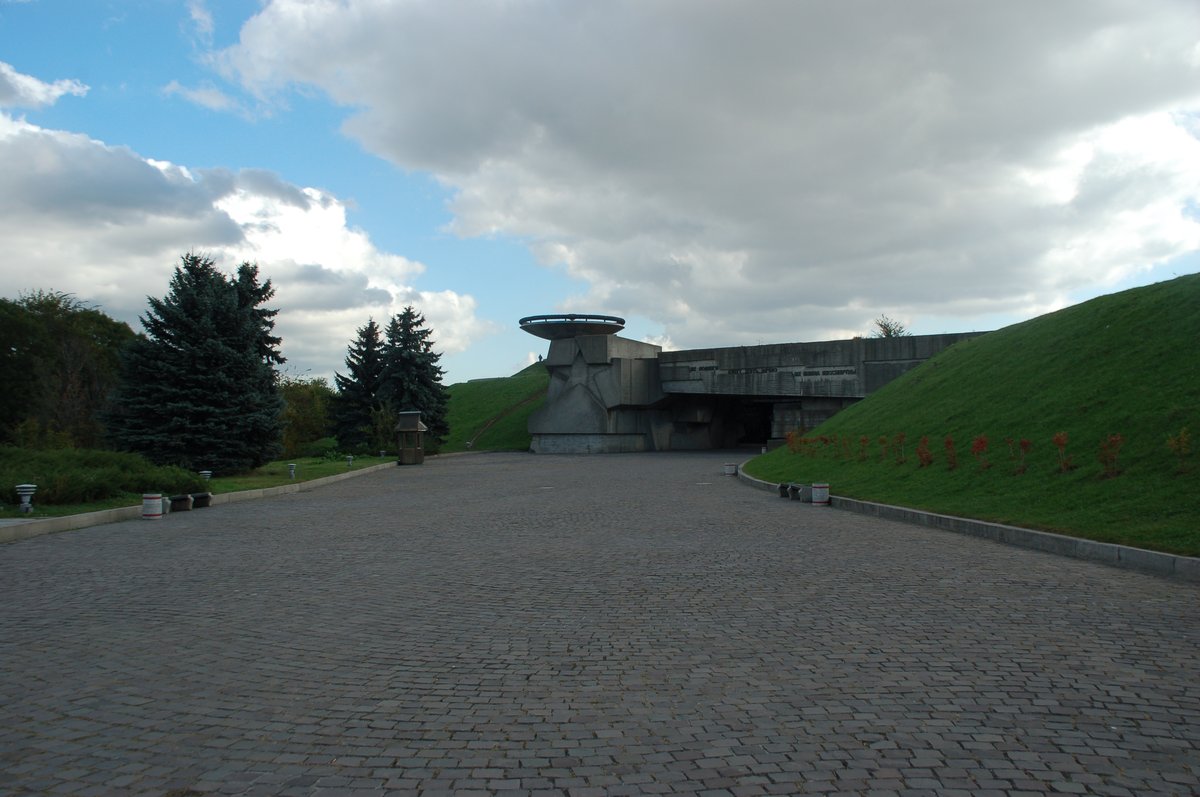
The Kyrylivska Archaeological Site is one of Kyiv’s most significant historical and cultural treasures. While the original excavation area is not accessible to the public, its remarkable legacy is preserved through museum exhibits, guided tours, and urban trails that weave through the city’s oldest neighborhoods. This guide provides essential information on the site’s history, artifacts, visiting hours, ticketing policies, accessibility, travel tips, and nearby attractions, ensuring you make the most of your exploration of Kyiv’s ancient past.

Deep Prehistoric Roots
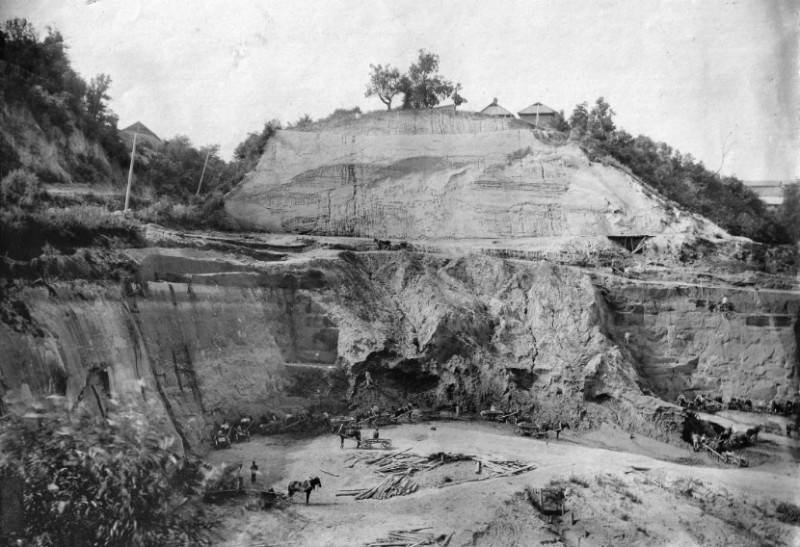
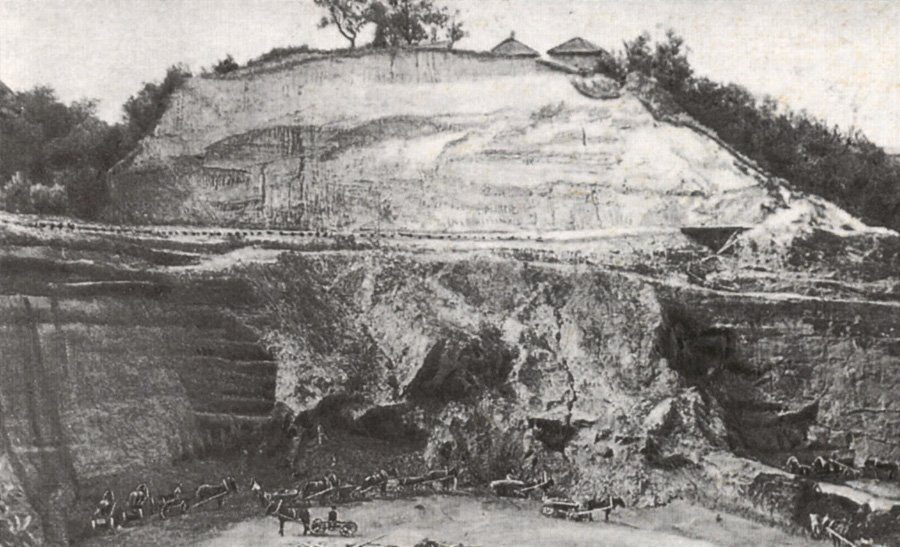
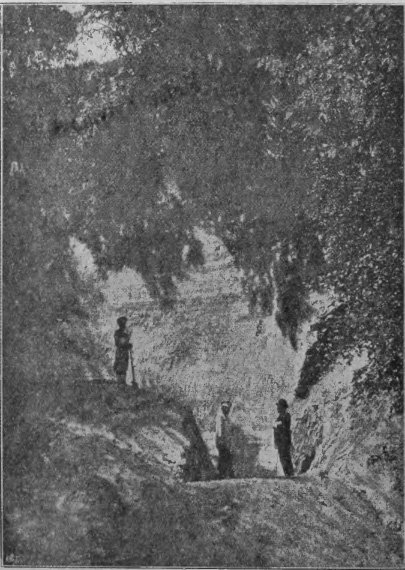
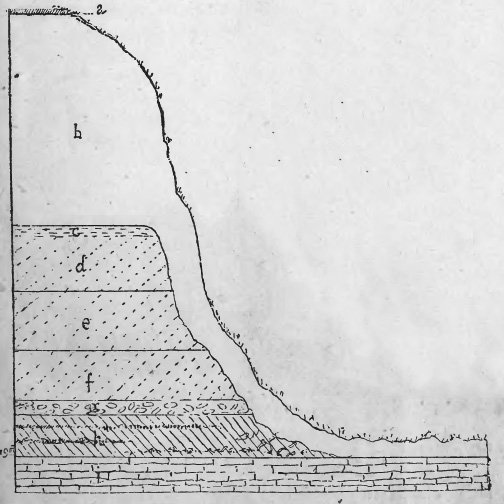
Kyrylivska is among Eastern Europe’s most important Upper Paleolithic sites, with evidence of human occupation dating back approximately 15,000–13,000 years. The site’s inhabitants were part of the Epigravettian culture, skilled hunter-gatherers who used advanced flint tools and thrived in the Dnipro River valley’s challenging environment (ResearchGate).
Cultural Evolution
From the Neolithic Trypillya culture—renowned for pottery and agriculture—to the Bronze and Iron Ages, Kyrylivska’s region witnessed dynamic cultural exchanges with Scythian, Sarmatian, and Greek peoples. By the early medieval period, Slavic tribes had established settlements here, which later became integral to the flourishing urban life of Kyivan Rus. The area suffered devastation during the Mongol invasion in 1240 but remained a religious and cultural center under Lithuanian and Polish rule.
Archaeological Discoveries
Flint Implements
Kyrylivska has yielded thousands of flint tools—blades, scrapers, burins, and points—demonstrating advanced stone knapping techniques. These artifacts link Kyrylivska to other major Paleolithic sites and suggest the existence of cultural and trade networks across the region (ResearchGate).
Faunal Remains
Excavations have uncovered mammoth, reindeer, horse, and bison bones. The presence of mammoth remains underscores their role as both food and a source of raw materials for tool-making and shelter construction. The faunal assemblages provide insight into prehistoric subsistence strategies.
Settlement Patterns
Evidence of hearths, refuse pits, and artifact concentrations indicates organized campsites and semi-permanent dwellings. The site’s location on a river terrace offered strategic advantages for water, resources, and defense.
Scientific and Heritage Significance
Kyrylivska is essential for understanding the chronology and technology of the Late Paleolithic in Ukraine. Its discoveries contribute significantly to research on early human adaptation and cultural development in Eurasia. Artifacts are housed in leading Ukrainian museums, including the National Museum of the History of Ukraine, and the site is prominently featured in national and international archaeological scholarship (Kyiv City Guide).
Visiting Kyrylivska: Hours, Tickets, and Practical Information
Site Access and Location
- Original Site: Located in the Obolon district near Kyrylivska Street, but not accessible as an open-air museum.
- Museum Exhibits: Artifacts from Kyrylivska are displayed at the National Museum of the History of Ukraine, Volodymyrska St, 2, Kyiv.
Museum Hours and Ticketing
- Open: Tuesday to Sunday, 10:00 AM – 6:00 PM. Closed Mondays.
- Tickets: ~50 UAH for adults; discounts for students/seniors; children under 7 free. Check the official museum website for current pricing and booking.
- Guided Tours: English-language tours available; advance booking recommended.
Urban Trail (Kyrylivska Street Route)
- Access: Public streets; open 24/7 year-round.
- Key Stops: St. Cyril’s Church, ancient springs, industrial heritage buildings, local markets.
- Trail Length: ~5 km; allow 2–3 hours.
St. Cyril’s Church
- Hours: Daily, 10:00 AM–6:00 PM; last admission 5:30 PM.
- Tickets: 50–100 UAH; guided tours available (ex.kiev.travel).
Navigating the Site and Nearby Attractions
- Podil District: Historic area with cobblestone streets, art galleries, and markets.
- Andreevsky Descent: Renowned for its artistic atmosphere and souvenir shops.
- Golden Gate: Medieval city gate and museum.
- Kyiv-Pechersk Lavra: Iconic monastery and UNESCO World Heritage Site.
Photographic Highlights: St. Cyril’s Church frescoes, ancient springs, industrial architecture, and vibrant market scenes (adventurebackpack.com).
Travel Tips
- Footwear: Sturdy walking shoes for uneven terrain.
- Clothing: Dress in layers; bring sun protection and a refillable water bottle.
- Accessibility: Museum and main streets are accessible; some historic areas have uneven pavements.
- Language: Ukrainian is official, but English is widely spoken in tourist sites.
- Payment: Cash (UAH) is common, though credit cards are accepted in larger venues.
Safety and Security
- General Safety: Kyiv is generally safe, but travel advisories remain in effect due to ongoing regional instability (bestkievguide.com).
- On-Site: Stay on marked paths and keep valuables secure.
Responsible Tourism and Cultural Etiquette
- Preservation: Do not touch artifacts or disturb archaeological features.
- Support Local: Buy from museum shops and local artisans.
- Etiquette: Dress modestly in religious sites; ask before photographing people or inside churches.
Accessibility
- Museums and Main Routes: Wheelchair accessible.
- Historic Areas: Some uneven surfaces; contact venues for specific accessibility information.
Frequently Asked Questions (FAQ)
Q: Can I visit the original excavation area?
A: No, the area is not open to public visits. Artifacts can be viewed at the National Museum of the History of Ukraine.
Q: Are English-language guided tours available?
A: Yes, at the museum and by request on walking tours.
Q: How do I reach the Podil district?
A: Take the metro to Kontraktova Ploshcha, then walk or use local transport.
Q: Is the site accessible year-round?
A: Yes; the urban trail is open 24/7, but museum and church hours vary.
Q: What’s the best time to visit?
A: Late spring (April–May) and early autumn (September–October) for comfortable weather and fewer crowds.
Preservation Challenges and Conservation
Urban development, environmental changes, and recent regional conflicts threaten the integrity of sites like Kyrylivska. Preservation efforts by Ukrainian archaeologists, the National Museum of the History of Ukraine, and international partners focus on documentation, digitization, and public education (Cambridge Antiquity).
Visuals and Interactive Elements
Explore high-quality images and virtual tours of Kyrylivska artifacts on the National Museum of the History of Ukraine's Google Arts & Culture page. Maps and photos of the Podil district and site location are available on Wanderlog.
Listen to the full story in the app
The whole Kyrylivska Archaeological Site,
told well.
Listen to sourced travel stories with local history and practical context — ready offline.
Verified, and shown.
Researched and written by the Audiala editorial team from historical records, architectural archives, and local expertise.
Cyril’s Church Information, 2025, ex.kiev.travel
Built from cited sources · see the method · How we make our guides →