Prehistoric Settlement
local_fire_department
25,000 BCE
First Footprints
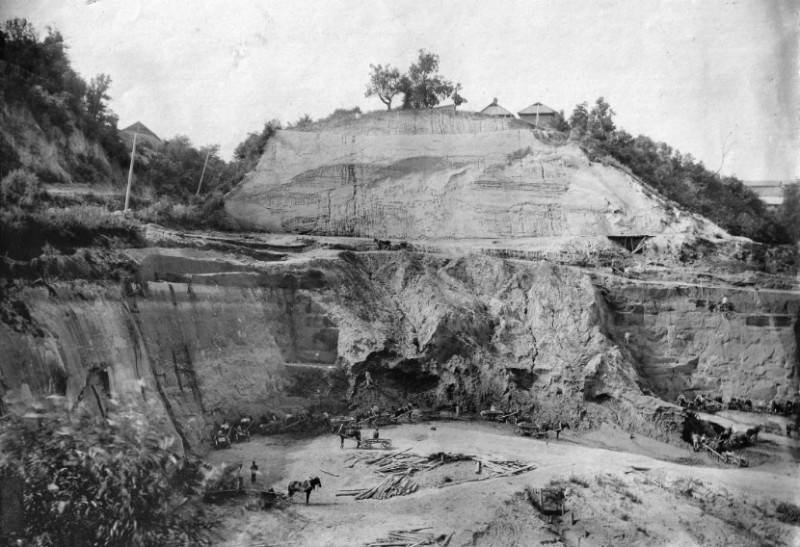
Stone tools and bone scraps appear along the Dnieper's high banks. The mammoth-hunters who left them could not have imagined their campsite would one day hold golden domes. Yet the river already dictated the only sensible place to stop between the Baltic and the Black Sea.
Early Slavic Period
castle
482
The Three Brothers
Legend says Kyi, Shchek, Khoryv and their sister Lybid founded the city on three hills. Soviet planners later seized the date for a 1,500th birthday party. Archaeology quietly suggests the real birth happened two centuries later, but the story still smells of woodsmoke and river mud.
Kievan Rus'
swords
c. 880
Oleg Claims the Throne
Varangian prince Oleg seized Kyiv and declared it capital of the new Rus' state. The smell of pine tar from his ships mixed with incense as the city changed hands. Trade routes suddenly ran from the Varangians to the Greeks, and everything pivoted south.
person
957
Olga Accepts Christ
Princess Olga returned from Constantinople baptized. She ruled from Kyiv as regent while her son hunted elsewhere. Her decision planted the seed that would bloom under her grandson. The wooden churches that followed her still echo with that first quiet conversion.
church
988
Baptism in the Dnieper
Vladimir the Great ordered mass baptism in the river. Pagan idols were dragged through the streets and thrown into the water. The light on the Dnieper that August afternoon changed Eastern Europe more than any battle. Kyiv became the spiritual heart of the Orthodox world overnight.
person
1019
Yaroslav the Wise
Yaroslav turned Kyiv into a European diplomatic powerhouse. He built St. Sophia with mosaics that still glitter in afternoon light. His daughters married kings from France to Norway. The city smelled of fresh-cut oak and distant ambition.
church
1037
St. Sophia Rises
Yaroslav consecrated St. Sophia Cathedral. Its frescoes and golden domes announced Kyiv's arrival. Later rulers would be buried here beneath stones that have heard every prayer from Kievan Rus' to the present war. The bell tower casts the same long shadow it did a thousand years ago.
church
1051
Caves Become a Monastery
Monks dug cells into the soft cliffs above the Dnieper. Kyiv-Pechersk Lavra began as a few holes in the ground and became the beating heart of Slavic Orthodoxy. The mummified brothers still lie there in cool darkness. Pilgrims have been kissing those glass coffins for nearly a millennium.
Fragmentation
swords
1169
Sacked by Fellow Rus'
Prince Andrey Bogolyubsky's troops from the north stormed and looted the city. Kyiv never quite recovered its political supremacy. The golden age ended not with Mongols but with rival Slavic princes. The lesson in fratricide still echoes.
Mongol & Lithuanian Rule
swords
1240
Mongols Destroy Kyiv
Batu Khan's army reduced the city to rubble. A Franciscan friar counted just 200 houses standing six years later. The smell of smoke lingered for decades. What had been Europe's largest city became a ghost on the frontier.
castle
1362
Lithuania Takes Control
Grand Duke Algirdas captured Kyiv from the Golden Horde. The city became a Lithuanian frontier fortress. Orthodox monks kept the old faith alive while Catholic rulers collected taxes. The caves beneath the Lavra never stopped praying.
Polish-Lithuanian Commonwealth
gavel
1569
Polish Rule Begins
The Union of Lublin transferred Kyiv to the Polish Crown. Catholic churches appeared beside Orthodox ones. Tension simmered beneath the golden domes. Yet the Mohyla Academy quietly trained the minds that would later challenge both powers.
Cossack & Russian Rule
gavel
1654
Pereyaslav Agreement
Cossack leader Bohdan Khmelnytsky aligned with Muscovy. Kyiv slowly slid into the Russian orbit. What began as protection became absorption. The city would spend the next three centuries speaking Ukrainian in private and Russian in public.
Russian Imperial Period
school
1834
University Founded
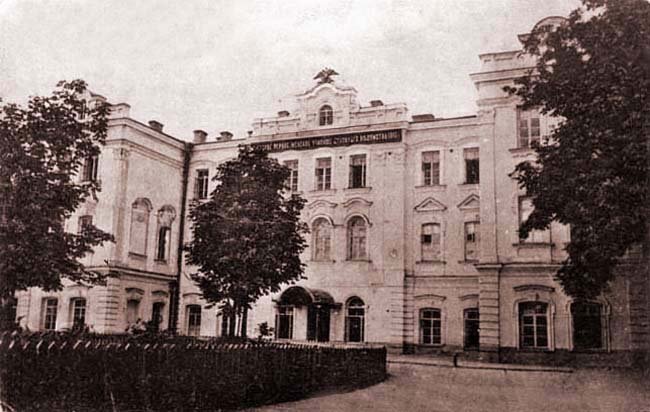
The University of St. Volodymyr opened its doors. Students debated forbidden Ukrainian ideas in smoky rooms along Khreshchatyk. Taras Shevchenko walked these same streets, his poetry sharpening like a hidden blade.
person
1861
Shevchenko Returns
Taras Shevchenko died in St. Petersburg but was buried in Kyiv according to his wishes. Thousands followed his coffin across the Dnieper. His grave became a shrine for those dreaming of a Ukraine that did not yet exist. The monument still stands where young people leave flowers before protests.
church
1888
St. Volodymyr's Cathedral
The canary-yellow cathedral was finally consecrated after decades of construction. Venetian artists covered its walls with frescoes that still glow in candlelight. It became the mother church of the Ukrainian Orthodox tradition that refused to die.
Revolutionary Period
swords
1918
Revolution and Chaos
Kyiv changed hands five times in three years. German officers drank coffee on Khreshchatyk while Bolsheviks and Ukrainian nationalists fought in the suburbs. Mikhail Bulgakov watched it all from his family's apartment on Andriyivsky Uzviz and later turned the nightmare into literature.
Soviet Period
local_fire_department
1933
Holodomor Empties Villages
Stalin's engineered famine killed millions in the countryside. Starving peasants flooded into Kyiv only to die on its streets. The authorities swept the bodies away before foreign visitors arrived. The silence that followed still hangs over certain districts.
World War II
swords
1941
Babi Yar
In two September days the Nazis murdered 33,771 Kyiv Jews in the ravine. Another hundred thousand souls followed over the next years. The ground there still carries the weight. No monument can contain what happened in that narrow gully.
Soviet Period
castle
1981
Motherland Monument Rises
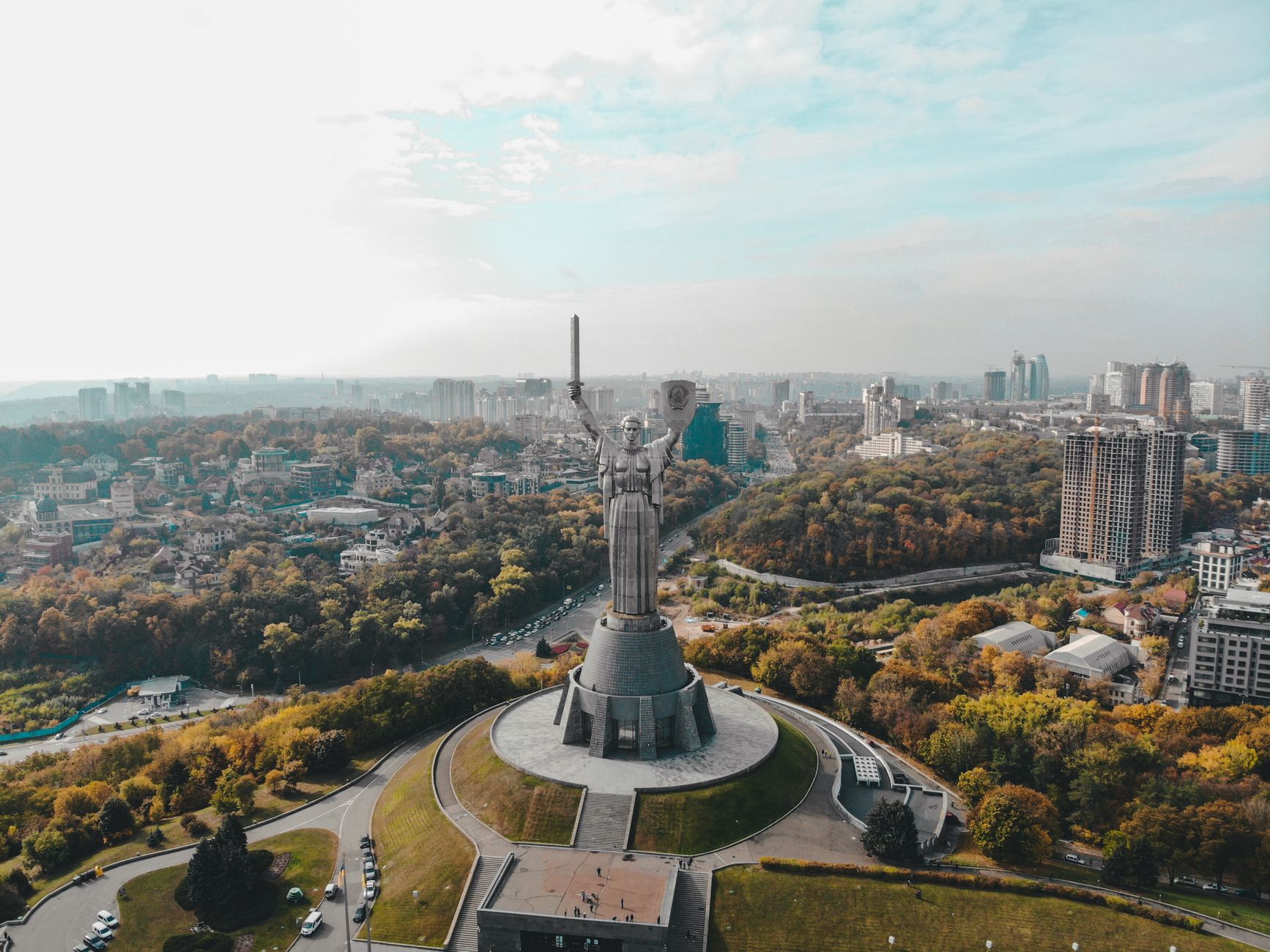
Brezhnev unveiled the 62-metre stainless steel statue overlooking the Dnieper. Locals immediately nicknamed her 'Mother of Brezhnev.' Her sword points toward Russia. The observation deck inside her head still offers the best view of a city that has outlived every regime that built her.
local_fire_department
1986
Chernobyl's Shadow
The reactor 100 kilometres north exploded in April. Kyiv's chestnut trees bloomed as usual that spring. Children played in radioactive dust while officials delayed evacuation. The city learned to live with invisible poison and constant lies.
Independent Ukraine
gavel
1991
Independence Declared
Ukraine voted overwhelmingly to leave the Soviet Union. Kyiv became a capital again after centuries of provincial status. Blue and yellow flags replaced red ones on government buildings. The city breathed differently that autumn.
swords
2014
Heavenly Hundred
Snipers killed more than 100 protesters on Maidan Nezalezhnosti. Flowers and portraits still mark the spots where they fell. The revolution of dignity cost everything and changed everything. You can still hear the echoes of those winter nights if you stand near the stage at the right hour.
swords
2022
Siege and Resistance
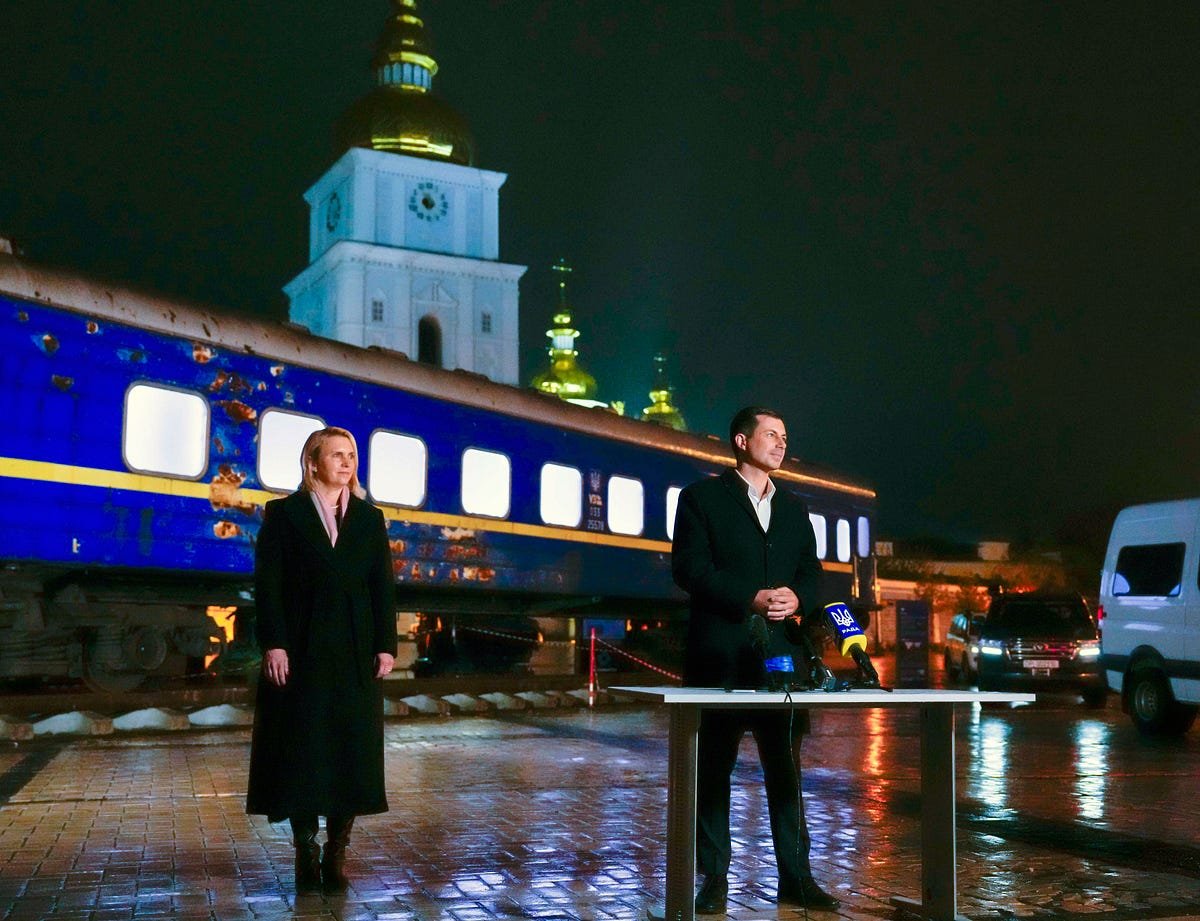
Russian forces reached the city's outskirts in February. Kyiv's defenders stopped them at Irpin and Bucha. Missile strikes still punctuate daily life years later. Yet the golden domes remain lit each night, stubborn as ever.