Introduction
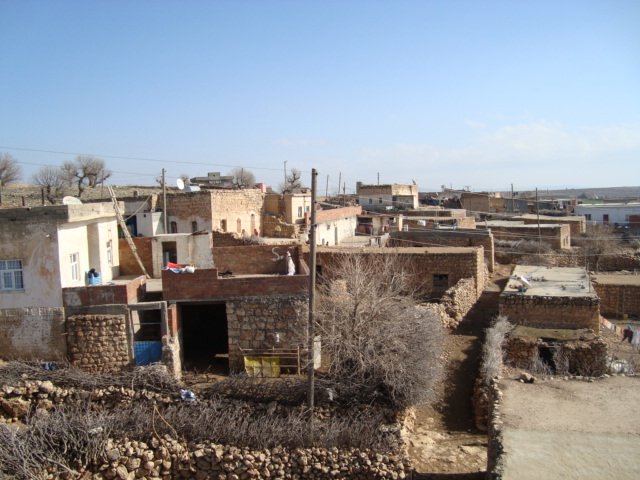
Nestled in southeastern Turkey, the village of Akyürek in Mardin Province stands as a testament to the region’s rich history, cultural diversity, and architectural heritage. Located at the crossroads of Anatolia and Mesopotamia, this area has been continuously inhabited since the Neolithic Age, making it one of the cradles of early civilization (Yabangee; All Multidisciplinary Journal). Akyürek shares in Mardin’s broader legacy—famed for its honey-hued limestone architecture, religious diversity, and a vibrant culture shaped by centuries of coexistence among Kurds, Arabs, Turks, Syriac Christians, and others.
This guide provides essential information for travelers: visiting hours, ticketing details, travel tips, and cultural highlights to help you immerse yourself in Akyürek’s enduring legacy and the historical wealth of Mardin Province.
Early Settlement and Geographical Context
Akyürek is situated within Mardin Province, a region defined by its deep historical roots and strategic location. The area’s fertile plains—lying between the Euphrates and Tigris rivers—have supported agriculture and trade since prehistoric times, contributing to its reputation as a cradle of civilization (Yabangee; All Multidisciplinary Journal). The region’s stone hills offered natural defenses, fostering the growth of settlements that eventually evolved into vibrant communities, including Mardin city and its surrounding villages like Akyürek (FlyPGS).
Ancient and Medieval Influences
Throughout history, the area encompassing Akyürek has witnessed the rise and fall of many civilizations. Influences from the Assyrian, Babylonian, Persian, Roman, and Byzantine empires are evident. By the 4th century CE, the region became a significant center for Syriac Christianity. The area’s strategic value was further cemented during Roman times, when Mardin’s name, derived from “fortress” in Aramaic, reflected its military significance. The Islamic conquest in 640 CE introduced new cultural and architectural influences, followed by the Artuqid dynasty, which commissioned many of the region’s iconic stone structures (FlyPGS).
The Artuqid Legacy and Ottoman Era
The Artuqid dynasty (1100s–1400s) left a lasting mark on Mardin and its villages. Their era saw the construction of mosques, madrasas, and multi-storied houses built from local limestone, adorned with intricate carvings (FlyPGS). Despite subsequent Mongol and Akkoyunlu rule, the region retained its unique character. Under the Ottomans (1517–1922), Akyürek and Mardin flourished as centers of multicultural coexistence (Yabangee).
Demographic and Cultural Diversity
Akyürek epitomizes the multicultural tapestry of Mardin Province, with communities of Kurds, Arabs, Turks, Syriac Christians, and others. This diversity is reflected in the languages, religious sites, and daily customs of the area (Wikipedia: Güngören, Midyat). The local architecture—multi-leveled houses with courtyards and ornate doors—demonstrates both functional ingenuity and a rich artistic tradition (FlyPGS).
Economic and Social Life Through the Ages
Agriculture, animal husbandry, and trade have long sustained Akyürek and its neighbors. The fertile plains support crops and livestock, while local bazaars offer goods like wool, sesame, and handmade soaps (All Multidisciplinary Journal; FlyPGS). Social life centers around religious institutions, with monasteries like Deyrulzafaran serving as cultural and spiritual hubs (Mardin Life).
Visiting Akyürek and Mardin: Practical Information
Visiting Hours and Tickets
- Akyürek Village: Open year-round, no entrance fee or specific hours.
- Nearby Sites (e.g., Mardin Castle, Deyrulzafaran Monastery): Typically open 9:00 AM–6:00 PM. Tickets range from 20–50 TRY; discounts for students and groups.
Check official tourism sites or local visitor centers for up-to-date information.
Accessibility and Travel Tips
- Access: By car or minibus from Mardin city (20–30 minutes).
- Terrain: Expect uneven, cobblestone streets and hillside walks—comfortable shoes and sun protection recommended.
- Accessibility: Some sites offer limited access for those with mobility challenges; check ahead.
Guided Tours and Special Events
Local agencies offer guided tours, often including Akyürek, Mardin’s bazaars, and religious landmarks. The Mardin International Music Festival and other events provide unique cultural experiences.
Photographic Spots
Capture the golden hues of limestone houses, panoramic views over the Mesopotamian plains, and the intricate details of historic doors and facades. Sunrise and sunset offer especially striking photo opportunities.
Modern Developments and Preservation
Mardin’s old city is now a major tourist attraction, described as a “living museum.” Preservation efforts have increased, and some sites are under consideration for UNESCO World Heritage status (Mardin Life; Yabangee). Tourism plays an important role in the local economy, supporting ongoing conservation and cultural vitality.
Key Historical Milestones
- Neolithic Age: Early settlements, agricultural beginnings.
- Roman/Byzantine Era: Fortified cities, Christian expansion.
- Islamic Conquest (640 CE): New cultural and architectural influences.
- Artuqid Dynasty: Flourishing stone architecture and education.
- Ottoman Period: Multicultural harmony and stability.
- Modern Era: Heritage preservation and tourism development.
Frequently Asked Questions (FAQ)
Q: What are Akyürek’s visiting hours?
A: The village is open to visitors daily, year-round. Nearby historical sites generally operate 9:00 AM–6:00 PM.
Q: Are tickets required to visit Akyürek?
A: No tickets are required for the village; some nearby monuments/museums may charge entrance fees.
Q: How do I get to Akyürek from Mardin city?
A: By car or local minibus in 20–30 minutes.
Q: Are guided tours available?
A: Yes, local agencies offer tours covering Akyürek and major Mardin sites.
Q: What is the best time for photography?
A: Early morning and late afternoon provide the best natural light.
Plan Your Visit
Akyürek offers a gateway to Mardin Province’s rich history and living traditions. Enjoy architectural beauty, vibrant markets, and panoramic vistas while engaging with the region’s multicultural heritage.
Travel Tips:
- Dress modestly, especially at religious sites.
- Carry cash (TRY) for rural purchases.
- Learn basic Turkish greetings; English is limited in villages.
- Use the Audiala app for updated guides and travel tools.
Listen to the full story in the app
Your Personal Curator, in Your Pocket.
Audio guides for 1,100+ cities across 96 countries. History, stories, and local insight — offline ready.
Audiala App
Available on iOS & Android
Join 50k+ Curators
Sources
- verified
- verified
- verified
- verified
- verified
- verified
- verified
- verified
- verified
Last reviewed: