Origins and Purpose
Established in the mid-20th century, the Konya Ethnography Museum was conceived as part of a national movement to safeguard Turkey’s diverse cultural traditions. The institution was strategically located in Konya due to its longstanding role as a crossroads of civilizations and its deep-rooted Sufi heritage. The museum’s initial collection was sourced through state-supported initiatives and generous donations from local families and collectors, with a focus on preserving material culture threatened by modernization (thegoguy.com).
Konya’s Historical Context
Konya’s significance stretches from its role as the Seljuk capital in the 12th–13th centuries to its status as a vibrant Ottoman center. The city’s spiritual and multicultural character is reflected in the museum’s exhibits, which document not only Turkish traditions, but also the contributions of Greek, Armenian, and Jewish communities (museumrun.com; Tripcrafters).
Architectural Features
The museum is housed in a purpose-built, architecturally significant structure that fuses Seljuk and Ottoman design motifs—such as pointed arches and decorative tiles—with modern exhibition practices. Its layout is organized for intuitive exploration, with thematic galleries and a central courtyard that hosts cultural events. Recreated interiors, natural lighting, and multimedia displays immerse visitors in the region’s living traditions (thegoguy.com; museumrun.com).
Collections and Exhibition Highlights
Ethnographic Artifacts
Over 6,000 objects illustrate Central Anatolia’s evolving cultural landscape, from the Seljuk, Ottoman, and Republican periods (gokonya.com; whichmuseum.com). Key collections include:
- Traditional Costumes & Textiles Embroidered garments and textiles, notably from the Refet Yardımcı and Kenan Özbel collections, showcasing Anatolian needlework and social customs (turkishmuseums.com).
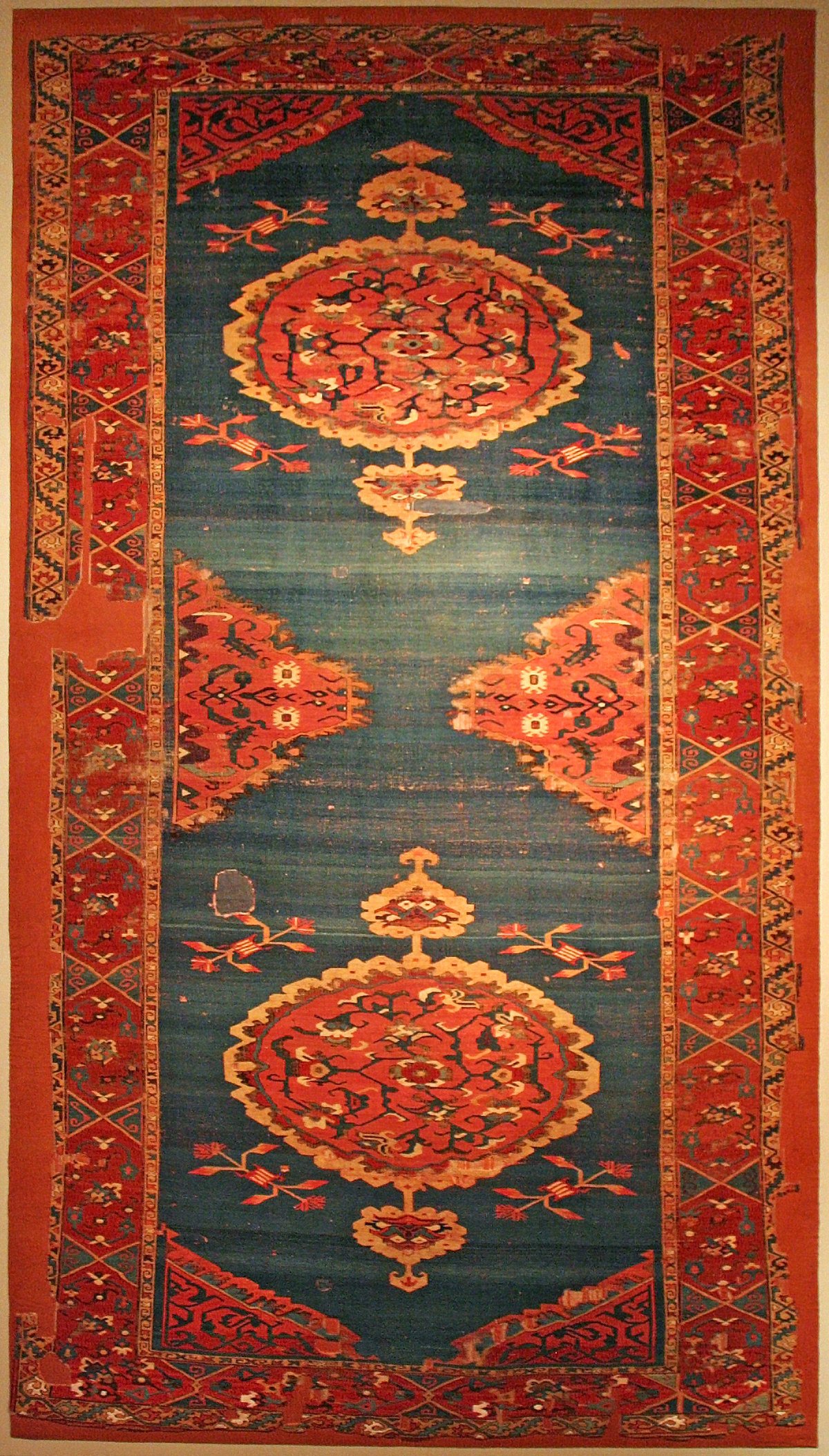
- Carpets & Rugs An unparalleled collection of historical carpets, including rare Seljuk-era examples from Beyşehir Eşrefoğlu Mosque, Alaaddin Mosque, and other Anatolian centers. These artifacts highlight the region’s textile artistry (jozan.net).
- Weapons & Arms Ottoman firearms, swords, bows, and daggers, reflecting regional martial history (turkishmuseums.com).
- Domestic Items Everyday utensils, kitchen implements, tobacco pouches, watches, and local newspapers, providing a window into daily life (advantour.com; visitturkey.in).
- Calligraphy, Tiles, Glasswork Ottoman calligraphy, Seljuk tiles, glass, and woodwork from significant donors such as Besim Atalay (guidetourism.net).
Thematic Exhibition Halls
- Wedding & Ceremony Hall Displays Anatolian wedding attire and embroidery (guidetourism.net).
- Arms Hall Ottoman and local weaponry.
- Carpet & Textile Hall Historical carpets and weaving demonstrations (jozan.net).
- Tile & Glass Hall Mosque doors, pulpits, and Ottoman calligraphy.
Special & Rotating Exhibitions
Temporary exhibitions and workshops, especially in the Dr. Mehmet Önder Conference Hall, highlight Turkish handicrafts and regional history (whichmuseum.com).
Visiting Information
- Location Sahib-i Ata Street, No: 95, Meram, Konya.
- Hours Open Tuesday to Sunday, 9:00 AM – 5:00 PM; closed Mondays and public holidays. Hours may vary seasonally—check the official website before visiting.
- Tickets Admission is free or under 50 Turkish Lira (approx. $2 USD) as of 2025, with discounts for students and seniors. Children under 12 often enter free (turkishmuseums.com).
- Guided Tours Available upon request—advance booking recommended for groups or during peak seasons.
- Photography Allowed in most areas, but flash or photography in certain exhibits may be restricted.
Accessibility
The museum is fully accessible, with ramps, elevators, tactile exhibits, and audio guides for visitors with disabilities. Bilingual signage and English-speaking staff facilitate navigation. Facilities include accessible restrooms, cloakroom, and a small gift shop for local crafts (museumrun.com).
Special Events and Educational Programs
Regular workshops, lectures, and cultural performances foster community engagement and highlight living traditions. Educational outreach includes interactive sessions for school groups, university collaborations, and craft demonstrations.
Nearby Attractions
- Mevlana Museum The spiritual heart of Konya, celebrating Rumi’s legacy.
- Alaeddin Hill Site of historic mosques and panoramic city views.
- Karatay Madrasa & Archaeological Museum Enrich your itinerary with additional historical and artistic landmarks (Tripcrafters).
Visitor Experience and Practical Tips
- Best Visiting Times Weekday mornings avoid crowds; spring and autumn offer pleasant weather.
- Transport Accessible via public buses, trams, and taxis. Ample parking nearby.
- Family Visits Welcoming to all ages, with educational materials occasionally available for children and school groups.
- Safety & Etiquette Konya is safe and hospitable; modest dress is appreciated, especially when visiting neighboring religious sites (Ways of the World Blog).
- Facilities Restrooms, seating, and a gift shop are available on site.
Frequently Asked Questions (FAQ)
Q: What are the Konya Ethnography Museum visiting hours?
A: Open 9:00 AM–5:00 PM, Tuesday to Sunday; closed Mondays and public holidays.
Q: Is there an entrance fee?
A: Admission is generally free or up to 50 Turkish Lira (approx. $2 USD); discounts available for students and seniors.
Q: Are guided tours available?
A: Yes, available upon request. Book in advance for groups.
Q: Is the museum accessible for wheelchair users?
A: Yes, facilities include ramps, elevators, and accessible restrooms.
Q: Can I take photos inside?
A: Photography is allowed in most areas, but please follow posted signs regarding flash use.
Q: What are recommended nearby sites?
A: Mevlana Museum, Alaeddin Hill, and Karatay Madrasa are all within walking distance.