Plan and listen to Kadifekale with Audiala.
Audio guide in your pocket, itinerary in your browser. Built for the way you actually visit.
Introduction
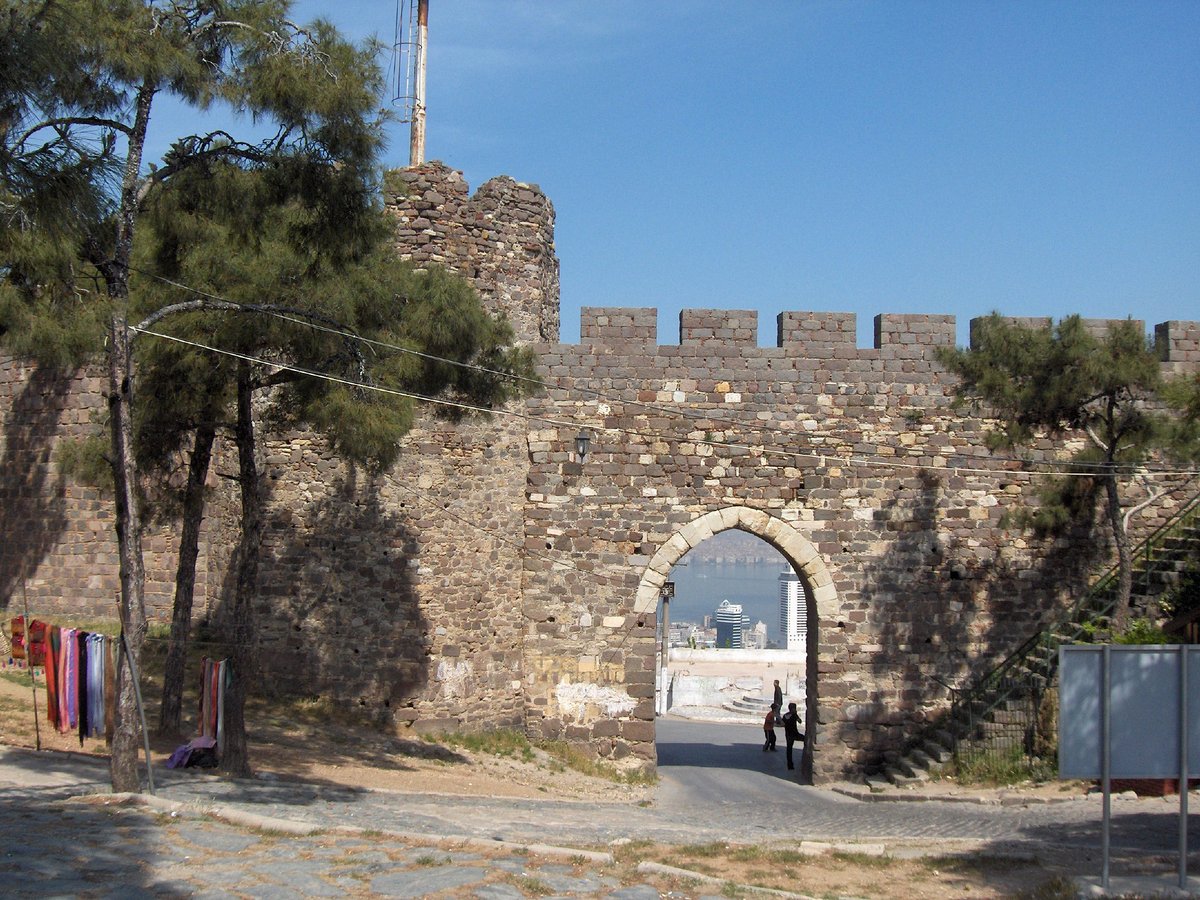
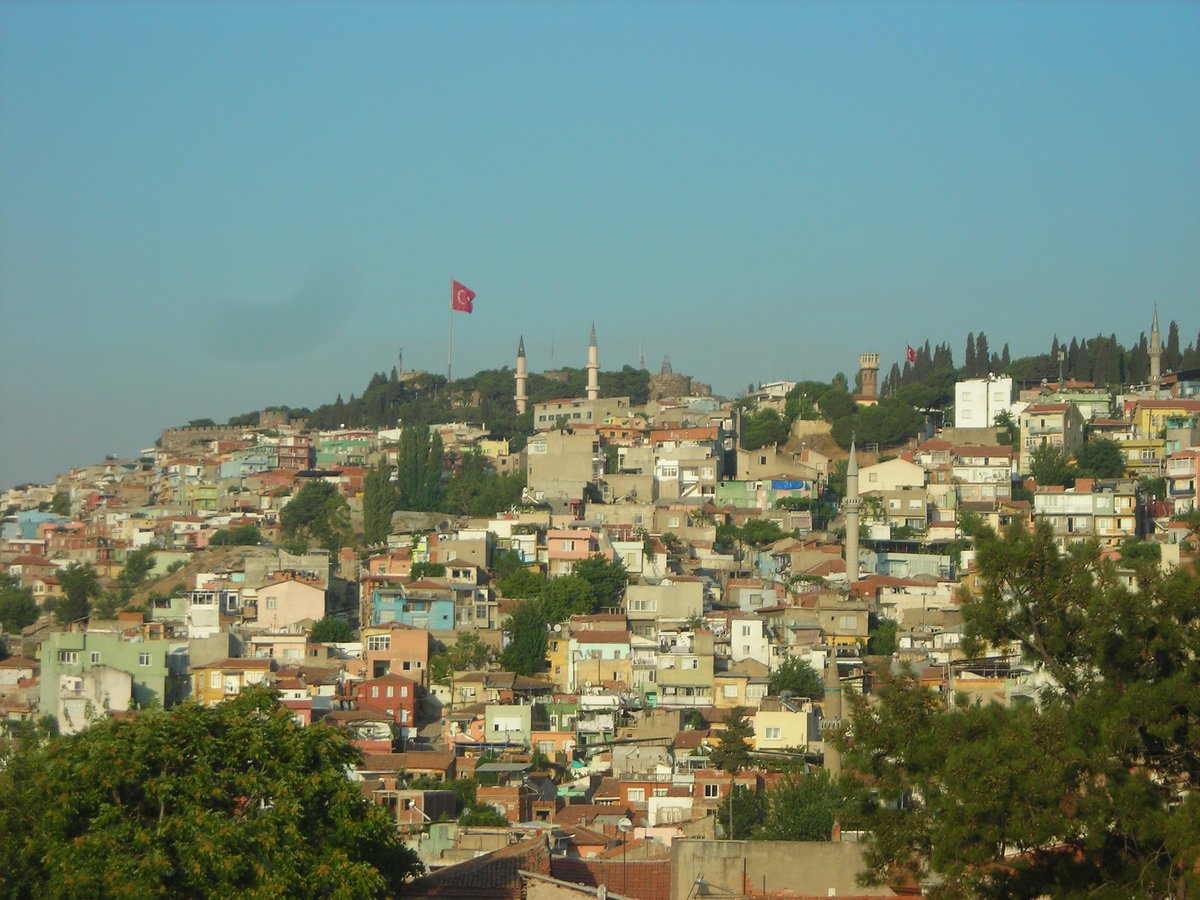
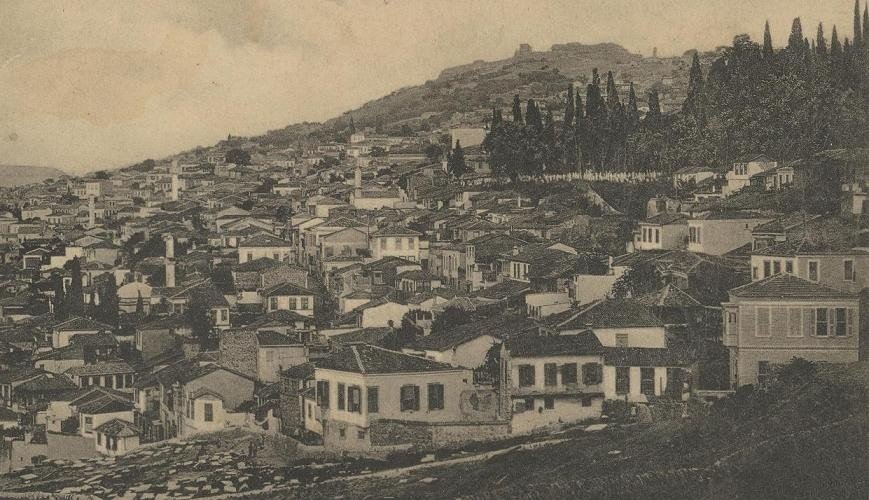
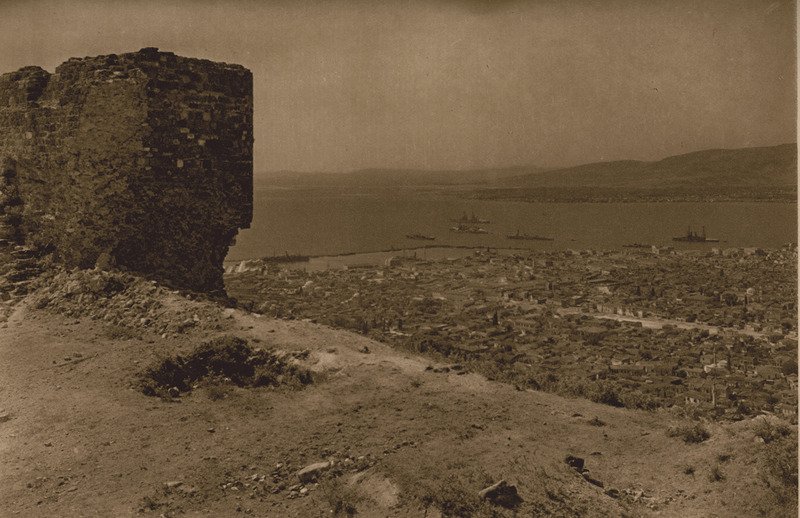
Kadifekale, or the Velvet Castle, is a crown jewel atop İzmir’s Mount Pagos, rising 186 meters above sea level. This ancient fortress offers sweeping panoramic views of the city and the Aegean Sea, and is steeped in history from prehistoric settlements through the Hellenistic, Roman, Byzantine, and Ottoman eras. Famed for its legendary foundation story involving Alexander the Great, Kadifekale today is a living heritage site—free to visit year-round—with medieval walls, Roman cisterns, Ottoman remnants, and vibrant local life. This comprehensive guide details Kadifekale visiting hours, ticket policies, accessibility, nearby attractions, travel tips, and historical highlights to help you plan a rewarding visit (Wikipedia; TravelSetu; iyiturkey.com; Turkey Travel Planner).

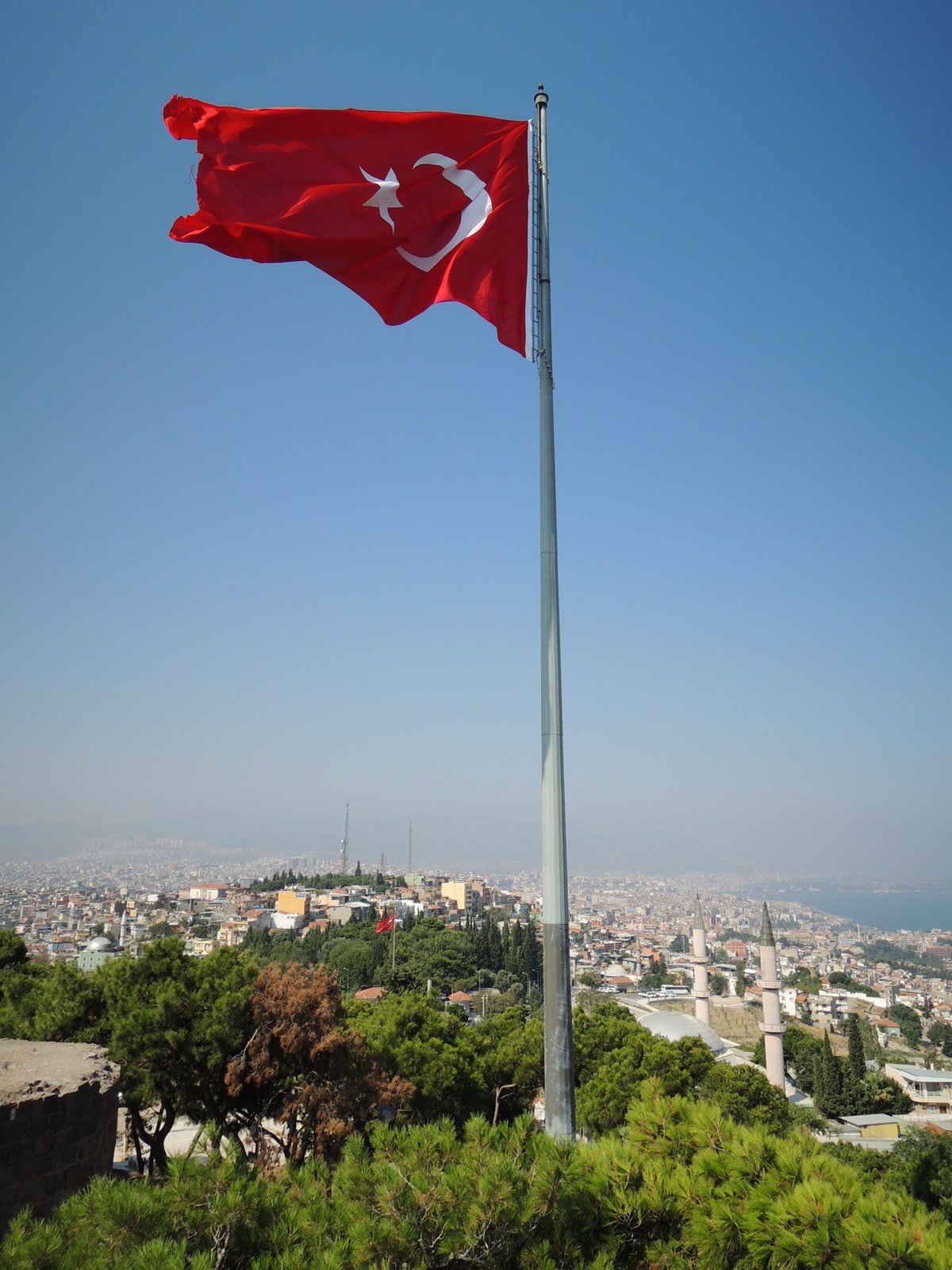
History of Kadifekale
Foundations and Early History
Kadifekale is closely linked with the ancient city of Smyrna. Archaeological evidence shows the area was inhabited as early as 10,000 BCE. The site’s legendary foundation is attributed to Alexander the Great, who, after a prophetic dream on Mount Pagos, was advised by the oracle of Apollo to relocate Smyrna to the hill. The current fortress was built by Lysimachus, one of Alexander’s successors, in the 3rd century BCE (Wikipedia; Trip to Izmir; Nomadic Niko; TravelSetu).
Roman and Byzantine Eras
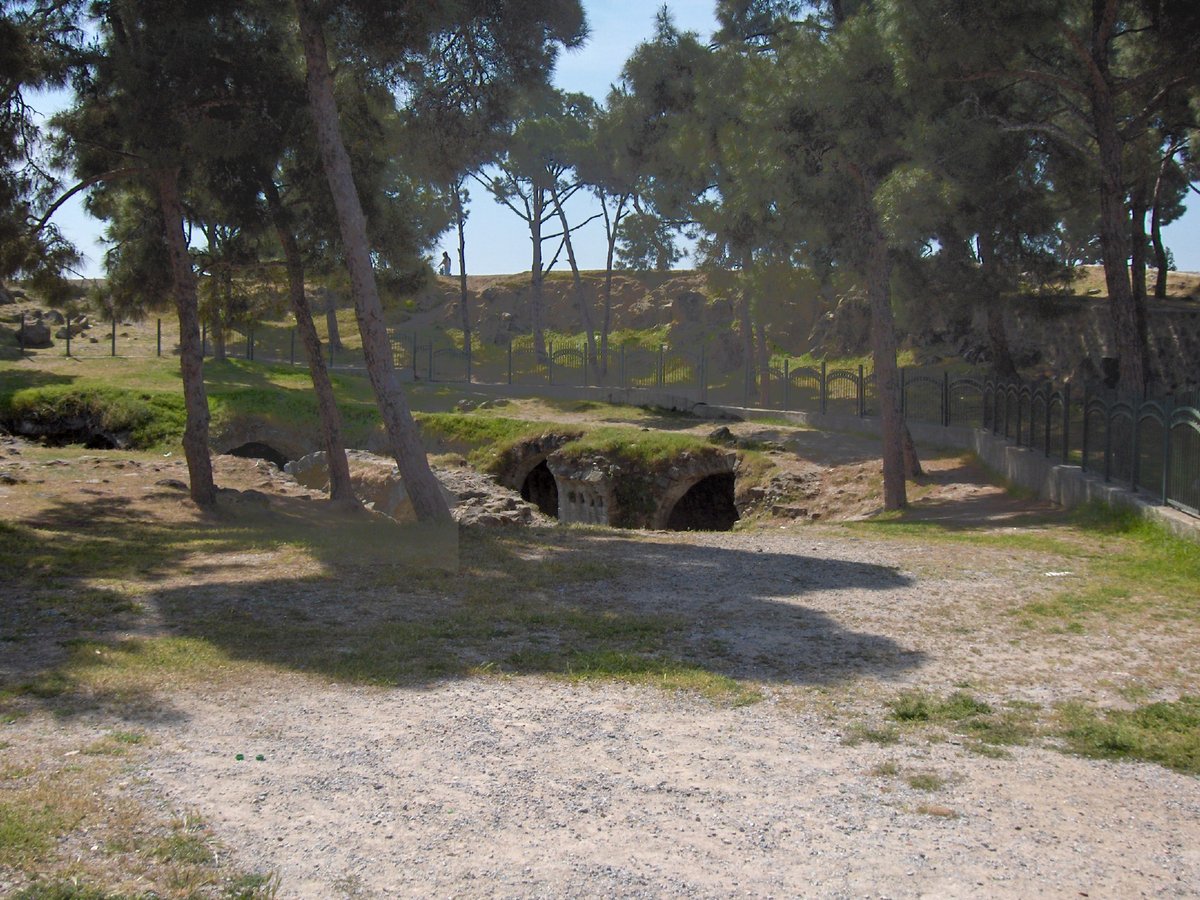
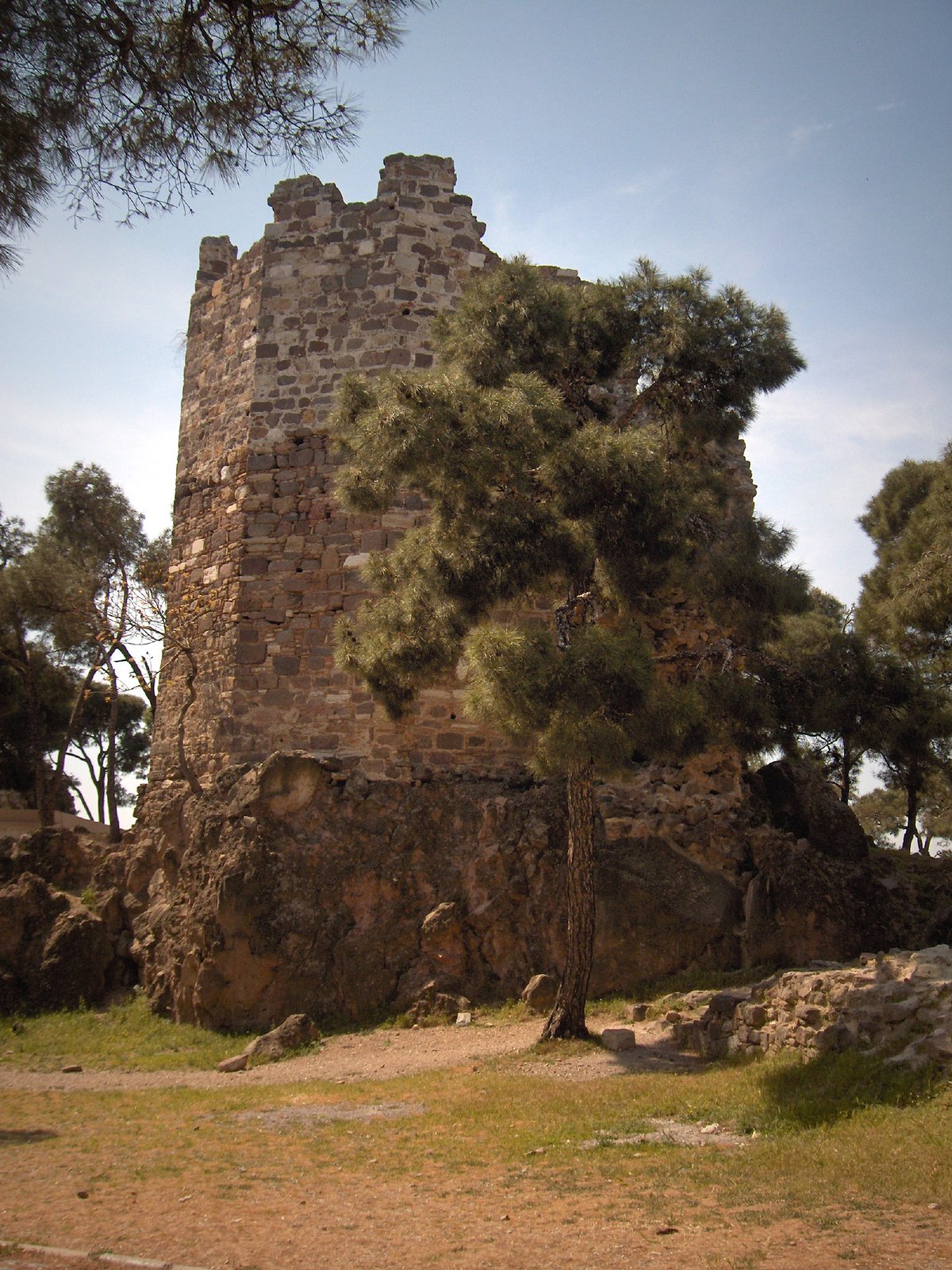
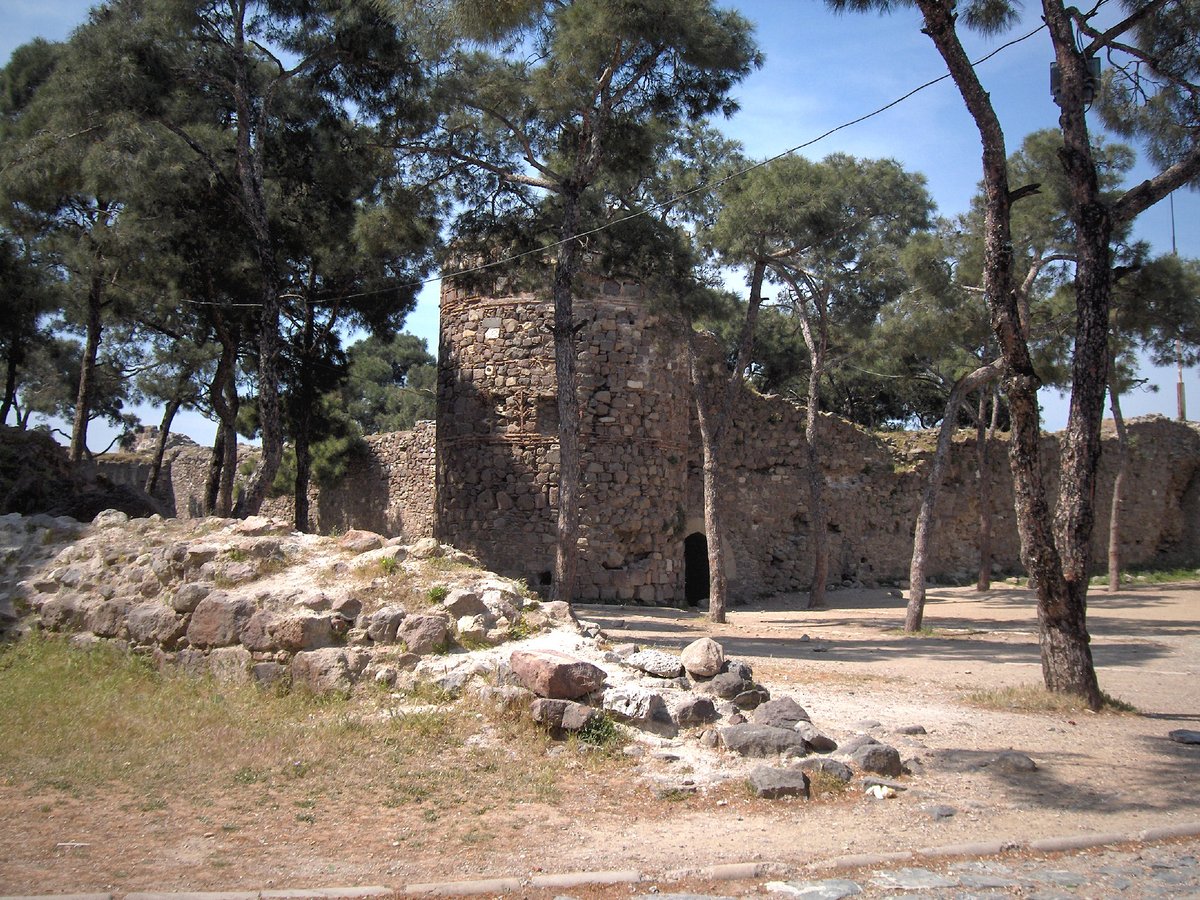
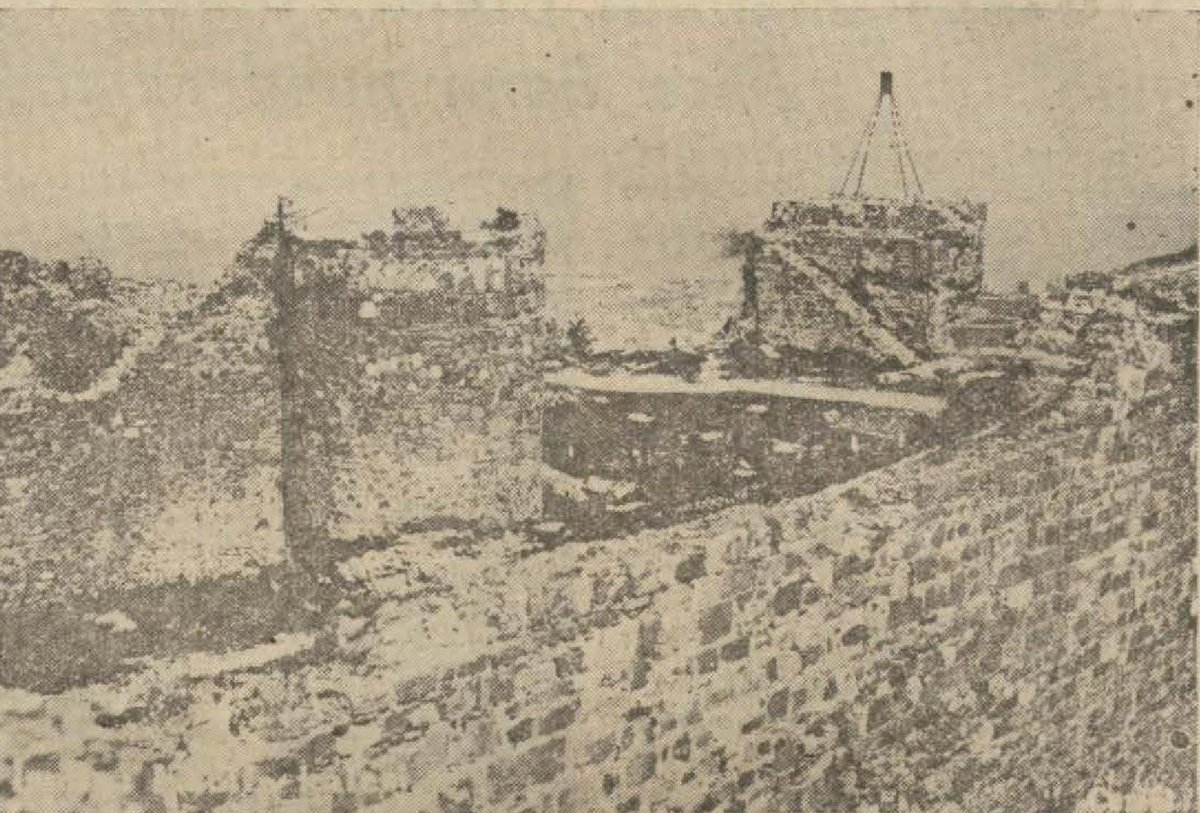
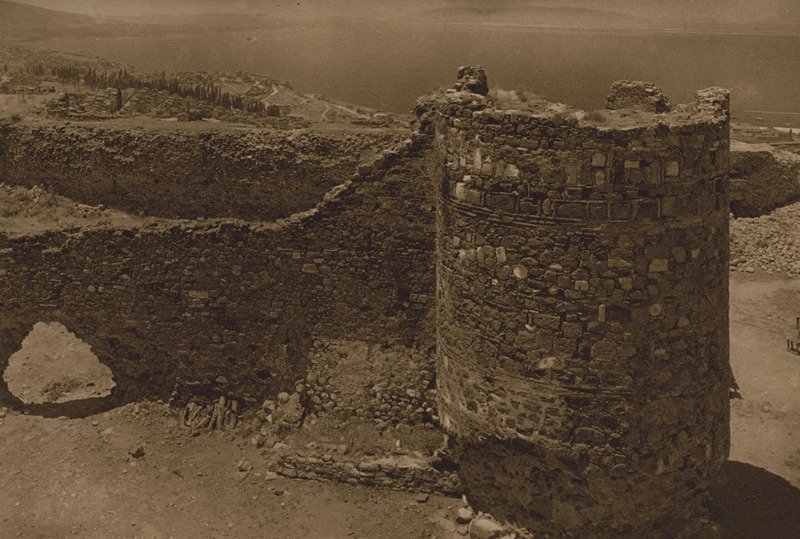
During Roman times, Kadifekale served as a main defensive stronghold for Smyrna, integrating with the city’s agora, stadium, and theater. The Romans built extensive cisterns next to the castle, which were later expanded by the Byzantines and Ottomans, showcasing advanced engineering. The Byzantine period saw further fortification, with robust walls and towers still visible today (Wikipedia; Visit Turkey).
Ottoman Period and Later Developments
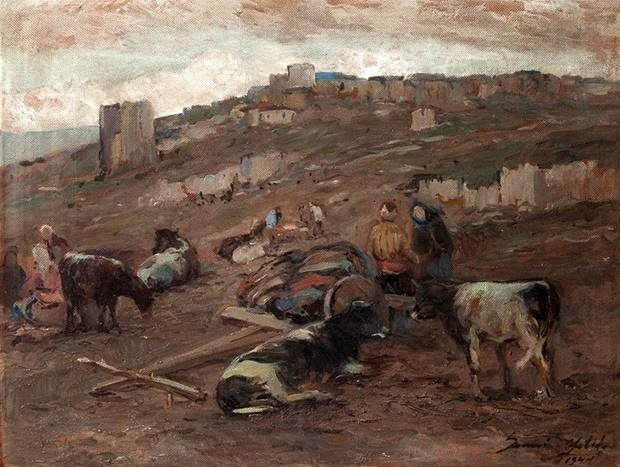
Kadifekale came under Ottoman control in the 15th century, earning the name "Velvet Castle." The Ottomans reinforced the structure, adding high ramparts, buttresses, and a mosque. The castle remained significant as a military and administrative center, and the area evolved into a vibrant settlement (Trip to Izmir; Wikipedia).
Religious and Cultural Significance
Kadifekale is associated with the martyrdom of St. Polycarp, bishop of Smyrna, in 155 AD, and Smyrna’s mention in the Book of Revelation. The site’s mythological connections—such as the city’s likening to Cybele, the Great Mother—are reflected in ancient poetry and local lore (Nomadic Niko; Trip to Izmir).
Modern Era: Restoration and Heritage
Since the early 2000s, major restoration projects have stabilized the castle and improved visitor facilities. Kadifekale was added to Turkey’s Tentative World Heritage List in 2020, and now hosts cultural festivals and events that bridge İzmir’s ancient and modern identities (Visit Turkey; TravelSetu).
Visitor Information
Kadifekale Visiting Hours
- Spring/Summer (April–October): 08:00–19:00
- Autumn/Winter (November–March): 08:00–17:00
Hours may shift for holidays or events; confirm with official tourism sources before visiting (iyiturkey.com; Turkey Travel Planner).
Ticket Prices and Entry
- Entry: Free as of July 2025.
- Special Events: Some exhibitions or guided tours may require a fee.
Accessibility
- Terrain is uneven and steep; wheelchair access is limited.
- Paved paths and rest areas exist, but assistance may be needed for visitors with mobility challenges.
- Contact the İzmir Metropolitan Municipality tourism office for updates (iyiturkey.com).
Guided Tours and Travel Tips
- Guided tours can be booked through local operators for historical insight.
- Best times to visit: early morning or late afternoon for cooler temperatures and optimal photos.
- Essentials: Comfortable shoes, water, sunscreen, camera.
Getting There
- Public Transport: Buses (ESHOT lines 33, 35, 36) from Konak/Basmane.
- Taxi: Direct and convenient, costing about 100–150 TRY from the city center.
- On Foot: Challenging hike (30–45 mins) from Konak or Basmane.
- Car: Limited parking near the entrance (Turkey Travel Planner).
Architectural and Archaeological Highlights
- Castle Walls & Towers: Byzantine, Roman, and Ottoman construction techniques are evident. Four of the original five towers remain.
- Roman Cisterns: Sophisticated water management system, renovated over centuries.
- Ottoman Mosque Ruins: 14th-century mosque remains near the entrance.
- Ancient Roman Theatre: Recently uncovered seating for 16,000 on the slopes.
- Viewing Terraces: The Ayla Ökmen City Viewing Terrace provides sweeping panoramas (iyiturkey.com; Izmir Guide).
Neighborhood & Cultural Life
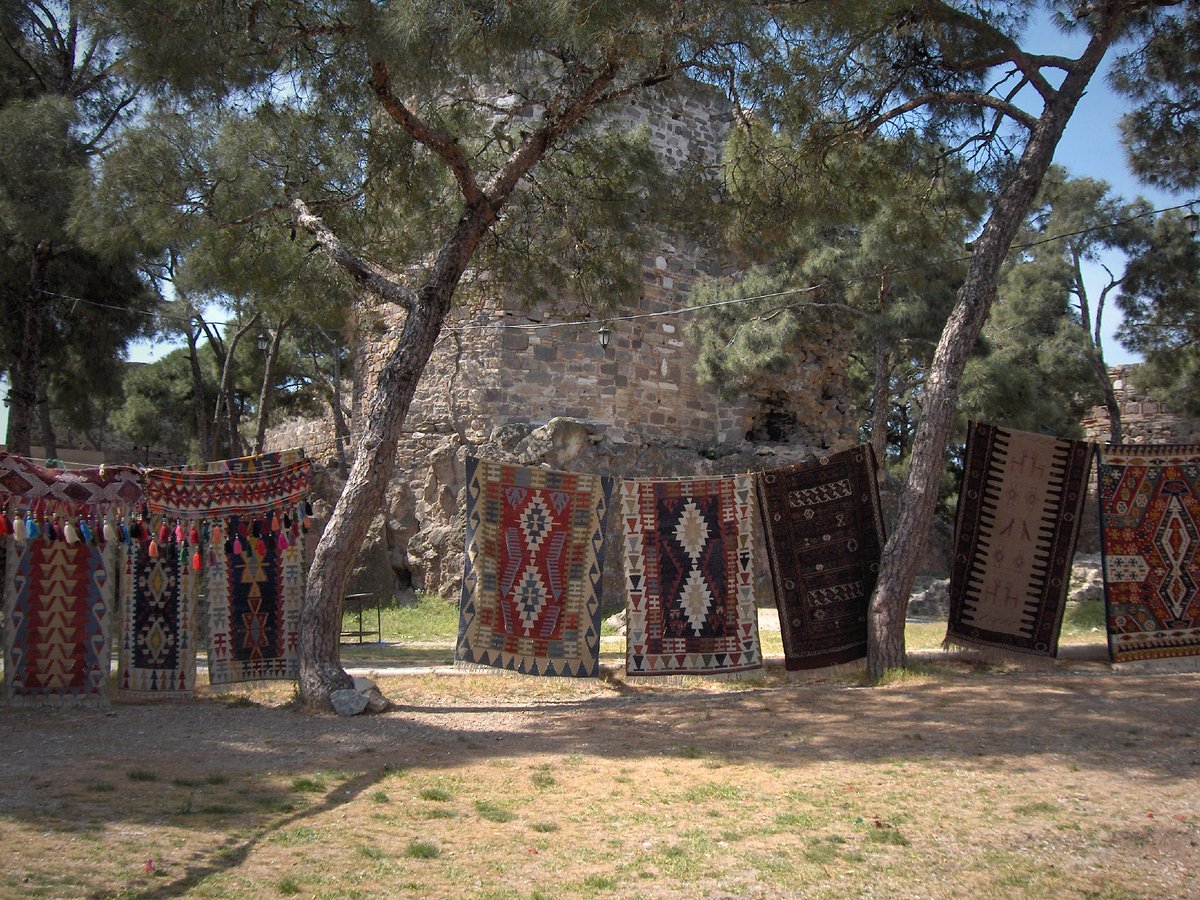
Kadifekale is embedded in a lively, diverse community with Roma and migrant influences. The Saturday Pagos Producers Market brings women’s cooperatives, local foods, and live music to the castle grounds, making it a hub for cultural interaction. The surrounding streets are filled with daily life, vibrant street art, and authentic İzmir atmosphere (iyiturkey.com; visitizmir.org).
Practical Tips
- Weather: Best months are May–June and September–October. Summers are very hot.
- Safety: Site is patrolled during the day; avoid after dark. Secure valuables.
- Amenities: Basic restrooms and refreshment kiosks at entrance.
- Food: Limited on-site; nearby districts like Kemeraltı Bazaar offer diverse cuisine (World City History).
- Souvenirs: Crafts and postcards on-site; more options at Kemeraltı Bazaar.
Frequently Asked Questions (FAQ)
Q: What are Kadifekale’s visiting hours?
A: 08:00–19:00 (spring/summer), 08:00–17:00 (autumn/winter).
Q: Is there an entrance fee?
A: No, entry is free as of July 2025.
Q: How do I get there?
A: Bus (ESHOT 33/35/36), taxi, or walking from central İzmir.
Q: Are guided tours available?
A: Yes, bookable via local operators and tourism offices.
Q: Is it wheelchair accessible?
A: Limited due to terrain; contact tourism office for updates.
Q: Are there food and drink options?
A: Basic kiosks at the entrance; more choices in nearby districts.
Listen to the full story in the app
The whole Kadifekale,
told well.
Audio guides for 1,100+ cities across 96 countries. History, stories, and local insight — offline ready.
Verified, and shown.
Researched and written by the Audiala editorial team from historical records, architectural archives, and local expertise.
Researched from Wikidata, Wikipedia & official sources · fact-checked · How we make our guides →
