
Mission and Founding
Established under the Konak Municipality’s Women and Family Services Directorate, the İzmir Women’s Museum was created to revive and highlight the overlooked stories of Anatolian women, fostering cultural pride and social dialogue. Its founding marked a shift in Turkish museology toward a more people-focused, narrative-driven approach.
The Historic Building
The museum is housed in a beautifully restored three-story mansion in İzmir’s Basmane-Tilkilik neighborhood. The building is a classic “İzmir House,” characterized by its neoclassical façade and distinctive bay window (cumba)—symbols of the city’s multicultural and architectural heritage, where Turkish and Jewish communities once thrived side by side (turkishmuseums.com).
Exhibition Philosophy and Highlights
Thematic, Human-Centered Curation
Departing from conventional museums, the İzmir Women’s Museum curates its exhibitions to foster empathy and dialogue about women’s lives, struggles, and achievements throughout Anatolian history.
Key Exhibition Areas by Floor
- Ground Floor Features 19th-century gold-embroidered kaftans, bindallı dresses, and cepken vests. A focal point is the iconic photograph of Mustafa Kemal Atatürk dancing with his adopted daughter Nebile Hanım at her 1929 wedding, symbolizing early Republican progress for women.
- First Floor Showcases thematic rooms on women’s roles from ancient to modern times, including a library and a video art room. A serene garden with busts and masks of trailblazing Turkish women—Halide Edip Adıvar, Cahide Sonku, Füreya Koral, Afife Jale—and a statue of poet Nazım Hikmet enriches the visitor experience.
- Second Floor Dedicated to women’s social activism, featuring biographical panels of figures like Nezihe Muhittin, Semiha Berksoy, Bahriye Üçok, and Türkan Saylan, as well as artistic masks representing İzmirli women.
- Special Collections Include reproductions of famous artworks, historical women’s magazines from the Ottoman and Republican eras, ceramic portraits by Pervin Özdemir, and a replica of the “Gypsy Girl” mosaic.
Visitor Information
Visiting Hours
- Tuesday to Sunday 10:00 AM – 6:00 PM
- Closed Mondays and national holidays
(likecesme.com; visitizmir.org)
Ticket Prices
- Admission Free for all visitors
Accessibility
- Wheelchair Access The museum is accessible via ramps and elevators, though some limitations exist due to the building’s historic nature. Contact the museum for specific accommodations.
Guided Tours
- Available on Request Guided tours can be booked in advance and offer deeper insights into the exhibitions and building history.
Location & Transportation
- Address Akıncı, 1298. Sk. No:14, 35240 Konak/İzmir, Turkey
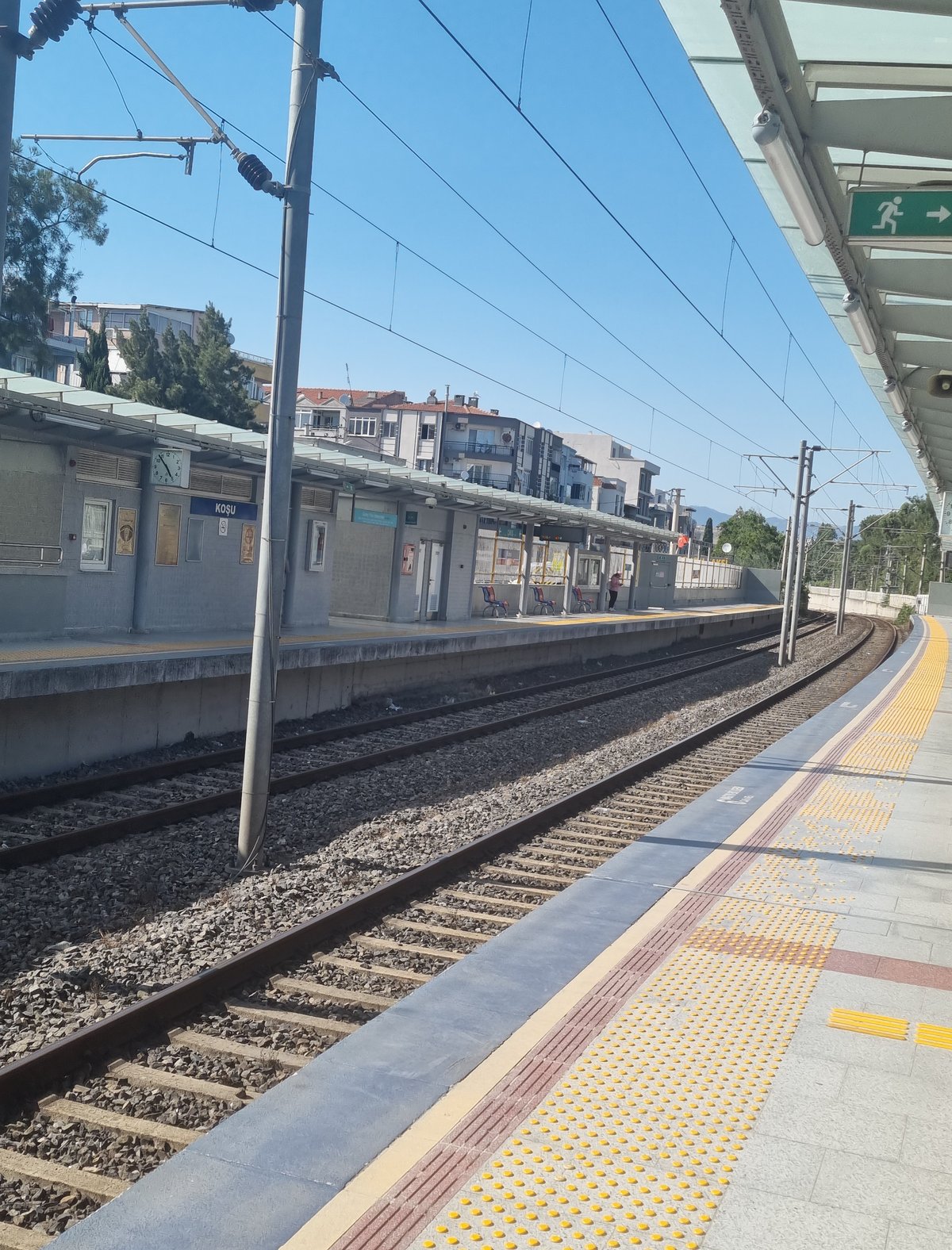
- Public Transport Short walk from Basmane metro and train stations; accessible by bus, tram, and metro.
- Parking Public parking lots are nearby, but street parking is limited.
(likecesme.com; artemisclinics.com)
Social and Cultural Context
İzmir: A Multicultural Foundation
As a city shaped by the coexistence of Turkish, Greek, Jewish, Armenian, and Levantine communities, İzmir has long been recognized for its liberal attitudes and vibrant arts scene (Adventure Backpack; Agenda21Culture). Against this backdrop, the museum celebrates the diversity and resilience of women’s experiences, from ancient times through the modern era.
Representation of Notable Women
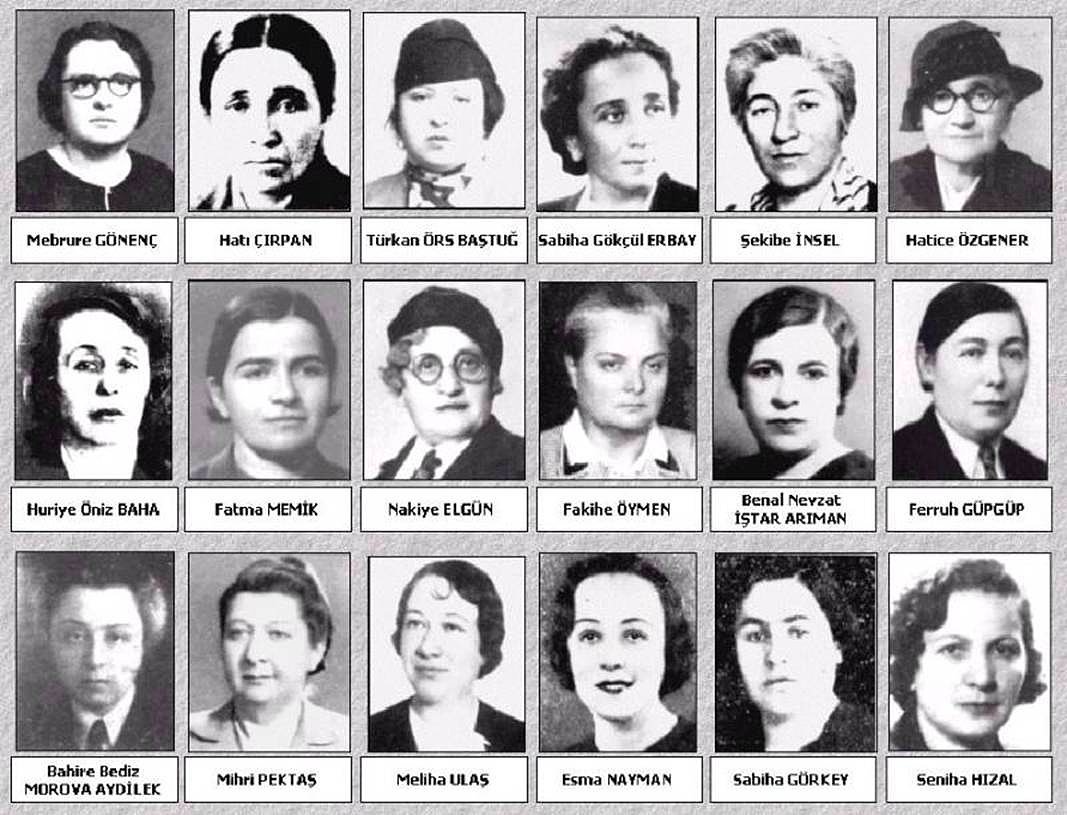
The museum honors pioneering Turkish women such as Halide Edip Adıvar (novelist and activist), Cahide Sonku (film director), Füreya Koral (ceramic artist), Afife Jale (stage actress), Nezihe Muhittin (feminist leader), Semiha Berksoy (opera singer), Bahriye Üçok (academic and activist), Türkan Saylan (physician and social activist), Keriman Halis Ece (Miss Universe 1932), and Süreyya Ağaoğlu (Turkey’s first female lawyer).
Architectural and Exhibition Features
Building Design and Layout
The mansion’s neoclassical façade, bay window, and ornate details reflect İzmir’s unique architectural blend. Inside, high ceilings, original woodwork, and decorative plaster create an elegant atmosphere, while the exhibition areas are thoughtfully organized for a logical visitor flow (turkishmuseums.com).
Garden and Outdoor Spaces
A tranquil garden extends the exhibition space, featuring busts and masks of notable women and a statue of Nâzım Hikmet. The garden offers a contemplative setting and underscores the museum’s commitment to celebrating women’s achievements in all spheres.
Events, Educational Programs & Visitor Experience
The museum regularly hosts:
- Lectures and Seminars With leading female figures from Turkey and abroad
- Art Exhibitions Featuring women artists
- Workshops and Panels On gender equality, health, empowerment, and cultural heritage
Educational resources, a library, and interactive installations further enrich the experience.
Facilities and Amenities
- Restrooms Available on-site
- Gift Shop Books, souvenirs, and crafts related to women’s history
- Photography Allowed in most areas (non-flash); check signage for restrictions
Language & Interpretation
Most exhibit labels are in Turkish, with limited English. Visitors may use translation apps or arrange local guides; some temporary exhibits provide bilingual materials (turkiyetraveler.com).
Nearby Attractions and Travel Tips
Combine your visit with these nearby sites:
- Agora of Smyrna Ancient Roman marketplace
- İzmir Clock Tower City symbol at Konak Square
- Kemeraltı Bazaar Traditional crafts and local cuisine
- İzmir Archaeological Museum and Atatürk Museum
(xixerone.com; visitturkey.in)
Tips:
- Allocate 1–2 hours for your visit
- Weekday mornings are less crowded
- Modest attire is recommended (globalhighlights.com)
Frequently Asked Questions (FAQ)
Q: What are the İzmir Women’s Museum visiting hours?
A: Tuesday to Sunday, 10:00 AM–6:00 PM. Closed Mondays and holidays.
Q: Is admission free?
A: Yes, entry is free for all visitors.
Q: Are guided tours available?
A: Yes, book in advance for group or individual tours.
Q: Is the museum wheelchair accessible?
A: Yes, with some limitations due to the historic building—contact ahead for details.
Q: Can I take photos?
A: Non-flash photography is permitted in most areas.
Q: What’s the best way to reach the museum?
A: Public transport via metro (Basmane station), bus, or tram. Parking is available nearby.