Place
İzmir
Turkey Updated Apr 2026
The first thing that strikes you in İzmir is the light — a hard, white Aegean glare that makes the 1901 clocktower look like it’s cut from tin. Turkey’s third-largest city feels nothing like Istanbul’s Ottoman grandeur or Ankara’s bureaucratic hush; instead, it smells of salt, grilled kumru bread, and the faint ozone of tram brakes. This is the country’s most secular metropolis, where women smoke on café terraces at noon and the call to prayer competes with buskers playing flamenco.
 Photo: Doğukan Koçan / Pexels
- Attractions
- 12
- Audio
- 8 h 52 min
- Trip length
- 3–5 days
- Best season
- Spring (April–May) & Autumn (Sept–mid-Oct)
Why İzmir
Built from cited sources · see the method · How we make our guides →
İzmir rewards pedestrians. Walk the kordon at sunset and you’ll see retirees playing backgammon with pieces older than the republic, while students share single beers stretched across three glasses. The city’s Greek, Jewish and Levantine layers survive in wrought-iron balconies, synagogue keys worn as pendants, and the daily boyoz pastry that Sephardic bakers still knead before dawn.
Behind the relaxed façade is a port that has always shipped ideas as much as goods. The graffiti-scratched agora stones record Roman debt disputes; Kadifekale’s walls incorporate Hellenistic drums carried uphill by medieval looters. Even the 1907 Asansör — a lift built so Jewish merchants could reach their cliff-top houses — still works, hauling you 51 m for the price of a tram ticket. İzmir doesn’t shout its history; it lets you overhear it.
Agora of Smyrna
3,000 pieces of Roman graffiti are carved into the basilica walls—shopping lists, love notes, and political rants frozen in 2nd-century marble. Stand in the drainage channel and you can still hear water rushing beneath your feet.Asansör Quarter
A 1907 lift built by a Jewish merchant hauls you 50 m up a cliff to a street named after Dario Moreno, whose crooned Turkish-Spanish hybrids echo from pastel balconies. Sunset turns the bay copper; the muezzin’s call drifts across synagogues and churches.Kemeraltı Back-Alleys
Duck into Kızlarağası Hanı’s courtyard and you’re inside a 1744 caravanserai where the air smells of cardamom and old brass. One stall sells Ottoman weights stamped ‘287 B.C.’—the year Smyrna first minted its own coins.Gediz Delta
Flamingos balance on salt pans 20 minutes from the city center; 289 bird species use this wetland as a migration pit-stop. Bring binoculars in April when the delta shimmers pink and the air tastes of sea iodine.
Places to Visit
Not every monument, just the ones we'd walk you past ourselves.
-
St. Stepanos Church St. Stepanos Church in İzmir stands as a remarkable testament to the rich Armenian Christian heritage embedded within the city’s multicultural tapestry.

-
Smyrna Nestled along Turkey’s picturesque Aegean coast, Smyrna—known today as İzmir—is a city where the echoes of antiquity resonate through vibrant modern streets.
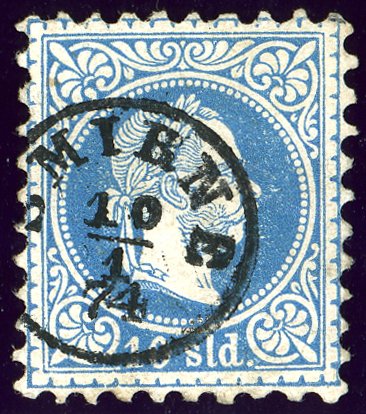
- İzmir Clock Tower The İzmir Clock Tower (İzmir Saat Kulesi), erected in 1901, stands as an emblematic monument and the beating heart of İzmir, Turkey.
- Atatürk Monument The Atatürk Monument in İzmir stands as a profound emblem of Turkey's modern identity and the visionary reforms introduced by Mustafa Kemal Atatürk, the…
- İzmir Archaeological Museum Nestled in the vibrant Konak district of İzmir, Turkey, the İzmir Archaeological Museum stands as a premier destination for those eager to explore the rich…
- Hisar Mosque Nestled in the vibrant heart of İzmir’s historic Kemeraltı Bazaar, the Hisar Mosque (Hisar Camii) stands as a monumental testament to Ottoman architectural…
- Başdurak Mosque Nestled in the vibrant heart of İzmir’s historic Kemeraltı Bazaar, Başdurak Mosque stands as a remarkable 17th-century Ottoman architectural gem and a living…
- İzmir Art and Sculpture Museum Situated in the vibrant city of İzmir, Turkey, the İzmir Art and Sculpture Museum (İzmir Resim ve Heykel Müzesi) serves as a pivotal cultural institution…
- Kültürpark Kültürpark İzmir stands as a remarkable urban oasis at the heart of İzmir, Turkey, embodying the city’s resilience, cultural richness, and vibrant community…
Neighborhoods
Where to wander, by quarter — each with its own rhythm.
Alsancak
After dark, the 19th-century kordon mansions turn into a continuous terrace of raki glasses and indie bands. Second-hand bookstalls line the tram track by day; by 11 p.m. the same strip smells of grilled octopus and teenage perfume. Head to the back streets for rePUBlic’s craft beers or a 3 a.m. kokoreç sandwich dispensed from a cart older than its clientele.Konak
The city’s administrative gut beats inside a traffic circle: 25 m of marble clocktower, pigeons that commute between mosque domes, and Kemeraltı’s 5-km bazaar canopy. Duck into Kızlarağası Hanı’s courtyard for cardamom coffee thick as mud, then emerge clutching copperware you didn’t know you needed. Friday mornings the square fills with bureaucrats in sharp suits and grandmothers in floral headscarves bargaining for dill.Karşıyaka
Across the bay, ferries dock every 20 minutes beside a statue of a left-footed footballer — locals still leave scarlet carnations there after wins. The waterfront is stroller territory: ice-cream vendors ring bells tuned to the five notes of the Turkish scale, and meyhanes serve 21-plate rakı spreads while the sun drops behind the Greek island you can almost touch. Rent a bike and ride 4 km north to Bostanlı’s night market for midye dolma eaten on the breakwater.Karataş
Jewish-built houses climb so steeply that streets turn into staircases. Dario Moreno Street is three pastel facades wide; a retired opera singer sometimes leans from a balcony to test acoustics against the Asansör’s brick shaft. Ride the lift at dusk — the gulf flashes like molten tin, and the muezzin’s cadence floats up from eight minarets below.Balçova
Roman legions soaked here first; now it’s thermal pools inside shopping-mall basements. The cable car to the hilltop restaurant swings you over pine tops and satellite dishes for 5 km — worth it for the tray of sıcak lokma dripping syrup you’ll eat at the summit while watching container ships queue for the port.Urla
Half an hour west, the asphalt gives way to vineyard dust and signs warning of wild boar. This is İzmir’s unadvertised gastronomy belt: seven boutique wineries within 12 km, each pouring tannat into glasses etched with the longitude of the vine row. Lunch means sea bream roasted in a brick oven built by a Syrian mason in 2016; dinner might be lamb tongue söğüş paired with a 2019 pet-nat that tastes like quince lightning.
Plan your trip
Before you go
- Getting There
- Adnan Menderes Airport (ADB) sits 17 km south; the İZBAN commuter rail reaches Alsancak in 25 minutes for 18 TRY. Inter-city trains terminate at Alsancak and Basmane stations; the O-5 and O-31 motorways feed directly from Istanbul and Ankara.
- Getting Around
- One rechargeable İzmirim Kart (13 TRY in 2026) unlocks Metro (1 line), two modern trams (Konak & Karşıyaka), ferries, and 400+ ESHOT buses. Cycle the 7 km Kordonboyu path; rentals from nextbike cost 15 TRY per 30 min.
- Climate & Best Time
- Spring (Apr–May) 12–25 °C and autumn (Sep–Oct) 15–28 °C give clear skies before the November rains. July–August peaks at 34 °C and zero rainfall; winter hovers 4–12 °C with December downpours of 140 mm. Aim for late April or mid-October to dodge crowds and heat.
- Safety
- Taxis must use the meter—refuse ‘fixed-price’ offers from airport touts. Stray dogs are vaccinated and tagged, but keep distance. Tap water is chlorinated; still, stick to sealed 0.5 l bottles for 4 TRY.
Where the Aegean Met the World
Five millennia of ships, saints, and seismic reinvention
- c. 3000 BCE
First Smyrna Rises
Fishermen drag their boats onto the mudflats at Bayraklı and stay. The hilltop huddle of mud-brick becomes ‘Old Smyrna’, a watched-for settlement guarding the deepest inlet on the Aegean coast. Pottery shards left in child graves show they already traded with Cyprus and the Levant.
- c. 750 BCE
Homer Sings the Coast
A blind bard called Homeros—claimed by Smyrna, Chios, and half the Aegean—composes lines that will outlast empires. Whether he walked these streets or only heard of them, the city keeps his name in its mouth for the next three thousand years.
- 334 BCE
Alexander’s Surveyors Climb Pagos
After the Macedonians scatter the Persians, Alexander’s engineers pace the slopes of Kadifekale and decide the acropolis should move uphill. Foundations are pegged for a new grid—broad enough for catapults and markets. Smyrna will never again hug the shore alone.
- c. 195 BCE
Polycarp’s Ashes Smoulder
Eighty-six-year-old bishop Polycarp is burned in the stadium for refusing to curse Christ. Witnesses say the flames bend away, leaving him unmarked until a dagger ends the spectacle. His grave outside the western gate becomes the first Christian magnet in Ionia.
- 178 CE
The Agora Rebuilt in Marble
After the quake of 178, Marcus Aurelius foots the bill for a new civic square. Forty-two shops, a three-aisled basilica, and drainage you can still walk through rise in three years. Graffiti of gladiators and love poems are scratched into the portico while the marble dust hangs in the air.
- 1081
Çaka Bey Hoists the Crescent
Turkoman corsair Çaka Bey sails into the gulf, builds shipyards on the inner harbour, and declares Smyrna the capital of his seaborne beylik. For the first time the call to prayer drifts over the theatre where Polycarp died. The Genoese keep a wary trading post behind triple gates.
Show the full timeline (19 moments)
- 1402
Tamerlane’s Cavalry Breach the Walls
The Mongol warlord camps on the Meles River and accepts the city’s surrender, then changes his mind. Three thousand defenders are buried alive; the harbour chain is melted into tent pegs. Smyrna’s first Ottoman garrison is erased before it can send a single tribute coin to Bursa.
- 1424
Ottoman Customs House Opens
Sultan Mehmet I re-annexes the ruined port. The first Ottoman registrar counts only 304 hearths, but the harbour dues on olive oil and mastic soon triple Bursa’s forecasts. A mosque rises inside the shell of a Byzantine church; cypress saplings are planted along the new quay.
- July 1688
Twin Quakes Flatten the City
At dawn the ground liquefies; minarets snap like reeds. A second shock at dusk finishes what the first spared. European consuls write of ‘a universal cry rising from the rubble like a flock of startled gulls’. Rebuilding takes thirty years and redraws every street narrower.
- 1744
Kızlarağası Han Opens for Business
Ottoman governor Kurtoğlu Hüseyin Pasha completes a caravanserai so grand it hosts 600 camels. Merchants from Marseilles to Isfahan haggle under its 42 domes; the scent of coffee and camphor drifts into the Kemeraltı lanes that spider outward from its gates.
- c. 1840
Onassis Birth-Cry on the Waterfront
In a timber house smelling of pine tar and currants, Socrates Onassis welcomes a son, Aristotle. The boy will grow up counting fig crates before the family flees the 1922 fire. He’ll return only in memory, but the harbour where he learned arithmetic will finance the world’s largest private fleet.
- 1901
Clock Tower Gifts the City Time
To mark 25 years of Abdülhamid II’s rule, a French architect plants a 25-metre limestone tower in Konak Square. Its four fountains cool the air for tram passengers; the bell chimes in F-sharp, the same pitch as the Great Mosque’s final call to prayer. İzmir finally has a meeting point no one can miss.
- 1921
Darío Moreno Born in the Asansör Quarter
A Jewish mother names her son David Arugete in a one-room house clinging to the cliff. He will trade the steep lanes for Parisian stages, but keep the city’s accent in every French chanson. Decades later, the elevator street will take his stage name.
- 9–15 Sept 1922
The Great Fire of Smyrna
As the Greek administration collapses, flames leap from the Armenian quarter to the European consulates. Refugees crowd the quay; the sea itself burns when fuel cisterns explode. Within a week 30,000 homes are ash and the cosmopolitan city that spoke six languages is reduced to two: Turkish and silence.
- 9 Sept 1922
Liberation Day
At 10:05 a.m. Turkish cavalry ride into the smoking city. A photographer captures the flag raised over the Customs House—still smouldering. The date becomes İzmir’s heartbeat; every year sirens freeze traffic for two minutes of collective memory.
- 1954
Sezen Aksu’s Voice Cracks the Airwaves
Born in Sarayköy but raised on the Alsancak ferry docks, Sezen Aksu records her first 45 rpm single at 20. Her vibrato carries the salt smell of the gulf into every Turkish household. She will reinvent pop and protest in the same breath, making İzmir the unofficial capital of Turkish songwriting.
- 1974
Kordonboyu Becomes Pedestrian
Traffic is banished from the waterfront. Bicycles replace trams, and families reclaim the sea breeze that used to be laced with diesel. The move is ridiculed as romantic—until property values double and cafés sprout like dandelions.
- 30 Oct 2020
Samos Quake Rattles Bayraklı
A 6.9-magnitude rupture under the Aegean flattens new apartment blocks in the northern suburbs. Rescue teams dig for 102 hours; the smell of crushed concrete mingles with autumn jasmine. Reconstruction debates ignite over building amnesties that let concrete bloom faster than history could warn.
- 2023
UNESCO Labels the Port City
Kemeraltı Bazaar and Kadifekale are placed on the Tentative List. The designation doesn’t change the price of olives, but overnight every cracked mosaic and crooked chimney becomes a potential world treasure. Conservationists and landlords begin a quiet, decade-long chess game.
Who lived here
-
Epic Poet · 8th c. BC
Homer
Born in Smyrna (per Ionian tradition)
They say he sang the first lines of the Iliad while watching ships slip past the promontory; today the city’s literature festival still opens with a dawn reading on the same rocks. One wonders if he’d recognise the salt smell that lingers over Kordonboyu.
-
Shipping Magnate · 1906–1975
Aristotle Onassis
Born in Karataş quarter
He learnt to count profits by tracking fig crates on the old wharf before the 1922 fire sent his family to Greece. Return today and the cruise terminal bears his name—an echo of the boy who watched steamers from a rooftop on Dario Moreno Street.
-
Singer-Songwriter · born 1954
Sezen Aksu
Raised in Narlıdere hills
Her first gigs were student nights in Bornova pubs where she tested lyrics on tables of skeptical sailors. The city’s breeze still sneaks into every chorus—listen for the gull-cry modulation she calls ‘İzmir havası.’
-
Turkish-Jewish Crooner · 1921–1968
Darío Moreno
Born in Karataş, sang in French cafés
He left for Paris with a suitcase and a oud, but kept mailing wages home to repair the lift that carried neighbours up the cliff. The street now named after him smells of cardamom coffee and plays his ‘Copacabana’ on repeat every sunset.
-
Bishop & Martyr · c. 69–155 AD
Polycarp of Smyrna
Taught in the agora basilica
Refused to burn incense to the emperor and was tied to a stake in Kadifekale stadium; the flames bent away, so they used a dagger instead. Pilgrims still light candles where the agora’s drainage channel once carried his ashes downhill to the sea.
-
Archaeologist · 1911–2002
Ekrem Akurgal
Excavated Old Smyrna for 40 years
He pulled the first geometric pots from Bayraklı mound in 1948 and kept digging through earthquakes and funding collapses. Stand at the site today and you’ll see his wooden shack preserved exactly as he left it—tea glass ring still on the desk.
Where to Eat
Where locals actually book dinner — not the tourist menus.
Insider tips
Small things that change how the city treats you.
İzmirim Card First
Buy the reloadable İzmirim Card at the airport metro station; it cuts all bus, ferry and tram fares by ~40 % and works on the 40-min İZBAN ride into town.Skip Bazaar Touts
Inside Kemeraltı, ignore strangers who offer to ‘show you the best carpet shop’; they earn 30 % commission and prices triple the moment you follow.Boyoz Before 10 am
The Sephardic pastry boyoz is only sold fresh until mid-morning; order it with a hard-boiled egg and a glass of tea at any neighbourhood bakery for 20 ₺.Sunset at Asansör
The 1907 lift is free after 19:00; go up for the full orange-to-indigo sweep over the gulf and then walk Dario Moreno Street while the fairy-lights flick on.Tap Water Rule
Locals still avoid tap water because the 2020 earthquake cracked old pipes; stick to the 5-litre bottles every corner shop sells for 6 ₺.
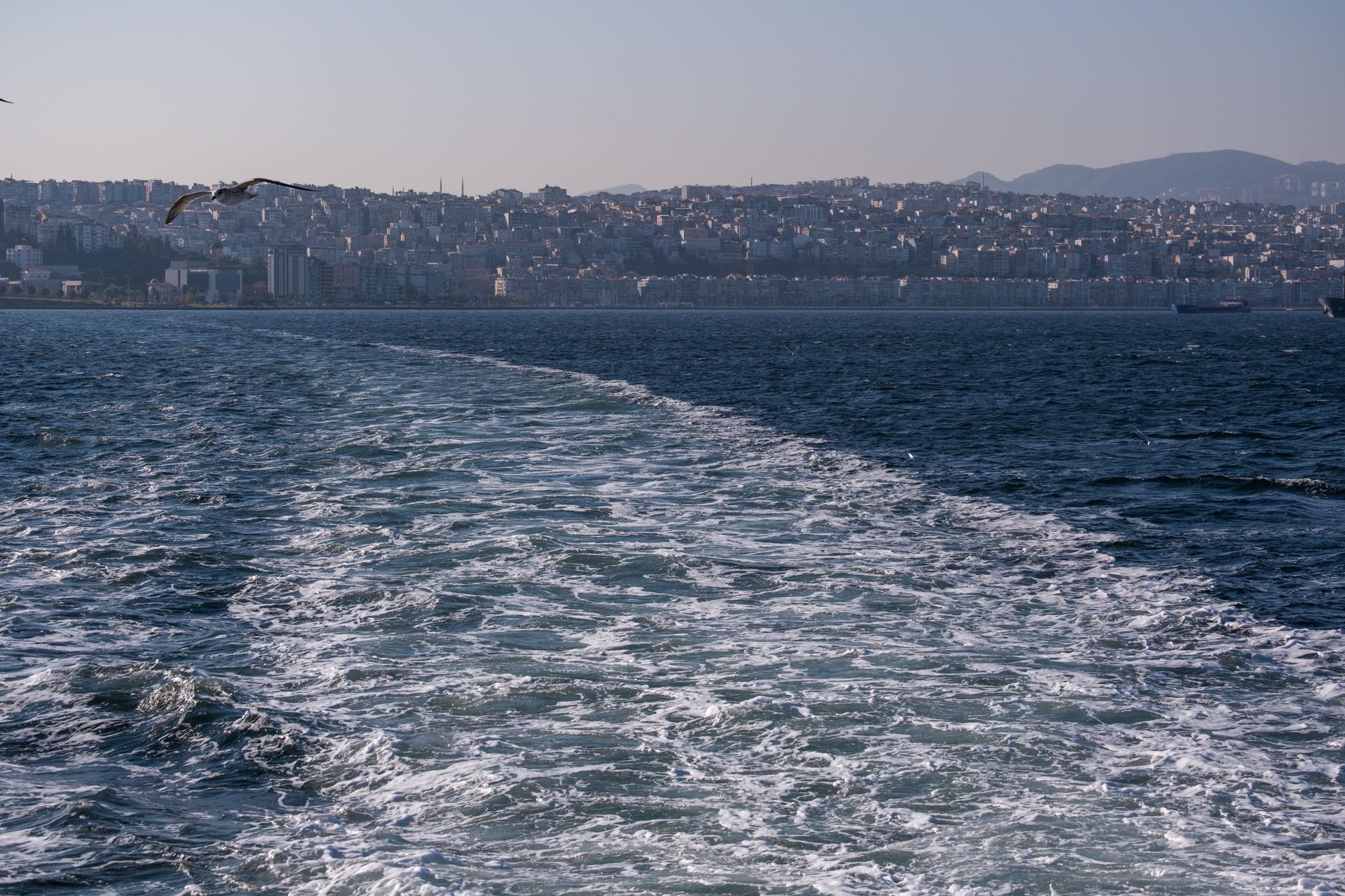
Gallery
The city, as it actually looks.



Frequently asked
Is İzmir worth visiting instead of Istanbul?
Yes, if you want Turkey’s most walkable seafront, UNESCO-listed Roman agora and zero cruise-ship crowds. İzmir is cheaper, calmer and far easier to navigate—yet Ephesus and wine-country vineyards are day-trip-close.
How many days do I need in İzmir?
Three full days: one for the bazaar-clock tower-promenade triangle, one for Pergamon or Ephesus, one for Urla wineries or Çeşme beaches. Add two more if you’re serious about Aegean food and late-night Alsancak gigs.
What’s the cheapest way from Adnan Menderes Airport to the centre?
İZBAN commuter rail costs 22 ₺ and reaches Alsancak in 38 minutes. Havaş bus is 30 ₺ but can sit in traffic; a taxi meter starts at 15 ₺ and climbs to 300 ₺ by Konak.
Is İzmir safe for solo female travellers?
Generally yes—alcohol is served openly, dress is secular and streets stay busy till midnight. Take normal precautions: use official yellow taxis at night and ignore over-friendly guides in Kemeraltı.
When should I avoid İzmir?
Late July–August when concrete radiates 38 °C heat and every terrace is packed. December is wettest (140 mm rain), but hotel prices drop 40 % and the agora looks moody under storm clouds.
All Places to Visit.
70 places to discover
Place
Atatürk Monument
Place
St. Stepanos Church
Place
İzmir Archaeological Museum
Place
Hisar Mosque
Place
Smyrna
Place
Başdurak Mosque
Place
İzmir Art and Sculpture Museum
Place
Kültürpark
Place
Bostanlı Open-Air Archaeological Museum
Place
İzmir Toy Museum
Place
Atatürk, His Mother and Women'S Rights Monument
Place
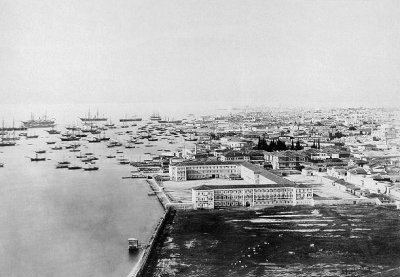
Konak Square
Place
Salepçioğlu Mosque
Place
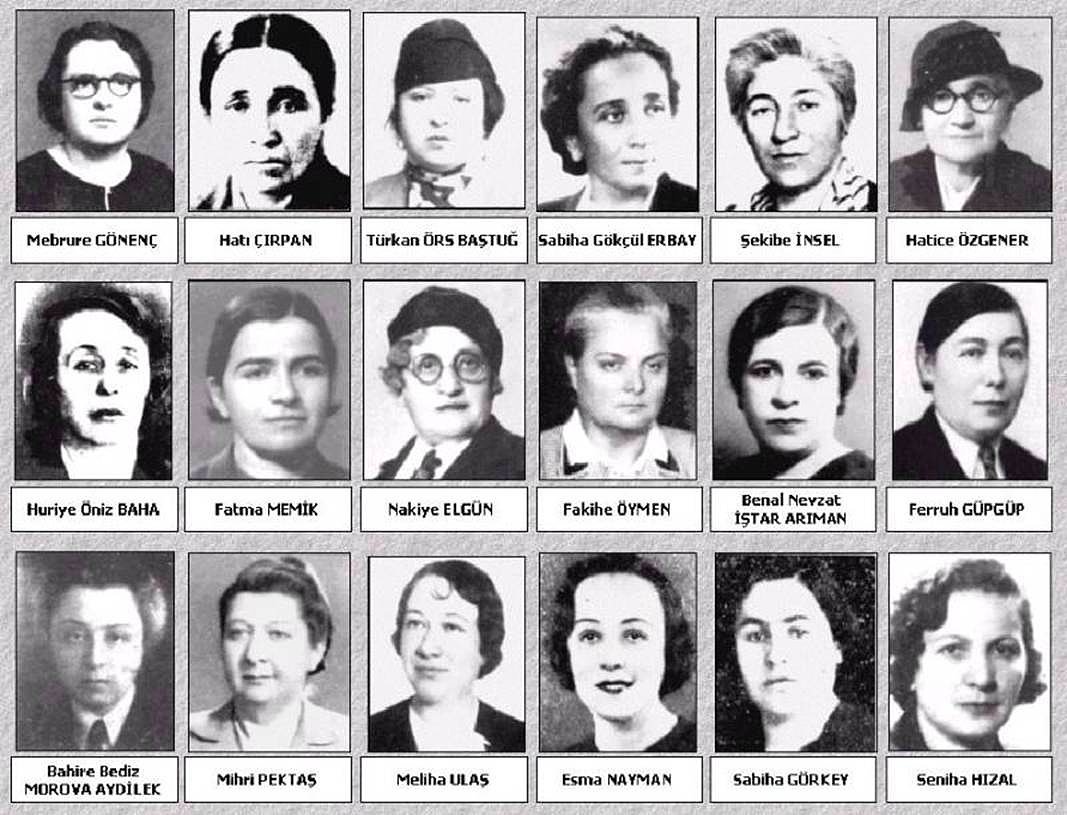
İzmir Women'S Museum

Place
Cumhuriyet Square
Place
İzmir Park Racing Circuit
Place
İzmir Museum of History and Art

Place
Latife Hanım Memorial House
Place
Human Rights Monument
Place
İzmir State Theatre Konak Stage
Place
St. John'S Cathedral
Place
First Bullet Monument
Place
St. John the Evangelist'S Anglican Church
Place
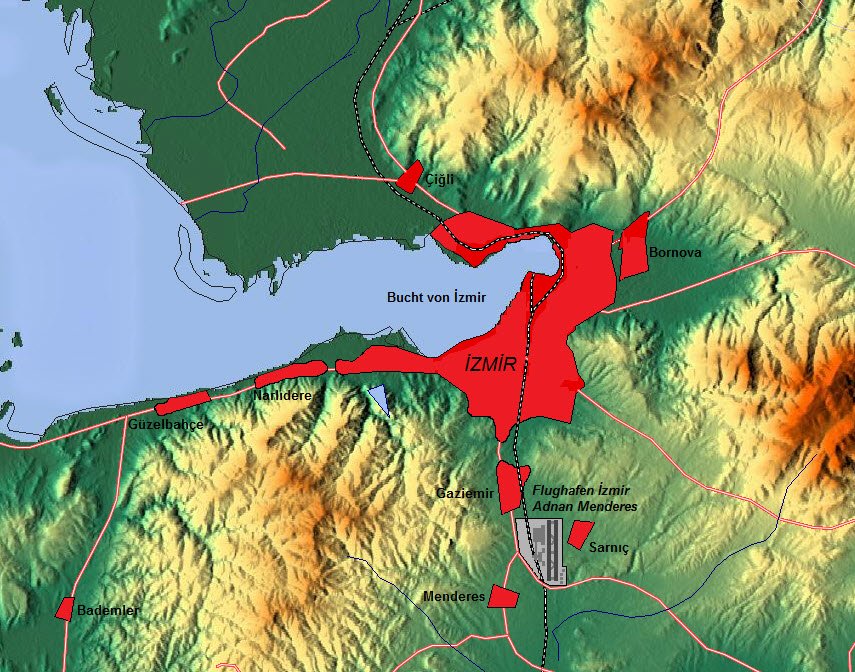
İzmir Adnan Menderes Airport
Place
Alsancak Mustafa Denizli Stadium
Place
İzmir Atatürk Stadium
Place
İzmir Atatürk Sport Hall
Place
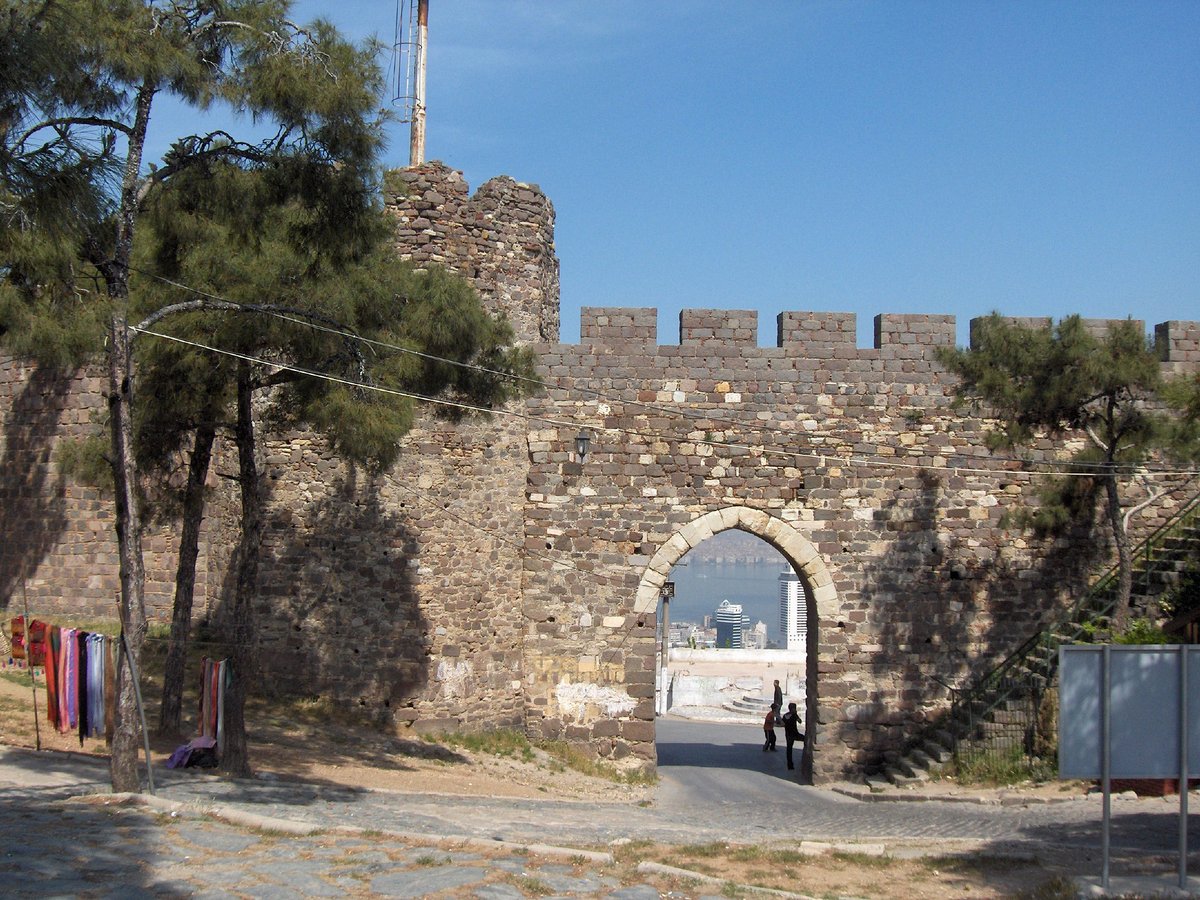
Kadifekale
Place
Motorway 30
Place
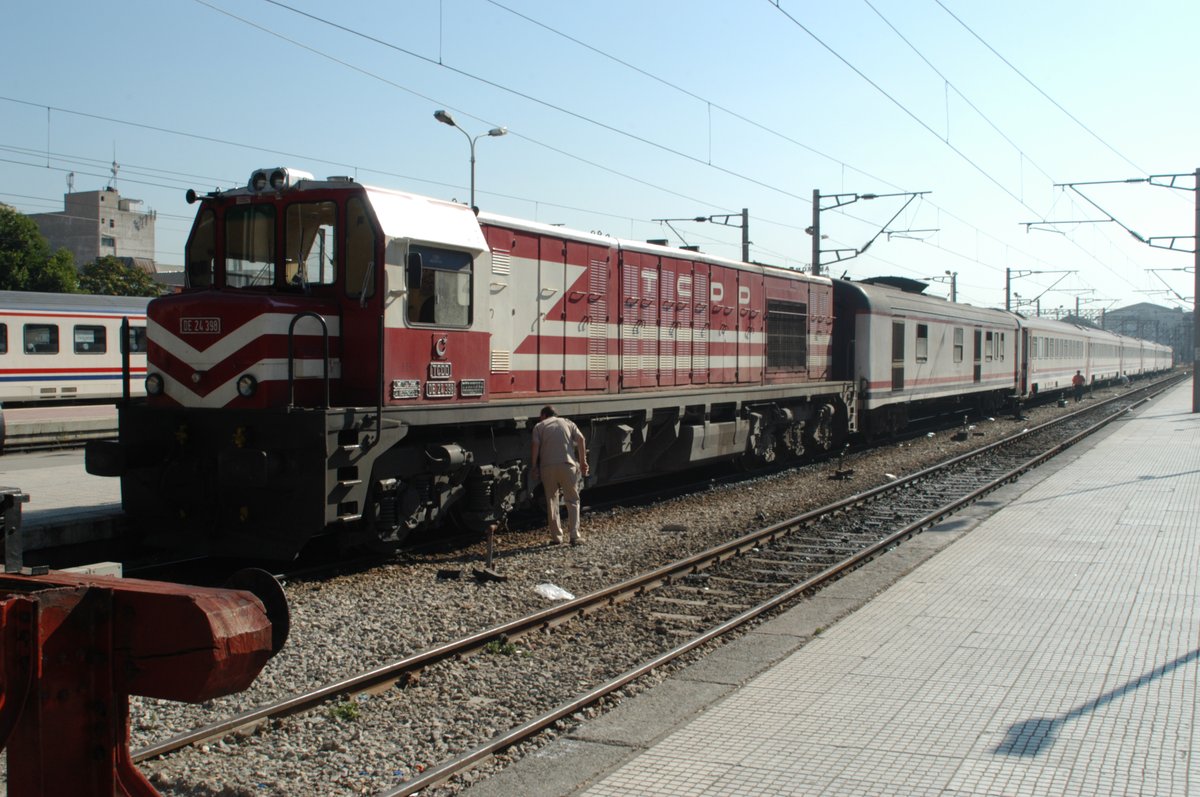
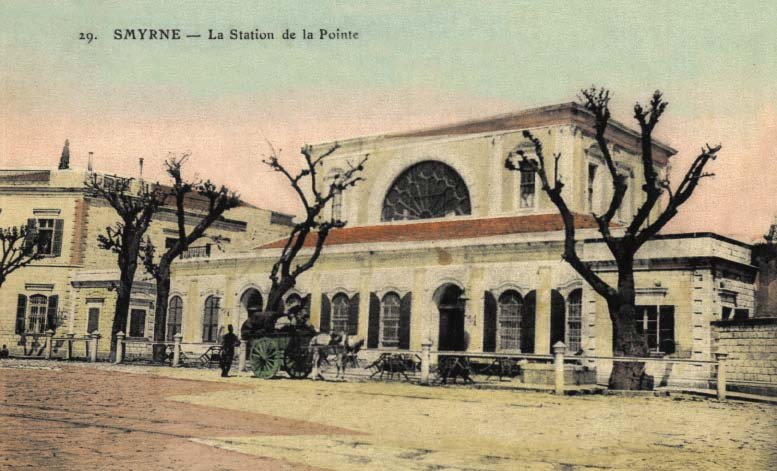
Basmane Railway Station
Place
Alsancak Railway Station

Place
Agora of İzmir
Place
Karşıyaka Arena
Place
Avrasya Anı Evi

Place
Uşakizade Mansion

Place
Fuar İzmir
Place
Buca Arena
Place
Tree of the Republic

Place
Konak Ferry Terminal
Place
Gaziemir Railway Station
Place
Bornova Railway Station
Place
Ahmet Piriştina City Archives and Museum
Place
Alaybey Railway Station
Place
Ata Sanayi Railway Station
Place
Bayraklı Railway Station
Place
Bölge
Place
Çiğli Railway Station
Showing 1–48 of 70 places
Pick up where you left off
Saved and recently read places — kept on this device only.
Photo credits (10)
- Doğukan Koçan — Pexels License (https://www.pexels.com/license/) — Source: https://www.pexels.com/photo/34447864/
- Ahmet Yılmaz — Pexels License (https://www.pexels.com/license/) — Source: https://www.pexels.com/photo/36520565/
- Nesrin Öztürk — Pexels License (https://www.pexels.com/license/) — Source: https://www.pexels.com/photo/12765209/
- Doğan Alpaslan Demir — Pexels License (https://www.pexels.com/license/) — Source: https://www.pexels.com/photo/18646386/
- Hakan Demir — Pexels License (https://www.pexels.com/license/) — Source: https://www.pexels.com/photo/37067001/
- Doğukan Koçan — Pexels License (https://www.pexels.com/license/) — Source: https://www.pexels.com/photo/34447873/
- Doğan Alpaslan Demir — Pexels License (https://www.pexels.com/license/) — Source: https://www.pexels.com/photo/29214690/
- Ahmoudou Mohamed — Pexels License (https://www.pexels.com/license/) — Source: https://www.pexels.com/photo/37007260/
- OMAR — Pexels License (https://www.pexels.com/license/) — Source: https://www.pexels.com/photo/36998345/
- Doğan Alpaslan Demir — Pexels License (https://www.pexels.com/license/) — Source: https://www.pexels.com/photo/29214816/
Photos may have been resized or cropped.