Plan and listen to Zeyrek Mosque with Audiala.
Audio guide in your pocket, itinerary in your browser. Built for the way you actually visit.
Introduction
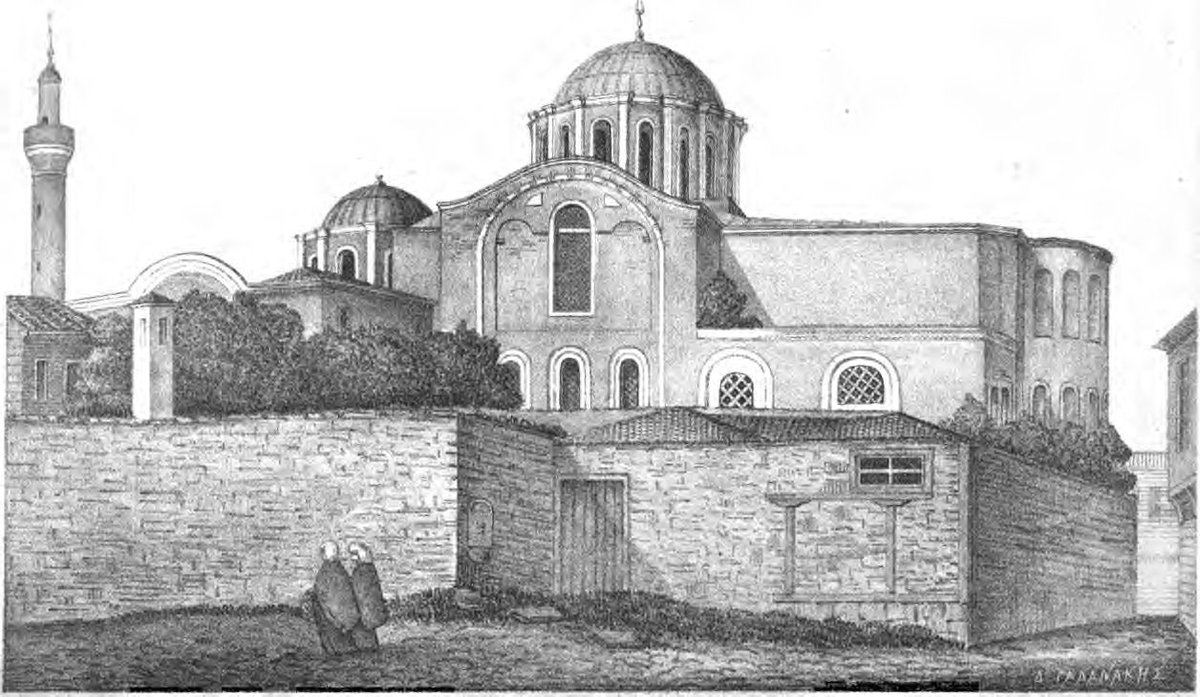
Zeyrek Molla Cami, also known as the Monastery of the Pantokrator, is a monumental historical and architectural site located in Istanbul, Türkiye. This mosque, which dates back to the 12th century, was originally constructed as a Byzantine monastery dedicated to Christ Pantokrator. Founded by Emperor John II Komnenos and his wife, Empress Irene, the complex stands as one of the most significant remnants of Byzantine architecture in the city. Following the Ottoman conquest of Constantinople in 1453, the monastery was converted into a mosque by Sultan Mehmed II, marking a significant cultural and religious transformation (Istanbul Clues).
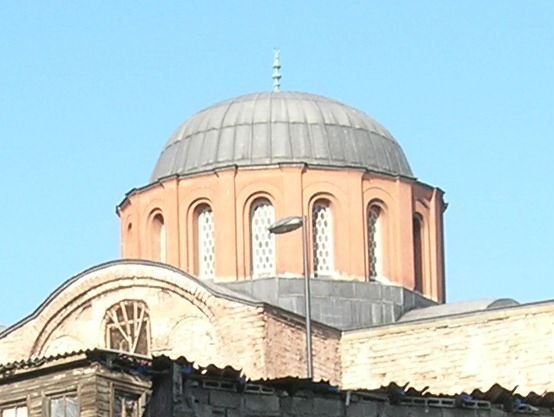
Architecturally, Zeyrek Molla Cami is renowned for its unique blend of Byzantine and Ottoman elements. The original structure, featuring a cross-in-square plan and intricate mosaics, was preserved and complemented with Ottoman additions such as the mihrab and minbar. This fusion of styles makes the mosque a remarkable example of Istanbul's rich and diverse architectural heritage (The Byzantine Legacy).
In addition to its architectural significance, Zeyrek Molla Cami holds immense cultural and religious value. It served as a center of Orthodox Christian worship and later as a significant Islamic place of worship. Today, it stands as a testament to the city's historical evolution and cultural syncretism. This guide aims to offer comprehensive insights into the history, visiting hours, ticket information, travel tips, and nearby attractions of Zeyrek Molla Cami, providing a valuable resource for anyone planning to visit this historic site.


History of Zeyrek Molla Cami
Byzantine Origins
Zeyrek Molla Cami, originally known as the Monastery of the Pantokrator, is one of the most significant Byzantine structures in Istanbul. Constructed between 1118 and 1136 during the reign of Emperor John II Komnenos and his wife, Empress Irene, the complex was initially a monastic institution dedicated to Christ Pantokrator, meaning "Christ Almighty." The monastery served as a religious, cultural, and educational center, with a church, a library, and a hospital reflecting its multifaceted role in Byzantine society (The Byzantine Legacy).
Architectural Significance
The architectural design of the Monastery of the Pantokrator is a testament to the advanced engineering and artistic skills of the Byzantine era. The complex originally consisted of three interconnected churches, each with its own unique features. The central church, dedicated to Christ Pantokrator, is the largest and most ornate, featuring a cross-in-square plan typical of Byzantine ecclesiastical architecture. The southern church, dedicated to the Virgin Eleousa, and the northern church, dedicated to Saint Michael, were added later, creating a unified yet diverse architectural ensemble (ArchNet).
Ottoman Transformation
Following the Ottoman conquest of Constantinople in 1453, the Monastery of the Pantokrator was converted into a mosque by the order of Sultan Mehmed II. Renamed Zeyrek Molla Cami, the complex underwent several modifications to suit its new function as a place of Islamic worship. The Ottomans added a minaret, mihrab, and minbar, while preserving much of the original Byzantine structure. This transformation is a prime example of the cultural and architectural syncretism that characterizes Istanbul's historical landscape (Daily Sabah).
Restoration Efforts
Over the centuries, Zeyrek Molla Cami experienced periods of neglect and deterioration. Recognizing its historical and architectural significance, extensive restoration efforts have been undertaken in recent years. The Turkish Ministry of Culture and Tourism, in collaboration with international organizations, has spearheaded these efforts to preserve the mosque's unique heritage. Restoration work has focused on structural stabilization, conservation of original Byzantine mosaics and frescoes, and the repair of Ottoman-era additions (UNESCO).
Cultural and Religious Significance
Zeyrek Molla Cami holds a special place in both Byzantine and Ottoman history. For the Byzantines, the Monastery of the Pantokrator was a symbol of imperial piety and a center of learning and healthcare. For the Ottomans, the conversion of the monastery into a mosque symbolized the continuity and transformation of Istanbul's religious landscape. Today, Zeyrek Molla Cami stands as a monument to the city's rich and diverse cultural heritage (Istanbul Clues).
Visitor Information
Visiting Hours
Zeyrek Molla Cami is open to visitors daily from 9:00 AM to 6:00 PM. It is advisable to check for any changes in opening hours during religious holidays or special events.
Ticket Prices
Entry to Zeyrek Molla Cami is free of charge. However, donations are welcome to support ongoing restoration and maintenance efforts.
Travel Tips
- Getting There: Zeyrek Molla Cami is located in the Zeyrek neighborhood, a UNESCO World Heritage Site. It is easily accessible by public transportation, including buses and trams. The nearest tram stop is Laleli-Üniversite, a short walk from the mosque.
- Best Time to Visit: Mornings are ideal for a peaceful visit, with fewer crowds and better lighting for photography.
- Dress Code: Modest attire is required for entry. Visitors should cover their shoulders and knees, and women should wear a headscarf.
Nearby Attractions
- Süleymaniye Mosque: Another architectural masterpiece, located nearby, offering stunning views of the city.
- Grand Bazaar: One of the largest and oldest covered markets in the world, perfect for a shopping spree.
- Spice Bazaar: A vibrant market filled with exotic spices, sweets, and local delicacies.
Special Events and Guided Tours
Zeyrek Molla Cami offers guided tours that provide in-depth historical and architectural insights. Special events, including religious ceremonies and cultural festivals, are held throughout the year, enriching the visitor experience.
FAQ
What are the visiting hours for Zeyrek Molla Cami?
The mosque is open daily from 9:00 AM to 6:00 PM. Check for any changes during holidays or special events.
Is there an entry fee for Zeyrek Molla Cami?
No, entry is free, but donations are appreciated to support restoration efforts.
How do I get to Zeyrek Molla Cami?
The mosque is located in the Zeyrek neighborhood and is accessible by public transportation. The nearest tram stop is Laleli-Üniversite.
What should I wear when visiting Zeyrek Molla Cami?
Modest attire is required. Shoulders and knees should be covered, and women should wear a headscarf.
Tickets & tours.
These are guided options from our partners — same price as booking direct.
Prices are indicative — final pricing and availability are confirmed at checkout. Audiala may earn a commission from bookings made through these links.
Listen to the full story in the app
The whole Zeyrek Mosque,
told well.
Audio guides for 1,100+ cities across 96 countries. History, stories, and local insight — offline ready.
Verified, and shown.
Researched and written by the Audiala editorial team from historical records, architectural archives, and local expertise.
Researched from Wikidata, Wikipedia & official sources · fact-checked · How we make our guides →