Plan and listen to Yıldız Palace with Audiala.
Audio guide in your pocket, itinerary in your browser. Built for the way you actually visit.
Introduction
Yıldız Palace is one of Istanbul’s most illustrious landmarks, embodying the grandeur and intricacy of the late Ottoman Empire. Perched atop Yıldız Hill in the bustling Beşiktaş district, this expansive palace complex invites visitors to step into a world of imperial history, architectural splendor, and lush gardens. Originally a royal hunting ground in the 16th century, the site developed into a majestic residence and administrative center, particularly under Sultan Abdülhamid II in the late 19th century. Following more than a century of limited access, Yıldız Palace reopened to the public in 2024 and has quickly become a must-visit destination. This guide provides essential information on the palace’s history, architectural highlights, visiting hours, ticketing, practical tips, and nearby attractions.
For current updates, consult the Turkish Ministry of Culture and Tourism and the National Palaces Directorate.

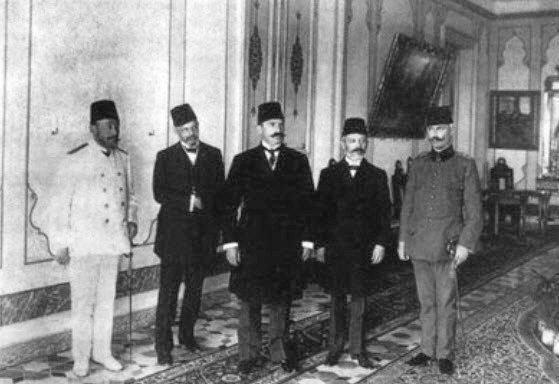
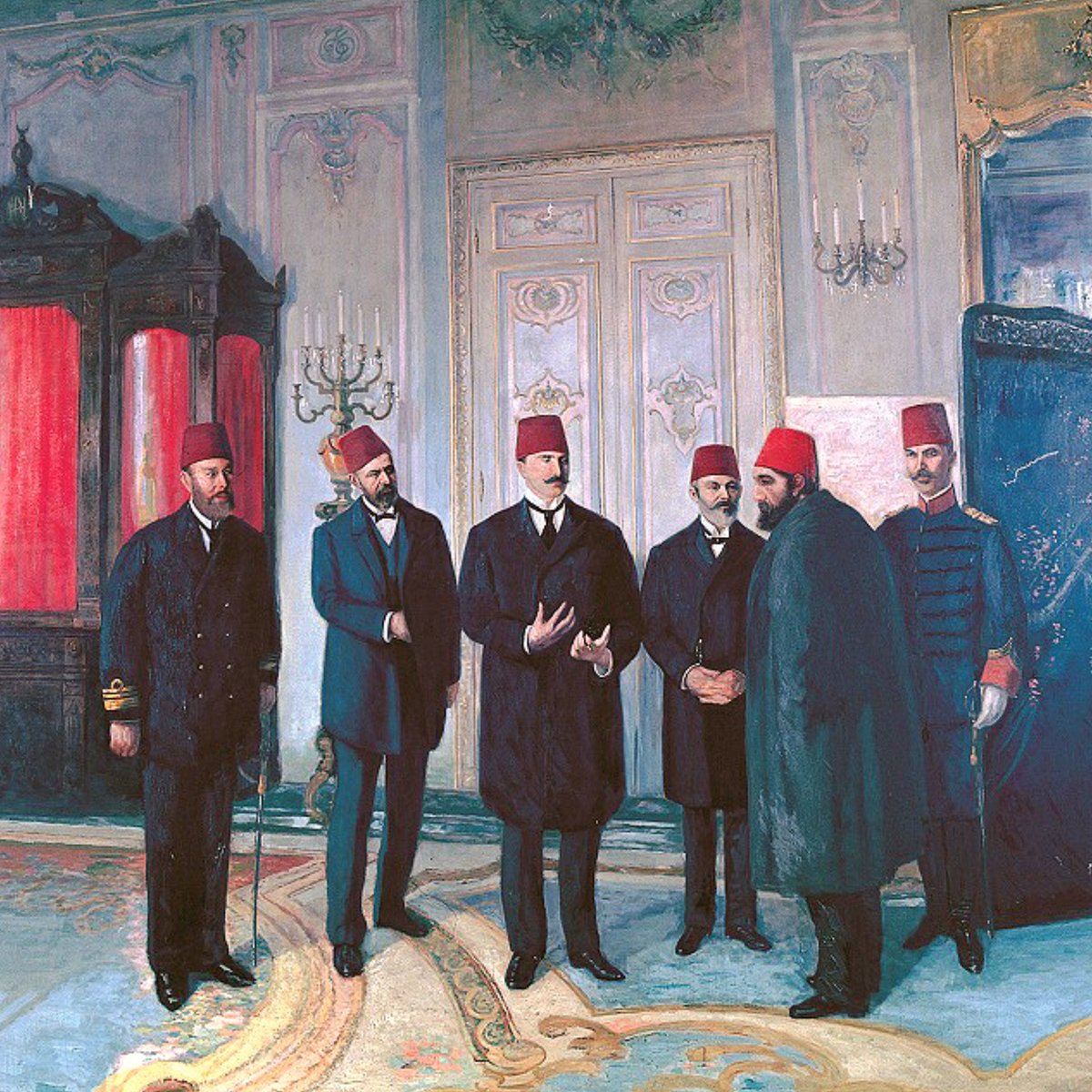
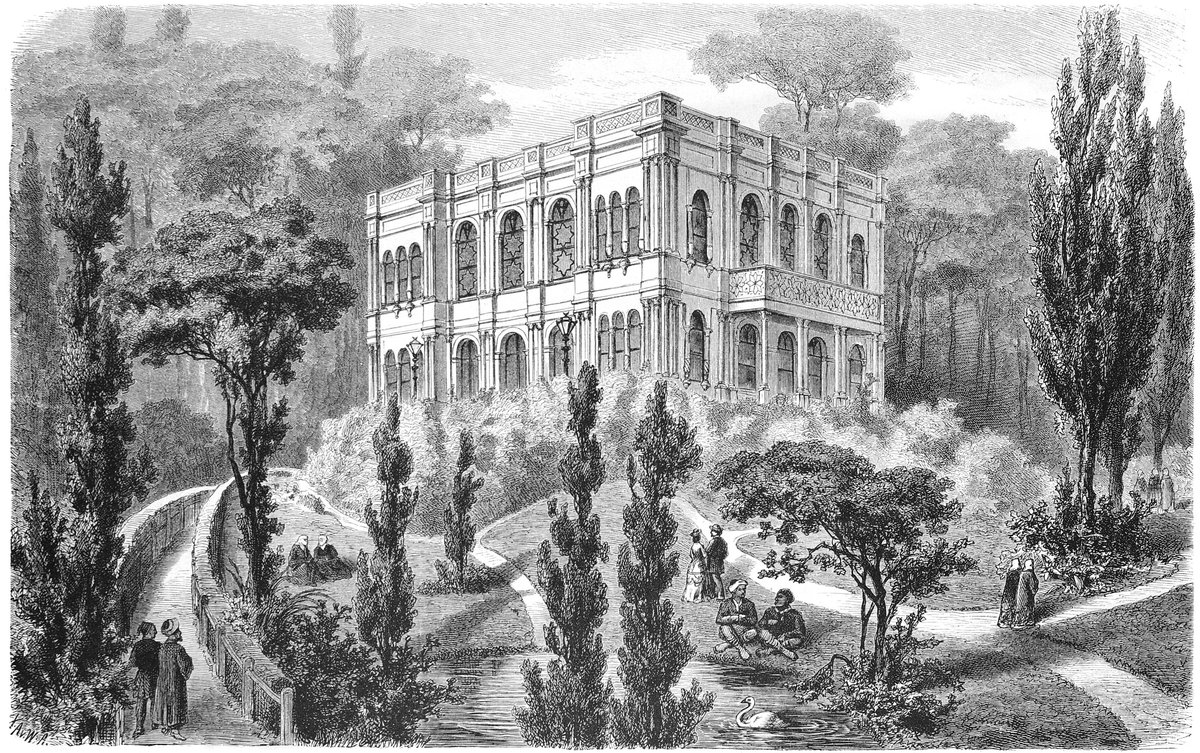
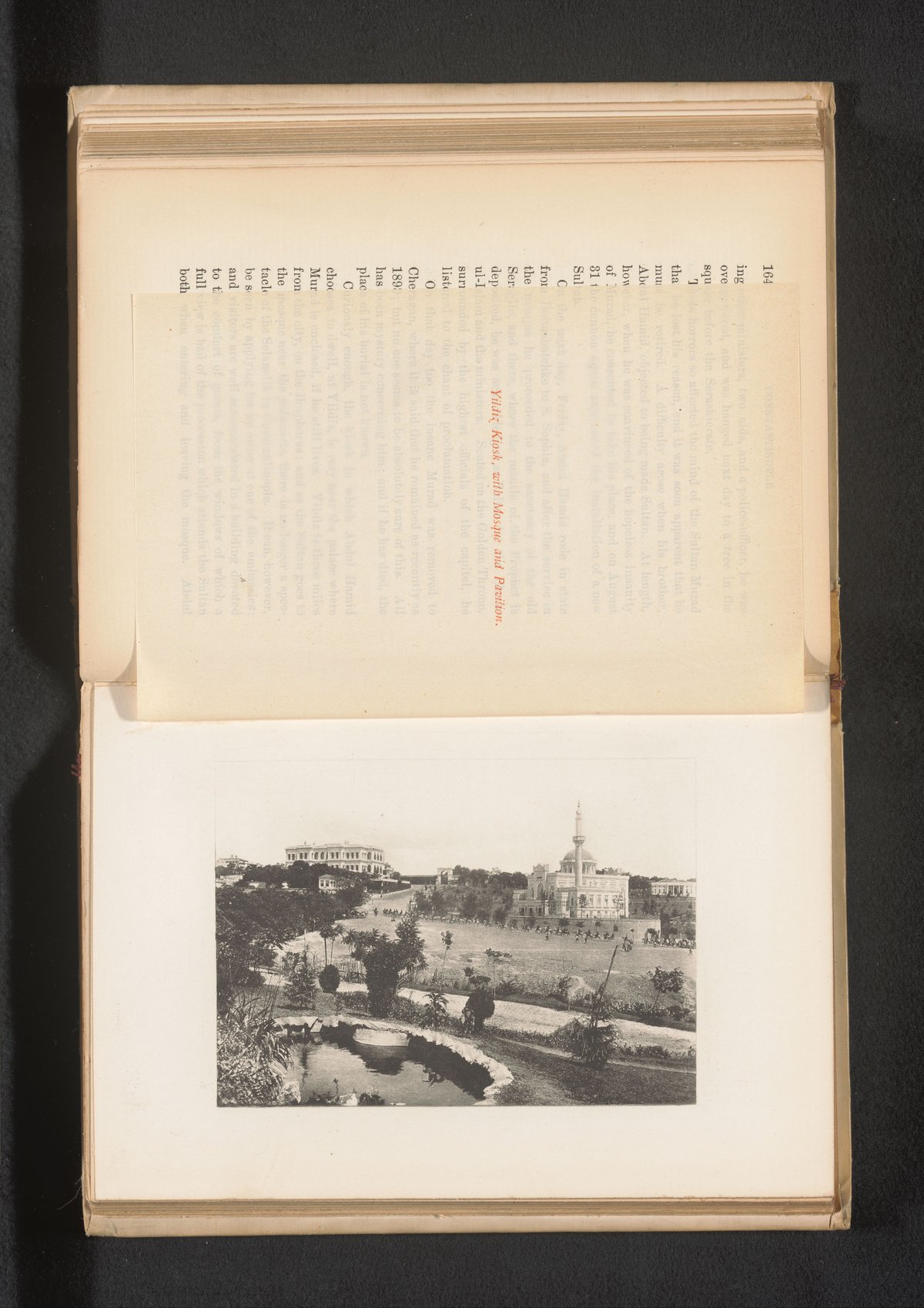
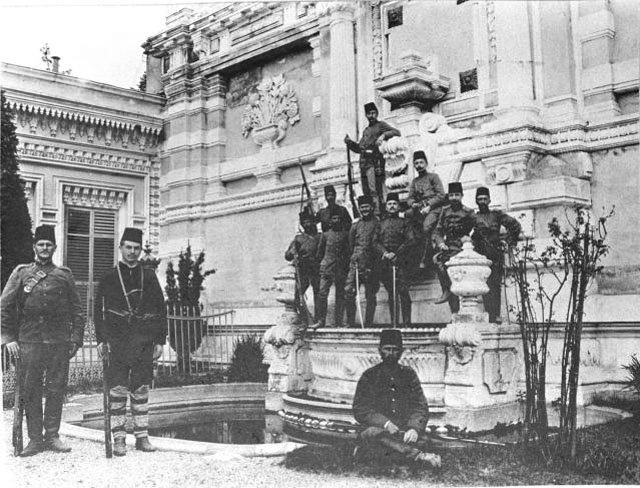
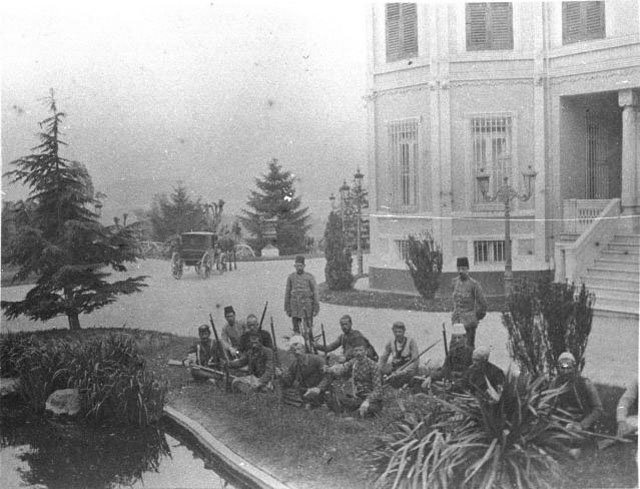
Early Origins and Ottoman Hunting Grounds
The roots of Yıldız Palace trace back to the 16th century, when the area known as Kazancıoğlu Bahçesi served as a secluded hunting ground for Ottoman sultans. Sultan Süleyman the Magnificent and later Sultan Ahmed I incorporated this woodland into the imperial estates, solidifying its role as a royal retreat (Istanbul Archaeology Museums). Temporary pavilions dotted the forest, hosting the royal family during leisure pursuits.
Naming, Early Structures, and Expansion
Yıldız—meaning "star" in Turkish—became the estate’s enduring name when Sultan Selim III built a pavilion for his mother, Mihrişah Valide Sultan, in the late 18th century. Subsequent sultans, including Ahmed III and Abdülmecid, enhanced the area with new pavilions and gardens. In 1842, Sultan Abdülmecid rebuilt the site, adding the Kasr-ı Dilküşa for his mother and establishing the foundation for the evolving palace complex (Ottoman History Podcast).
The Abdülhamid II Era and Palace Development
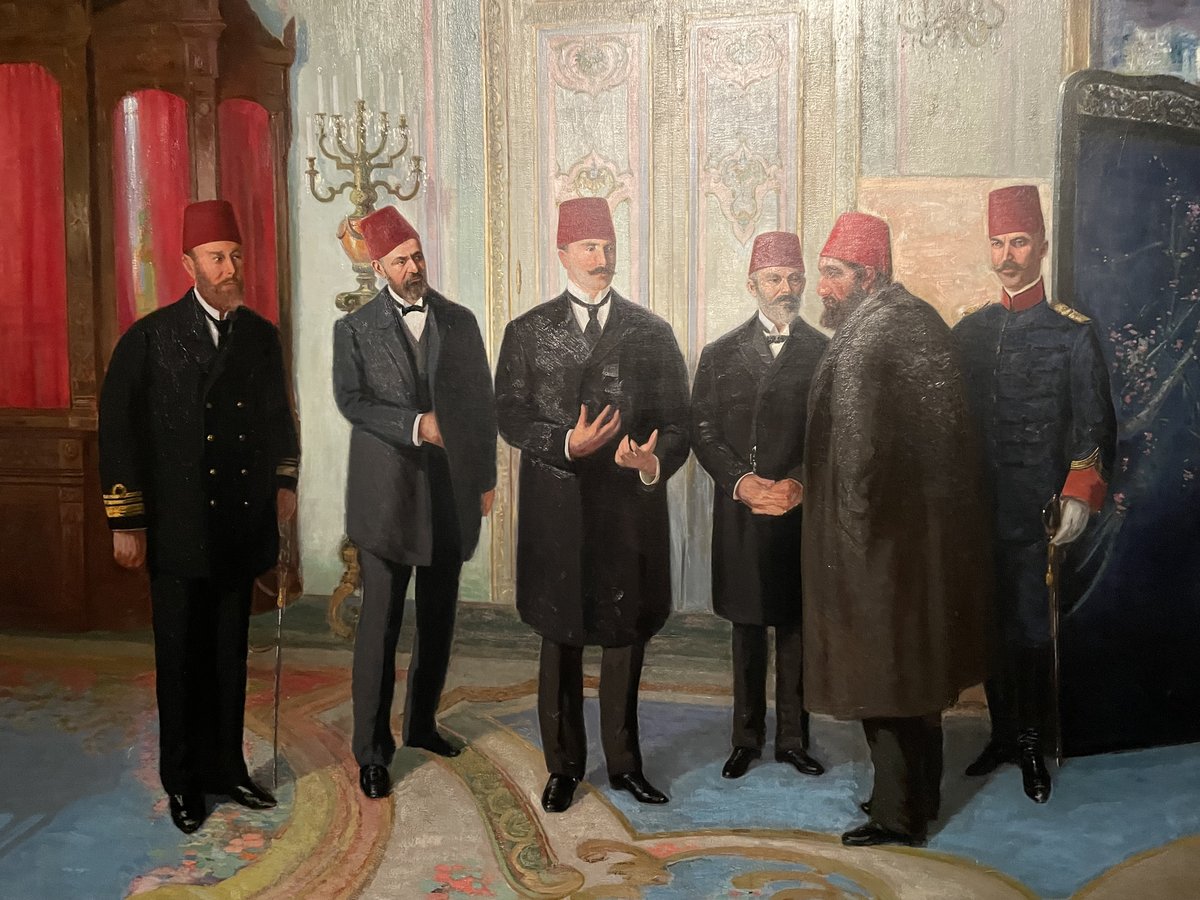
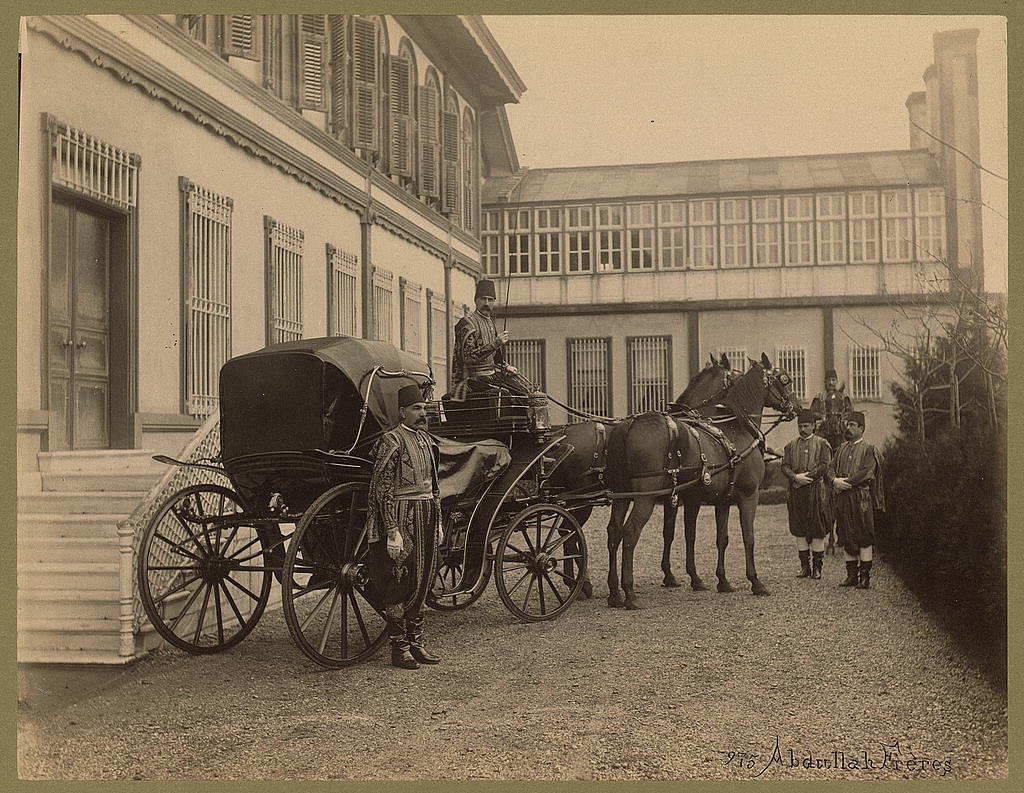
Yıldız Palace reached its zenith during Sultan Abdülhamid II’s reign (1876–1909). Recognizing its strategic and symbolic significance, Abdülhamid II expanded the complex with new buildings, fortification walls, and self-sufficient amenities, including:
- State apartments (Great Mabeyn)
- Private theater and museum
- Extensive library
- Zoo and workshops
- Porcelain factory
Abdülhamid II, a skilled craftsman, personally contributed to the palace’s furnishings, leaving a legacy visible in both Yıldız and Beylerbeyi Palaces (Turkish Ministry of Culture and Tourism). The palace became the fourth major imperial residence in Istanbul, after the Old Palace, Topkapı, and Dolmabahçe.
Architectural Styles and Notable Structures
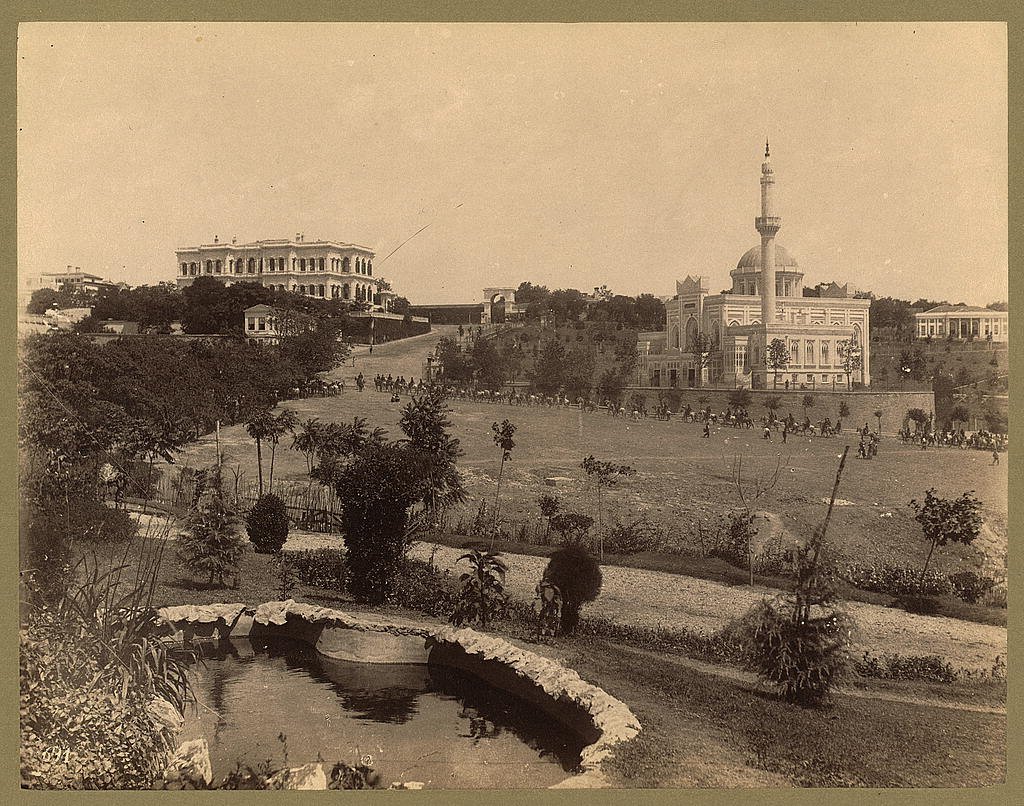
Yıldız Palace is celebrated for its eclectic architectural blend—Ottoman, Baroque, Neo-Classical, and Art Nouveau—introduced by prominent architects such as Raimondo D’Aronco (topkapi-palace.com). Key structures include:
- Yıldız Clock Tower: A striking example of late Ottoman design.
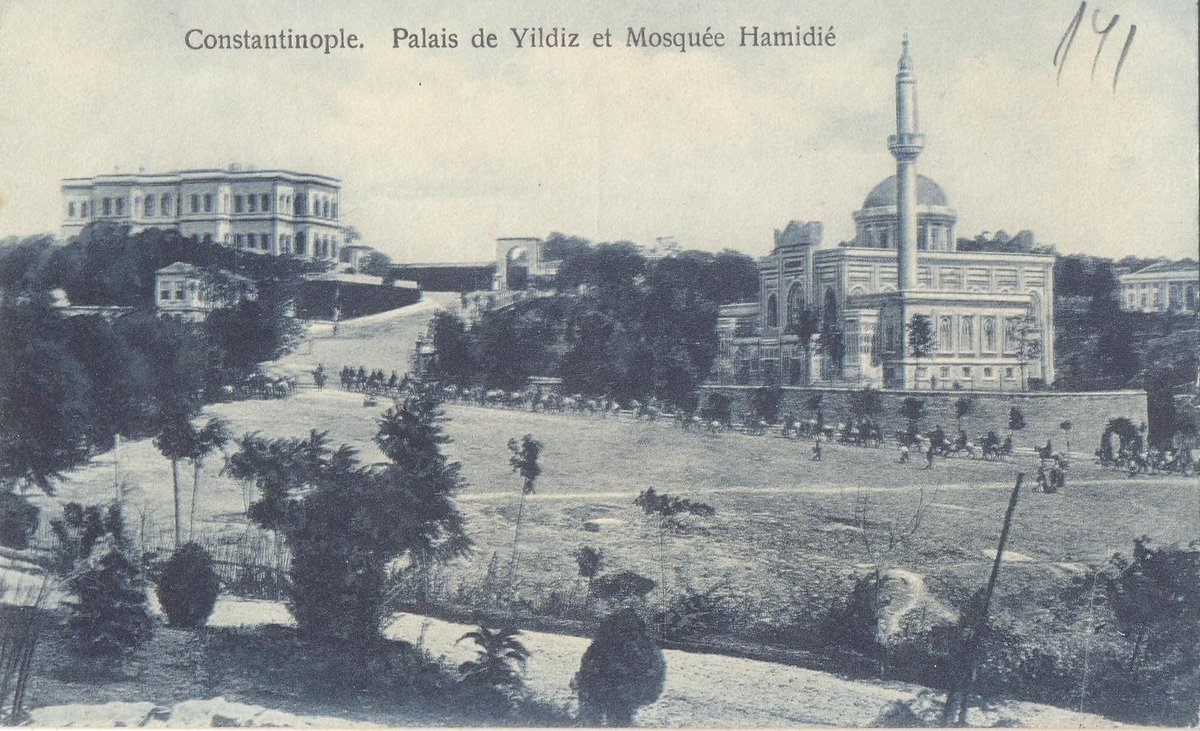
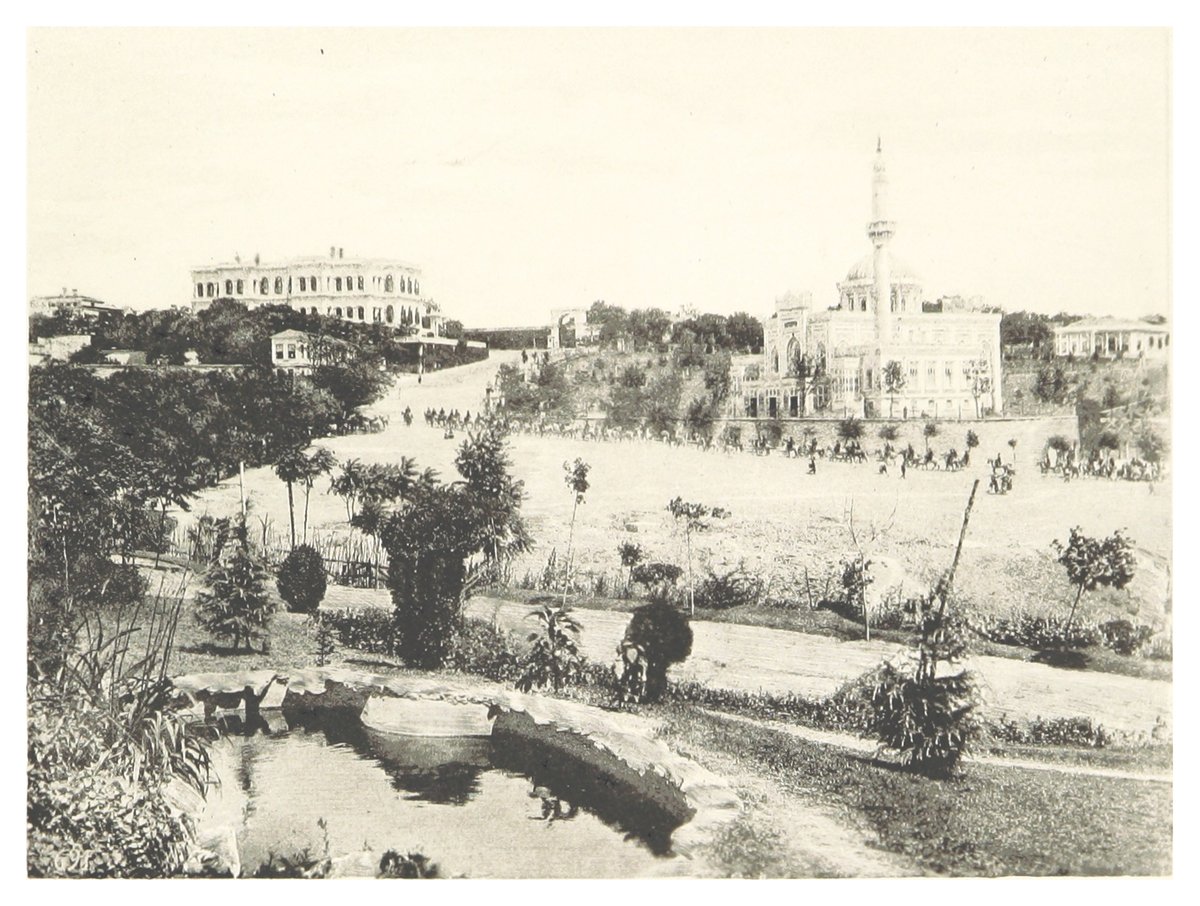
- Yıldız Mosque (Cami): The last imperial mosque in Istanbul, reflecting stylistic transitions of the period.
- Şale Pavilion: The complex’s most iconic building, inspired by European chalets and renowned for its lavish ceremonial hall and grand Hereke carpet (heytripster.com).
- Great Mabeyn Pavilion: Once the administrative center, now open to visitors.
- Çit Pavilion: Used for diplomatic receptions, featuring Art Nouveau stained glass.
- Küçük Mabeyn & Harem Apartments: Showcasing the sultan’s private quarters.
- Imperial Porcelain Factory: Established in 1895, now a museum showcasing exquisite ceramics (istanbulugeziyorum.com).
Visiting Information: Hours, Tickets, and Accessibility
- Opening Hours: Tuesday to Sunday, 9:00 AM–5:00 PM; closed Mondays and major holidays (istanbulclues.com).
- Tickets: As of 2025, entry is 200 Turkish Lira. Discounts available for students, children, and Museum Pass holders. Purchase at the gate or online (istanbultravelblog.com).
- Accessibility: The palace’s hilly terrain makes some areas challenging for those with mobility issues. Main paths are paved; contact the visitor center for assistance.
Amenities
- Restrooms, cafés, and gift shops are available.
- Guided tours (Turkish/English) and audio guides enhance your visit (IstanbulPass).
- Photography is permitted in most areas—no flash or tripods indoors.
Highlights of the Yıldız Palace Complex
Şale Pavilion
Notable for its blend of Ottoman and European styles, expansive halls, and ornate decorative arts. The ceremonial hall features one of the world’s largest Hereke carpets (freeistanbulguide.com).
Great Mabeyn Pavilion
The administrative heart of the empire, with opulent interiors and historical significance.
Çit and Malta Pavilions
Charming structures for receptions and leisure, surrounded by roses and historic anecdotes.
Library and Carpentry Workshop
A restored library with over 30,000 volumes and a workshop displaying Sultan Abdülhamid II's craftsmanship.
Yıldız Theatre and Opera House
A beautifully restored venue for concerts and cultural events—check current schedules online.
Imperial Porcelain Factory
A museum exhibiting rare Bosphorus-themed ceramics and European-style pottery.
Gardens and Parklands
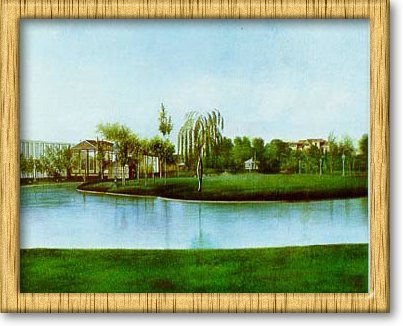
Yıldız Palace is enveloped by the lush Yıldız Park, once an exclusive imperial garden and now a public haven. The park features rare trees, ornamental ponds, and panoramic Bosphorus views. The grounds are especially beautiful in spring, when tulips and roses bloom (visitturkey.in).
Special Events and Visitor Tips
- Events: The palace hosts art exhibitions, concerts, and seasonal festivals—check the official schedule prior to your visit.
- Best Times: Early mornings or late afternoons in spring/autumn offer pleasant weather and fewer crowds.
- Dress Code: Modest, comfortable clothing and sturdy shoes are recommended.
- Refreshments: Enjoy Turkish coffee at the Çadır Pavilion café within the park.
Getting There and Nearby Attractions
- Location: Central Beşiktaş district, easily reached by bus, taxi, or ferry. Walking from Beşiktaş or Ortaköy is possible, though uphill.
- Nearby: Combine your visit with Dolmabahçe Palace, Ortaköy Mosque, and Beşiktaş Market for a full day of historical and cultural exploration (visit.istanbul).
Frequently Asked Questions (FAQ)
Q: What are Yıldız Palace’s opening hours?
A: Tuesday to Sunday, 9:00 AM–5:00 PM. Closed Mondays.
Q: How much is the entrance fee?
A: 200 Turkish Lira as of 2025; discounts and passes are available.
Q: Are guided tours and audio guides offered?
A: Yes, both are available in multiple languages.
Q: Is the palace wheelchair accessible?
A: Main pathways are paved, but some sections are challenging. Contact the palace for assistance.
Q: Can I take photographs inside?
A: Yes, but without flash or tripods indoors.
Listen to the full story in the app
The whole Yıldız Palace,
told well.
Audio guides for 1,100+ cities across 96 countries. History, stories, and local insight — offline ready.
Verified, and shown.
Researched and written by the Audiala editorial team from historical records, architectural archives, and local expertise.
Researched from Wikidata, Wikipedia & official sources · fact-checked · How we make our guides →