Plan and listen to The Museum Of Innocence with Audiala.
Audio guide in your pocket, itinerary in your browser. Built for the way you actually visit.
Introduction
Welcome to Dalgıç Çıkmazı Sokak, a hidden gem in the historic heart of Istanbul, Türkiye. This narrow, winding street offers a captivating journey through time, tracing its roots back to the Byzantine era and evolving through the Ottoman and Republic periods. Whether you are a history enthusiast, cultural explorer, or casual tourist, Dalgıç Çıkmazı Sokak promises a rich tapestry of architectural marvels, cultural landmarks, and local traditions. In this comprehensive guide, we will delve into the historical significance of this street, provide essential visitor information, and highlight nearby attractions that make this area a must-visit destination in Istanbul.
The street's name, translating to 'Diver's Dead-End Street', hints at its ancient maritime connections, particularly its proximity to the Bosphorus Strait, a vital waterway during the Byzantine Empire. The strategic location of Constantinople (now Istanbul) made it a bustling hub for trade and commerce (Wikipedia). Over the centuries, the area has witnessed significant transformations, from the grandeur of the Ottoman Empire, marked by the architectural prowess of Mimar Sinan and the construction of iconic structures like the Süleymaniye Mosque, to the modernization efforts of the 19th and 20th centuries under the Republic of Turkey.
Today, Dalgıç Çıkmazı Sokak stands as a testament to Istanbul's enduring legacy, blending historical charm with vibrant contemporary life. From traditional Ottoman houses and Byzantine relics to modern art galleries and bustling local eateries, this street encapsulates the essence of Istanbul's diverse cultural heritage. Join us as we explore the historical insights, visitor tips, and unique attractions that make Dalgıç Çıkmazı Sokak a captivating destination for travelers and history buffs alike.
Historical Background
Origins and Early History
Dalgıç Çıkmazı Sokak, located in the historic district of Istanbul, Türkiye, has a rich and varied history that dates back to the Byzantine era. The street's name, which translates to "Diver's Dead-End Street," hints at its maritime connections and the significance of the nearby Bosphorus Strait. During the Byzantine period, this area was part of the bustling city of Constantinople, the capital of the Byzantine Empire. The strategic location made it a vital hub for trade and commerce.
Ottoman Era Transformation
With the conquest of Constantinople by the Ottoman Empire in 1453, the street underwent significant changes. The Ottomans, known for their architectural prowess, introduced new structures and urban planning concepts to the area. Dalgıç Çıkmazı Sokak became part of a larger network of streets that served the growing population of Istanbul. The Ottomans built numerous mosques, hammams (Turkish baths), and markets in the vicinity, which contributed to the street's prominence.
One notable structure from this period is the Süleymaniye Mosque, constructed between 1550 and 1557 by the famous architect Mimar Sinan. Although not directly on Dalgıç Çıkmazı Sokak, its proximity influenced the development and significance of the street. The mosque complex included schools, a hospital, and a library, making it a center of learning and culture.
19th Century Developments
The 19th century brought further changes to Dalgıç Çıkmazı Sokak as the Ottoman Empire began to modernize. The Tanzimat reforms, initiated in 1839, aimed to reorganize the empire's administrative and legal structures. These reforms also impacted urban development, leading to the construction of new buildings and the renovation of existing ones.
During this period, the street saw the introduction of European architectural styles, reflecting the empire's desire to modernize and align itself with Western powers. The influence of European architecture is evident in the design of several buildings on Dalgıç Çıkmazı Sokak, which feature neoclassical and baroque elements.
Early 20th Century and the Republic Era
The early 20th century was a tumultuous time for Istanbul, marked by the decline of the Ottoman Empire and the establishment of the Republic of Turkey in 1923. The transition from empire to republic brought significant changes to the city's urban landscape, including Dalgıç Çıkmazı Sokak.
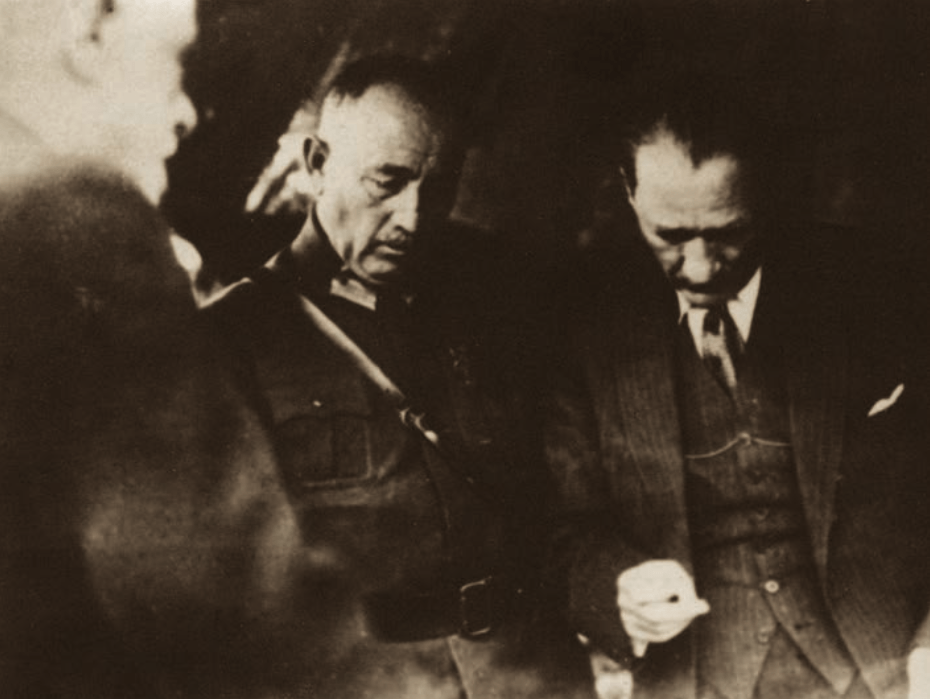
Under the leadership of Mustafa Kemal Atatürk, the founder of modern Turkey, the new republic embarked on a series of reforms aimed at secularizing and modernizing the country. These reforms included changes to the urban fabric of Istanbul, with a focus on improving infrastructure and public services.
Dalgıç Çıkmazı Sokak, like many other streets in Istanbul, experienced a period of transformation during this time. The street saw the construction of new residential and commercial buildings, reflecting the changing needs and aspirations of the city's inhabitants.
Post-World War II Developments
The post-World War II era brought further changes to Dalgıç Çıkmazı Sokak as Istanbul continued to grow and modernize. The 1950s and 1960s were marked by rapid urbanization and industrialization, leading to significant changes in the city's demographics and urban landscape.
During this period, Dalgıç Çıkmazı Sokak saw the construction of new apartment buildings and commercial establishments. The street's proximity to key transportation hubs, such as the Galata Bridge and the Eminönü district, made it an attractive location for businesses and residents alike.
Preservation and Modern-Day Significance
In recent decades, there has been a growing awareness of the need to preserve Istanbul's historic streets and neighborhoods, including Dalgıç Çıkmazı Sokak. Efforts to protect and restore the city's architectural heritage have led to the renovation of several historic buildings on the street.
Today, Dalgıç Çıkmazı Sokak is a vibrant and dynamic part of Istanbul, attracting both locals and tourists. The street's rich history is evident in its diverse architectural styles and the stories of the people who have lived and worked there over the centuries.
Visitor Information
Visiting Hours and Tickets
Dalgıç Çıkmazı Sokak is accessible 24/7, and there is no entrance fee to explore the street itself. However, some of the nearby attractions, such as the Süleymaniye Mosque, may have specific visiting hours and ticket prices. It is advisable to check their official websites for the latest information.
Travel Tips
- Best Time to Visit: The ideal time to visit Istanbul is during the spring (April to June) or autumn (September to November) when the weather is mild and pleasant.
- Getting There: The street is easily accessible by public transportation, including trams, buses, and ferries. The nearest tram station is Eminönü, which is a short walk away.
- Local Cuisine: Don't miss out on the local cuisine. There are several traditional Turkish eateries and cafes around Dalgıç Çıkmazı Sokak where you can savor delicious dishes like kebabs, baklava, and Turkish tea.
Nearby Attractions
- Grand Bazaar: One of the largest and oldest covered markets in the world, offering a vast array of goods from spices to jewelry.
- Spice Bazaar: A vibrant market known for its spices, dried fruits, and nuts.
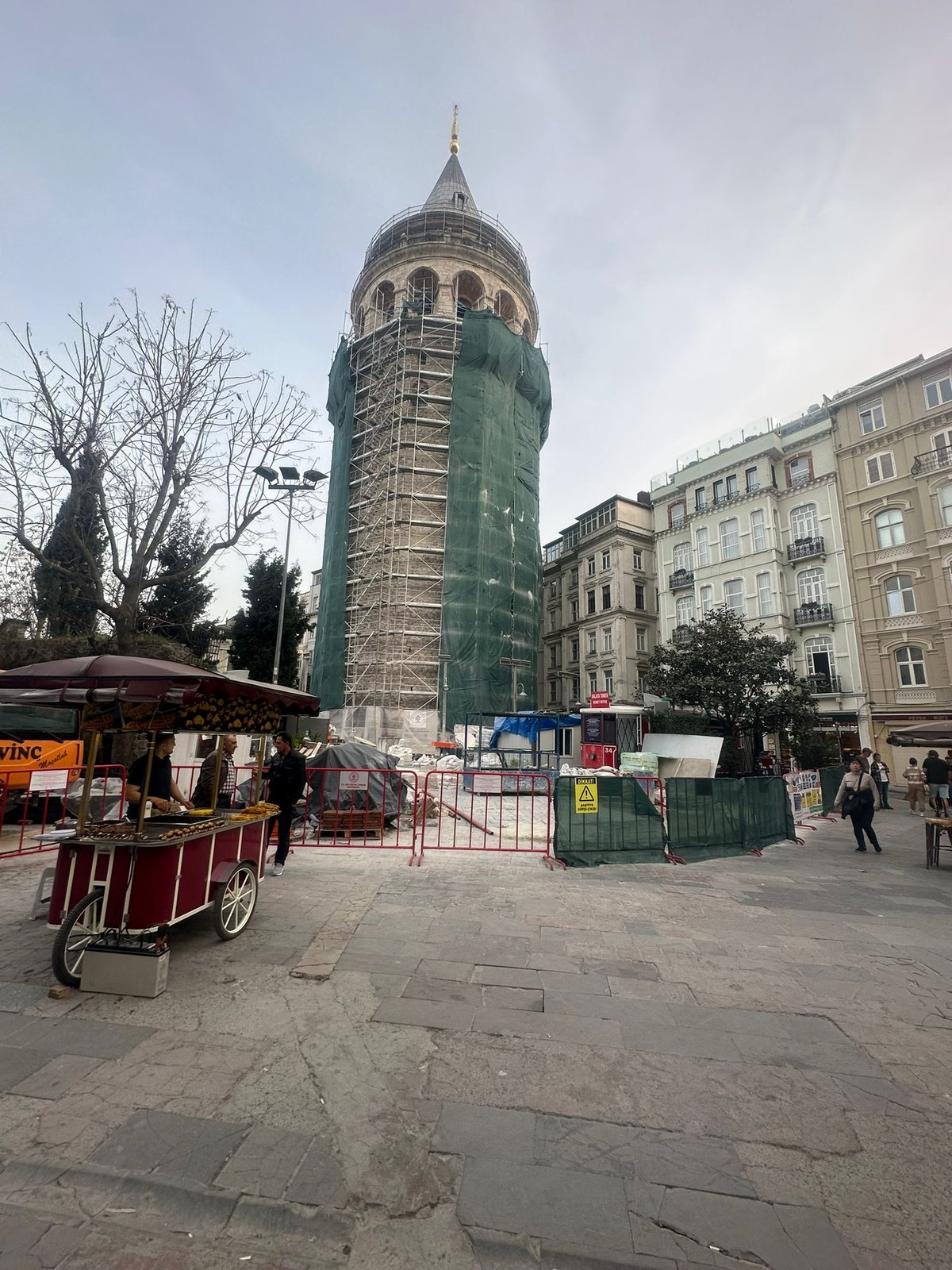
- Galata Tower: A medieval stone tower offering panoramic views of Istanbul.
Accessibility
Dalgıç Çıkmazı Sokak is a pedestrian-friendly street, but some parts may be uneven or narrow. It's advisable for visitors with mobility issues to plan accordingly. Most of the nearby attractions are also accessible, but it's best to check specific accessibility information on their official websites.
FAQ
Q: Are there guided tours available for Dalgıç Çıkmazı Sokak?
A: Yes, there are several guided tours that include Dalgıç Çıkmazı Sokak as part of their itinerary. These tours often provide in-depth historical insights and are led by knowledgeable guides.
Q: Can I take photos on Dalgıç Çıkmazı Sokak?
A: Absolutely! The street is a great spot for photography, with its mix of historic and modern elements. Just be respectful of local residents and businesses.
Q: What are some good photographic spots near Dalgıç Çıkmazı Sokak?
A: In addition to the street itself, the nearby Galata Tower and the views from the Galata Bridge offer excellent photo opportunities.
Discover More
Ready to explore Dalgıç Çıkmazı Sokak and immerse yourself in the rich history and vibrant culture of Istanbul? Download our mobile app for more travel tips, check out related posts on our website, and follow us on social media for the latest updates. Don't forget to share your experiences and photos with us using #DalgıçÇıkmazıSokak!
Tickets & tours.
These are guided options from our partners — same price as booking direct.
Prices are indicative — final pricing and availability are confirmed at checkout. Audiala may earn a commission from bookings made through these links.
Listen to the full story in the app
The whole The Museum Of Innocence,
told well.
Audio guides for 1,100+ cities across 96 countries. History, stories, and local insight — offline ready.

Verified, and shown.
Researched and written by the Audiala editorial team from historical records, architectural archives, and local expertise.
Researched from Wikidata, Wikipedia & official sources · fact-checked · How we make our guides →