Plan and listen to Teşviki Mosque with Audiala.
Audio guide in your pocket, itinerary in your browser. Built for the way you actually visit.
Introduction
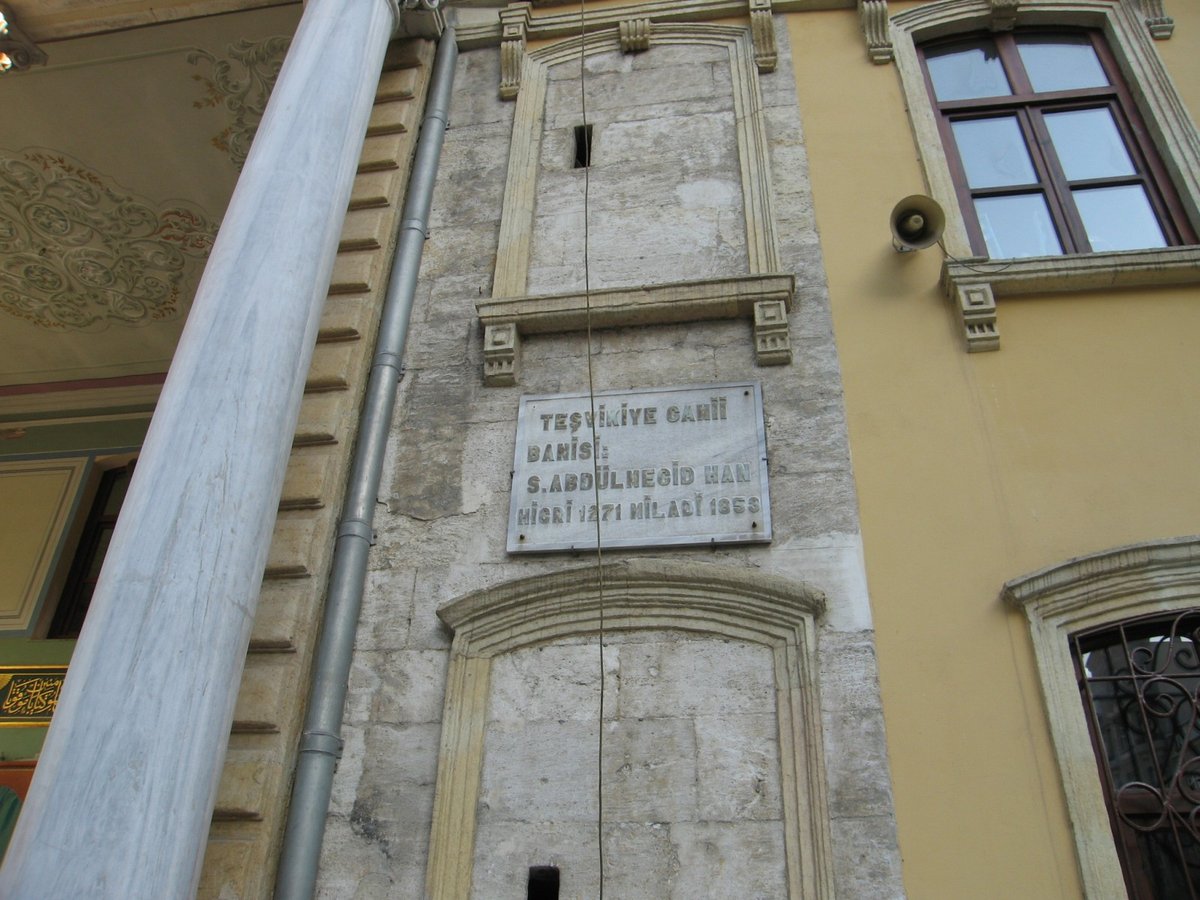
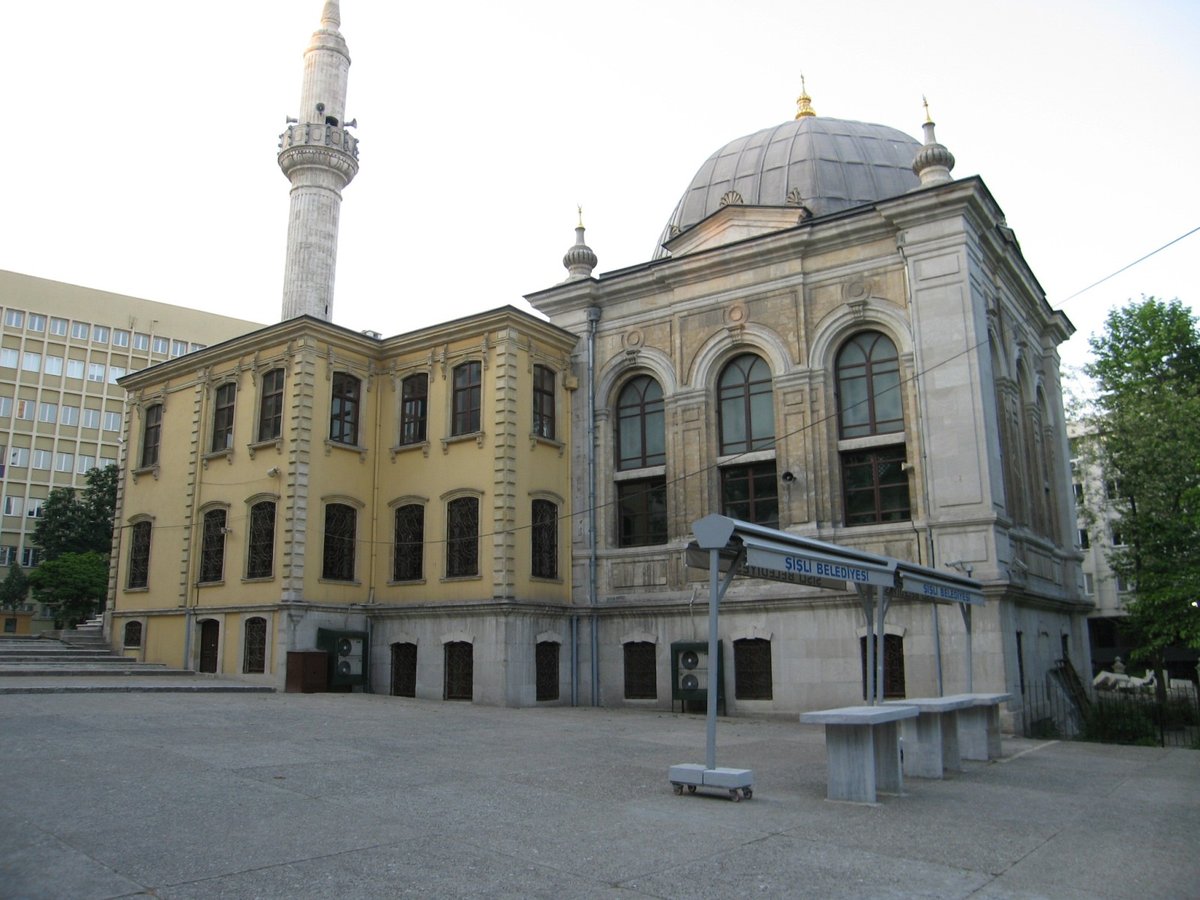
Situated in Istanbul’s elegant Nişantaşı district, Teşvikiye Mosque is a striking representation of the city’s rich architectural and cultural heritage. Originally commissioned by Sultan Selim III at the end of the 18th century and magnificently reconstructed in the mid-19th century under Sultan Abdülmecid I, the mosque is an enduring legacy of the Ottoman Empire’s modernizing Tanzimat era. Designed by the distinguished architect Krikor Balyan, the mosque seamlessly blends Ottoman motifs with European neo-baroque and neoclassical styles, reflecting the cosmopolitan spirit of 19th-century Istanbul (Better Istanbul; Bluemosque.net).
Beyond its architectural grandeur, Teşvikiye Mosque has been central to Nişantaşı’s transformation from a royal hunting ground to a prestigious urban neighborhood. Its story intertwines with the city’s urban development, modernization, and cultural life, highlighted by its intricate calligraphy, archery commemoratives, and vibrant community role (Outlook Traveller; Better Istanbul).
This guide covers the mosque’s history, architecture, practical visitor information, and nearby attractions, offering a comprehensive resource for travelers and history enthusiasts alike.

Historical Background
Foundations and Ottoman Patronage
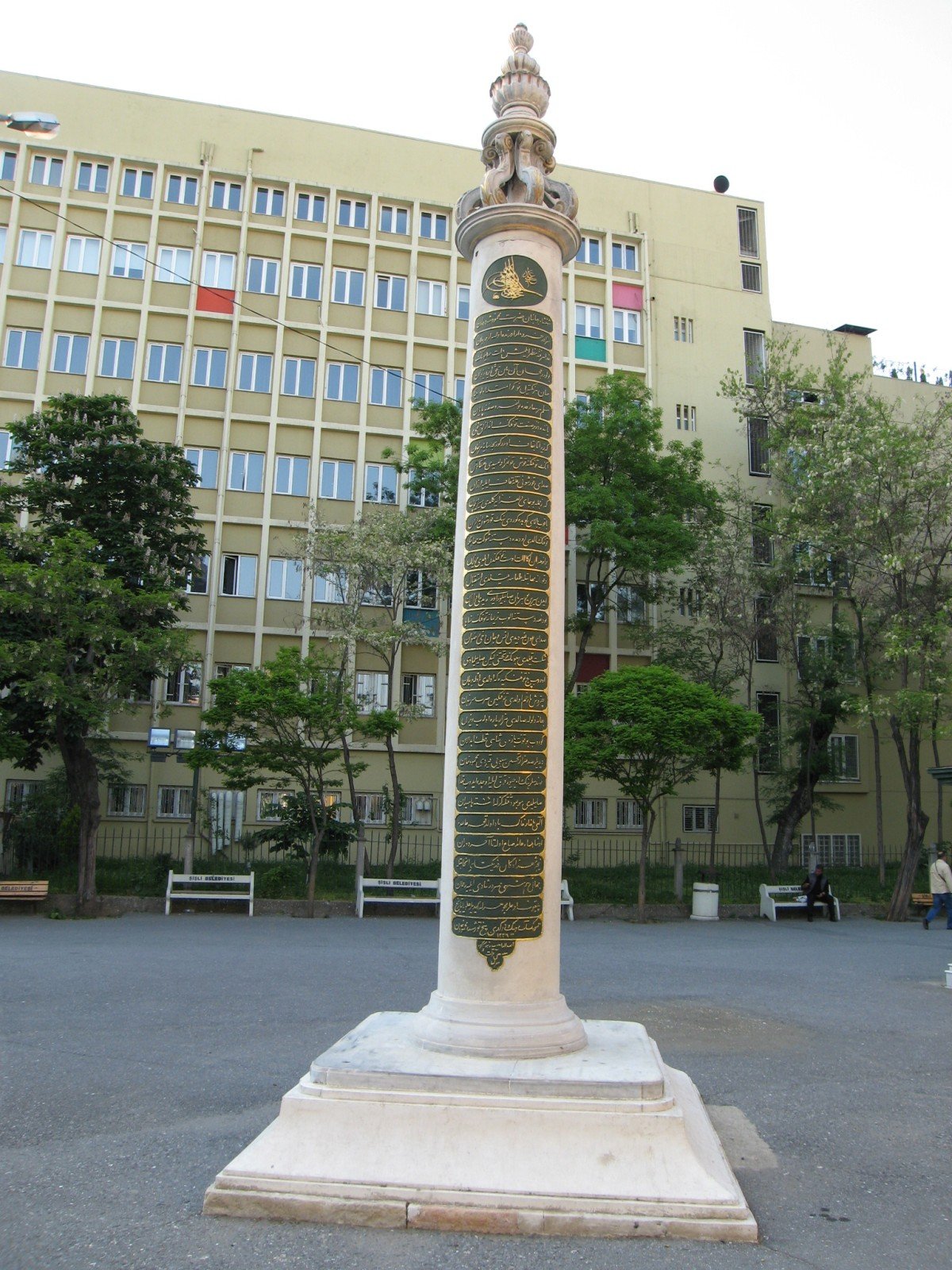
Teşvikiye Mosque’s roots trace back to a small wooden prayer house built in 1794–1795 by Sultan Selim III, set in the royal hunting grounds on Istanbul’s periphery. The mosque’s name—meaning “encouragement”—signaled the sultan’s intent to foster urban growth in the area. A commemorative stone in the courtyard marks Sultan Selim III’s archery feats, connecting the mosque to its earliest days and the Ottoman tradition of archery (Better Istanbul).
19th-Century Expansion and Neo-Baroque Transformation
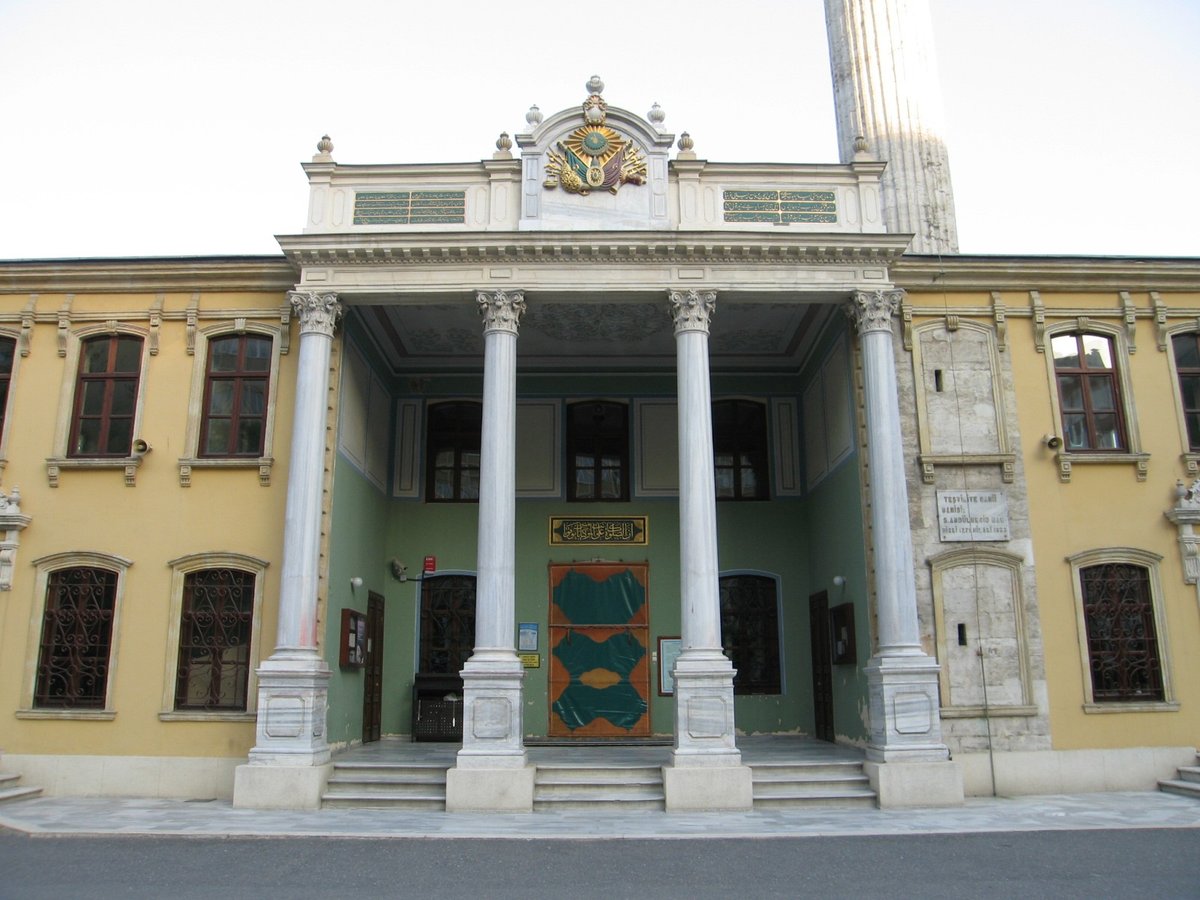
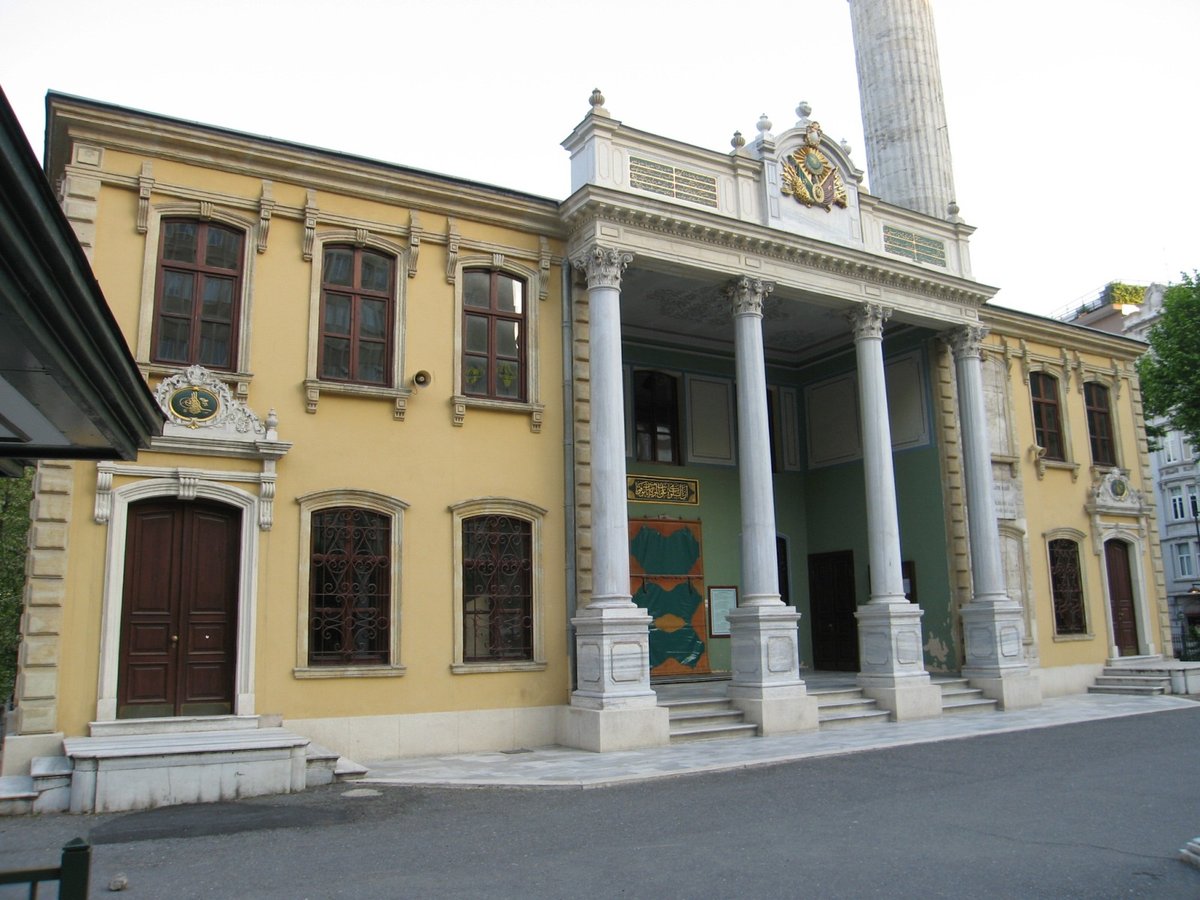
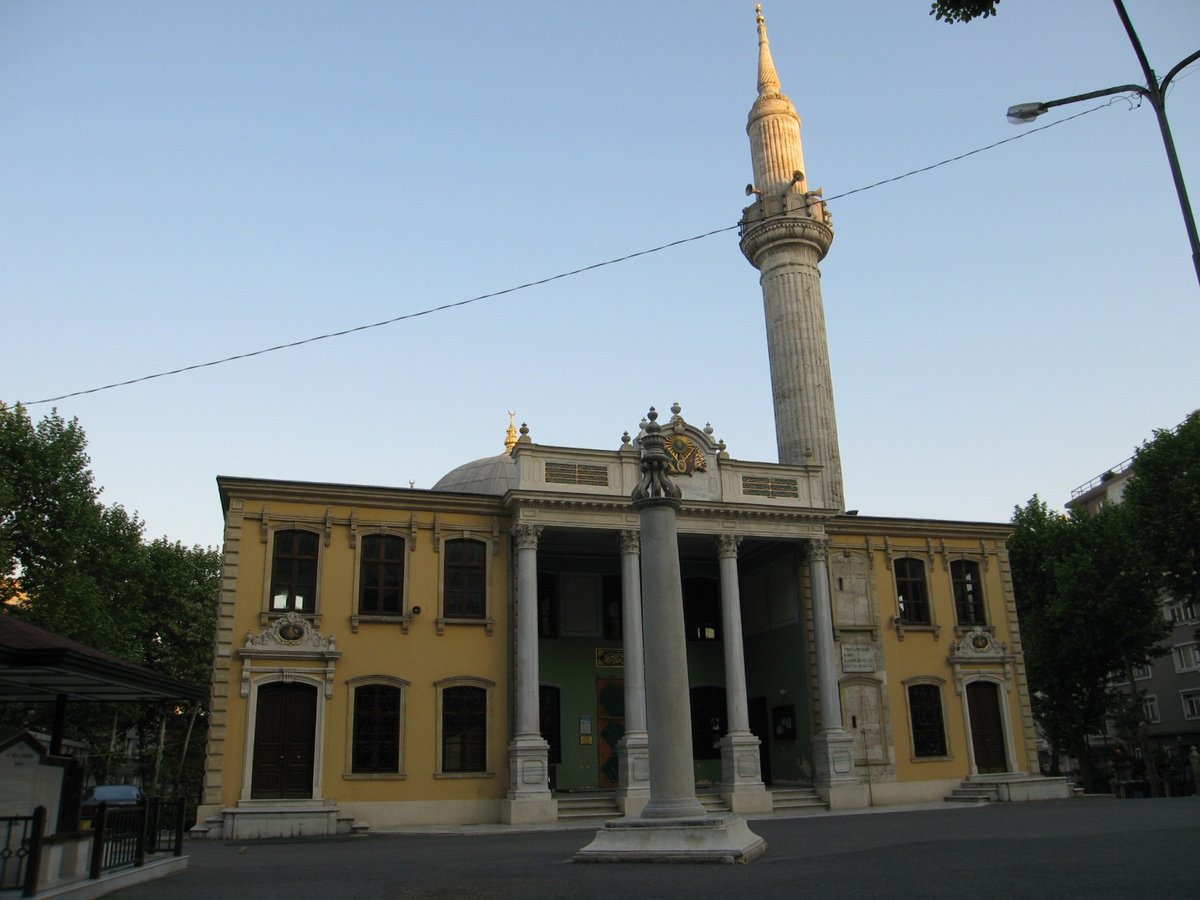
Under Sultan Abdülmecid I, the mosque was reconstructed in 1853–1854 to accommodate Nişantaşı’s growing community. Krikor Balyan’s neo-baroque design, characterized by white marble columns, ornate façades, and European stylistic influences, became a hallmark of the Tanzimat modernization movement (Bluemosque.net).
Symbolic Stones and Urban Development
“Teşvikiye Taşları”—inscribed stones—were placed in the district, commemorating royal patronage and encouraging settlement. These markers, alongside the mosque, played a pivotal role in transforming Nişantaşı into a fashionable, elite neighborhood (Outlook Traveller).
Restoration and Living Heritage
Teşvikiye Mosque has seen several restorations, including recent works completed in 2021, ensuring its continued role as both a vibrant place of worship and a cultural landmark. The mosque hosts significant community events and features in Turkish literature, maintaining its relevance in modern Istanbul (Better Istanbul).
Architectural Significance
Exterior Features
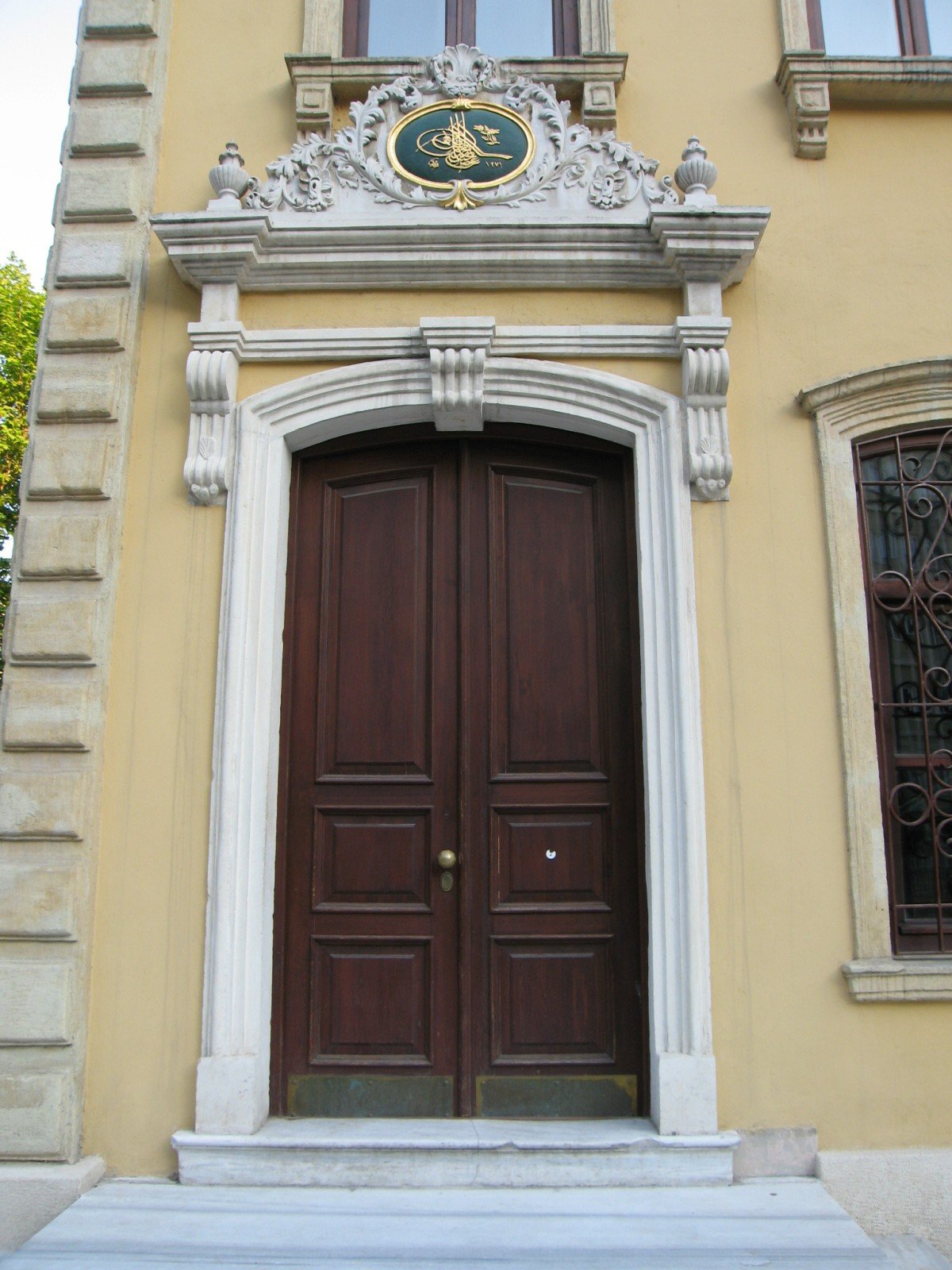
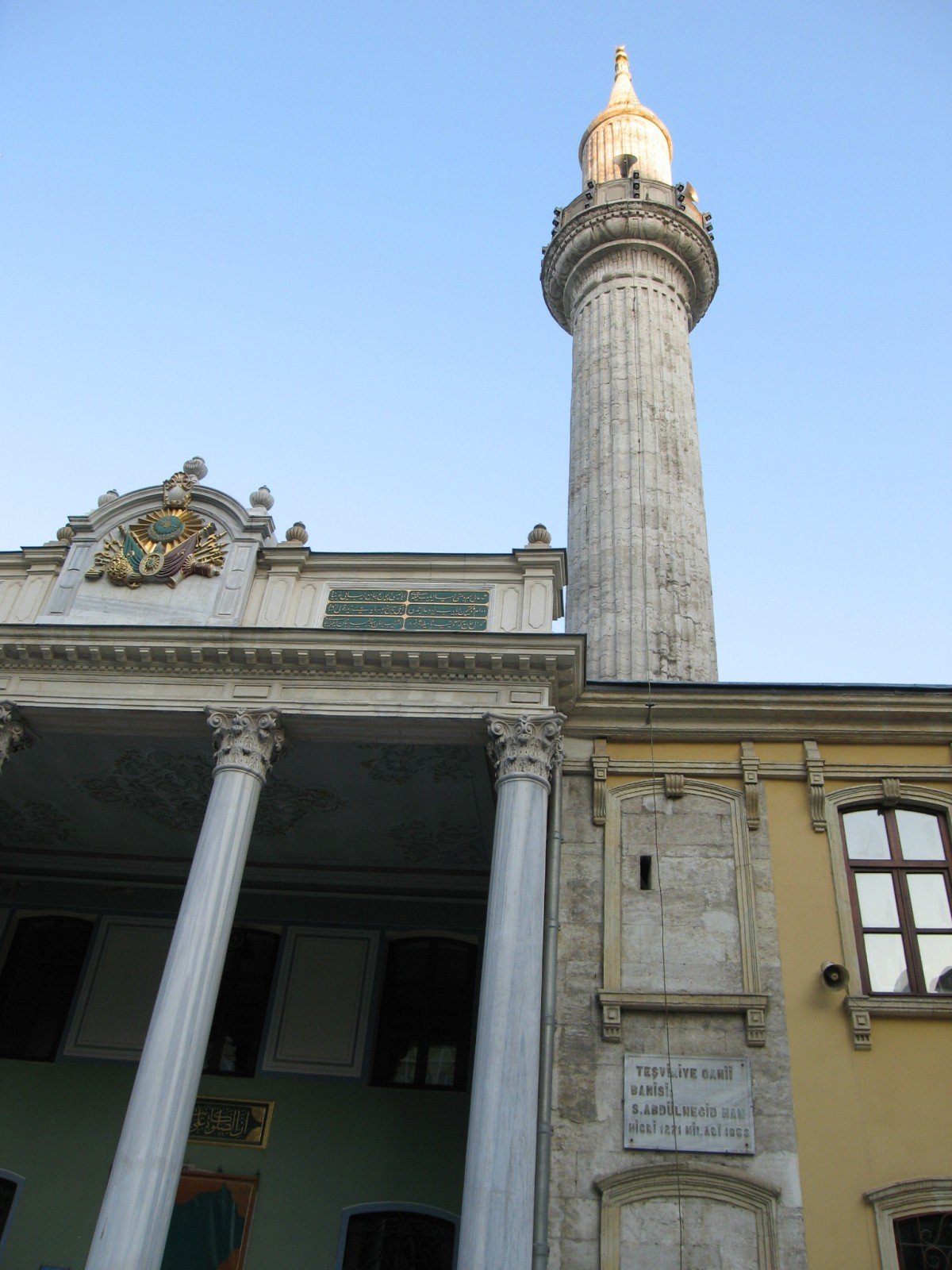
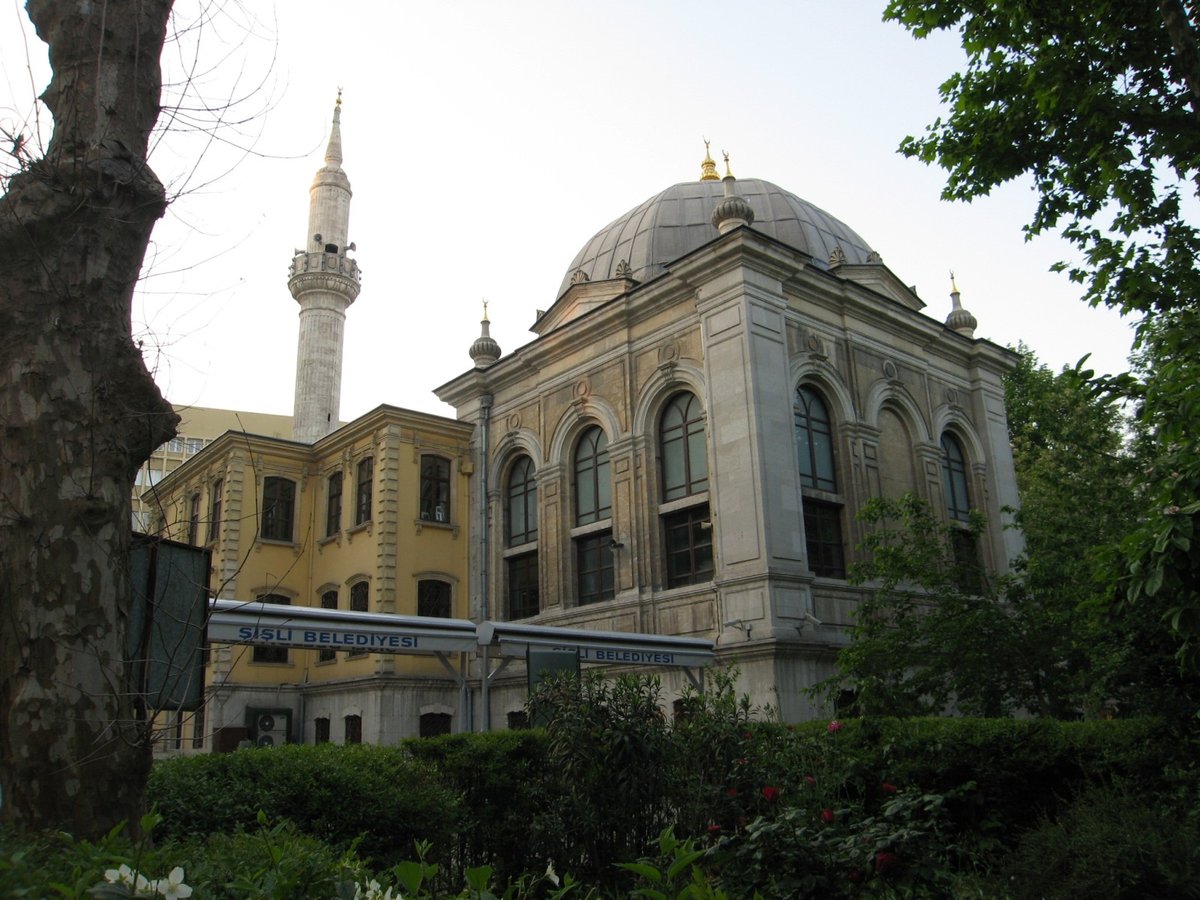
The mosque’s marble façade and symmetrical design reflect both Ottoman and European influences. Arched windows, a projecting portico with slender columns, and a single, elegant minaret define its striking exterior (Bluemosque.net).
Interior Details
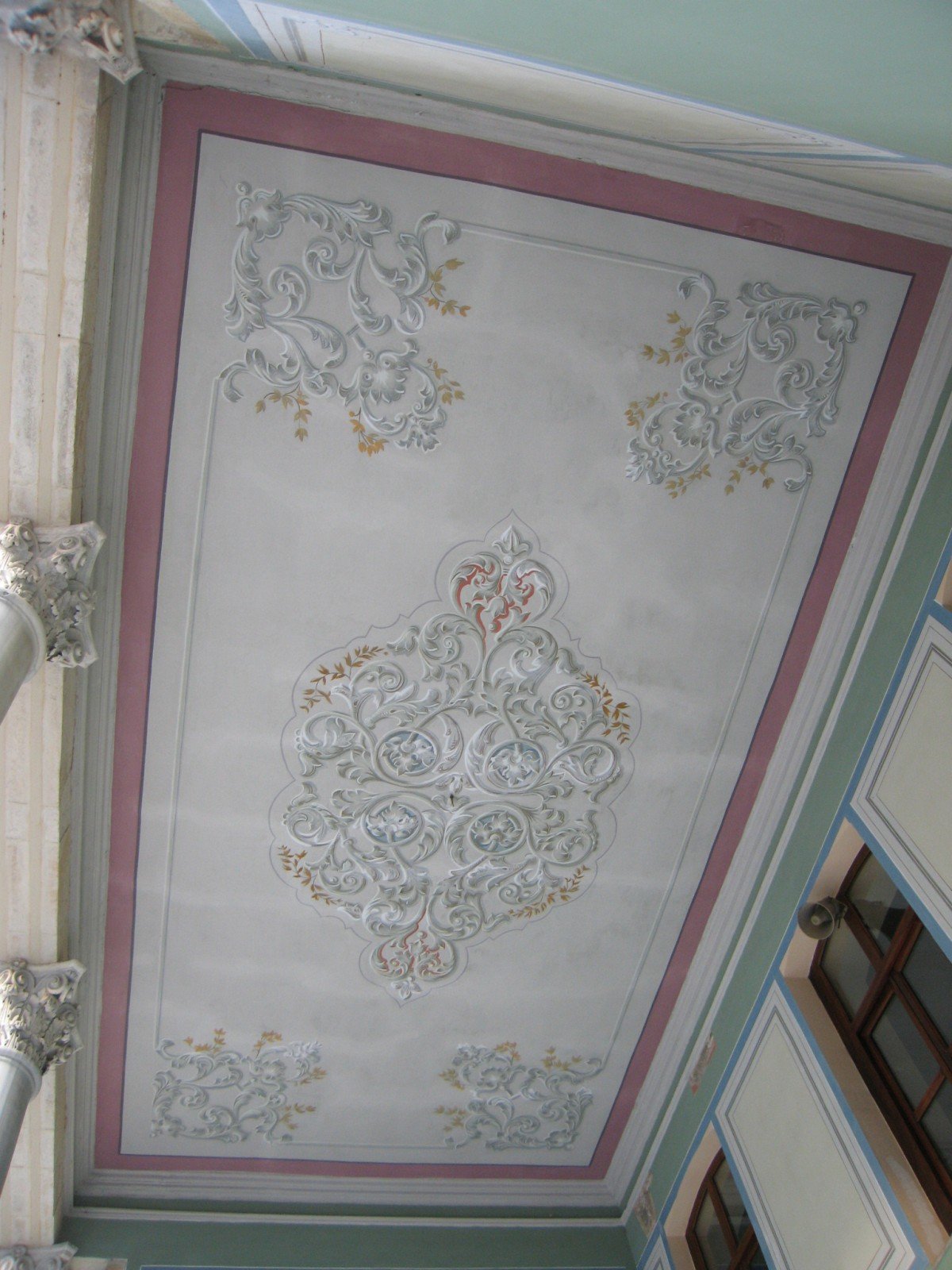
Inside, the bright prayer hall features high ceilings, large windows, elaborate plasterwork, and marble paneling. The mihrab and minbar are exquisitely carved with mother-of-pearl inlay, while the ceiling is adorned with painted motifs inspired by European palaces.
Artistic Highlights
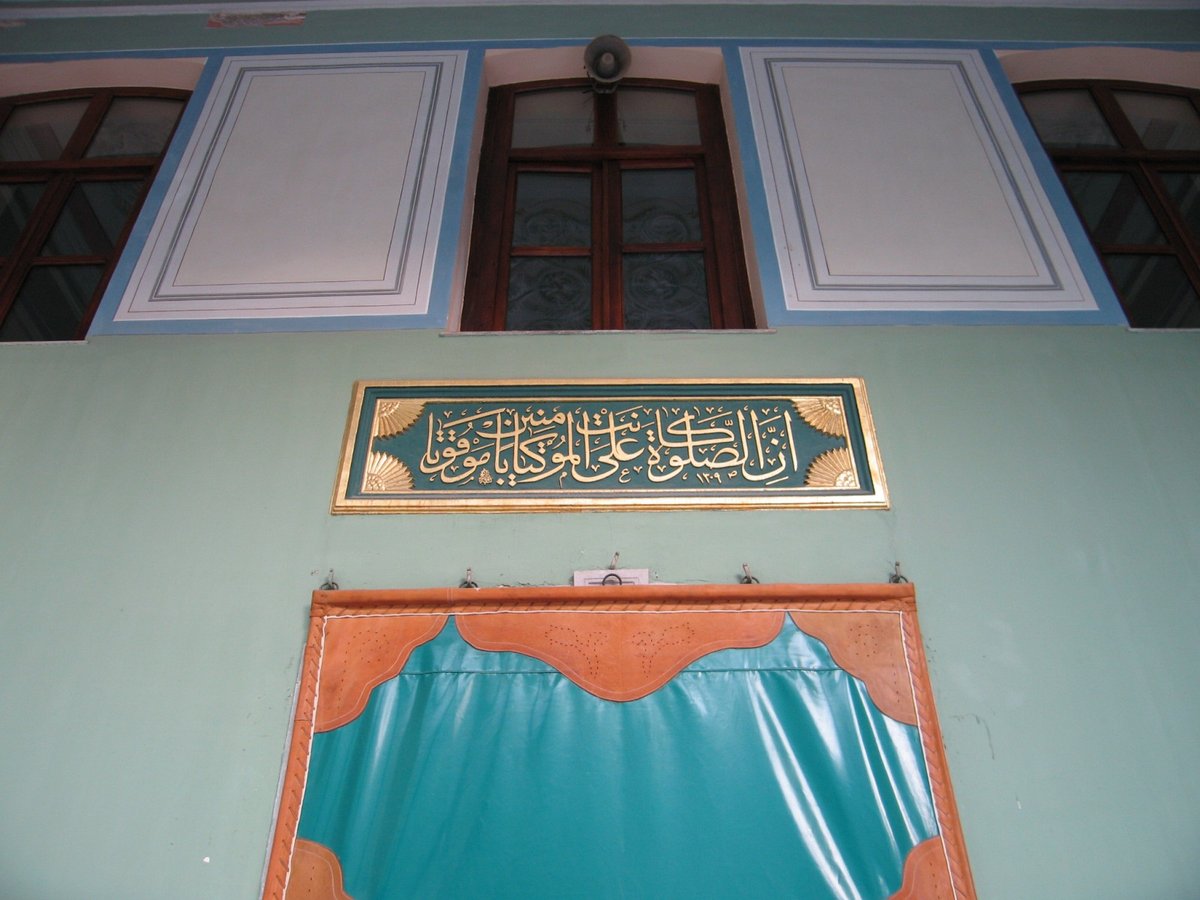
Notable features include calligraphic panels by Kazasker Mustafa İzzet Efendi, stained-glass windows casting colorful light, and marble inlay decorations that harmoniously blend Ottoman and Western aesthetics (Better Istanbul).
Courtyard and Community Space
The landscaped courtyard, shaded by mature trees, offers a serene retreat and serves as a gathering place for worshippers and visitors. The octagonal ablution fountain and symbolic archery stones further enrich the setting.
Visiting Teşvikiye Mosque: Practical Information
- Location: Teşvikiye Mahallesi, Şişli, Istanbul, Turkey.
- Getting There: Metro (M2, Osmanbey station), buses from Beşiktaş/Taksim/Mecidiyeköy, or a short walk from Abdi İpekçi Street and Maçka Park (Tourist Secrets).
- Visiting Hours: Open daily, typically from 9:00 AM to 5:00 PM, outside prayer times. Avoid midday and Friday prayers for a quieter visit.
- Tickets: No admission fee; entry is free for all visitors.
- Dress Code: Modest attire required. Women should bring a headscarf; men should wear long pants. Shoes must be removed before entering the prayer hall (Istanbul Tourist Pass).
- Accessibility: Ramps are available; the main prayer hall and courtyard are wheelchair accessible, though some areas may have steps.
- Guided Tours: Available occasionally; inquire at the mosque or through local tour operators.
- Photography: Permitted in the courtyard and inside, provided worshippers are not disturbed. Avoid photography during prayers.
Nearby Attractions
- Nişantaşı Shopping District: Upscale boutiques, art galleries, and cafés (Tourist Secrets).
- Maçka Democracy Park: A popular green space for relaxation.
- Ihlamur Pavilion: 19th-century Ottoman retreat with gardens and fountains (Inside Out In Istanbul).
- Istanbul Military Museum: Historical exhibits on the Ottoman and Turkish military.
- City’s Nişantaşı Mall: Shopping and dining in a compact, stylish setting.
Cultural and Social Significance
Teşvikiye Mosque is not only an architectural marvel but also a vibrant hub for community life. It anchors Nişantaşı’s identity, bridging tradition and modernity, and is involved in charitable activities such as food distributions during Ramadan. The mosque actively fosters intercultural engagement, with informative panels and English-speaking staff often assisting international visitors (Better Istanbul; Outlook Traveller).
Clear etiquette guidelines—covering dress, behavior, and photography—ensure respectful tourism and promote interfaith dialogue (Forbes; Istanbul Tourist Pass).
Seasonal Considerations and Travel Tips
- June Weather: Warm and pleasant (20–28°C), but occasional rain is possible. Dress in breathable, modest clothing and bring a light jacket.
- Peak Times: Weekday mornings and late afternoons are least crowded. Avoid religious holidays and Friday prayers for a more peaceful visit (Istanbul Tourist Pass).
- Safety: The area is safe, but remain mindful of personal belongings in crowded settings.
- Packing Essentials: Scarf (for women), comfortable slip-on shoes, reusable water bottle, and weather-appropriate attire.
Frequently Asked Questions (FAQ)
Q: What are Teşvikiye Mosque’s visiting hours?
A: Open daily, generally from 9:00 AM to 5:00 PM, outside of prayer times.
Q: Is there an entrance fee?
A: No, entry is free.
Q: Can non-Muslim visitors enter the mosque?
A: Yes, outside of prayer times.
Q: Are guided tours available?
A: Occasionally; check with the mosque or local operators.
Q: Is photography allowed?
A: Yes, but avoid photographing worshippers and during prayers.
Q: Is the mosque wheelchair accessible?
A: The courtyard and main prayer hall are accessible by ramp.
Visuals and Media


For more visuals, explore virtual tours of Teşvikiye Mosque.
Internal Links
Listen to the full story in the app
The whole Teşviki Mosque,
told well.
Audio guides for 1,100+ cities across 96 countries. History, stories, and local insight — offline ready.
Verified, and shown.
Researched and written by the Audiala editorial team from historical records, architectural archives, and local expertise.
Researched from Wikidata, Wikipedia & official sources · fact-checked · How we make our guides →