Introduction
Perched above the Bosphorus in Istanbul’s historic Üsküdar district, the Rum Mehmed Pasha Mosque (Rum Mehmet Paşa Camii) is a striking testament to early Ottoman architecture and Istanbul’s multicultural legacy. Commissioned by Rum Mehmed Pasha, a Grand Vizier of Greek origin serving under Sultan Mehmed II, and completed in 1471, it was the first mosque constructed on the Asian side of Istanbul following the city’s conquest in 1453. Today, it stands as both an architectural landmark and a vibrant community center, merging the spiritual and cultural identities of Istanbul’s past and present.
This detailed guide provides essential information for visitors, including opening hours, ticket policies, accessibility, dress code, and practical travel tips. It also explores the mosque’s unique architectural features, its historical context, and its significance within Istanbul’s diverse religious and urban landscape. Whether you are a history buff, architecture lover, or a traveler seeking meaningful experiences, this article will help you make the most of your visit.
For the latest updates and visitor details, see Istanbul Tourism Official Website and Quick Guide Istanbul.
- Historical Background
- Architectural Features
- Visiting the Rum Mehmed Pasha Mosque
- Restoration and Preservation
- Cultural and Religious Significance
- Location and Accessibility
- Visitor Experience and Practical Tips
- Frequently Asked Questions (FAQ)
- Summary and Recommendations
- Sources
Historical Background
Origins and Patronage
Rum Mehmed Pasha, a high-ranking official of Greek background who rose to become Grand Vizier under Sultan Mehmed II, commissioned the mosque as a symbol of both religious devotion and political prominence. Completed in 1471, it marked the Ottoman expansion into Üsküdar, signaling the transformation of the city’s Asian side from its Byzantine-Christian past to an Ottoman-Islamic identity (Trek Zone).
Context: The Conquest and Urban Renewal
After the conquest of Constantinople, the Ottomans initiated a wave of urban development, constructing mosques and complexes to anchor new communities. The Rum Mehmed Pasha Mosque played a pivotal role in this renewal, setting a precedent for future architectural projects in the region (Nomadic Niko).
Architectural Features
Inverted T-Plan and Layout
The mosque’s inverted T-plan is characteristic of early Ottoman religious architecture. The central prayer hall is flanked by four adjoining rooms, which historically served as study or auxiliary spaces. This layout bridges earlier Anatolian mosque designs with the evolving Ottoman style (Nomadic Niko).
Dome and Structural Elements
A single prominent dome, supported by pendentives, crowns the prayer hall. This architectural solution enables a harmonious transition from the square base to the circular dome, symbolizing the heavens and divine unity (Scribd).
Materials and Exterior
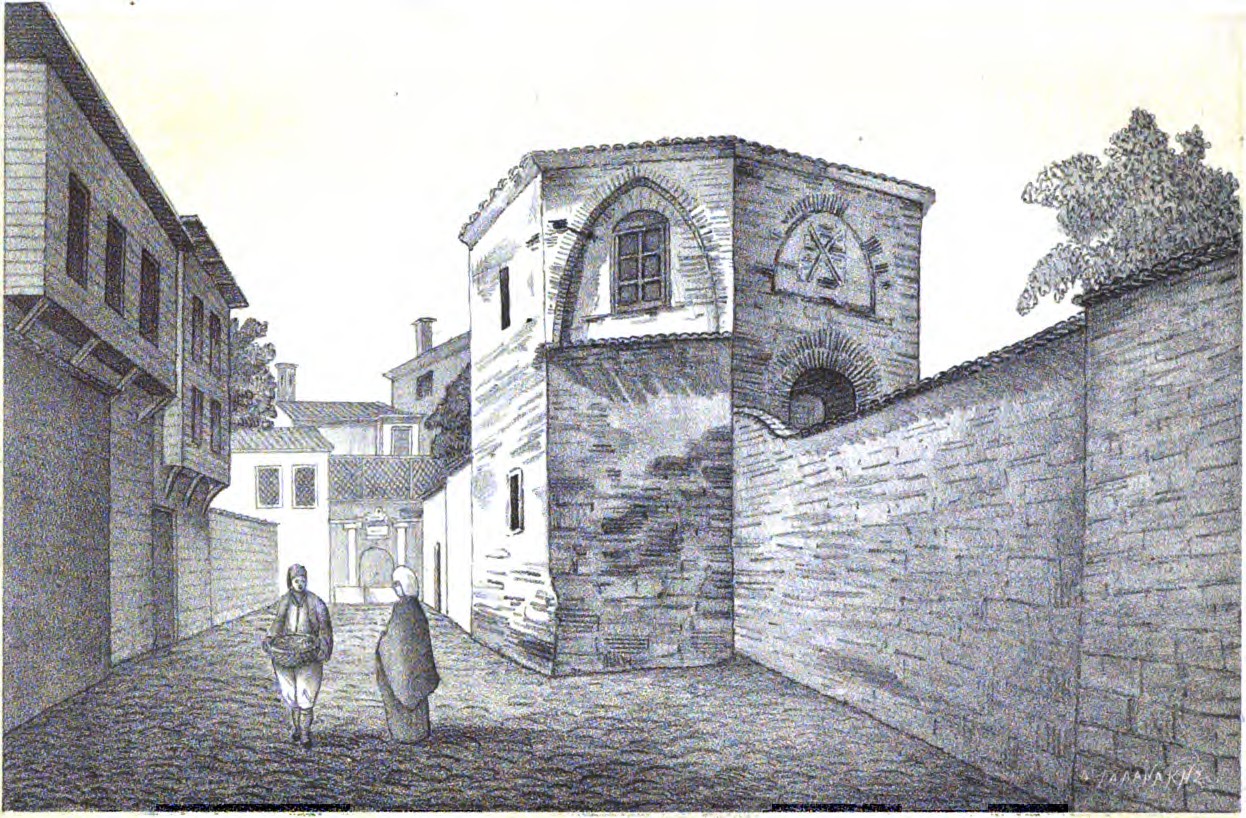
Alternating layers of cut stone and brick in the mosque’s construction recall Byzantine building techniques, while also offering seismic resilience—a pragmatic response to Istanbul’s frequent earthquakes. The exterior features a slender minaret with a conical cap, and the mosque’s simple ornamentation reflects early Ottoman aesthetics (Trek Zone).
Interior Decoration
Inside, the restrained decorative scheme is enhanced by geometric motifs and natural light filtering through arched windows. The mihrab (prayer niche) and minbar (pulpit) are crafted with understated elegance, inviting contemplation and worship.
Graveyard and Tomb
Adjacent to the mosque is a small graveyard shaded by an ancient olive tree, home to the tomb (türbe) of Rum Mehmed Pasha himself—a site of historical and personal significance (Quick Guide Istanbul).
Visiting the Rum Mehmed Pasha Mosque
Visiting Hours and Admission
- Opening Hours: Daily from 9:00 AM to 6:00 PM.
- Admission: Free of charge; donations are welcome for maintenance.
- Prayer Times: Non-Muslim visitors should avoid visiting during the five daily prayers, especially Friday noon prayers (Jumu’ah), when the mosque is reserved for worship (Lets Venture Out).
Dress Code and Etiquette
- Men: Long trousers, no sleeveless shirts.
- Women: Should cover hair, shoulders, and knees; scarves are often available at the entrance.
- All visitors: Shoes must be removed before entering the prayer hall.
- Behavior: Maintain silence, set phones to silent, and be respectful of worshippers.
Photography
Photography is generally permitted outside of prayer times, but flash and tripods should be avoided to preserve the peaceful atmosphere.
Guided Tours
While regular guided tours are not provided by the mosque, local tour operators offer in-depth explorations focusing on Ottoman architecture and Istanbul’s historical sites (Quick Guide Istanbul).
Accessibility
The mosque’s hilltop location provides stunning views but may present challenges for those with limited mobility. There are steps at the entrance and no ramps or elevators, reflecting the building’s historical origins. Staff are often willing to assist visitors who need help.
Restoration and Preservation
Major restoration in 1953 and ongoing conservation efforts have preserved the mosque’s architectural integrity and ensured its continued function as both a place of worship and a historical monument (Nomadic Niko).
Cultural and Religious Significance
Spiritual Role
The mosque is active, hosting the five daily prayers and the important Friday congregation (Jumu’ah). It serves as a focal point for community life, religious festivals, and social welfare, following the Ottoman tradition of mosques as centers for both spiritual and civic engagement (Turkish Archaeological News).
Architectural and Symbolic Value
The mosque’s architectural synthesis—blending Byzantine and Ottoman elements—symbolizes Istanbul’s historical evolution. The central dome, geometric patterns, and subtle calligraphic decoration reflect the Ottoman vision of harmony between the earthly and the divine (Islamic Arts Magazine).
Interfaith Layers
Built in a district with deep Byzantine Christian roots, the mosque sits atop centuries of religious and cultural transformation, embodying Istanbul’s layered history (Turkish Archaeological News).
Location and Accessibility
The mosque’s address in Üsküdar places it within easy reach of Istanbul’s ferry network, with regular crossings from Eminönü, Karaköy, and Beşiktaş. The Marmaray metro line and various bus routes also serve the district, making the mosque accessible from both the European and Asian sides. From the Üsküdar ferry terminal, it is a short walk to the mosque (Quick Guide Istanbul).
Visitor Experience and Practical Tips
- Best Times to Visit: Spring (April–May) and autumn (September–November) offer ideal weather and fewer crowds. Early morning or late afternoon visits are recommended for soft lighting and cooler temperatures (Istanbul Tips, Istanbeautiful).
- Combine Your Visit: Explore nearby attractions such as the Mihrimah Sultan Mosque, the Maiden’s Tower, and the bustling Üsküdar market.
- Amenities: Cafés, tea gardens, and public restrooms are available nearby. The area is safe, with a welcoming local community.
- Accessibility Notes: The main entrance involves steps; visitors with mobility challenges may require assistance. Interior navigation is straightforward once inside.
Frequently Asked Questions (FAQ)
Q: What are the Rum Mehmed Pasha Mosque visiting hours?
A: Open daily from 9:00 AM to 6:00 PM, except during prayer times.
Q: Is there an entrance fee or ticket required?
A: No, entry is free. Donations are appreciated.
Q: Are guided tours available?
A: Local tour operators offer guided visits; inquire in advance.
Q: Is the mosque accessible for visitors with disabilities?
A: Accessibility is limited due to steps at the entrance.
Q: Can I take photographs inside the mosque?
A: Yes, outside of prayer times and with respect for worshippers.
Q: What is the dress code?
A: Modest attire is required; women should cover hair, shoulders, and knees.
Summary and Recommendations
Rum Mehmed Pasha Mosque stands as a distinguished landmark in Istanbul’s architectural and cultural landscape. As the first Ottoman mosque on the Asian side, it captures the blend of Byzantine and Ottoman aesthetics and tells the story of Istanbul’s urban and spiritual transformation. With free entry, a peaceful atmosphere, and close proximity to other major sites, it is an essential stop for anyone interested in the city’s rich history.
To make the most of your visit:
- Check prayer times in advance.
- Dress modestly and bring a scarf if needed.
- Plan your trip in spring or autumn for the best experience.
- Consider combining your visit with a walk along the Bosphorus or a ferry ride.
For updated information on opening hours, events, and guided tours, refer to the Quick Guide Istanbul listing and official tourism resources.
Listen to the full story in the app
Your Personal Curator, in Your Pocket.
Audio guides for 1,100+ cities across 96 countries. History, stories, and local insight — offline ready.
Audiala App
Available on iOS & Android
Join 50k+ Curators
Sources
- verified
- verified
- verified
- verified
- verified
- verified
- verified
- verified
- verified
- verified
Last reviewed: