

Discover the Rezan Has Museum: A Journey Through Istanbul’s History
The Rezan Has Museum offers a unique opportunity to explore Istanbul’s rich heritage across millennia. Visitors can immerse themselves in the atmospheric halls of a Byzantine cistern, marvel at Ottoman industrial architecture, and engage with archaeological collections spanning Anatolian civilization from the Neolithic to the Seljuk periods.
Visiting Information
Opening Hours:
- Tuesday to Sunday: 10:00 AM – 6:00 PM
- Closed Mondays and national holidays
Ticket Prices:
- Adults: 40 TRY
- Students/Seniors: 20 TRY
- Children under 12: Free
Accessibility:
- Wheelchair access to most exhibition areas, including the main campus and cistern hall
- Assistance available upon request
Guided Tours & Visitor Services:
- Guided tours in English and Turkish (advance booking recommended)
- Audio guides available for rent
- Non-flash photography permitted; tripods not allowed
Getting There & Travel Tips
Location:
- Kadir Has Campus, Cibali Mahallesi, Fatih, Istanbul
Public Transport:
- Tram: T1 line to Cibali stop, 5-minute walk
- Bus: Multiple routes; check schedules
By Car:
- Limited parking; public transport recommended
Best Times to Visit:
- Weekday mornings for fewer crowds
- Spring and autumn for pleasant weather
Historical and Architectural Background
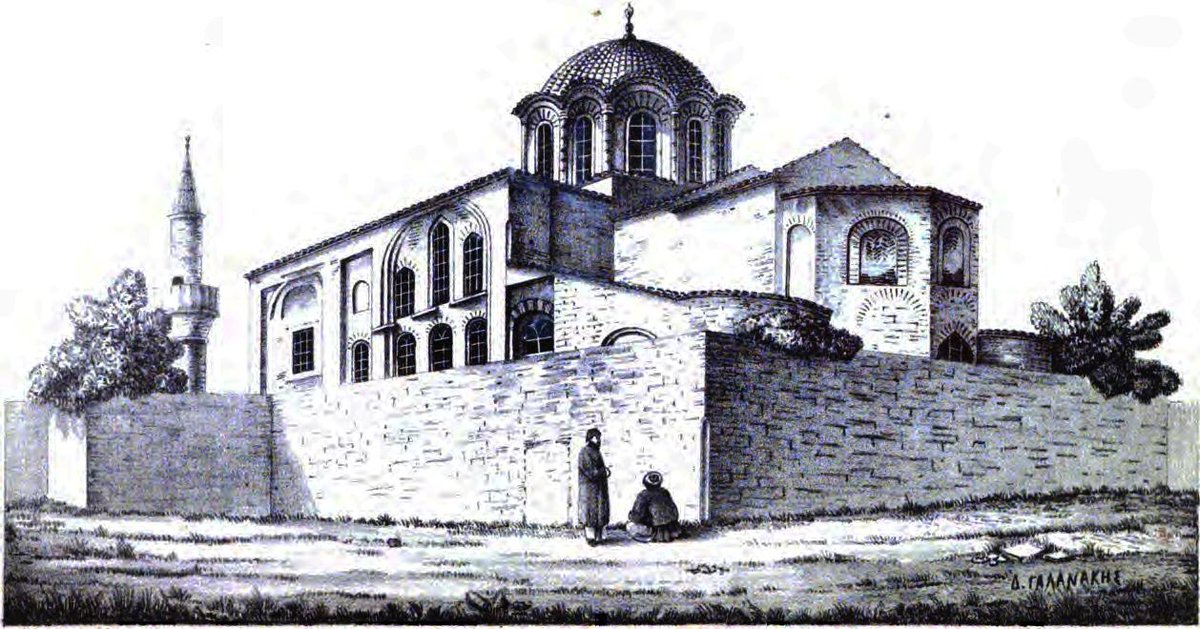
Byzantine Foundations: 11th-Century Cistern
At the museum’s core is the "Karanlık Çeşme" (Dark Fountain), a Byzantine cistern from the late 11th century. Composed of 48 arches, 15 pillars, and 20 columns, it was a crucial part of Constantinople’s water system, built to withstand centuries thanks to robust mortars and spolia columns.
Ottoman Era: Tobacco Factory and Urban Transformation
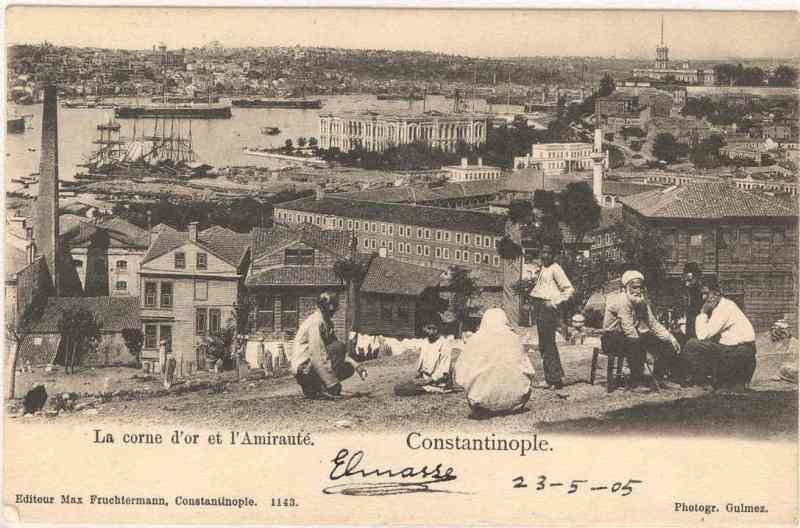
The overlying 17th-century Ottoman structure, later integrated into the Cibali Tobacco and Cigarette Factory, reflects Istanbul’s industrial evolution. During WWII, the cistern was even used for food storage, illustrating the site's adaptive reuse.
Modern Restoration and Museum Foundation
Restored in the early 2000s by the Kadir Has Foundation, the former factory was transformed into Kadir Has University’s main campus. The exemplary conservation work earned a Europa Nostra Award in 2003, and in 2007, the museum was inaugurated, named in honor of Rezan Has.
Exhibition Highlights
Archaeological Collections: Neolithic to Seljuk
The museum’s core collections trace Anatolian civilizations through millennia. The “Archaeology of Daily Life” exhibition features pottery, tools, ornaments, and ritual objects, offering a window into ancient social and spiritual practices (journees-archeologie.eu).
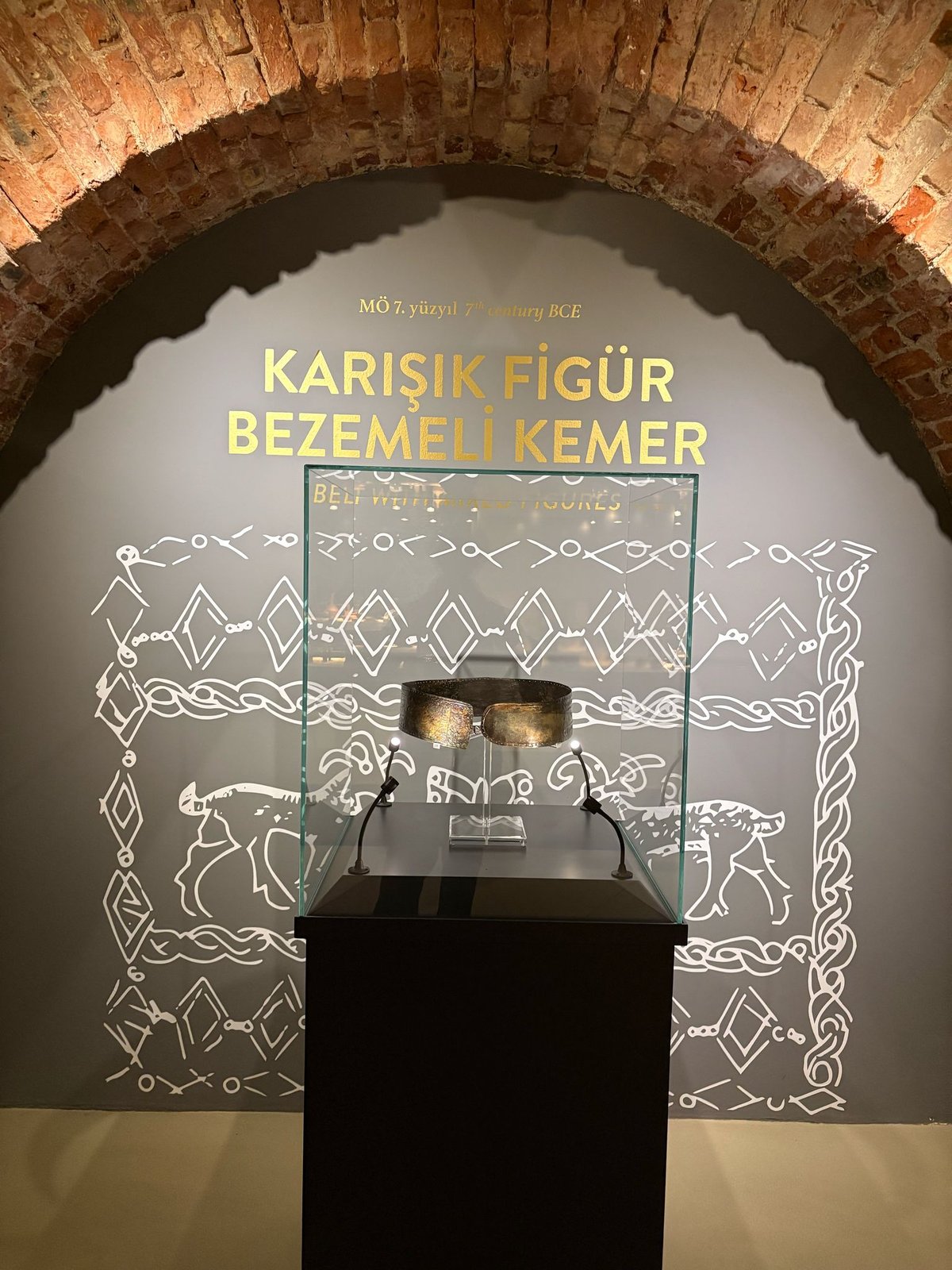
Urartian Belts & Jewellery
A world-class highlight is the Urartian collection, particularly the “Urartian Belts Exhibition” with intricately decorated bronze belts from the 9th–6th centuries BCE. The “Wide Belt with Hunting Scene” and a comprehensive jewellery assortment reflect the sophistication and artistry of the Urartians (journees-archeologie.eu; archive.org).
Goddess and Female Figurines
The “Goddess and Female Figurines Selection” explores representations of women in Anatolian art, from Neolithic fertility figurines to Roman-era icons, reflecting changing perceptions of femininity (journees-archeologie.eu).
Industrial Heritage: The Cibali Tobacco Factory
Occupying the historic Cibali Tobacco Factory, designed by Alexandre Vallaury in 1884, the museum’s “Space of Labor” exhibit presents industrial, economic, and socio-cultural histories of late Ottoman and early Republican Istanbul (journees-archeologie.eu).
The Byzantine Cistern
The museum’s basement features the 11th-century cistern with 48 arches—a rare architectural gem included in the museum tour, providing a tangible link to Istanbul’s Byzantine past (journees-archeologie.eu).
Temporary and Thematic Exhibitions
Rotating exhibitions and collaborative programs with academic partners regularly enrich the museum’s offerings (Google Arts & Culture).
Restoration and Conservation
Scientific Conservation
From 2011 to 2014, advanced “minimum intervention” techniques were used to conserve Urartian jewelry, funded by Bank of America & Merrill Lynch (academia.edu).
Diagnostic Technologies:
- Raman Spectroscopy
- X-Ray Diffraction (XRD)
- Handheld X-Ray Fluorescence (XRF)
Cleaning and Stabilization:
- Mechanical and laser cleaning under magnification
- Stabilization with climate control and reversible coatings (archive.org)
Restoration Studio:
- Visitors can observe conservation work as part of guided tours
Preventive Conservation:
- Strict environmental controls and display case management
Research Collaboration:
- Ongoing research and publications with academic partners (academia.edu)
Visitor Amenities & Practical Tips
- Facilities Restrooms and gift shop with books, souvenirs, and replicas
- Accessibility Wheelchair access to most areas; contact in advance for specific needs
- Photography Non-flash allowed; check for restrictions in certain exhibits
- Guided Tours Available in Turkish and English, best to book ahead
- Language Turkish and English signage throughout
- Duration Plan for 1–2 hours to explore fully
- Contact [email protected] | +90 212 533 65 32
Nearby Attractions & Dining
Enhance your museum visit by exploring:
- Rahmi M. Koç Museum Industrial and transport history along the Golden Horn
- Fener & Balat Districts Colorful historic neighborhoods
- Istanbul Museum of Modern Art Contemporary art
- Local Dining New Balat Cafe Restaurant, Cafe Naftalin K, Pier Cafe Restaurant, and more (wanderboat.ai)
Frequently Asked Questions (FAQ)
Q: What are the visiting hours?
A: Tuesday–Sunday, 10:00 AM–6:00 PM; closed Mondays.
Q: How much are tickets?
A: 40 TRY for adults, 20 TRY for students/seniors, free for children under 12.
Q: Is the museum accessible?
A: Most areas are wheelchair-accessible; contact ahead for specific needs.
Q: Are guided tours available?
A: Yes, in Turkish and English, with advance booking recommended.
Q: Can I take photos?
A: Yes, non-flash photography is allowed; check restrictions in select areas.
Contact Information
- Address Cibali, Kadir Has Cd., 34083 Fatih/İstanbul, Türkiye
- Phone +90 212 533 65 32
- Website rhm.org.tr