
Origins and Patronage
The foundation stone of Nuruosmaniye Mosque was laid by Sultan Mahmud I in 1749, with the mosque completed by his brother Sultan Osman III in 1755. Its construction marked an imperial initiative to revitalize Istanbul’s religious and urban landscape, strategically positioning the mosque adjacent to the Grand Bazaar to serve both spiritual and commercial needs. The külliye complex, encompassing educational and social services, mirrors the Ottoman vision of a holistic urban center (Fatih Municipality; Gotta Go Turkey).
Architectural Significance
Ottoman Baroque: Istanbul’s Architectural Turning Point
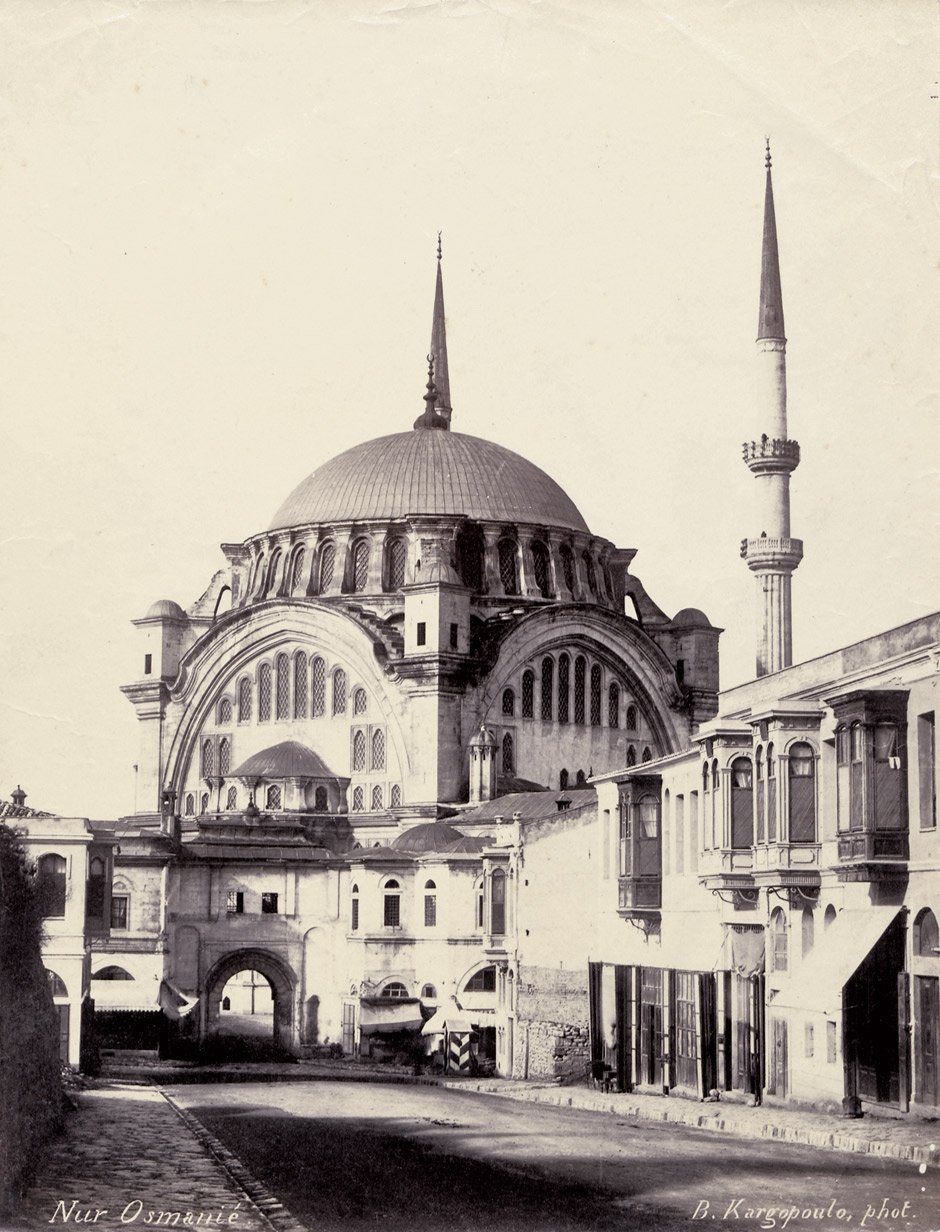
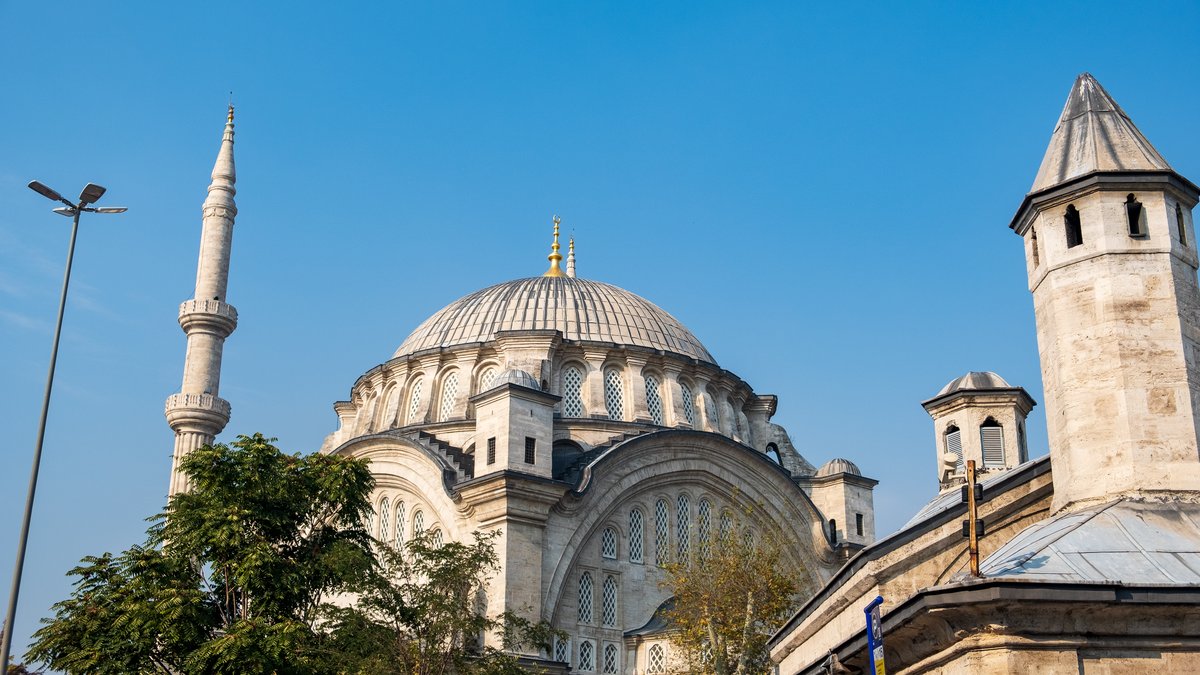
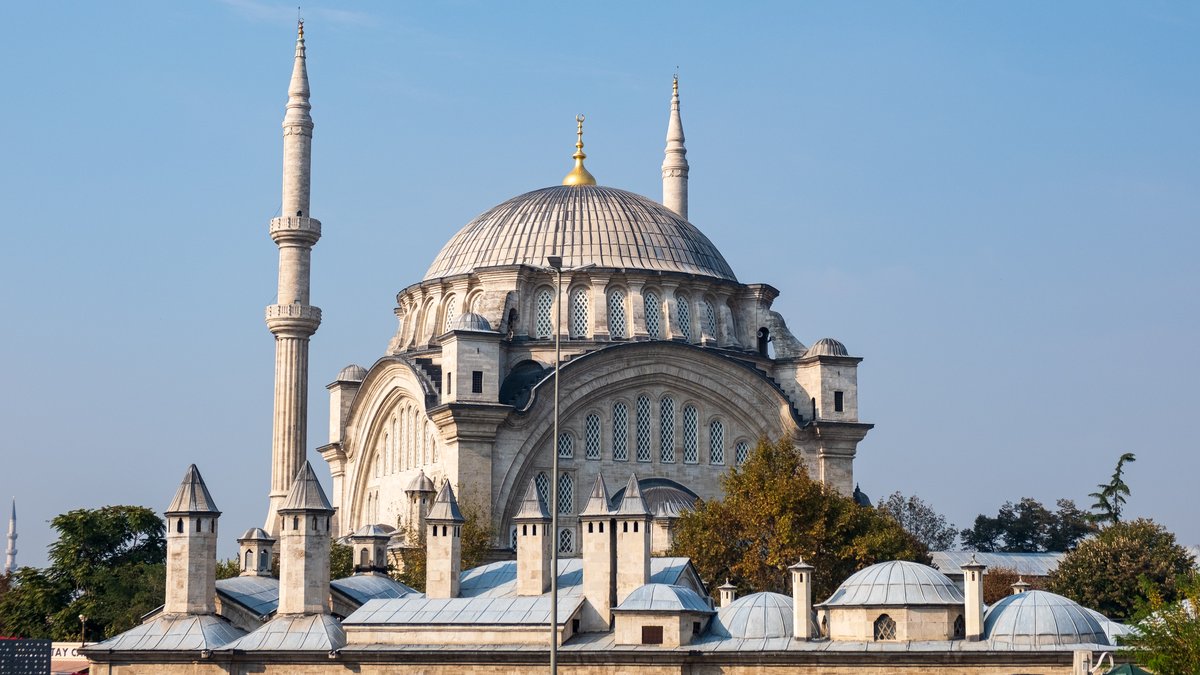
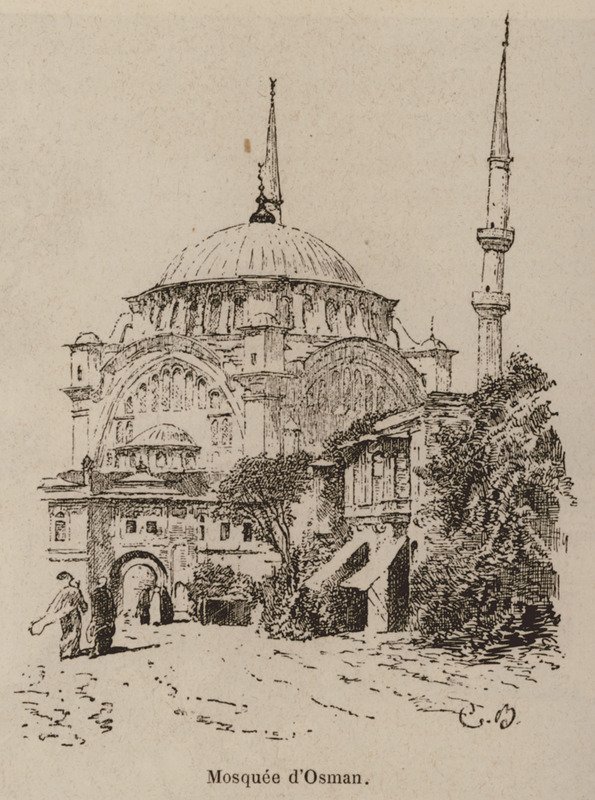
Nuruosmaniye Mosque is renowned as Istanbul’s first monumental Ottoman Baroque structure, introducing curved forms, elaborate stone ornamentation, and dynamic spatial organization. Architects Mustafa Ağa and Simeon Kalfa infused the building with European influences, reflecting the cultural shifts of the 18th-century Tulip Era (Islamic Landmarks; Atlas Islamica).
Structural Features
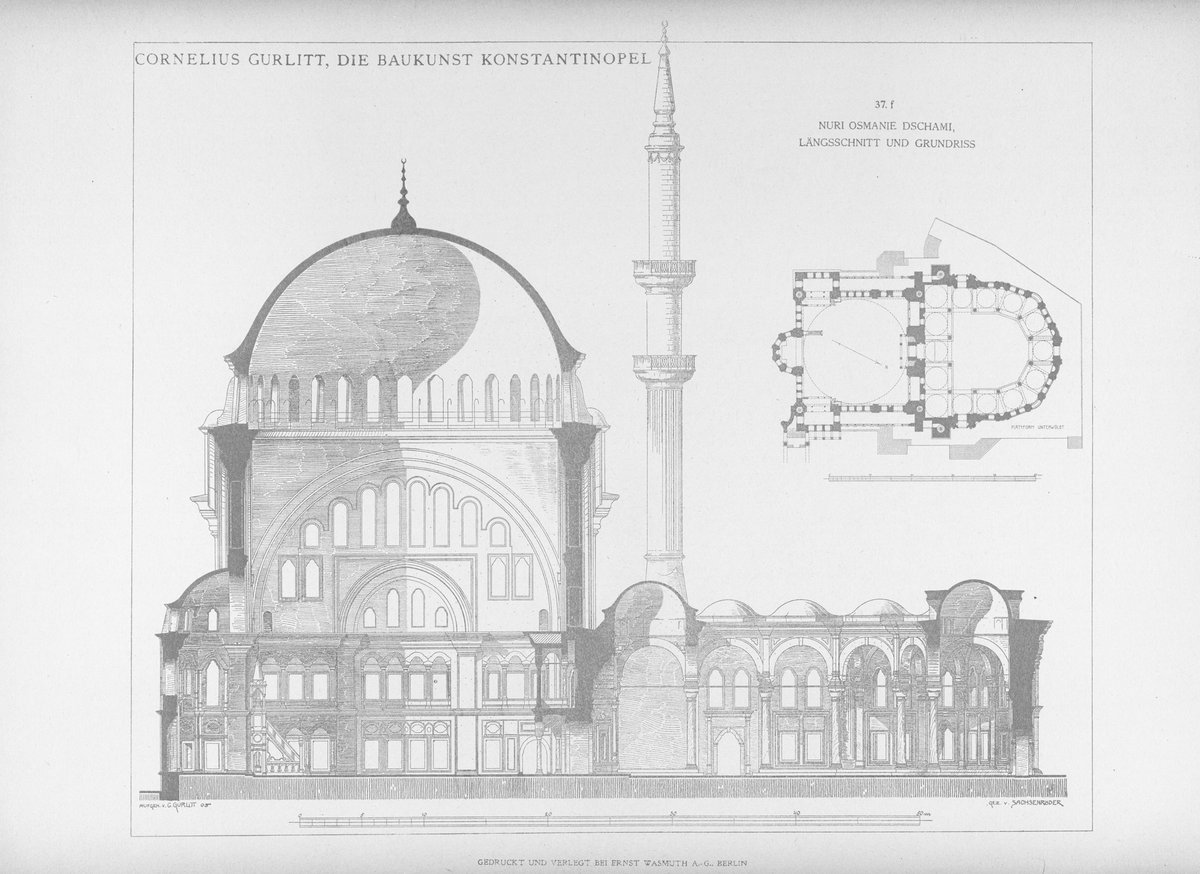
- Dome Measuring 25.5 meters in diameter and rising to 43.5 meters, the dome is the city’s fourth largest. Its ring of 32 windows—part of a total of 174 throughout the mosque—floods the prayer hall with natural light, embodying the mosque’s namesake.
- Minarets Two tall minarets, each with two balconies, are topped with innovative stone finials, departing from the traditional lead spires (Istanbul Geziyorum).
- Courtyard A unique horseshoe-shaped courtyard, surrounded by a 14-dome arcade on 12 columns, distinguishes Nuruosmaniye from its predecessors (Istanbul Mosques).
- Materials High-quality Marmara marble and repurposed columns from ancient Pergamon were used, reflecting both luxury and resourcefulness.
The Külliye Complex
The mosque’s külliye features:
- A sultan’s lodge (hünkâr mahfili) and imperial pavilion
- Madrasah (Islamic school) with 20 domed rooms
- A historic library (originally housing over 7,000 manuscripts)
- Soup kitchen, public fountain, and timekeeper’s house
- Shops and an inn, supporting the mosque’s maintenance through commercial activity (Nomadic Niko)
This multifunctional complex illustrates the Ottoman tradition of integrating religious, educational, and social welfare services.
Historical Context and Construction
The mosque’s construction during the Tulip Era signified a period of openness to European culture and arts. Integrating the mosque into the dense Grand Bazaar area posed engineering challenges, met with innovative design solutions such as the stone minaret finials and undulating portico lines. Inside, calligraphic Qur’anic verses, marble, stained glass, and gilded ornamentation reflect the mosque’s grandeur and the empire’s wealth (Islamic Landmarks).
Visitor Information
Visiting Hours & Entry
- Open Daily from 9:00 AM to 5:00 PM (some sources indicate 8:30 AM to 6:30 PM)
- Closed During the five daily Muslim prayer times (approximately 90 minutes each) and major Islamic holidays. Friday midday (Jumu’ah) prayers are especially busy and best avoided by tourists.
- Admission Free; donations are welcome (Istanbul.tips)
Accessibility
- Wheelchair access is available via ramps at main entrances.
- Some areas may have uneven surfaces; check in advance if you have mobility concerns.
Directions & Travel Tips
- Location Mollafenari, Vezirhan Cd. No:4, Fatih/İstanbul—adjacent to the Grand Bazaar (The Balkans and Beyond)
- Public Transport Near Çemberlitaş tram stop (T1 line), easy walking distance from Sultanahmet and Beyazıt.
- Taxis and buses are also available.
Best Times to Visit
- Mid-morning or mid-afternoon, outside prayer times, are ideal.
- Early mornings offer a tranquil atmosphere with fewer crowds.
Dress Code & Etiquette
- Dress modestly Women should cover hair, shoulders, and knees; men should wear long pants.
- Remove shoes before entering the prayer hall (plastic bags are provided).
- Photography Allowed, but avoid flash during prayers and do not photograph worshippers (Let’s Venture Out).
Facilities & Amenities
- Basic amenities are available nearby, including restrooms and refreshment options at the Grand Bazaar.
- The mosque courtyard provides shaded seating for reflection and rest.
Nearby Attractions & Cultural Context
Nuruosmaniye Mosque’s central location places it near many of Istanbul’s top historical sites:
- Grand Bazaar Directly adjacent, offering a vibrant shopping and cultural experience
- Çemberlitaş Column (Column of Constantine) A relic of the Byzantine era
- Çemberlitaş Hamamı Historic Turkish bath
- Süleymaniye Mosque, Blue Mosque, Hagia Sophia All within walking distance
The mosque’s proximity to these sites makes it an ideal part of a walking tour through Istanbul’s Old City (Visit Turkey).
Frequently Asked Questions (FAQ)
Q: What are the visiting hours?
A: Open daily from 9:00 AM to 5:00 PM (or 8:30 AM to 6:30 PM), closed during prayer times and major holidays.
Q: Is there an entrance fee?
A: No, entry is free; donations are appreciated.
Q: Are guided tours available?
A: Yes, many local tour operators include the mosque in Istanbul historical tours.
Q: Is the mosque accessible for people with disabilities?
A: Yes, but some historic surfaces may be uneven.
Q: What is the dress code?
A: Modest clothing covering shoulders and knees; women should cover their hair.
Q: Can non-Muslims visit?
A: Yes, outside of prayer times.
Q: Can I take photographs?
A: Yes, but avoid flash and respect worshippers’ privacy.