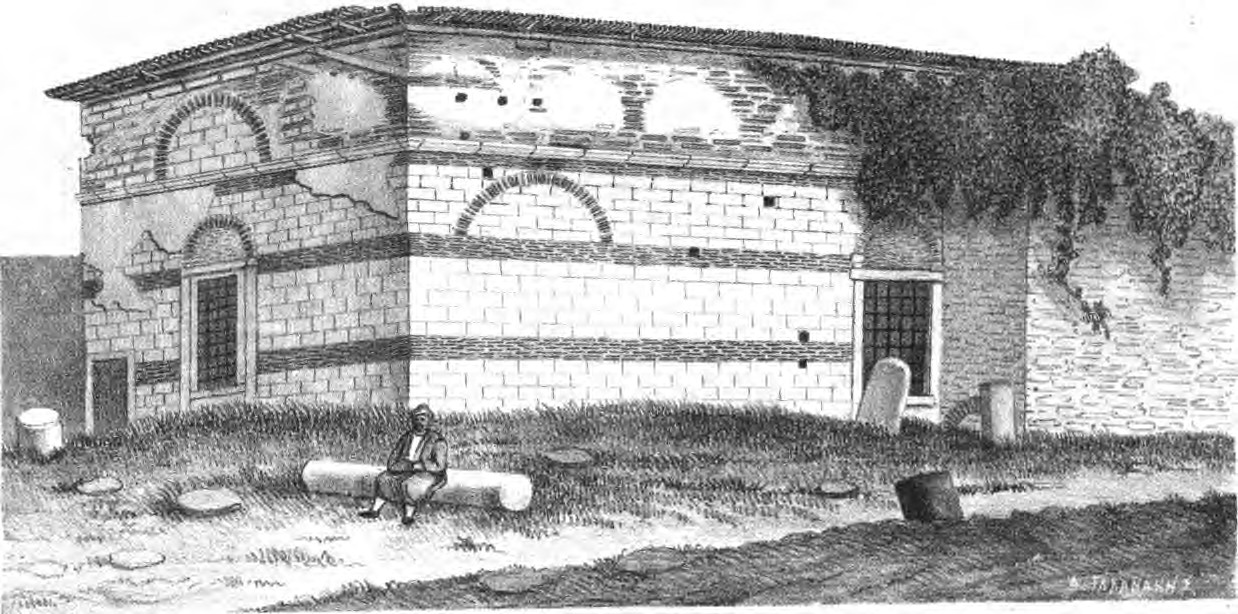
Introduction to Kontoskalion and What Visitors Should Know
Kontoskalion, historically known as the Harbour of Julian or Harbour of Sophia, is an underappreciated yet crucial landmark in Istanbul’s Kumkapı neighborhood. As the principal Byzantine harbor and later an Ottoman naval base, Kontoskalion is a living testament to the city’s maritime heritage and multicultural legacy. Although the original harbor has disappeared beneath urban development, its imprint endures through the area’s street patterns, architectural remnants, and vibrant local traditions.
Today, Kontoskalion is an open urban site with no formal visiting hours or entrance fees. Visitors are free to wander its historic streets, admire remnants of ancient sea walls, and enjoy the multicultural atmosphere of Kumkapı. The area is surrounded by notable attractions such as the Armenian Patriarchate, Greek Orthodox churches, and Istanbul’s famed fish market, creating a rich tapestry of Byzantine, Ottoman, Armenian, and Greek influences. Guided tours and cultural events provide deeper insight into the site's layered past and present.
This comprehensive guide details Kontoskalion’s historical background, accessibility, nearby attractions, and practical travel tips, ensuring a rewarding and informed visit. For further context, refer to the Istanbul City Walls Project and the Kumkapı Guide.
Historical Background
Origins and Construction
Kontoskalion was constructed in the 4th century CE under Emperor Julian as an artificial harbor on the southern shore of Constantinople’s historic peninsula. Its location, naturally sheltered from northerly winds, made it a strategic site for commerce and defense. The harbor’s substantial size—estimated at 600 meters in diameter—enabled it to serve both the imperial palace and commercial districts.
Byzantine and Ottoman Transformations
By the 6th century, Emperor Justin II expanded the harbor, renaming it the Harbour of Sophia. It flourished as Constantinople’s main commercial port, with surrounding palaces, hospitals, and churches underscoring its significance. Kontoskalion was the city’s lifeline for grain and building materials, and, following renovations by Emperor Michael VIII Palaiologos in the 13th century, it was known as Kontoskalion (“Little Pier”).
After the Ottoman conquest in 1453, the harbor became Kadırga Limanı (“Galley Harbor”). Sultan Mehmet II fortified and maintained its naval functions, but by the late 16th century, silting and urban expansion led to its decline and the emergence of Kumkapı as a residential and commercial neighborhood.
Visiting Kontoskalion Today
Location and Access
Kontoskalion is situated in Kumkapı, within Istanbul’s Fatih district, along the southern shore of the historic peninsula. The area is easily accessible by public transportation—tram T1 to Beyazıt or Laleli, Marmaray rail to Kumkapı, and local buses all serve the district. Walking from Sultanahmet takes about 20 minutes.
Visiting Hours and Tickets
As an open urban neighborhood rather than a museum, Kontoskalion has no formal visiting hours or entrance fees. Visitors can explore the district and its historical sites at any time. However, individual landmarks like churches may have specific opening times.
Guided Tours and Events
Several local organizations and licensed guides offer walking tours that weave through Kumkapı’s streets, highlighting Kontoskalion’s Byzantine and Ottoman heritage. These tours often include stops at the Armenian Patriarchate, Greek Orthodox churches, and remnants of sea walls. Cultural festivals, especially in summer, infuse the area with music, dance, and culinary events.
Accessibility
The main streets of Kumkapı are pedestrian-friendly, but some historic lanes are narrow or cobbled, which can be challenging for wheelchair users. Most restaurants and major roads are accessible, but assistance may be needed in certain areas.
Photographic Highlights
Photographers will appreciate the juxtaposition of ancient sea walls, traditional wooden houses, vibrant street scenes, and the energetic fish market. Sunset views over the Sea of Marmara provide outstanding backdrops for memorable photos.
Architectural and Archaeological Remnants
While the harbor’s original basin has vanished, its outline persists in the street grid and topography of the Kadırga Limanı neighborhood. Surviving fragments of sea walls and restored wooden houses offer a tangible link to the past. Notable nearby religious structures—such as the Armenian Patriarchate and Little Hagia Sophia (Küçük Ayasofya)—highlight the area’s architectural diversity (howtoistanbul.com).
Kontoskalion’s Historical Significance
Kontoskalion was instrumental in shaping Istanbul’s maritime and urban history. It functioned as both a commercial port and naval base, supporting Byzantine and Ottoman ambitions. The integration of the harbor with the city’s formidable sea and land walls underscores its strategic importance in urban defense and governance. Today, the Kumkapı district’s multicultural character and lively culinary scene echo Kontoskalion’s legacy as a crossroads of civilizations (everything.explained.today).
Planning Your Visit
- Getting There: Use Marmaray to Kumkapı or tram T1 to Beyazıt/Laleli, then walk south. Taxis and buses are also available.
- Best Time to Visit: Spring (April–June) and autumn (September–October) offer pleasant weather and fewer crowds.
- What to Bring: Comfortable walking shoes, a camera, and a guidebook or app for context.
- Local Cuisine: Enjoy fresh seafood and meze at Kumkapı’s renowned restaurants.
- Nearby Attractions: Combine your visit with Sultanahmet’s historic sites, the Grand Bazaar, and the city walls.
Frequently Asked Questions (FAQ)
Q: What are the visiting hours for Kontoskalion?
A: The site is open at all times, as it is an urban neighborhood.
Q: Are there entrance fees or tickets?
A: No, visiting Kontoskalion and Kumkapı is free of charge. Some religious sites may require tickets or donations.
Q: Is Kontoskalion wheelchair accessible?
A: Main streets are accessible, but some historic lanes may be uneven.
Q: How do I get there?
A: Use Marmaray rail to Kumkapı or tram T1 to Beyazıt/Laleli, then walk south.
Q: Are guided tours available?
A: Yes, several local operators and organizations offer historical walking tours.
Q: Where can I eat nearby?
A: Kumkapı is famous for seafood restaurants and lively evening dining.
Listen to the full story in the app
Your Personal Curator, in Your Pocket.
Audio guides for 1,100+ cities across 96 countries. History, stories, and local insight — offline ready.
Audiala App
Available on iOS & Android
Join 50k+ Curators
Sources
- verified
- verified
- verified
- verified
- verified
- verified
- verified
- verified
Last reviewed: