
Historical Evolution of Istanbul
From Byzantium to Constantinople
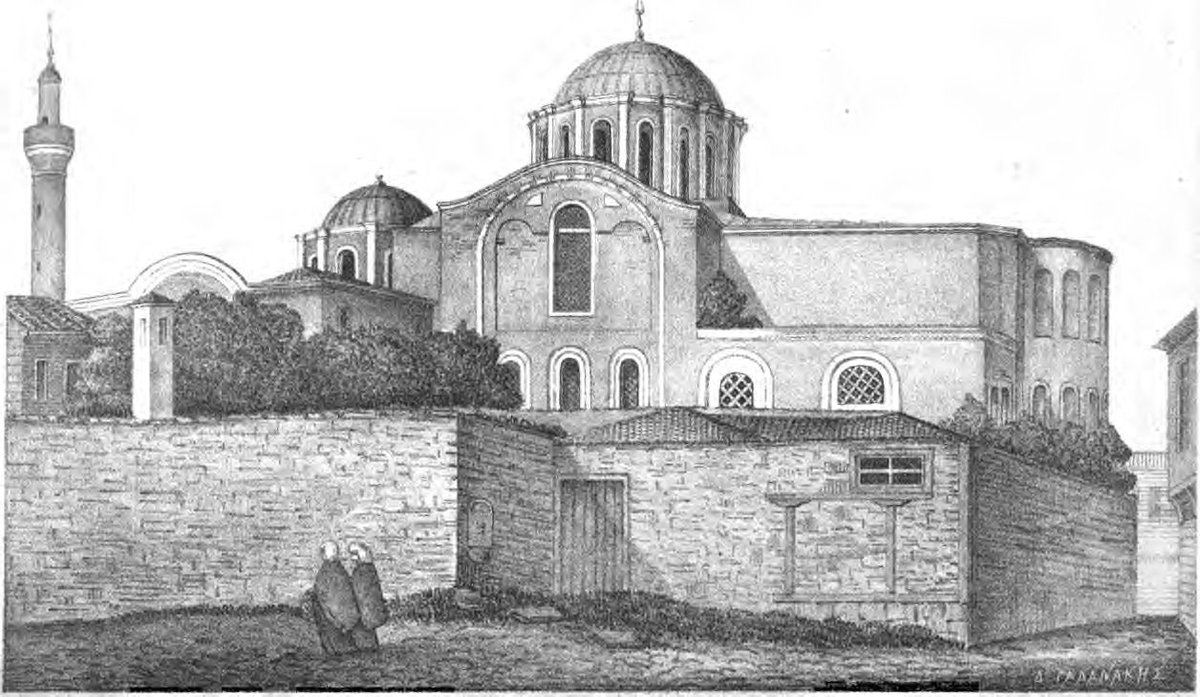
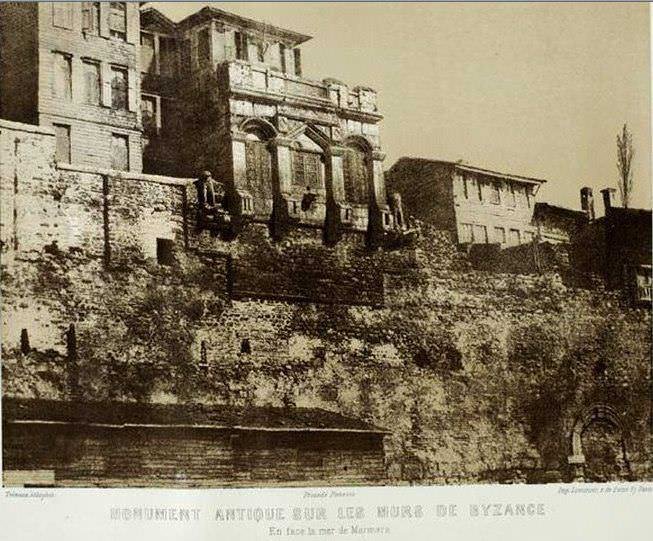
Settled in the 7th century BCE by Greek colonists, Byzantium leveraged its strategic position on the Bosphorus Strait to flourish as a trading and military hub. In 330 CE, Emperor Constantine the Great refounded the city as Constantinople, transforming it into the capital of the Roman, and later, Byzantine Empire. The city’s formidable walls and engineering marvels, such as the Hagia Sophia, established it as a bastion of Christianity and a center of culture and commerce (World History Journal).
Ottoman Conquest and Transformation
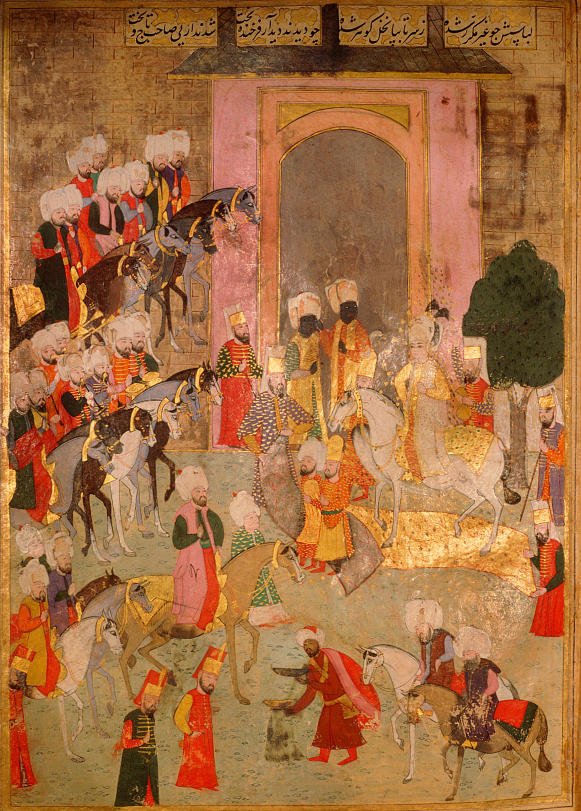
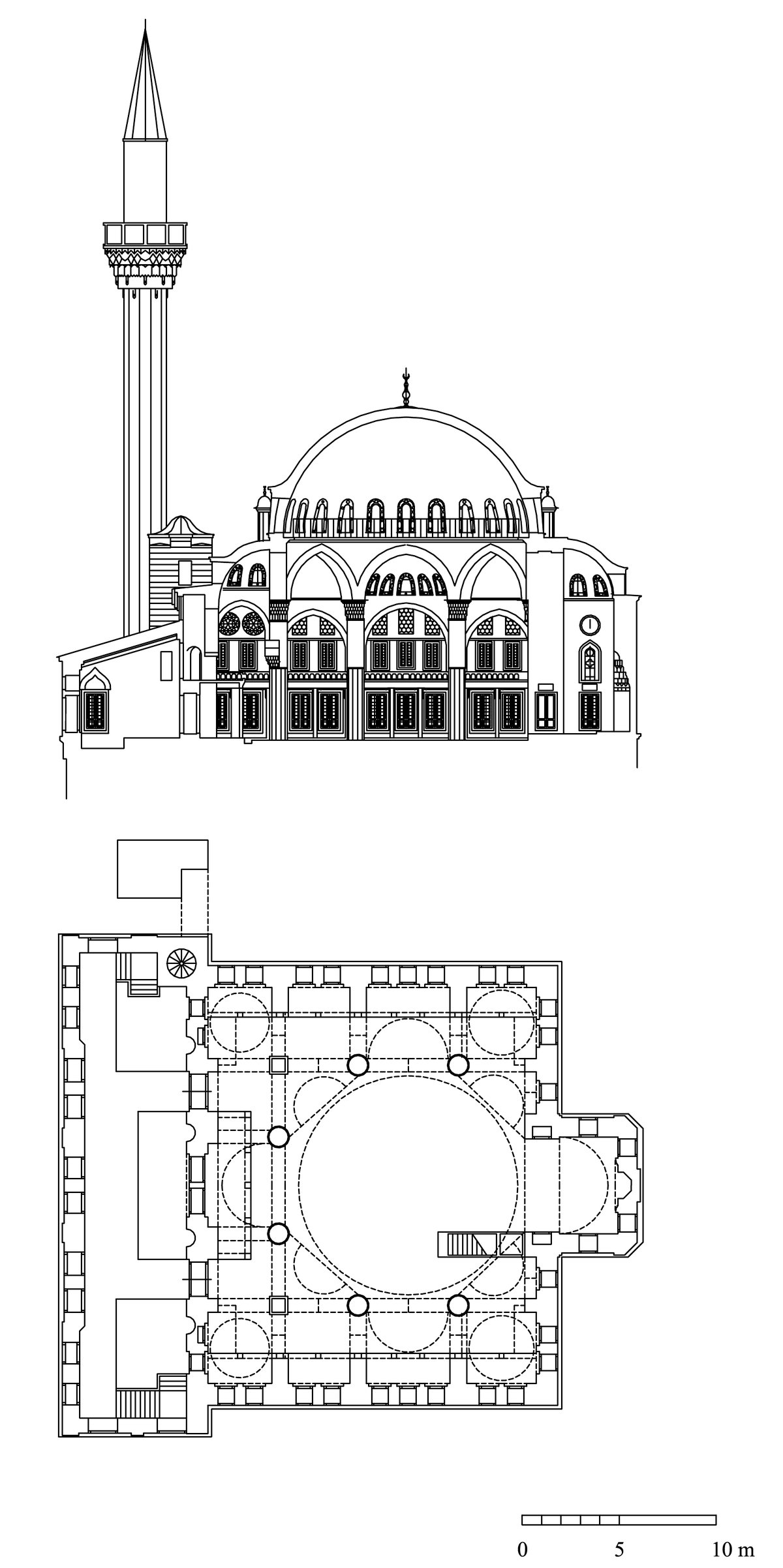
The Ottoman conquest in 1453 marked a turning point. Renamed Istanbul, the city became the heart of a vast empire. The Ottomans preserved Byzantine heritage while adding their own masterpieces—Topkapi Palace and the Blue Mosque among them. Istanbul evolved into a multicultural metropolis, with communities of Greeks, Armenians, Jews, and Muslims shaping its neighborhoods and traditions (Enjoy Turkiye, Istanbul.com).
Modernization and the Republic Era
After World War I and the establishment of the Turkish Republic in 1923, Istanbul ceded political prominence to Ankara but retained its cultural and economic significance. The city underwent rapid modernization, and today, with over 15 million residents, it is a bustling global metropolis where ancient architecture stands alongside modern skyscrapers (World History Journal).
Architectural and Cultural Heritage
Visiting Hours and Ticket Information
Understanding opening hours and ticketing helps you navigate Istanbul’s top attractions efficiently:
- Hagia Sophia (Ayasofya) Open daily, 9:00 AM – 7:00 PM (last entry 6:00 PM). Entry is free; visit outside prayer times for sightseeing (GetYourGuide).
- Topkapi Palace 9:00 AM – 6:45 PM (closed Tuesdays). Tickets: ~320 TRY; extra for Harem section (Enjoy Turkiye).
- Blue Mosque Open daily outside prayer times. Entry is free; donations welcome (History Hit).
- Grand Bazaar Mon–Sat, 9:00 AM – 7:00 PM. Free entry (The Turkey Traveler).
- Galata Tower Daily, 9:00 AM – 7:00 PM. Tickets: ~100 TRY (The Turkey Traveler).
Unique Features and Visitor Tips
- Many sites offer guided tours and audio guides. Evening illuminations at Hagia Sophia and special workshops at the Grand Bazaar are highlights.
- Accessibility: While some sites offer ramps and elevators, historic features may limit full access—check ahead for details.
Multicultural Legacy and Social Traditions
Istanbul’s neighborhoods, such as Balat and Fener, reflect its diverse heritage with mosques, churches, and synagogues coexisting side by side. The city’s cuisine, music, and arts are enriched by influences from Anatolia, the Balkans, and the Middle East (Istanbul.com). Islamic customs blend with secular values—communal tea rituals and Ramadan celebrations are integral to daily life (Lovers Istanbul).
Preservation Efforts and Modern Challenges
Sultanahmet and other historic districts are UNESCO World Heritage Sites, with ongoing restoration projects. Urbanization, seismic risks, and pollution pose challenges, but city authorities are investing in preservation and infrastructure resilience (World History Journal).
Istanbul’s Role Today: A Cultural Capital and Global City
Istanbul draws millions of visitors annually with its unique blend of history and modernity (Wander-Lush). The city is a hub for international festivals, dynamic nightlife, and diverse shopping.
Sultanahmet: The Historic Heart
Hagia Sophia (Ayasofya)
A marvel of Byzantine architecture, Hagia Sophia was built in 537 AD and has served as a cathedral, mosque, and museum. Today, it is an active mosque and UNESCO site.
- Hours Daily, 9:00 AM – 7:00 PM (may close earlier in winter or during religious events).
- Tickets Free entry.
- Accessibility Wheelchair accessible with some limitations.
- Tip Dress modestly and visit outside prayer times.
Blue Mosque (Sultan Ahmed Mosque)
Famed for its six minarets and 20,000+ İznik tiles, the 17th-century Blue Mosque remains an active place of worship.
- Hours Open outside prayer times.
- Tickets Free.
- Accessibility Partial.
Basilica Cistern
A 6th-century underground reservoir with 336 columns and an atmospheric setting.
- Hours 9:00 AM – 5:30 PM.
- Tickets ~30 TRY.
Topkapi Palace
Home to Ottoman sultans for centuries, the palace boasts imperial treasures and panoramic Bosphorus views.
- Hours 9:00 AM – 6:45 PM (closed Tuesdays).
- Tickets ~320 TRY; extra for Harem.
Museum of Turkish and Islamic Arts
Exhibits carpets, calligraphy, and Islamic artifacts in the historic Ibrahim Pasha Palace.
- Hours 9:00 AM – 6:00 PM.
- Tickets ~50 TRY.
Bazaars and Shopping Experiences
Grand Bazaar (Kapalıçarşı)
One of the world’s oldest covered markets, with 4,000+ shops.
- Hours 9:00 AM – 7:00 PM, closed Sundays.
Spice Bazaar
A 17th-century market famed for spices, sweets, and teas.
- Hours 9:00 AM – 7:00 PM, closed Sundays.
Iconic Landmarks and Panoramic Views
Galata Tower
Offers 360-degree views of Istanbul from its medieval structure.
- Hours 9:00 AM – 8:00 PM.
- Tickets ~35 TRY.
Süleymaniye Mosque
A masterpiece by architect Sinan, offering sweeping city vistas.
- Hours Open daily, outside prayer times.
Çamlıca Mosque
The largest mosque in Turkey, located on the Asian side.
- Hours Open during daytime.
Waterfront and Bosphorus Experiences
- Bosphorus Cruise Choose from short ferry rides to dinner cruises for stunning city and strait views.
- Dolmabahçe Palace 19th-century palace blending European and Ottoman styles (9:00 AM – 4:00 PM, closed Mondays; ~150 TRY).
- Maiden’s Tower (Kız Kulesi) A legendary islet accessible by boat.
Neighborhoods and Modern Attractions
- Taksim Square & Istiklal Avenue Shopping, cafés, nightlife.
- Kadıköy & Moda Trendy Asian-side districts with street art and markets.
- Balat & Fener Colorful historical quarters.
Historical Fortresses and Museums
- Yedikule Fortress 5th-century fortification with Marmara views.
- Istanbul Archaeological Museums Over a million artifacts.
- Galata Mevlevi Museum Dedicated to Sufi Whirling Dervish traditions.
Unique Experiences
- Turkish Bath (Hamam) Try historic hamams like Çemberlitaş.
- Whirling Dervish Shows Witness the Sema ceremony at Galata Mevlevihanesi.
- Food Tours Sample simit, baklava, and more.
Parks and Green Spaces
- Belgrad Forest Ideal for hiking and picnics.
- Gülhane Park Historic park near Topkapi Palace.
Notable Day Trips
- Princes’ Islands Car-free islands with Victorian mansions.
- Bursa and Gallipoli Organized historical tours.
Contemporary Attractions
- Istanbul Modern Art Museum Turkish and international contemporary art.
- Vialand Theme Park & Aquarium Family-friendly fun.
Guided Tours, Special Events & Photographic Spots
- Book guided tours for deeper insights—many venues offer official options.
- Attend cultural festivals and exhibitions.
- For photography, sunrise at Galata Tower or sunset from Çamlıca Mosque hill are exceptional.
Visiting Hagia Sophia
History and Cultural Significance
Commissioned by Emperor Justinian I in 537 AD, Hagia Sophia was the world’s largest cathedral for centuries. After the Ottoman conquest, it became a mosque, and today, it functions as both a mosque and a museum, embodying Istanbul’s rich religious and architectural legacy.
Visiting Hours and Ticket Information
- Hours Daily, typically 9:00 AM – 7:00 PM in summer, 9:00 AM – 5:00 PM in winter. Closed Mondays and during major religious events.
- Entry Free since 2020 (as an active mosque). Check for updates on restricted access during prayer times.
- Guided Tours Available via official platforms (Official Hagia Sophia Website).
Getting There and Accessibility
Located in Sultanahmet, accessible by tram (T1, Sultanahmet stop). Wheelchair access is available in many areas; some ancient sections may be less accessible.
Social Etiquette
- Dress modestly (cover shoulders and knees; women should have a scarf).
- Remove shoes before entering prayer sections.
- Maintain a respectful and quiet demeanor.
Special Events and Guided Tours
Hagia Sophia hosts occasional exhibitions and cultural events. Book group or private tours for in-depth historical context.
Nearby Attractions
Within walking distance: Blue Mosque, Topkapi Palace, Basilica Cistern.
Practical Visitor Tips for Istanbul
Entry Requirements and Visas
Most travelers require a visa. Obtain an e-visa through the official Turkish e-visa website.
Accommodation
Choose Sultanahmet for historic ambiance, Beyoglu for nightlife, Karakoy for café culture, or Kadikoy for a local vibe.
Getting Around
Use the Istanbulkart for public transport (trams, metros, ferries).
Safety and Health
Beware of pickpockets in crowds. Tap water is not recommended for drinking.
Cultural Etiquette
Respect dress codes in mosques and avoid political discussions.
Money and Payments
Turkish Lira (TRY) is the official currency. Bargaining is expected in markets.
Connectivity
Free Wi-Fi is common; local SIM cards are available.
Packing Tips
Bring comfortable shoes and clothing suitable for religious sites.
Frequently Asked Questions (FAQ)
Q: What are the best times to visit historical sites?
A: Early mornings or late afternoons for fewer crowds and better light.
Q: How can I buy tickets for attractions?
A: Online in advance or at site entrances; online booking is recommended.
Q: Are sites wheelchair accessible?
A: Many have partial access; check each site in advance.
Q: What is the dress code for mosques?
A: Modest attire required; women should cover heads.
Q: Is photography allowed?
A: Yes, but avoid flash/tripods and respect prayer areas.
Visual Highlights
- Interior of Hagia Sophia with grand dome and mosaics
- Panoramic view from Galata Tower
- Bustling shops inside the Grand Bazaar
Discover More
Istanbul’s unique blend of heritage and modernity offers something for every traveler. Planning ahead—checking visiting hours, securing tickets, and respecting local customs—will ensure you experience the city’s wonders to the fullest. For real-time updates, personalized guides, and exclusive offers, download the Audiala app. Follow us for more travel inspiration and embark on your Istanbul adventure with confidence.