Plan and listen to Great Palace Of Constantinople with Audiala.
Audio guide in your pocket, itinerary in your browser. Built for the way you actually visit.
Introduction
The Great Palace of Constantinople is an enduring emblem of Byzantine imperial grandeur and cultural heritage, located in Istanbul’s Sultanahmet district. Established in the early 4th century by Emperor Constantine I as the political and ceremonial heart of the Byzantine Empire, the palace symbolized the continuity of Roman power infused with Christian significance. While most of the original palace structures have disappeared beneath centuries of urban development and Ottoman transformation, its legacy lives on through remarkable archaeological remains. Chief among these is the collection of exquisite floor mosaics, now preserved in the Great Palace Mosaic Museum. These mosaics offer a vivid glimpse into Byzantine court life and artistry, captivating historians and travelers alike. This guide provides essential insights into the palace’s history, visiting information, accessibility, and travel tips for those seeking to connect with Istanbul’s Byzantine past (The Byzantine Legacy, World History Encyclopedia, Turkey Things).
Origins and Early Construction
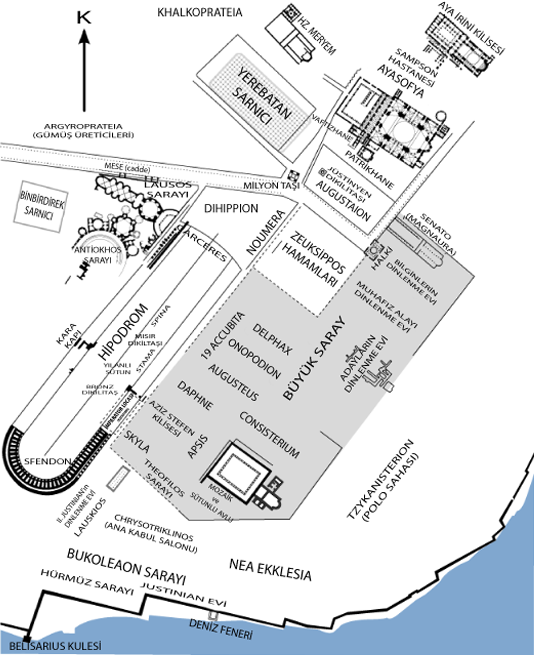
The Great Palace of Constantinople, also known as the Sacred Palace (Ἱερὸν Παλάτιον), was conceived as the ceremonial and administrative nucleus of the Byzantine Empire. Constructed by Emperor Constantine I following his foundation of Constantinople in 330 CE, the palace was strategically positioned between the Hippodrome and the Sea of Marmara, in today’s Sultanahmet district (The Byzantine Legacy). Its proximity to major religious and civic structures like Hagia Sophia and the Augustaion forum emphasized its political and spiritual centrality.
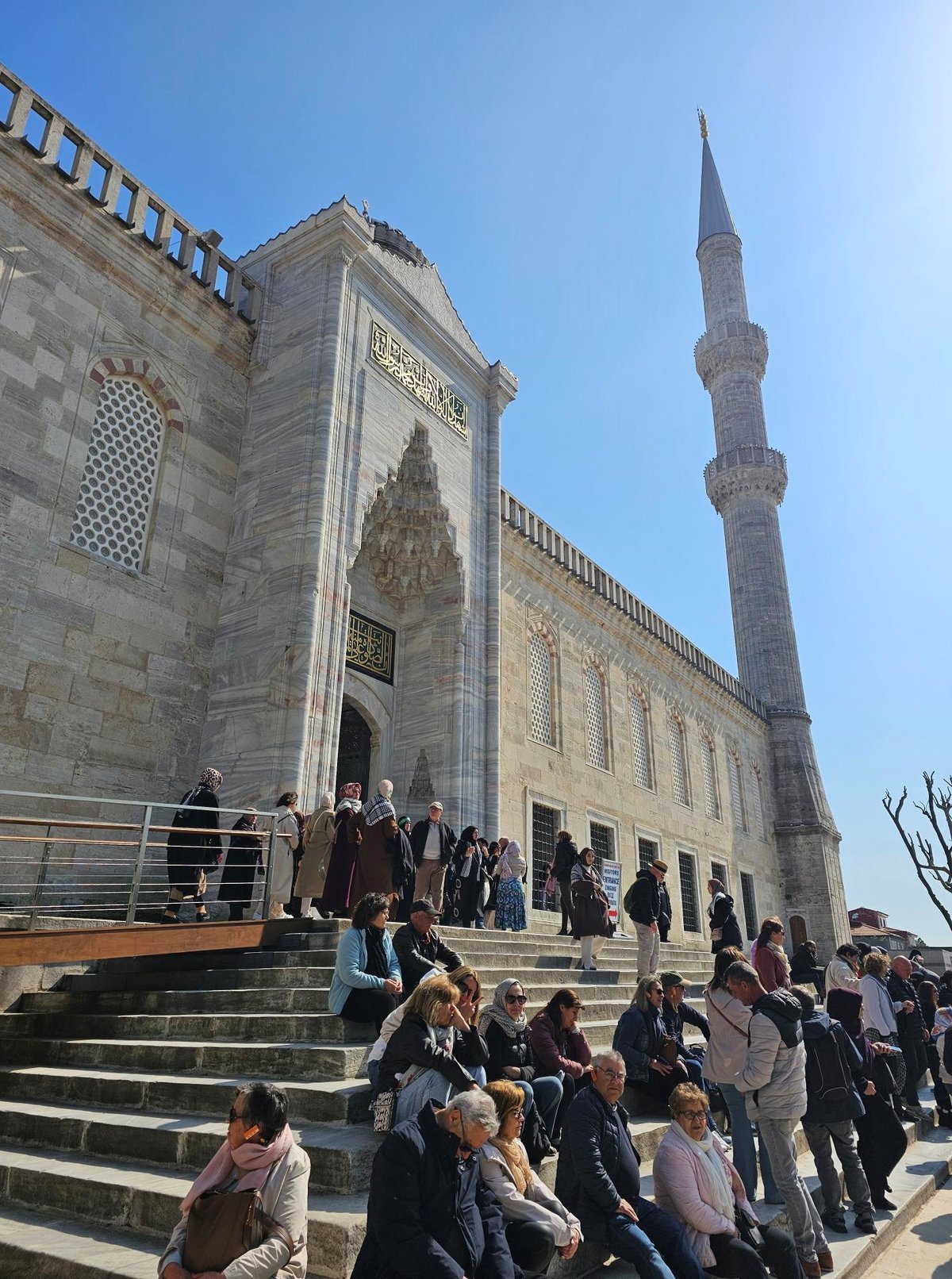
The earliest section, the Palace of Daphne, was likely built where the Blue Mosque now stands. Drawing inspiration from Roman imperial villas, the palace featured porticoed courtyards, gardens, and monumental vestibules, setting the standard for Byzantine palatial architecture.
Architectural Evolution and Expansion
Over the centuries, successive emperors expanded and modified the Great Palace complex. Encompassing an eclectic ensemble of buildings connected by corridors and colonnaded walkways, the palace was bounded by the Hippodrome to the west, the sea walls to the south, and the Augustaion and Hagia Sophia to the north and east (World History Encyclopedia).
Key features included:
- The Chalke Gate: The main ceremonial entrance, adorned with bronze doors and mosaics.
- The Palace of Daphne: The original residential wing with private apartments and gardens.
- The Magnaura: A grand audience hall for official receptions.
- The Chrysotriklinos: The famed "Golden Hall," richly decorated with mosaics and serving as the imperial throne room.
- Chapels and Oratories: Such as the Chapel of the Virgin of the Pharos, housing significant relics.
- Gardens and Courtyards: Inspired by Roman villa layouts, providing both leisure and ceremonial spaces.
Defensive walls were added during Justinian II’s reign, underlining the palace’s secure and exclusive status.
Role and Significance in Byzantine History
For over eight centuries, the Great Palace served as the primary residence and administrative center of the Byzantine emperors. It hosted elaborate ceremonies, diplomatic meetings, and daily court life, symbolizing the divine authority and continuity from Roman to Byzantine traditions. The palace’s design and ceremonial protocols influenced both later European and Islamic palatial complexes (World History Encyclopedia).
Decline, Destruction, and Ottoman Transformation
The Fourth Crusade’s sack of Constantinople in 1204 marked the beginning of the palace’s decline. Although occupied by Latin emperors, it soon fell into neglect. After the city’s reconquest in 1261, the Byzantine emperors shifted residence to the Blachernae Palace. Following the Ottoman conquest in 1453, Sultan Mehmed II abandoned the Great Palace ruins in favor of constructing the nearby Topkapi Palace (Turkey Things). Today, only fragments have been excavated, with much of the original site hidden beneath later buildings (World History Encyclopedia).
Artistic and Architectural Legacy
The palace’s mosaics, preserved in the Great Palace Mosaic Museum, exemplify the sophistication of Byzantine art, with intricate geometric patterns and vivid mythological and daily life motifs (The Byzantine Legacy). Architecturally, its blend of ceremonial, residential, and religious functions influenced medieval palaces throughout Europe and the Middle East.
Visiting Information
Is the Great Palace of Constantinople Open to the Public?
The original palace structures are no longer visible above ground, and the site itself is largely inaccessible due to later construction, including the Blue Mosque. However, visitors can explore the Great Palace Mosaic Museum, which displays stunning mosaics excavated from the palace grounds.
Visiting Hours and Tickets for the Great Palace Mosaic Museum
- Location: Arasta Bazaar, behind the Blue Mosque, Sultanahmet, Fatih, Istanbul.
- Hours: Typically open from 9:00 AM to 5:00 PM, though hours may vary seasonally.
- Tickets: Admission is modest, and discounts are available for students and seniors. The Istanbul Museum Pass is accepted, offering savings for those visiting multiple sites. Purchase tickets onsite or online via official museum resources.
Important: As of mid-2025, the Great Palace Mosaic Museum is temporarily closed for restoration. Visit the official Istanbul Archaeological Museums website for reopening updates.
Accessibility
The museum is wheelchair accessible, with ramps and elevators available. The surrounding Sultanahmet district is largely pedestrian-friendly, although some areas in the Arasta Bazaar may be uneven.
Guided Tours and Travel Tips
- Guided Tours: Many local operators offer tours focusing on Byzantine history, including the Great Palace mosaics, Hippodrome, and Hagia Sophia.
- Travel Tips:
- Visit early in the day to avoid crowds.
- Wear comfortable shoes due to uneven surfaces.
- Combine your museum visit with other nearby sites for a comprehensive experience.
- Modest attire is recommended in this culturally significant area.
- Check for the latest museum status and ticket options online before visiting.
How to Get There
- By Tram: Take the T1 tram line to Sultanahmet station, then walk through the Arasta Bazaar.
- By Bus: Numerous city buses serve the area.
- By Foot: The district is pedestrian-friendly and close to major landmarks.
What to See: The Great Palace Mosaics
The museum’s highlight is its collection of stunning floor mosaics, covering about 180 square meters. These mosaics depict vibrant scenes from nature, mythology, and daily Byzantine life—griffons, lions, children herding geese, and hunters—serving as rare examples of late antique secular art in Istanbul.
Nearby Attractions
Enhance your visit with these nearby sites:
- Hagia Sophia: A masterpiece of Byzantine architecture, former cathedral and mosque.
- Hippodrome of Constantinople: Ancient chariot-racing stadium, with monuments like the Serpent Column and Obelisk of Theodosius.
- Topkapi Palace: Ottoman imperial residence, a short walk away.
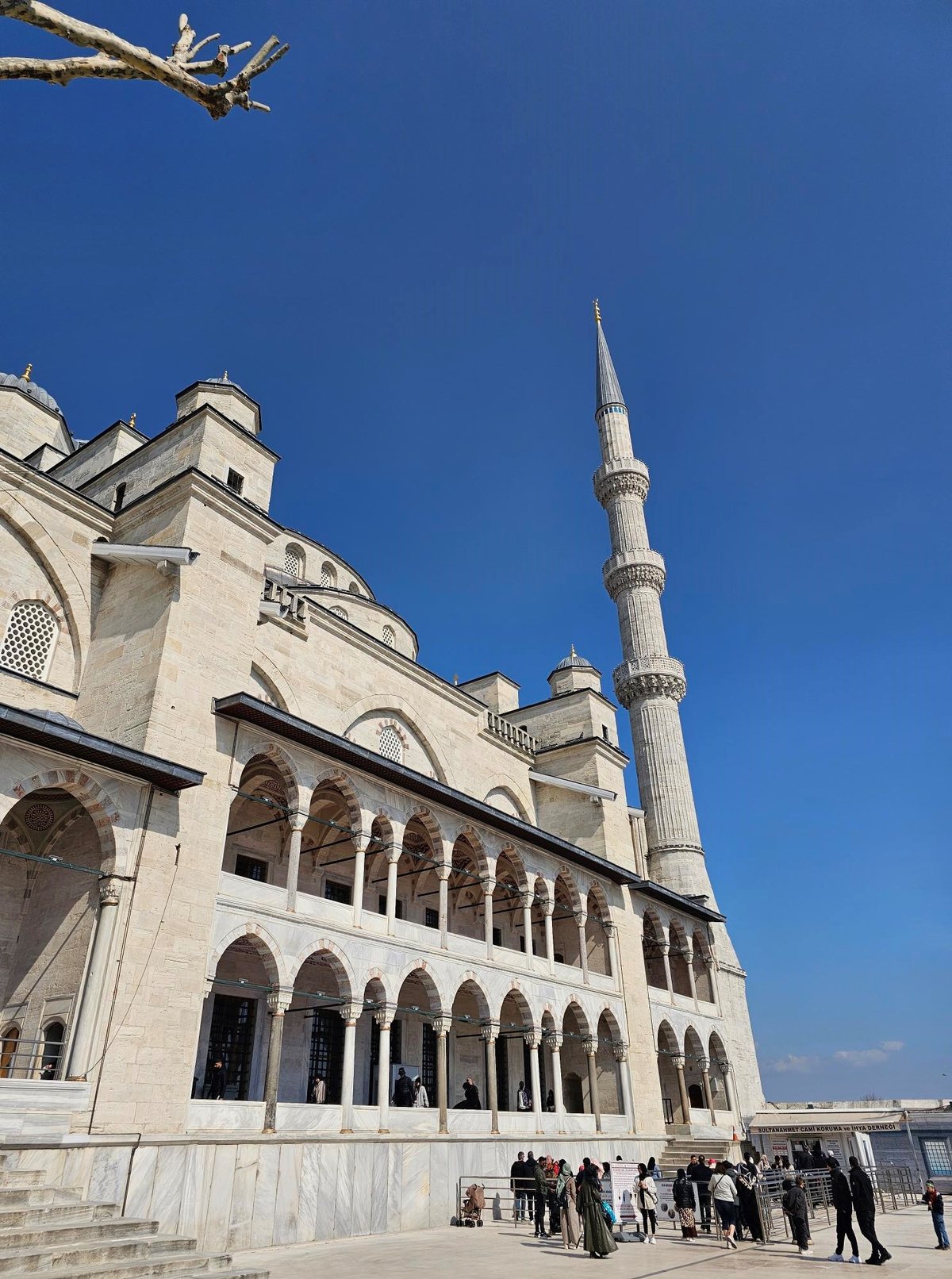
- Blue Mosque (Sultanahmet Mosque): Iconic Ottoman-era mosque built adjacent to the original palace site.
- Arasta Bazaar: A vibrant market for souvenirs and refreshments.
Frequently Asked Questions (FAQs)
Q: Can I visit the original Great Palace buildings?
A: No, the original structures are not visible above ground. The best way to experience the palace’s legacy is through the mosaics at the Great Palace Mosaic Museum.
Q: Is the Great Palace Mosaic Museum open?
A: As of mid-2025, it is closed for restoration. Check official sources for reopening dates.
Q: How much are tickets?
A: When open, tickets cost around 10 Euros (about 60 Turkish Lira). The Istanbul Museum Pass is accepted.
Q: Is the museum accessible?
A: Yes, the museum is wheelchair-accessible, but the approach via the Arasta Bazaar has some uneven surfaces.
Q: What other historical sites are nearby?
A: Hagia Sophia, Hippodrome, Topkapi Palace, Blue Mosque, and Arasta Bazaar are all within walking distance.
Q: Are guided tours available?
A: Yes, many local guides offer Byzantine-themed tours including the Great Palace mosaics.
Listen to the full story in the app
The whole Great Palace Of Constantinople,
told well.
Audio guides for 1,100+ cities across 96 countries. History, stories, and local insight — offline ready.

Verified, and shown.
Researched and written by the Audiala editorial team from historical records, architectural archives, and local expertise.
Researched from Wikidata, Wikipedia & official sources · fact-checked · How we make our guides →