Introduction
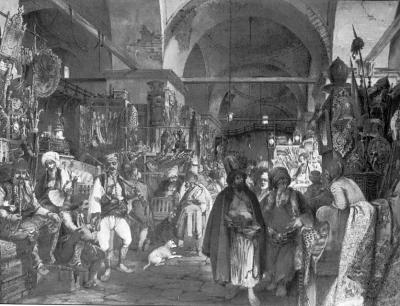
The Grand Bazaar (Kapalıçarşı) in Istanbul stands as one of the world’s oldest and largest covered markets. This bustling hub of commerce, culture, and history draws millions of visitors annually. With origins dating back to the 15th century, the bazaar is not only a shopping paradise but also a living monument to Istanbul's rich heritage and unique position as a crossroads between Europe and Asia (Artifacts Travel; The Istanbul Insider). This guide provides essential information on visiting hours, tickets, accessibility, travel tips, and the bazaar’s enduring cultural significance.
Foundation and Growth
The Grand Bazaar was commissioned by Sultan Mehmed II shortly after the Ottoman conquest of Constantinople in 1453. Its core, the Cevahir Bedesten, was completed in 1461, serving as the nucleus for what would become a sprawling network of shops and streets (The Istanbul Insider). The addition of the Sandal Bedesten soon followed, expanding the bazaar’s commercial reach, particularly in textiles.
By the 17th century, the bazaar had evolved into a labyrinth of over 4,000 shops distributed across more than 60 covered streets, making it one of the largest markets globally (Istanbeautiful; Travel Earth).
Resilience and Adaptation
The Grand Bazaar has survived numerous fires, earthquakes, and periods of political upheaval. Restoration efforts over the centuries have maintained its structural integrity and historical character (Artifacts Travel). Even as modern shopping malls and online commerce have proliferated, the bazaar remains a vital center of trade and tourism in Istanbul (Istanbeautiful).
Architectural Highlights
Layout and Structure
Covering approximately 30,700 square meters, the Grand Bazaar is a true maze, with 61 distinct streets and over 4,000 shops (visitturkey.in). Its 22 gates—most notably Beyazıt, Nuruosmaniye, and Mahmutpaşa—offer access to the market from all sides (iupress.istanbul.edu.tr).
Domes, Vaults, and Bedestens
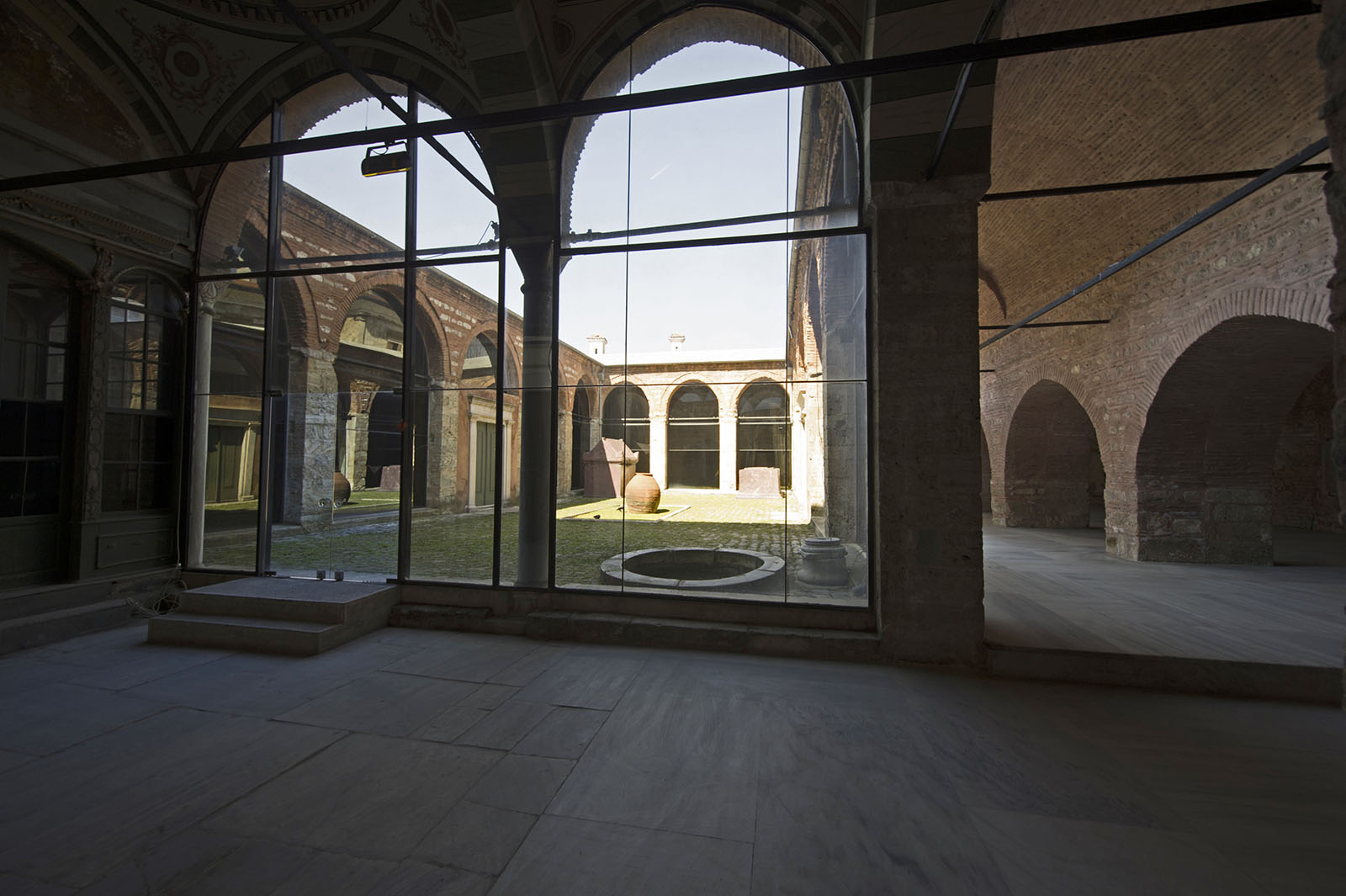
The bazaar’s architecture features numerous domes and vaulted ceilings, especially in the historic Cevahir and Sandal Bedestens, which were originally designed to protect valuable merchandise (eldoradogalata.com). Decorative elements such as intricate tilework, calligraphy, and marble floors highlight Ottoman artistry and provide a unique ambiance (visitturkey.in).
Restoration Efforts
After centuries of use and multiple disasters, restoration projects have focused on preserving the bazaar’s authenticity while improving visitor safety and accessibility (iupress.istanbul.edu.tr).
Economic and Cultural Importance
Commercial Hub
The Grand Bazaar has been the beating heart of Istanbul’s economic life since its inception. Merchants from across the Mediterranean, the Middle East, and Europe have long converged here, establishing the market as a global trading node (Roadtrip Turkey). The guild system regulated quality and prices, while also fostering artisan training and apprenticeships (Daily Sabah).
Cultural Traditions
The bazaar is a living showcase of Turkish culture—its vibrant atmosphere, haggling traditions, and hospitality remain central to the visitor experience (Artifacts Travel). Guild-based organization persists in the clustering of crafts: jewelry, carpets, ceramics, leather, and metalwork are found in dedicated sections (Istanbul Tips).
Modern Significance
Today, the bazaar directly employs thousands and supports many more through logistics, hospitality, and related industries. In 2022, it welcomed around 40 million visitors, significantly boosting Istanbul’s tourism sector (gowithguide.com; theothertour.com).
Visiting Essentials
Hours and Entry
- Opening Hours: Monday to Saturday, 9:00 AM to 7:00 PM; closed on Sundays and public holidays (Chasing the Donkey).
- Entry: Free of charge for all visitors. Guided tours and special exhibitions may require advance booking or additional fees (museumpass.istanbul).
Getting There
- Public Transport: The Beyazıt-Kapalıçarşı tram stop (T1 line) is closest. Metro (Vezneciler, M2 line), buses, and taxis all serve the area (Chasing the Donkey).
- Walking: The bazaar is a 15–20 minute walk from Sultanahmet and other major landmarks.
- Address: Beyazıt, 34126 Fatih/Istanbul.
Accessibility
While the bazaar has improved accessibility with ramps at key entrances, many areas still feature uneven cobblestone surfaces and narrow passageways. Wheelchair access is partial; it’s best to confirm arrangements with tour operators if needed (Nannybag).
Guided Tours and Events
Guided tours offer insights into the bazaar’s history, architecture, and crafts. Themed walks are available, focusing on topics like Turkish carpets, jewelry, or culinary traditions. Occasional festivals and live performances enliven the bazaar, especially during holidays (travelstoreturkey.com).
Tips for Visitors
- Visit Early: Mornings are quieter and more relaxed.
- Wear Comfortable Shoes: Extensive walking and stone floors require good footwear.
- Bring Cash: Some vendors do not accept cards, and cash is preferred for bargaining.
- Use Maps/Apps: The bazaar’s layout can be confusing; free maps and navigation apps are helpful (Nannybag).
- Be Ready to Haggle: Bargaining is traditional and expected.
- Stay Alert: Pickpocketing is rare but possible in crowds.
Shopping and Local Experience
What to Expect
The bazaar is divided into specialized sections for jewelry, carpets, leather, textiles, ceramics, and spices. Many shops are family-run, preserving traditional crafts. Vendors may offer tea as a sign of hospitality, and haggling is part of the experience (The Tourist Checklist).
Etiquette
- Greet vendors with “Merhaba” (hello) and thank them with “Teşekkür ederim.”
- Sampling is encouraged, but try to purchase if you sample multiple items.
- Modest dress is appreciated near religious sites.
Food and Refreshments
Numerous cafes serve Turkish tea, coffee, baklava, börek, and other local specialties. Free samples of Turkish delight and dried fruits are common (Nannybag).
Nearby Attractions
Within walking distance of the bazaar are several of Istanbul’s most famous historical sites:
- Hagia Sophia
- Blue Mosque
- Spice Bazaar (Egyptian Bazaar)
- Basilica Cistern
Combining visits can enrich your Istanbul experience (Nannybag).
Frequently Asked Questions (FAQ)
Q: What are the Grand Bazaar’s visiting hours?
A: Monday to Saturday, 9:00 AM to 7:00 PM; closed Sundays and public holidays.
Q: Do I need a ticket?
A: No, entry is free. Some tours or events require tickets.
Q: Is the bazaar wheelchair accessible?
A: Partially—some areas remain difficult to access.
Q: Are guided tours available?
A: Yes, both general and specialized tours can be booked in advance.
Q: Can I use credit cards?
A: Many shops accept cards, but cash is recommended for small purchases.
Q: How do I avoid getting lost?
A: Use maps, smartphone navigation, and note internal landmarks like the Cevahir Bedesten.
Visuals and Interactive Elements
- Images: [Insert high-quality photos of domed ceilings, colorful shops, and bustling corridors. Suggested alt tags: "Grand Bazaar Istanbul entrance," "Colorful textiles in Grand Bazaar," "Grand Bazaar domed ceiling."]
- Map: Include an interactive map highlighting key gates, sections, and nearby attractions.
- Virtual Tours: [Link to online 3D tours or video walkthroughs, if available.]
Listen to the full story in the app
Your Personal Curator, in Your Pocket.
Audio guides for 1,100+ cities across 96 countries. History, stories, and local insight — offline ready.
Audiala App
Available on iOS & Android
Join 50k+ Curators
Sources
- verified
- verified
- verified
- verified
- verified
- verified
- verified
- verified
- verified
- verified
- verified
- verified
Last reviewed: