
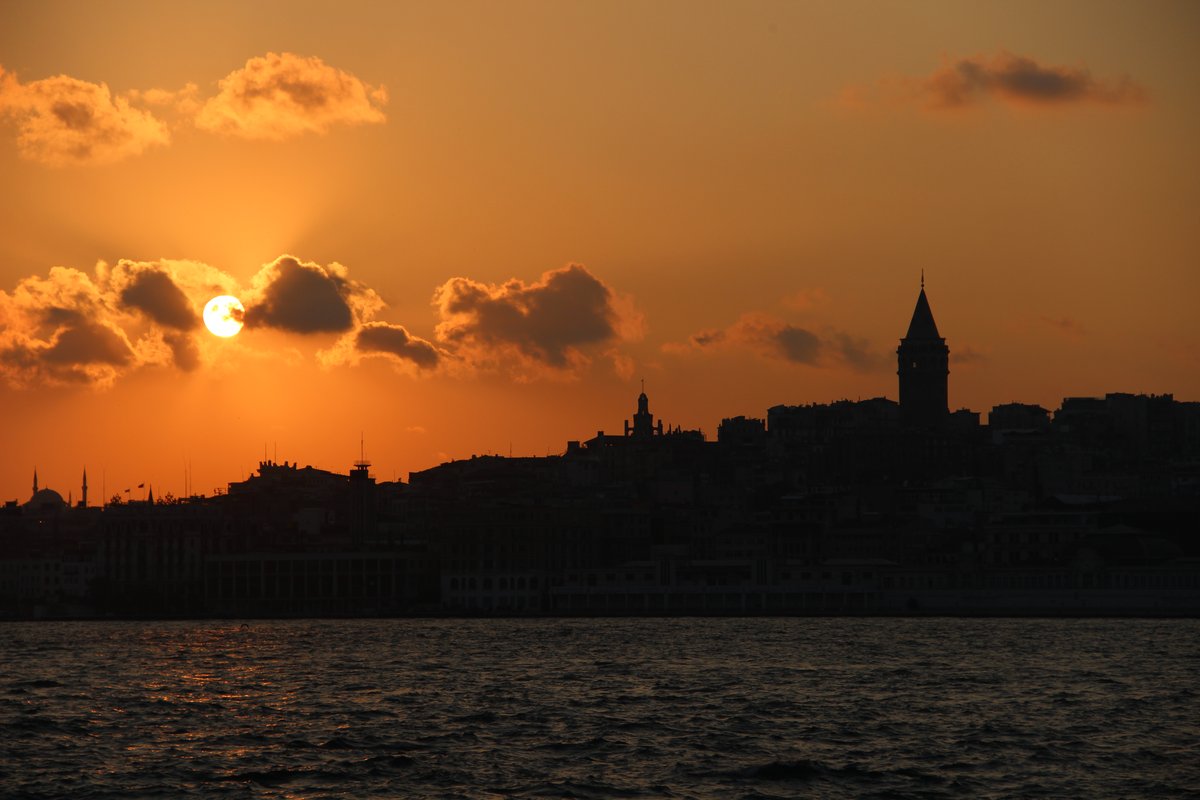
Origins and Early Construction
The origins of the Galata Tower date back to the Byzantine period when Emperor Justinian constructed a tower in the area around 507-508 AD. This initial structure served primarily as a watchtower to oversee the surrounding region (Istanbul.tips).
Genoese Influence and Reconstruction
The current structure of the Galata Tower was built by the Genoese in 1348 during their expansion in the Galata district. Named the Christea Turris, or Tower of Christ, it was part of their fortification efforts to protect their colony in Constantinople. The tower was constructed in the Romanesque style, characterized by robust stone walls and a conical roof (Wikipedia).
Ottoman Era Transformations
After the Ottomans conquered Constantinople in 1453, the Galata Tower underwent significant changes. It was repurposed multiple times, initially serving as a prison for war captives and later as a fire watchtower due to its strategic height and location. The tower's role as a fire watchtower was crucial in a city prone to frequent fires (History Tools).
Architectural Significance
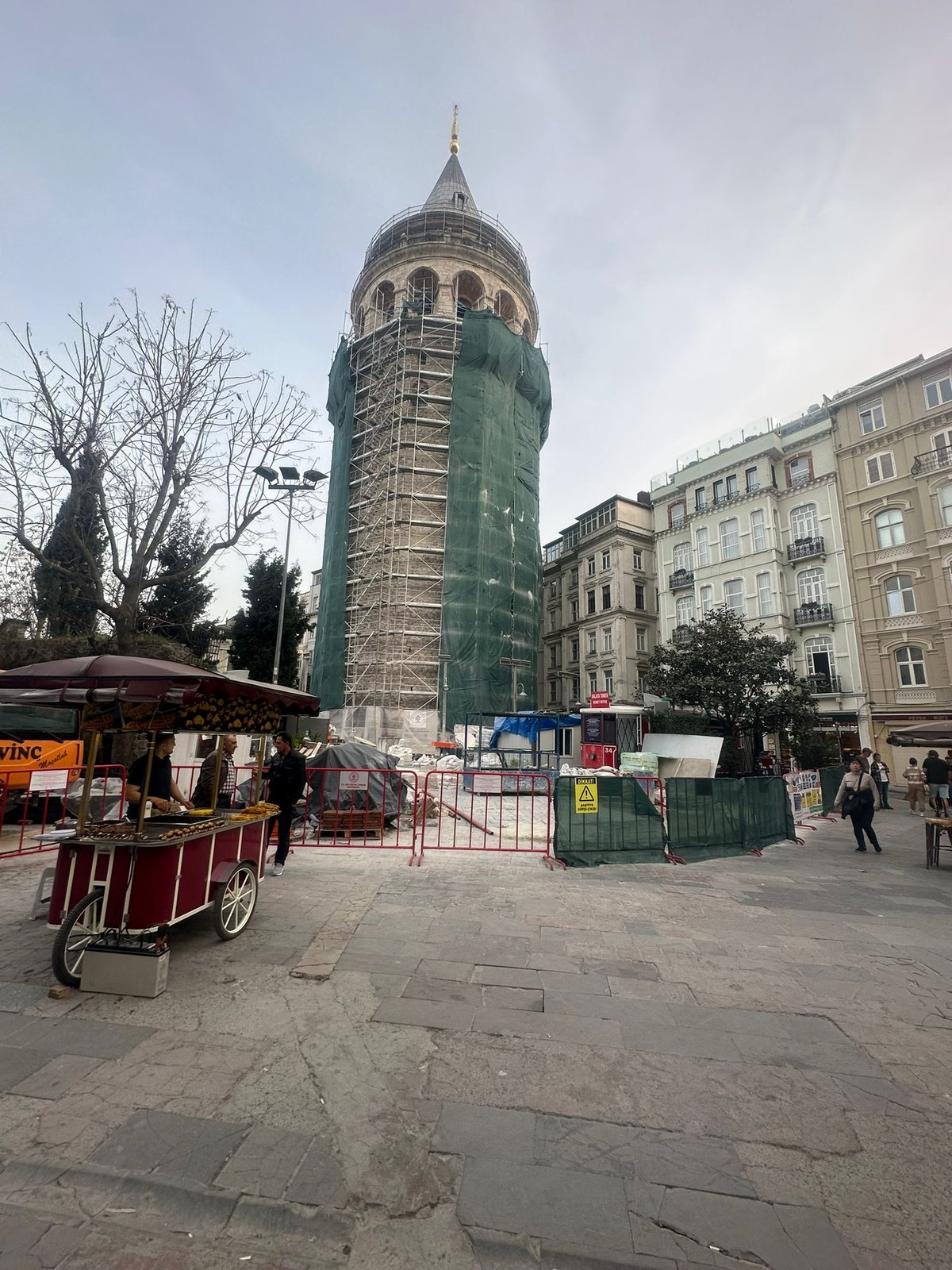
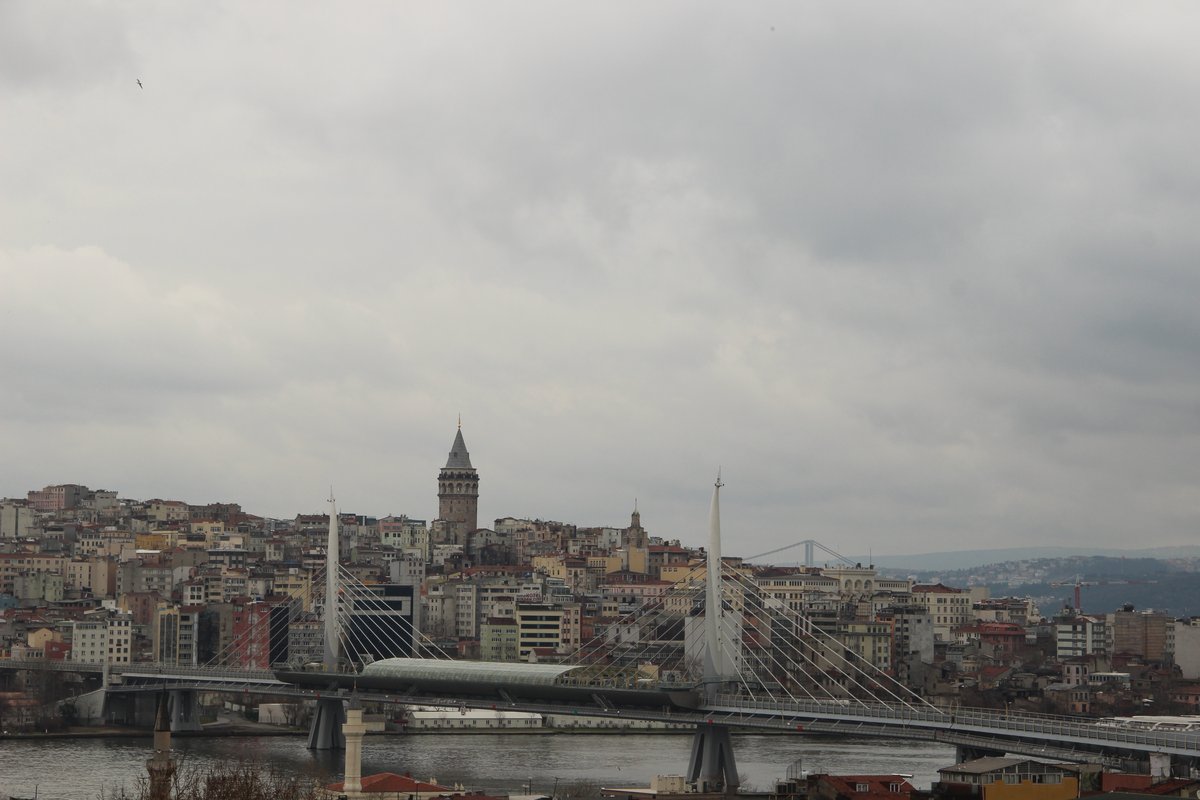
Standing at 67 meters (approximately 220 feet), the Galata Tower offers panoramic views of Istanbul and the Bosphorus Strait. Its cylindrical structure, made of a combination of brick and ashlar masonry, reflects a blend of Genoese and Byzantine architectural styles. The conical roof adds to its medieval charm, making it a distinctive landmark in Istanbul (Galata Tower).
Restoration and Modern Use
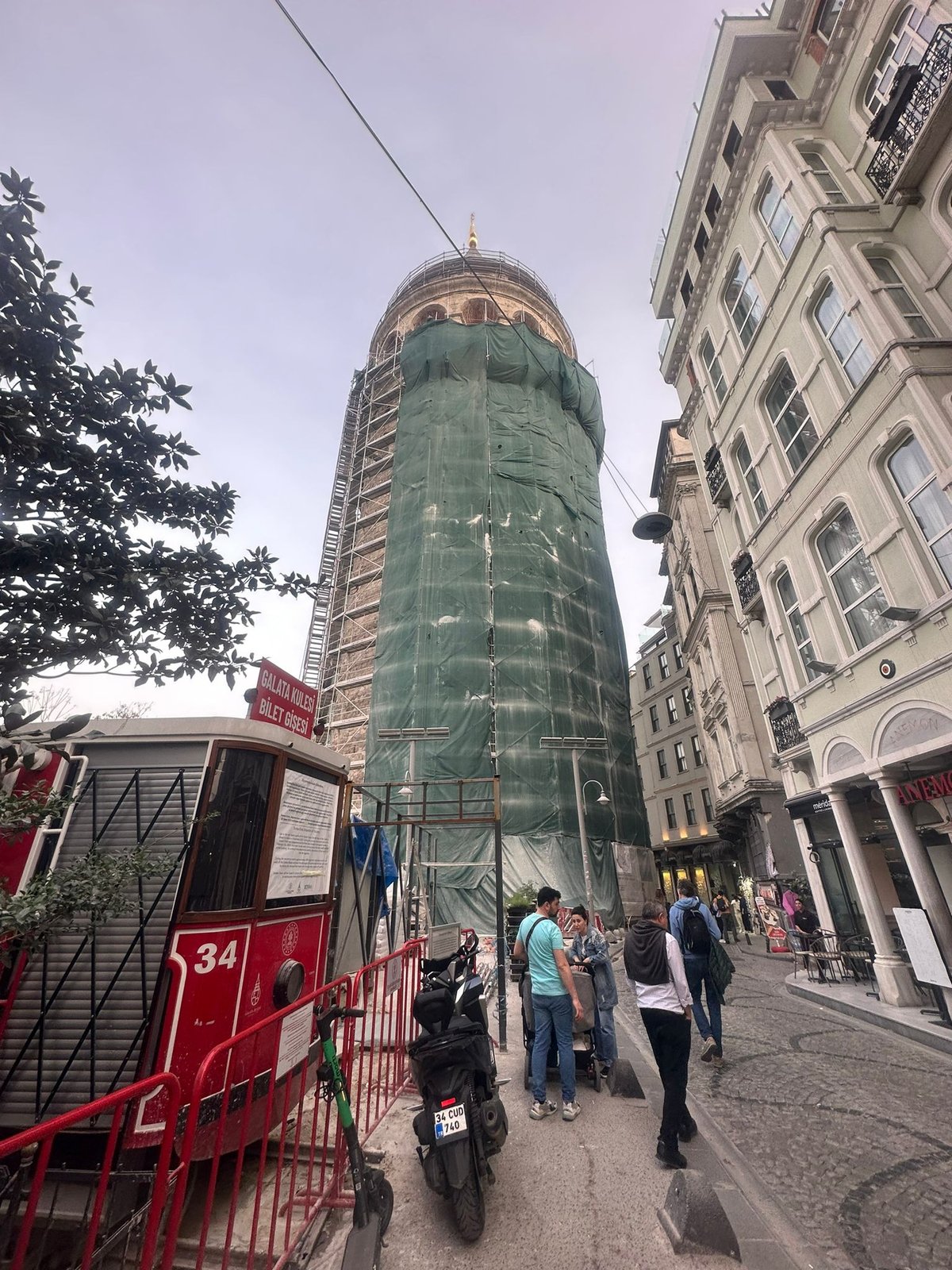
The tower has undergone several restorations over the centuries, particularly after suffering damage from earthquakes and fires. A significant restoration occurred between 1965 and 1967, which aimed to preserve its historical integrity while making it accessible to the public. During this restoration, the tower was converted into a museum and observation deck, offering visitors a glimpse into its historical and architectural significance (Arts and Culture).
Visiting Hours and Tickets
The Galata Tower is open to visitors daily. The visiting hours are typically from 9:00 AM to 7:00 PM, but it is advisable to check the official website for any changes. Ticket prices are generally around 35 Turkish Lira for adults, with discounts available for children and seniors. Tickets can be purchased online or at the entrance.
Travel Tips
- Best Time to Visit Early morning or late afternoon to avoid crowds and enjoy the best lighting for photographs.
- Accessibility The tower is equipped with an elevator, but there are still some stairs to climb to reach the observation deck.
- Nearby Attractions Explore the surrounding Galata district, which features narrow streets, historic buildings, and vibrant cafes.
- Guided Tours Consider joining a guided tour to gain deeper insights into the tower's history and significance.
Cultural and Historical Impact
The Galata Tower has played various roles in Istanbul's history, serving as a watchtower, prison, and fire watchtower. It has also been a symbol of the city's resilience and adaptability. Its strategic location on the Galata hill has made it a focal point for defense and observation throughout its history. Today, it stands as a testament to Istanbul's rich cultural heritage and architectural prowess (Istanbul Joy).
Special Events and Photography Spots
The Galata Tower often hosts special events such as exhibitions and cultural performances. The tower and its surroundings also offer numerous spots for photography, providing stunning views of Istanbul's skyline and the Bosphorus Strait.
Legends and Myths
One of the most famous legends associated with the Galata Tower is the story of Hezarfen Ahmed Çelebi, an Ottoman aviator who is said to have flown from the tower to the Asian side of Istanbul using artificial wings. This legendary flight, which supposedly took place in the 17th century, has become a part of Istanbul's folklore, adding to the tower's mystique and allure (Headout).
UNESCO World Heritage Status
In 2013, the Galata Tower was included in the UNESCO tentative list of World Heritage Sites, along with other Genoese towers in the Mediterranean and the Black Sea. This recognition highlights the tower's historical and cultural significance, as well as its architectural uniqueness. The inclusion in the UNESCO list aims to ensure the preservation and protection of this iconic structure for future generations (Arts and Culture).
FAQ
- What are the visiting hours for Galata Tower? The tower is generally open from 9:00 AM to 7:00 PM daily.
- How much are tickets for Galata Tower? Tickets are typically around 35 Turkish Lira for adults, with discounts for children and seniors.
- Is the Galata Tower accessible? Yes, the tower is equipped with an elevator, but there are some stairs to reach the observation deck.
- What are some nearby attractions? The surrounding Galata district offers narrow streets, historic buildings, and vibrant cafes.