Plan and listen to Dolmabahçe Palace with Audiala.
Audio guide in your pocket, itinerary in your browser. Built for the way you actually visit.
Introduction
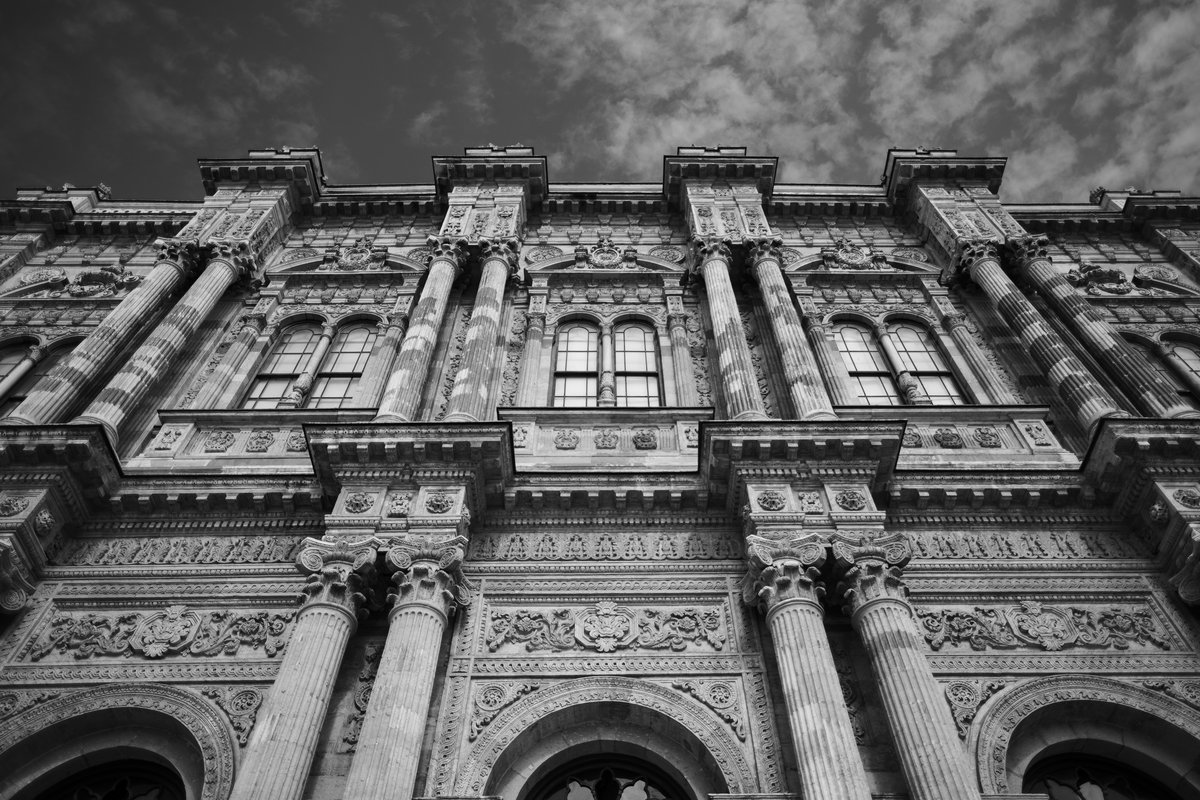
Dolmabahçe Palace, located on the European coast of the Bosphorus in Istanbul, Türkiye, is a monumental symbol of the Ottoman Empire's transition into modernity. Commissioned by Sultan Abdülmecid I and completed in 1856, this majestic palace embodies a blend of Baroque, Rococo, and Neoclassical architectural styles, showcasing the empire's efforts to modernize and westernize (UNESCO World Heritage Centre). As the primary administrative center of the Ottoman Empire until 1922 and the residence of Mustafa Kemal Atatürk, the founder of the Republic of Turkey, until his death in 1938, Dolmabahçe Palace holds immense historical, cultural, and political significance (Republic of Türkiye Ministry of Culture and Tourism). This comprehensive guide offers insights into the palace's rich history, architectural splendor, visitor information, and tips to make the most out of your visit to one of Istanbul's most cherished historical sites.
History of Dolmabahçe Palace
Origins and Construction
Dolmabahçe Palace was commissioned by Sultan Abdülmecid I and constructed between 1843 and 1856. The palace's site was originally a bay filled in the early 17th century to create a garden, hence the name "Dolmabahçe," meaning "filled garden" in Turkish.
The construction marked a significant departure from traditional Ottoman architecture, embracing European influences like Baroque, Rococo, and Neoclassical styles. Designed by Armenian-Turkish architects Garabet Balyan, his son Nigoğayos Balyan, and Evanis Kalfa, the palace cost 5 million Ottoman gold lira, equivalent to approximately $1.5 billion today, straining the empire's finances.
Architectural Significance
Dolmabahçe Palace is renowned for its opulent architecture and lavish interiors. Covering an area of 45,000 square meters, it contains 285 rooms, 46 halls, 6 baths (hamams), and 68 toilets. The palace design reflects a blend of various European architectural styles to showcase the empire's modernization.
One of the most striking features is the Ceremonial Hall, with its 36-meter-high dome and a 4.5-ton crystal chandelier, the largest in the world, gifted by Queen Victoria. The palace also houses a vast collection of European art, including paintings, furniture, and other decorative arts.
Historical Events and Significance
Dolmabahçe Palace served as the main administrative center of the Ottoman Empire from 1856 until the abolition of the caliphate in 1924. It was the residence of six sultans, starting with Sultan Abdülmecid I and ending with Sultan Mehmed VI. The palace witnessed numerous significant events, including the signing of important treaties and hosting foreign dignitaries.
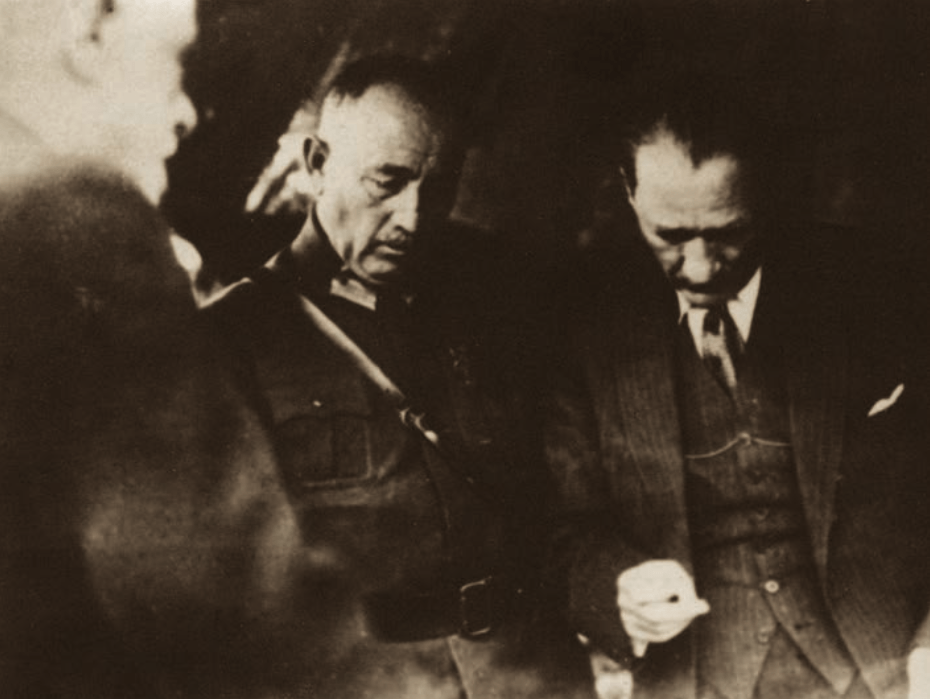
One of the most notable events was the death of Mustafa Kemal Atatürk, the founder of the Republic of Turkey, on November 10, 1938. Atatürk spent his final days in Dolmabahçe Palace, and his room has been preserved as a museum, with the clock in the room stopped at the exact time of his death, 9:05 AM.
Visitor Information
Ticket Prices and Opening Hours
Dolmabahçe Palace is open to visitors from Tuesday to Sunday, 9:00 AM to 4:00 PM. It is closed on Mondays. Ticket prices are as follows:
- Main Section: 120 Turkish Lira
- Harem Section: 90 Turkish Lira
- Combined Ticket: 150 Turkish Lira
For the most up-to-date information, please visit the official website.
Guided Tours and Travel Tips
Guided tours are available in multiple languages and offer insights into the palace's history, architecture, and the lives of its former residents. To avoid long queues, consider purchasing tickets online in advance. Photography is allowed in certain areas, so bring your camera to capture the stunning interiors and beautiful garden views.
Nearby Attractions
After visiting Dolmabahçe Palace, you can explore other nearby attractions such as the Bosphorus Strait, the Istanbul Naval Museum, and the historic district of Sultanahmet, which includes the Hagia Sophia and the Blue Mosque.
Accessibility
Dolmabahçe Palace is partially accessible for disabled visitors. Ramps and elevators are available in some sections, but certain areas may be challenging to navigate. It's advisable to check with the palace staff for specific accessibility needs.
Preservation and Modern Use
After the establishment of the Republic of Turkey, Dolmabahçe Palace was used for various governmental purposes. In 1984, it was converted into a museum and opened to the public. Today, it is managed by the Turkish Directorate of National Palaces and remains one of Istanbul's most popular tourist attractions.
The palace has undergone several restoration projects to preserve its historical and architectural integrity. These efforts ensure that visitors can experience the grandeur of the Ottoman Empire and the early years of the Turkish Republic.
FAQ
What are the opening hours of Dolmabahçe Palace?
Dolmabahçe Palace is open from Tuesday to Sunday, 9:00 AM to 4:00 PM, and closed on Mondays.
How much are the tickets to Dolmabahçe Palace?
Ticket prices are 120 Turkish Lira for the Main Section, 90 Turkish Lira for the Harem Section, and 150 Turkish Lira for a Combined Ticket.
Is Dolmabahçe Palace accessible for disabled visitors?
The palace is partially accessible with ramps and elevators available in some sections.
For more information, visit the official website.
Discover More
Plan your visit to Dolmabahçe Palace today and immerse yourself in the grandeur of the Ottoman Empire. For more travel tips and updates, download our mobile app Audiala and follow us on social media.
Tickets & tours.
These are guided options from our partners — same price as booking direct.
Prices are indicative — final pricing and availability are confirmed at checkout. Audiala may earn a commission from bookings made through these links.
Listen to the full story in the app
The whole Dolmabahçe Palace,
told well.
Audio guides for 1,100+ cities across 96 countries. History, stories, and local insight — offline ready.

Verified, and shown.
Researched and written by the Audiala editorial team from historical records, architectural archives, and local expertise.
Dolmabahçe Palace
Dolmabahçe Palace
Dolmabahçe Palace
Researched from Wikidata, Wikipedia & official sources · fact-checked · How we make our guides →