Plan and listen to Column Of Constantine with Audiala.
Audio guide in your pocket, itinerary in your browser. Built for the way you actually visit.
Introduction
Istanbul, a city that seamlessly blends ancient history with modernity, is a treasure trove of historical landmarks and cultural heritage. Among its many celebrated monuments, the Çemberlitaş Sütunu, also known as the Column of Constantine, stands out as a significant testament to the city's rich and multifaceted past. Erected in 330 AD by Emperor Constantine the Great, the column commemorates the declaration of Byzantium as the new capital of the Roman Empire, marking the beginning of the Byzantine era.
Situated at the heart of Istanbul, in the bustling Çemberlitaş neighborhood, the column originally stood at approximately 50 meters tall and was crowned with a statue of Constantine depicted as the sun god Helios. Over the centuries, the column has witnessed the transformation of the city from Byzantium to Constantinople and finally to Istanbul, enduring numerous challenges such as fires, earthquakes, and invasions. Despite these adversities, the Çemberlitaş Sütunu remains a symbol of resilience and historical continuity (source).
In this comprehensive guide, we will explore the history, architectural significance, and cultural impact of the Çemberlitaş Sütunu. Additionally, we will provide practical information for visitors, including visiting hours, ticket prices, travel tips, and nearby attractions. Whether you are a history enthusiast, an architecture aficionado, or a curious traveler, this guide aims to enhance your understanding and appreciation of one of Istanbul's most iconic landmarks.

History
Origins and Construction
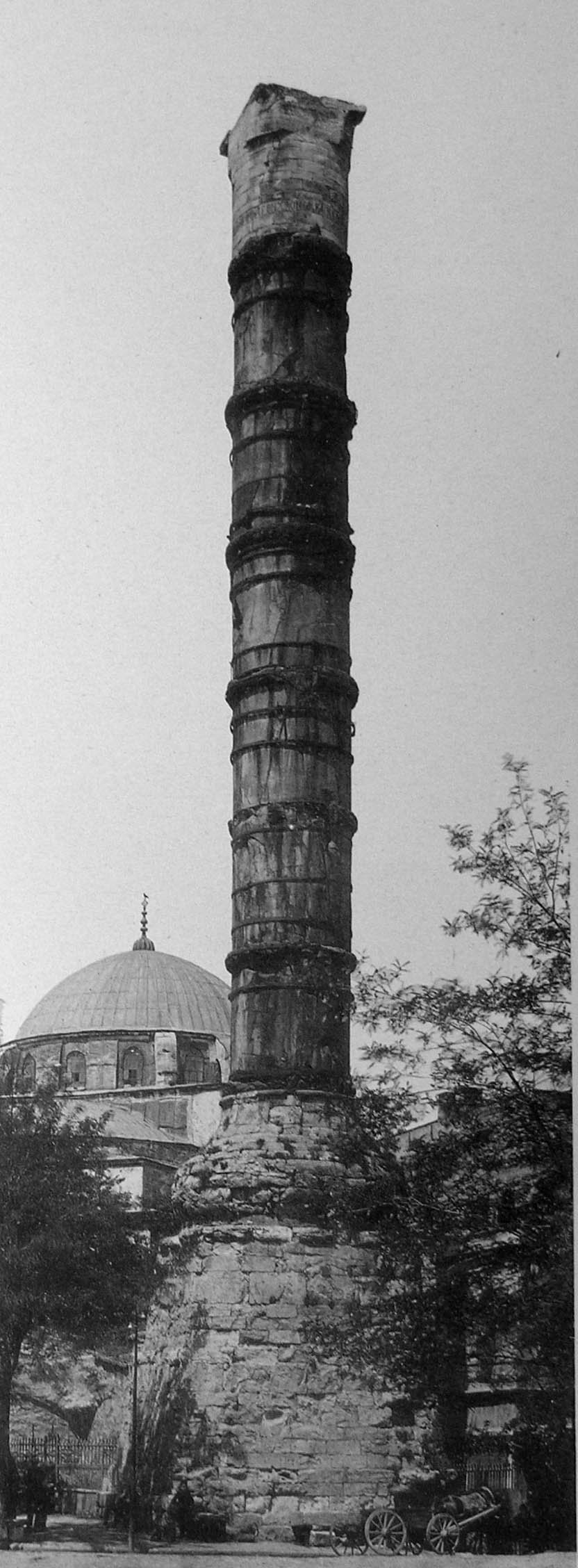
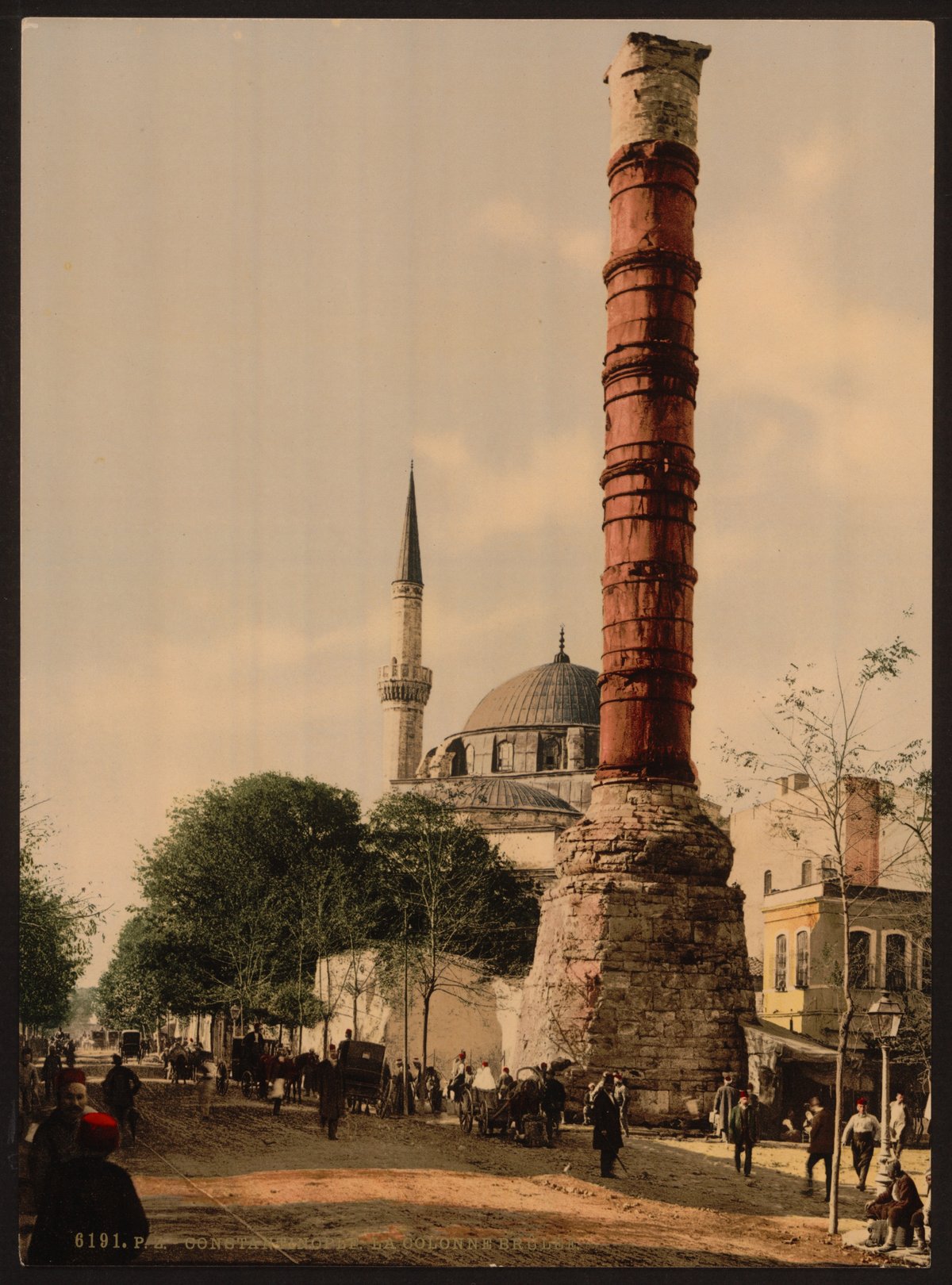
The Column of Constantine, located in the Çemberlitaş neighborhood of Istanbul, was erected to commemorate the declaration of Byzantium as the new capital of the Roman Empire. Constructed from porphyry, a prized purple-red stone, the column originally stood at approximately 50 meters, including a statue of Constantine as the sun god Helios.
Byzantine Era
During the Byzantine period, the column remained a significant landmark, situated at the center of the bustling Forum of Constantine. It underwent several modifications, including the addition of a cross by Emperor Constantine VII in the 10th century, reflecting the Christianization of the empire.
Ottoman Period
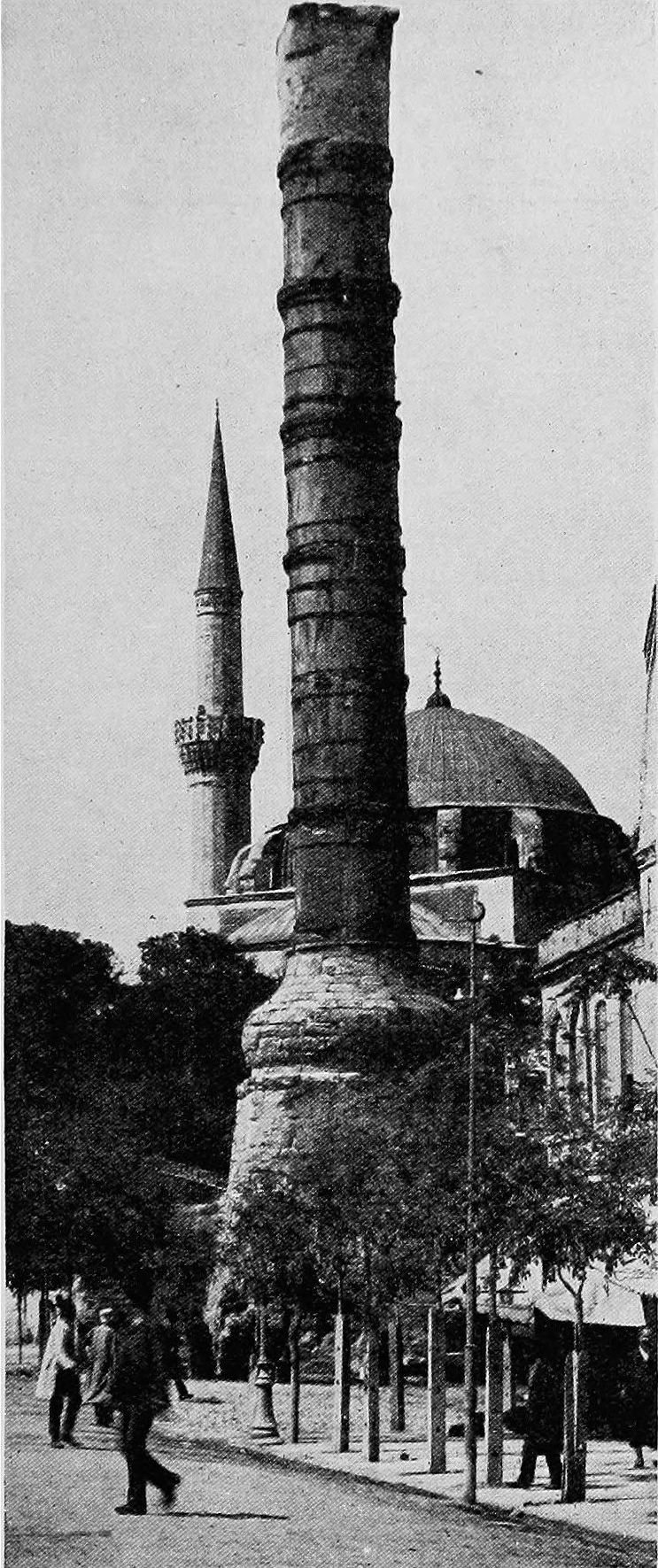
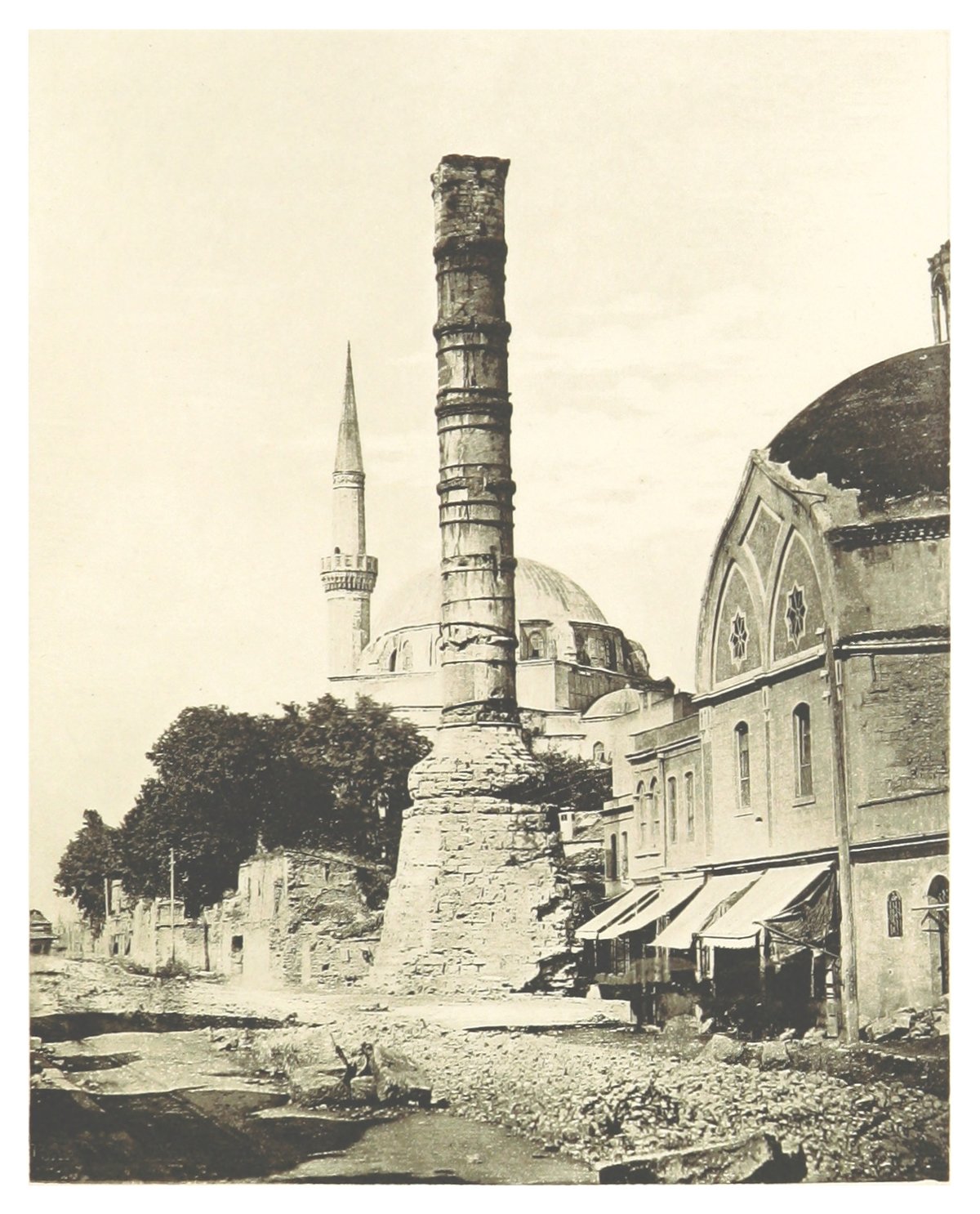
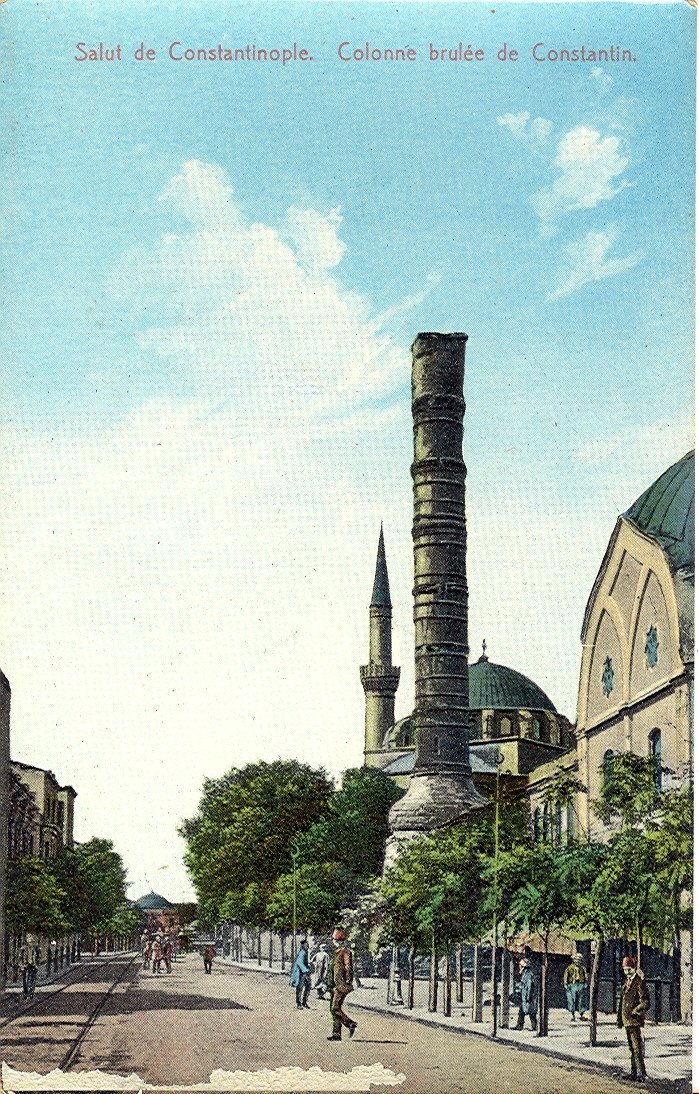
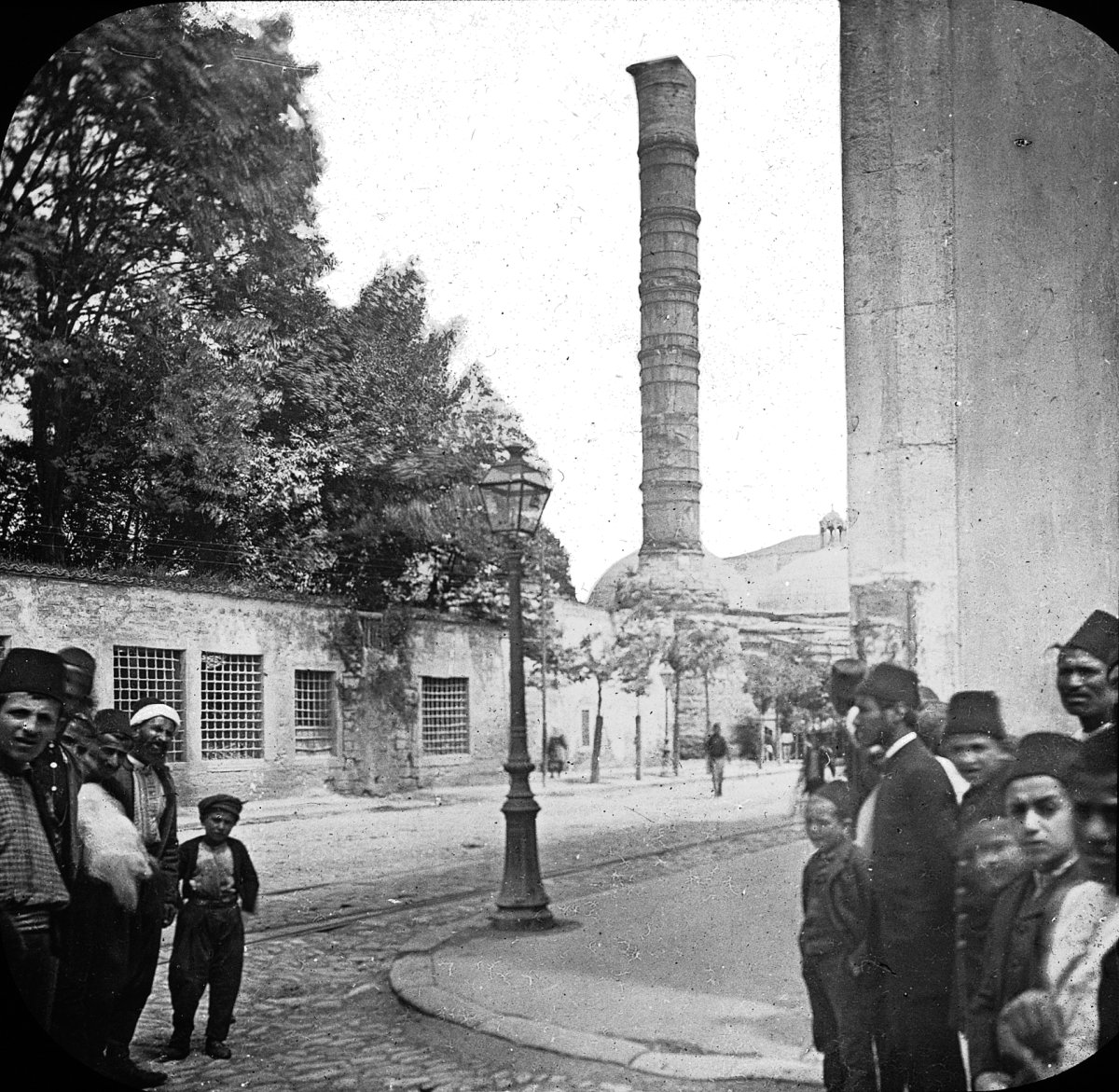
After the Ottoman conquest in 1453, the column continued to be an important landmark. The Ottomans referred to it as Çemberlitaş, meaning "hooped stone" in Turkish, due to the iron hoops added to its structure for reinforcement after a severe fire in 1779 (source).
Historical Significance
The Çemberlitaş Sütunu is constructed from porphyry, a purple-red stone that was highly prized in antiquity for its association with imperial power. The original height of the column was approximately 50 meters, but it has been reduced to about 35 meters due to damage and subsequent restorations over the centuries. Atop the column once stood a statue of Constantine depicted as the sun god Helios, holding a globe and a scepter, symbolizing his dominion over the world.
Cultural and Religious Significance
The Çemberlitaş Sütunu holds profound cultural and religious significance. It is not merely a relic of the Roman and Byzantine past but also a symbol of the city's enduring legacy as a crossroads of civilizations. The column has witnessed the transformation of Constantinople from a pagan city to a bastion of Christianity and later to a major center of the Islamic world.
In the early Byzantine period, the column was believed to house relics of the True Cross and other holy artifacts, enhancing its religious importance. These relics were said to be placed in a special chamber within the column's base, making it a site of pilgrimage for early Christians. The column's association with Constantine, who played a crucial role in the spread of Christianity, further cemented its status as a sacred monument.
Architectural Significance
Architecturally, the Çemberlitaş Sütunu is a remarkable example of Roman engineering and artistry. The column is composed of several cylindrical blocks of porphyry, each weighing several tons. These blocks are bound together by iron clamps, a technique that has allowed the structure to withstand earthquakes and other natural disasters over the centuries. The base of the column is adorned with intricate reliefs and inscriptions that celebrate Constantine's achievements and the founding of Constantinople. Although many of these decorations have been eroded or lost over time, they provide valuable insights into the artistic and cultural milieu of the period.
Symbol of Resilience
The Çemberlitaş Sütunu has endured numerous challenges throughout its history, including fires, earthquakes, and invasions. One of the most significant events was the fire of 1779, which caused extensive damage to the column. In response, Sultan Abdul Hamid I ordered a restoration project that involved encasing the damaged sections in iron hoops, giving the column its current name, "Çemberlitaş," which means "hooped stone" in Turkish.
This resilience has made the column a symbol of Istanbul's enduring spirit. Despite the many changes the city has undergone, the column stands as a testament to its rich and layered history. It serves as a reminder of the city's ability to adapt and thrive amidst adversity.
Modern-Day Significance
Today, the Çemberlitaş Sütunu is a popular tourist attraction and a significant landmark in Istanbul. It is located in the Çemberlitaş neighborhood, a bustling area that offers a blend of historical sites, shops, and eateries. The column is easily accessible via public transportation, with the Çemberlitaş tram stop located nearby.
Visitors to the column can appreciate its historical and architectural significance while also enjoying the vibrant atmosphere of the surrounding area. The column is illuminated at night, creating a striking visual effect that highlights its grandeur and historical importance.
Preservation Efforts
Preservation efforts for the Çemberlitaş Sütunu have been ongoing, with various restoration projects undertaken to ensure its stability and longevity. These efforts are crucial for maintaining the column's structural integrity and preserving its historical and cultural value for future generations.
In recent years, the Turkish government and various cultural organizations have collaborated on initiatives to protect and promote the column. These initiatives include regular maintenance, archaeological research, and public education programs aimed at raising awareness about the column's significance.
Visitor Tips
For those planning to visit the Çemberlitaş Sütunu, here are some practical tips to enhance your experience:
- Timing: The column is accessible at all times, but visiting during the early morning or late evening can provide a more serene experience.
- Guided Tours: Consider joining a guided tour to gain deeper insights into the column's history and significance. Many tours also cover nearby attractions such as the Grand Bazaar and the Sultanahmet district.
- Photography: The column is a popular subject for photography, especially when illuminated at night. Be sure to bring a camera to capture its majestic presence.
- Local Amenities: The Çemberlitaş neighborhood offers a variety of amenities, including cafes, restaurants, and shops. Take some time to explore the area and enjoy the local cuisine and culture.
Practical Information
- Visiting Hours: The Çemberlitaş Sütunu can be visited at any time, but early morning or late evening visits offer a more serene experience.
- Entrance Fee: The Çemberlitaş Sütunu is accessible to the public free of charge.
- Nearby Attractions: Nearby attractions include the Grand Bazaar, the Sultanahmet district, and the Hagia Sophia. Guided tours often cover these sites.
- Travel Tips: The column is easily accessible via public transportation, with the Çemberlitaş tram stop located nearby.
Frequently Asked Questions
Q: What are the visiting hours for the Çemberlitaş Sütunu?
A: The Çemberlitaş Sütunu can be visited at any time, but early morning or late evening visits offer a more serene experience.
Q: Is there an entrance fee for the Çemberlitaş Sütunu?
A: The Çemberlitaş Sütunu is accessible to the public free of charge.
Q: What are the best nearby attractions?
A: Nearby attractions include the Grand Bazaar, the Sultanahmet district, and the Hagia Sophia. Guided tours often cover these sites.
Tickets & tours.
These are guided options from our partners — same price as booking direct.
Prices are indicative — final pricing and availability are confirmed at checkout. Audiala may earn a commission from bookings made through these links.
Listen to the full story in the app
The whole Column Of Constantine,
told well.
Audio guides for 1,100+ cities across 96 countries. History, stories, and local insight — offline ready.
Verified, and shown.
Researched and written by the Audiala editorial team from historical records, architectural archives, and local expertise.
Researched from Wikidata, Wikipedia & official sources · fact-checked · How we make our guides →