Plan and listen to Church Of The Holy Apostles with Audiala.
Audio guide in your pocket, itinerary in your browser. Built for the way you actually visit.
Introduction
The Church of the Holy Apostles in Istanbul, once the second most important church in Byzantine Constantinople after Hagia Sophia, holds a unique place in the religious, architectural, and political history of the city. Founded in the early 4th century by Emperor Constantine the Great, the church not only served as a key site for Christian worship but also as the imperial mausoleum for numerous Byzantine emperors. While the original structure no longer survives, its legacy endures through its influence on ecclesiastical architecture and in the very ground beneath the Fatih Mosque, which occupies its historic site today. This guide provides a comprehensive overview of the church's history, practical visitor information, and tips for exploring its enduring legacy in modern Istanbul. (Touristlink; The Byzantine Legacy; Liturgical Arts Journal)

Foundation and Early Significance
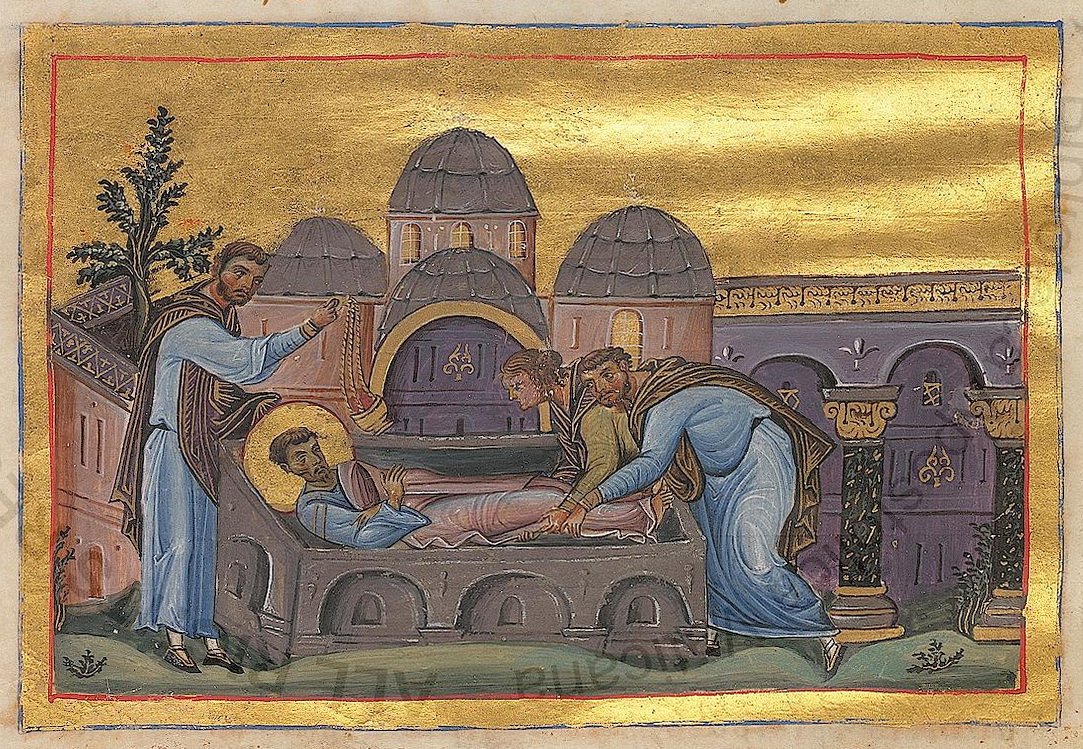
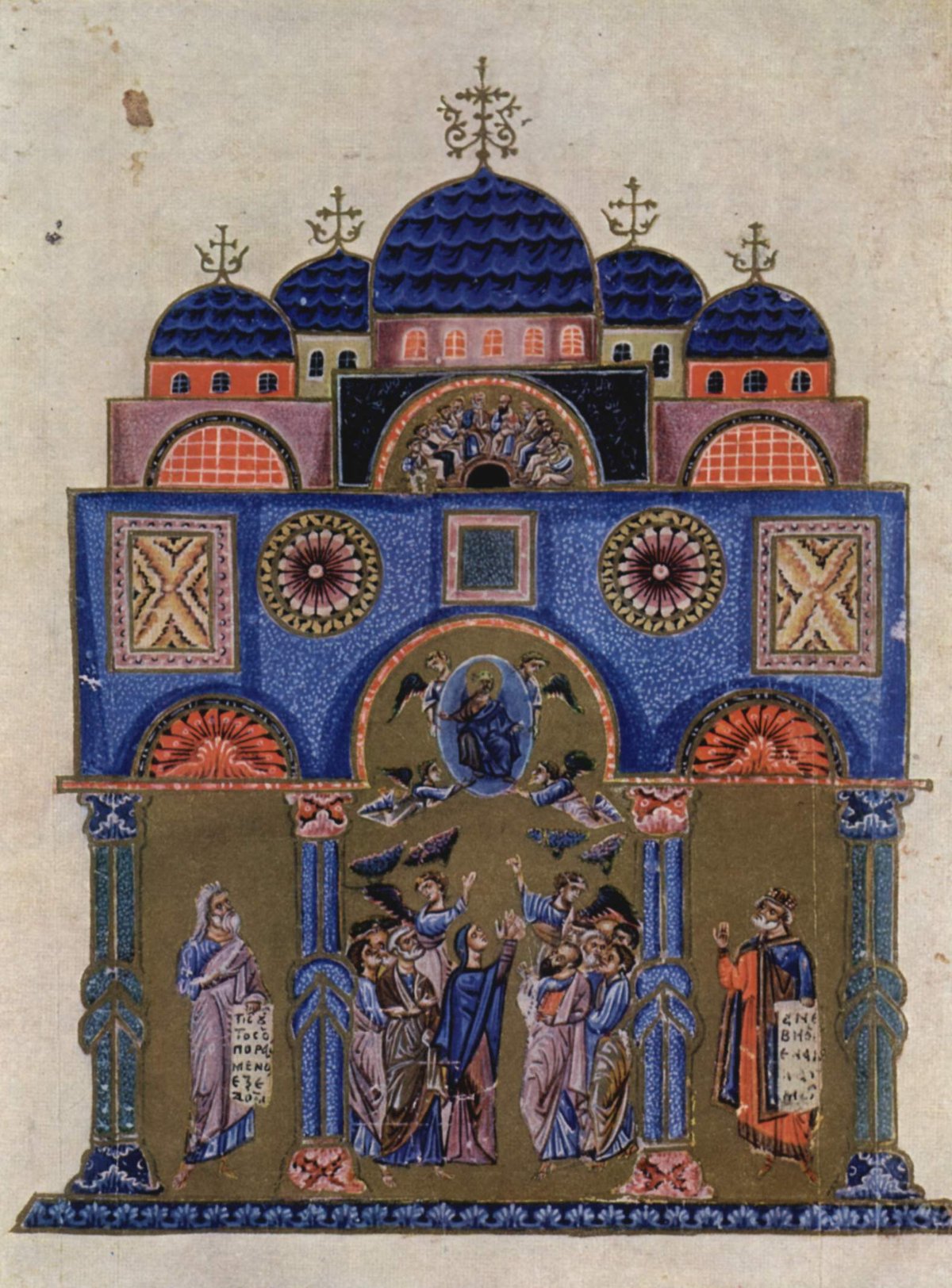
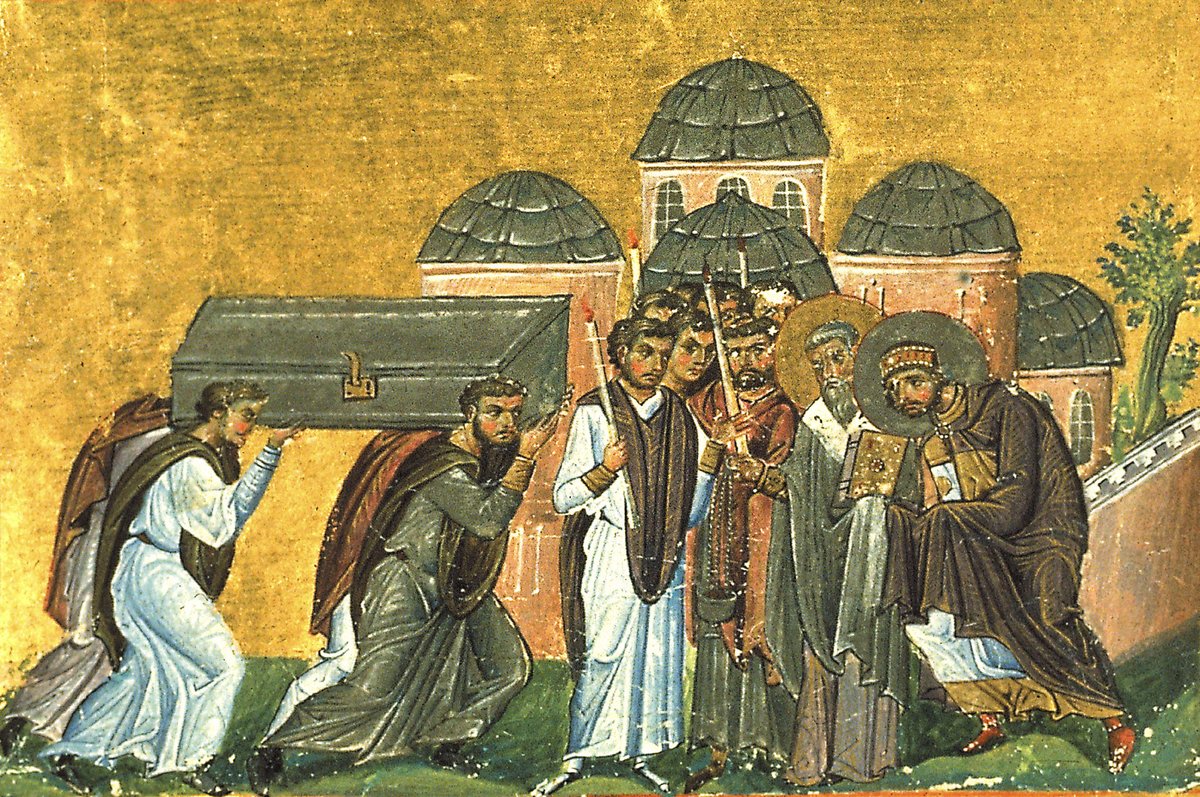
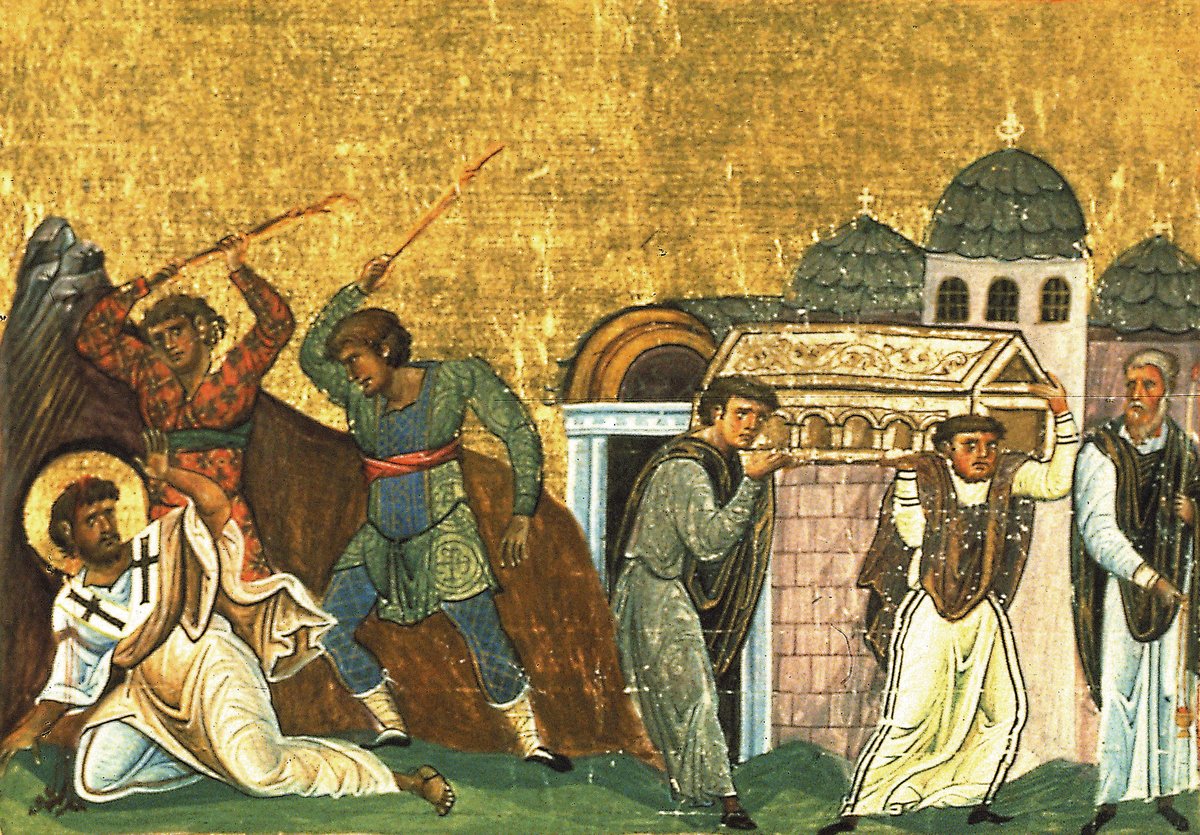
Founded by Constantine the Great around 330 CE, the Church of the Holy Apostles was envisioned as both a major center for Christian worship and a dynastic burial ground. Its initial structure included a circular mausoleum for Constantine, expanded into a cruciform basilica under his son, Constantius II. The church was intended to house the relics of the Twelve Apostles, though it ultimately became more closely associated with saints such as Andrew, Luke, and Timothy. Constantine’s own burial within the church established a tradition for subsequent emperors, reinforcing the site’s dual religious and political significance. (Touristlink)
Architectural Innovation
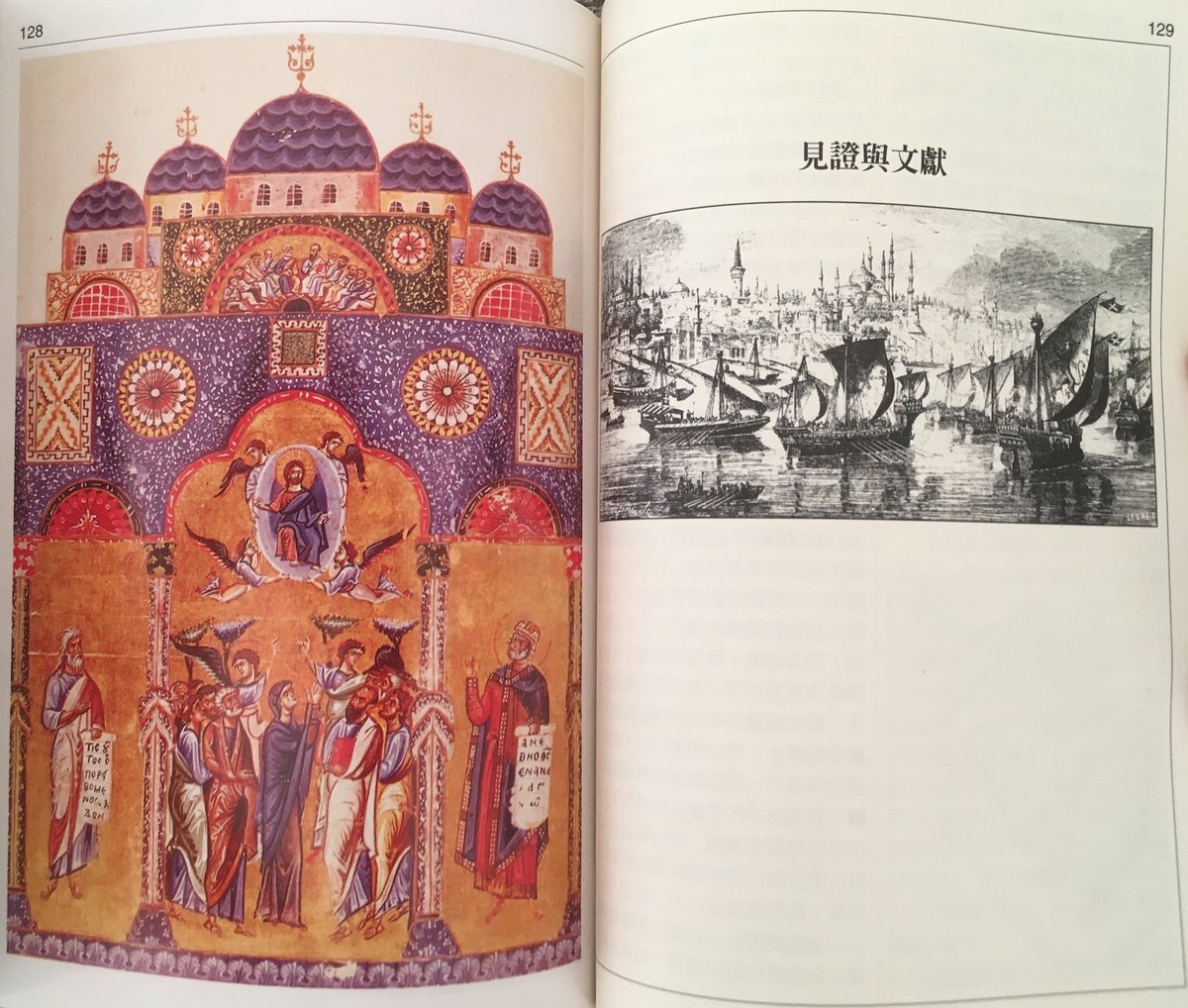
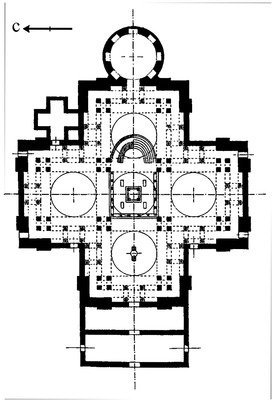
The church underwent a major transformation in the 6th century under Emperor Justinian I, who commissioned its reconstruction in a cruciform plan topped by five domes. This design became a model for later Byzantine and Western churches, notably influencing St. Mark’s Basilica in Venice. The use of advanced engineering techniques, such as pendentives, allowed for spacious domed interiors, while lavish marble, porphyry columns, and intricate mosaics adorned its halls. (The Byzantine Legacy)
Religious and Imperial Role
The Church of the Holy Apostles functioned as the seat of the Patriarch of Constantinople and was central to Eastern Orthodox liturgical life. It was the site of imperial coronations, funerals, and major religious ceremonies, embodying the close relationship between church and state in Byzantine society.
Decline and Demolition
Following the Latin occupation in 1204, the church was looted and never fully restored. After the Ottoman conquest in 1453, it briefly served as the patriarchal seat before falling into disrepair. In 1461, Sultan Mehmed II ordered its demolition to make way for the Fatih Mosque, marking a significant shift in the city’s religious and cultural landscape. (Sacred Destinations)
The Site Today: Fatih Mosque and What Remains
Location and Current Context
The Fatih Mosque, completed in 1470, stands atop the site of the former Church of the Holy Apostles in Istanbul’s Fatih district. While no above-ground remnants of the church survive, the mosque complex and its courtyards cover the area once occupied by the Byzantine imperial church and mausolea. (Istanbul Clues)
Archaeological Evidence
Subsurface archaeological investigations have identified walls and foundations beneath the Fatih Mosque complex that are believed to date to the Byzantine era, likely part of the original church or its adjacent mausolea. These remains, however, are not accessible to the public. Some column fragments and stones in the mosque’s courtyard may have been reused from the church, though they are unlabeled and require expert identification. (Academia.edu)
Relics and Artifacts
- Column of Flagellation: A relic believed to be part of the column where Christ was scourged is preserved in the Patriarchal Church of St. George in Istanbul.
- Treasures in Venice: Many reliquaries and artifacts looted during the Fourth Crusade are now housed in St. Mark’s Basilica, Venice.
- Imperial Sarcophagi: Some imperial tomb fragments are displayed in the Istanbul Archaeological Museums and the courtyard of Hagia Eirene. (Sacred Destinations)
Visiting Information
Fatih Mosque Visiting Hours and Ticketing
- Open Hours: Daily, 9:00 AM to 6:00 PM; closed to tourists during prayer times.
- Entry Fee: Free. Guided tours including this and other Byzantine sites may require advance booking and tickets.
Accessibility
- Transport: Easily reached by tram (T1 line, Beyazıt-Kapalıçarşı stop) and bus.
- Wheelchair Access: The mosque and district are generally accessible, though some surrounding streets feature uneven surfaces.
Visitor Guidelines
- Modest dress is required; women should cover their heads and all visitors must remove shoes before entering the prayer hall.
- Photography is permitted in the courtyard but may be restricted inside, particularly during prayer.
Travel Tips
- Visit early morning or late afternoon for the best experience and lighting.
- Combine your visit with nearby sites like Hagia Sophia, Topkapi Palace, and the Hippodrome.
- Local tour operators offer guided walks focused on Byzantine and Ottoman history.
Influence and Legacy
The Church of the Holy Apostles set a precedent for Byzantine and later Christian architecture through its pioneering five-domed cruciform plan. Its function as an imperial mausoleum and religious center left a lasting mark on both Eastern and Western ecclesiastical traditions. The Fatih Mosque’s construction on its site exemplifies the city’s transformation from Byzantine Christian to Ottoman Islamic rule. (Shadows of Constantinople)
Frequently Asked Questions (FAQs)
Q: Can I visit the original Church of the Holy Apostles?
A: No, the church was demolished in 1461. The Fatih Mosque occupies its site.
Q: Are there visible remains of the church?
A: No above-ground remains survive, though some reused fragments may be found in the mosque’s courtyard.
Q: Is entry to the Fatih Mosque free?
A: Yes, entry is free, but modest attire is required.
Q: Is the site accessible for people with disabilities?
A: The mosque is generally accessible, but some streets nearby may be uneven.
Q: Where can I see artifacts from the church?
A: The Istanbul Archaeological Museums, Hagia Eirene, and St. Mark’s Basilica in Venice house select relics and sarcophagi.
Recommendations and Final Thoughts
Though the Church of the Holy Apostles itself no longer stands, its spiritual and cultural resonance continues to shape Istanbul’s historical narrative. The Fatih Mosque and surrounding district offer visitors a tangible connection to this heritage, while museums in Istanbul and abroad safeguard key artifacts and relics. For those drawn to Byzantine history and architecture, exploring this site—augmented by digital reconstructions, expert-led tours, and audio guides—offers a compelling journey into the heart of Constantinople’s imperial legacy.
Download the Audiala app for exclusive audio tours and the latest updates on Istanbul’s historical sites. Follow us on social media for travel tips and event notifications, and enrich your visit with our curated guides to the city’s layered past.
Listen to the full story in the app
The whole Church Of The Holy Apostles,
told well.
Audio guides for 1,100+ cities across 96 countries. History, stories, and local insight — offline ready.
Verified, and shown.
Researched and written by the Audiala editorial team from historical records, architectural archives, and local expertise.
Researched from Wikidata, Wikipedia & official sources · fact-checked · How we make our guides →