
Discovering the Church of St. Mary of Blachernae
Origins and Early Development
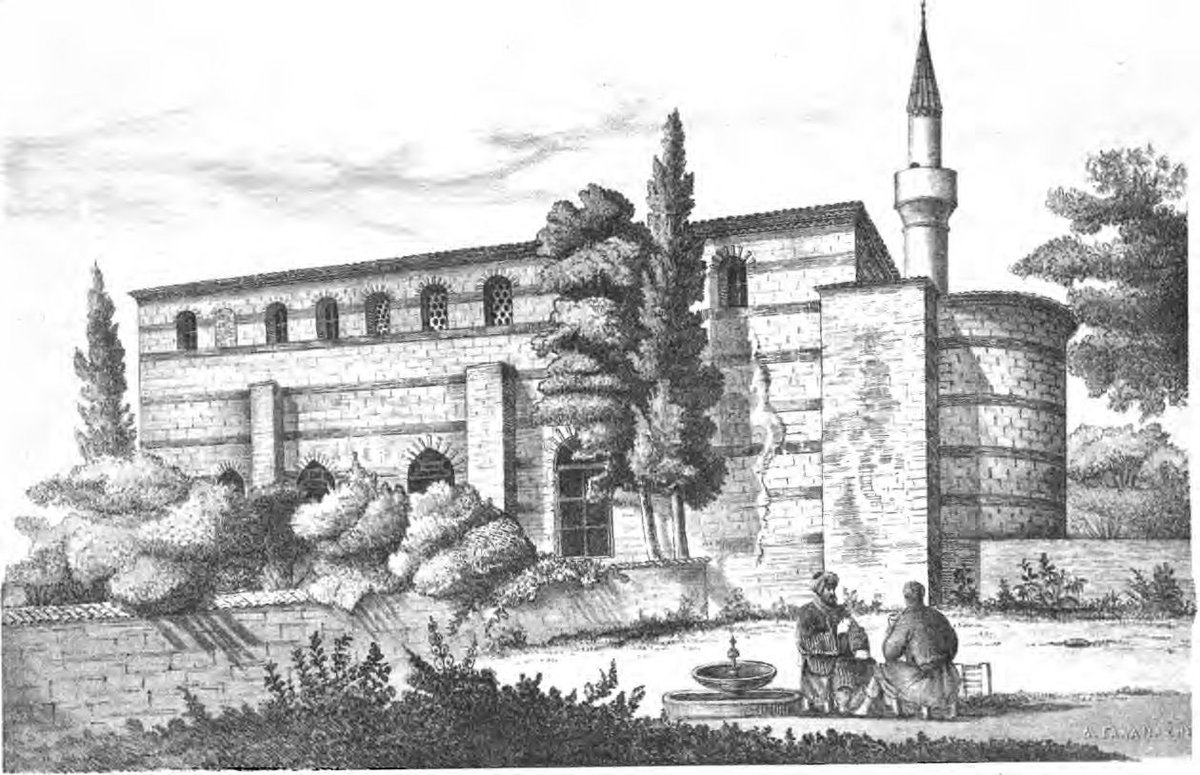
Constructed in the mid-5th century by Empress Augusta Pulcheria and completed by Emperor Leo I, the church was built around a pre-Christian sacred spring. It quickly became a principal Marian shrine, housing revered relics in the Hagia Soros chapel and serving as a center for imperial worship and protection.
Architectural Evolution
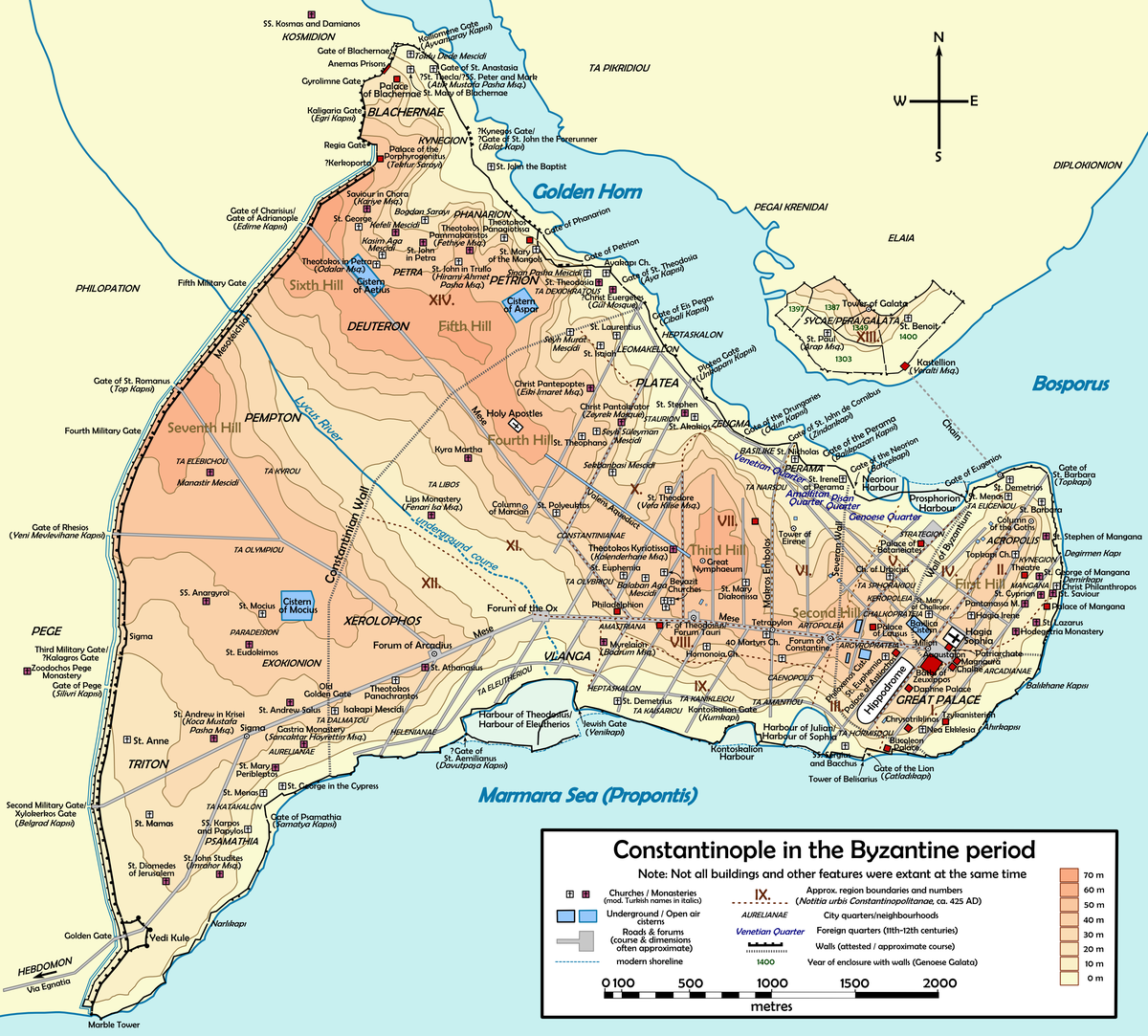
Initially a basilica, the church was lavishly expanded under Emperor Justinian I with marble and mosaics. By the 11th century, it was closely integrated with the Blachernae Palace, symbolizing the deep link between religious devotion and imperial authority.
Religious Significance and Relics
The church’s collection of relics—most famously the Virgin Mary’s robe, girdle, and the Icon of the Virgin Blachernitissa—cemented its status as Constantinople’s foremost Marian sanctuary. The Akathistos Hymn, a pillar of Orthodox ritual, was first sung here.
Key Historical Events
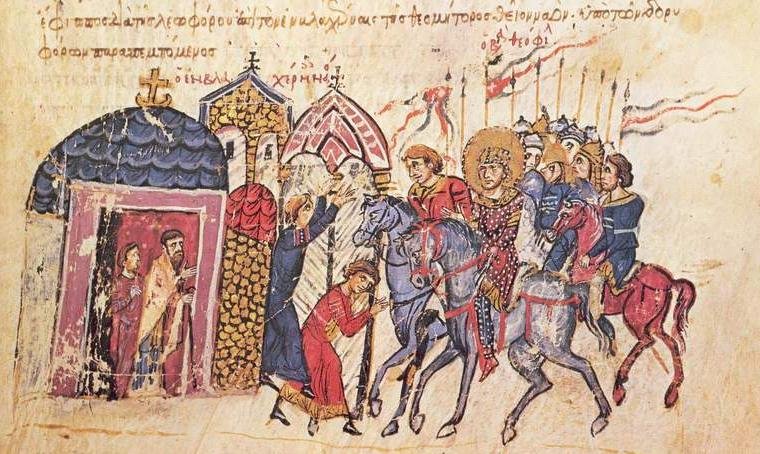
- 626 Avar Siege The miracle-working icon was paraded around the city walls, and the subsequent deliverance was attributed to the Virgin Mary.
- Iconoclastic Controversy & Recovery The icon disappeared during iconoclasm, reappearing in 1030.
- Destruction by Fire Major fires in 1070 and 1434 destroyed much of the church and palace.
- Post-Conquest Era After 1453, only the sacred spring continued as a place of pilgrimage. The current church was constructed in 1867, preserving the spring.
Architectural Highlights
Original Byzantine Features
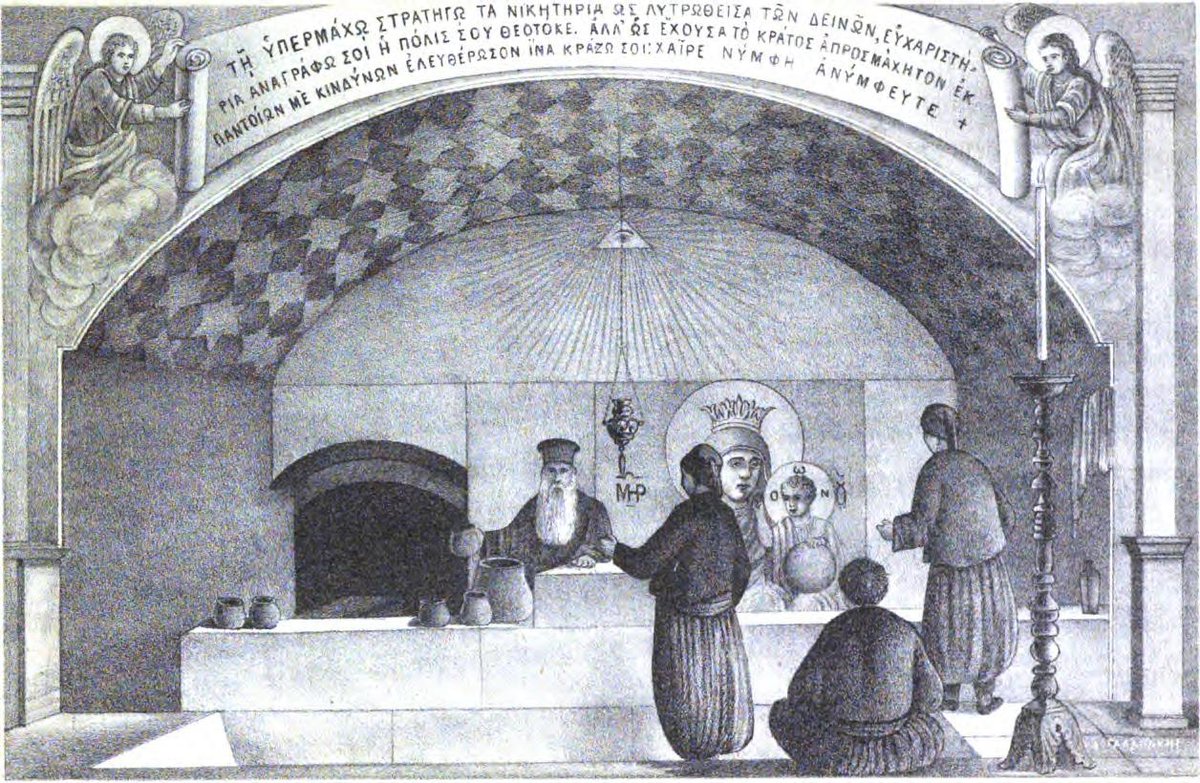
The Byzantine basilica featured a three-part plan with narthex, nave, sanctuary, marble colonnades, and lavish mosaics. The sacred spring (Ayazma) was located in a crypt beneath the sanctuary.
19th-Century Reconstruction
The modern structure, dating to 1867, follows a straightforward basilical plan with stone and brick walls, arched windows, and a neoclassical portico. The interior includes marble columns, a wooden iconostasis, and modern Greek Orthodox iconography—preserving spiritual continuity.
The Hagiasma (Sacred Spring)
The Hagiasma remains central. Accessed via a staircase, the spring is housed in a marble-lined chamber, and visitors can collect its water—a tradition dating to the church’s foundation (Greek Reporter).
Visiting Information
Visiting Hours
- Standard Hours 9:00 AM – 5:00 PM daily (Istanbul Tourist Pass).
- Note Hours may vary on religious holidays; confirm in advance.
Tickets and Admission
- Admission Free for individual visitors; donations are appreciated for upkeep.
- Guided Tours Available through local operators or by arrangement.
Accessibility
- Wheelchair Access Ramps are provided to the main entrance and courtyard.
- Surfaces Some uneven areas near the spring and in the garden; wear comfortable shoes.
Getting There
- Public Transit Tram stops at Ayvansaray or Edirnekapı; short walk to the church.
- Taxi/Rideshare Widely available.
- Parking Limited street parking.
Visitor Experience
Interior Highlights
- Iconostasis Hand-carved wood with icons of the Virgin, Christ, and saints.
- Mosaics and Murals Original Byzantine mosaics lost, but modern iconography adorns the walls.
- Atmosphere Peaceful, with filtered natural light and a tranquil garden setting.
Dress Code & Etiquette
- Dress Modestly Shoulders/knees covered; hats removed inside.
- Photography Allowed unless during services. Always ask for permission.
- Silence Respectful quiet is expected.
Guided Tours and Special Events
- Guided Tours Byzantine history and religious heritage tours available via local operators and the Ecumenical Patriarchate.
- Liturgical Services Major feasts, especially Marian celebrations, are observed with processions and special liturgies.
Nearby Attractions
- Blachernae Palace Ruins Adjacent to the church.
- Walls of Constantinople Short walk.
- Church of St. Savior in Chora Not far, featuring world-renowned mosaics.
- Fener Greek Orthodox Patriarchate Nearby religious landmark.
Conservation and Restoration
The church is a protected monument, with restoration and conservation supervised by the Ecumenical Patriarchate and Turkish Ministry of Culture and Tourism. Recent efforts focus on structural stability, iconostasis preservation, interior repainting, and monitoring the spring’s water quality (Ministry of Culture and Tourism).
Frequently Asked Questions (FAQ)
Q: What are the visiting hours?
A: Generally 9:00 AM to 5:00 PM daily, but may vary on holidays.
Q: Is there an entrance fee?
A: No; donations welcome.
Q: Is the church accessible for people with disabilities?
A: Yes, though some garden areas have uneven ground.
Q: Can I collect water from the holy spring?
A: Yes; bring a bottle.
Q: Are guided tours available?
A: Yes; arrange via local operators or the Ecumenical Patriarchate.
Q: Is photography allowed?
A: Outside of services, yes, but always be respectful.
Recommendations
- Plan your visit for weekday mornings to avoid crowds.
- Dress modestly and respect local customs.
- Bring an empty bottle to collect holy water.
- Combine your visit with nearby sites for a richer experience.
- Use digital resources like the Audiala app for guided tours.
For more detailed information, see:
Istanbul Tourist Pass
Sacred Destinations