Plan and listen to Camondo Stairs with Audiala.
Audio guide in your pocket, itinerary in your browser. Built for the way you actually visit.
Introduction to Kamondo Merdivenleri
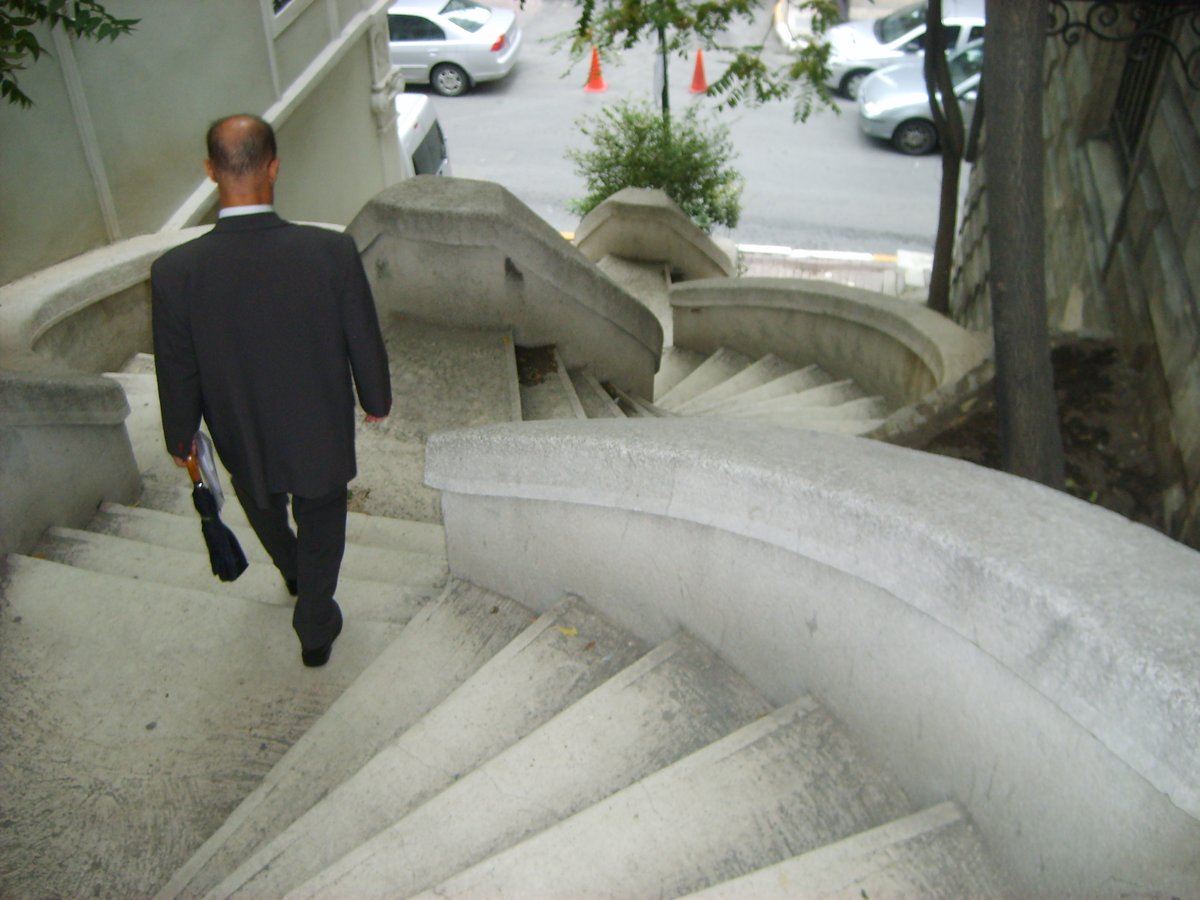
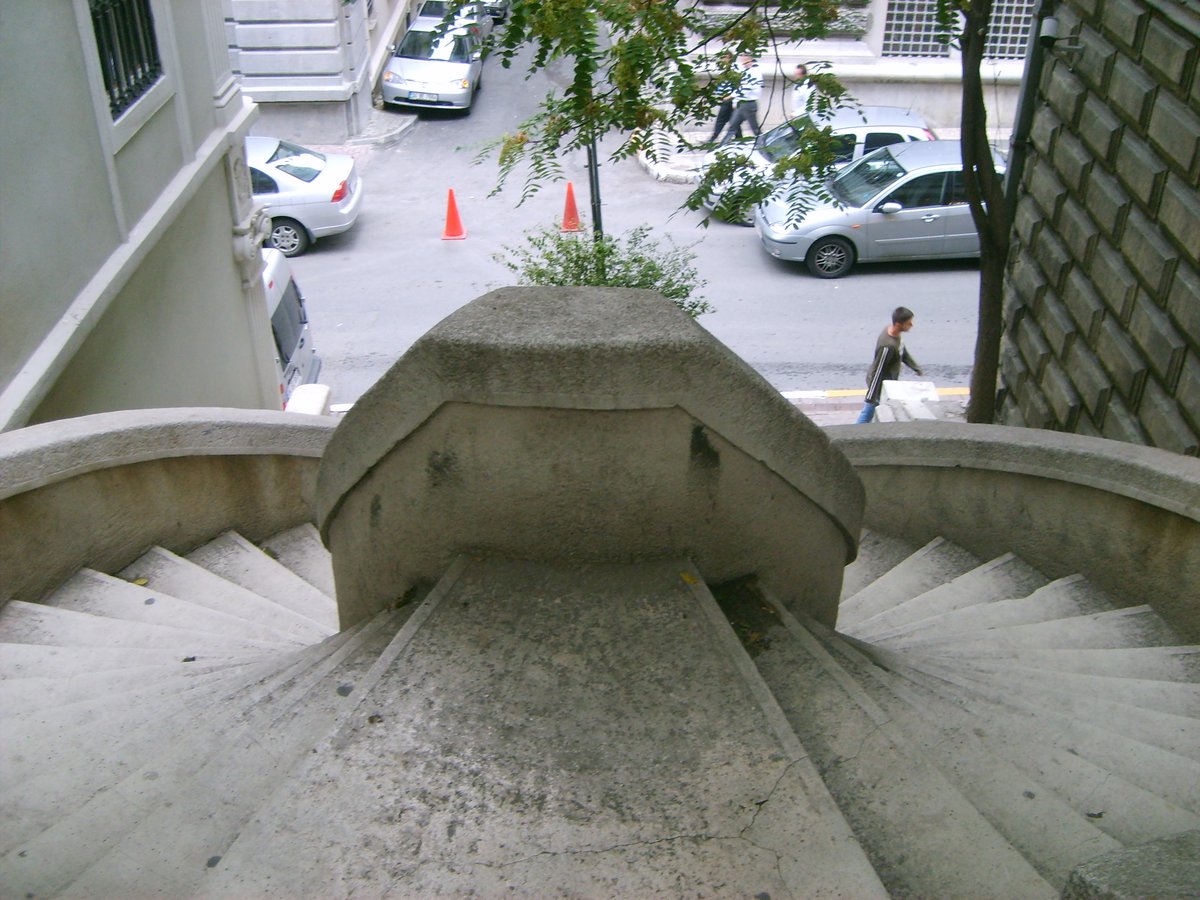
Kamondo Merdivenleri, or the Kamondo Stairs, is a historical gem nestled in the Galata district of Istanbul, Türkiye. Built in the mid-19th century, these stairs are not only a feat of architectural brilliance but also a testament to the Kamondo family's legacy and their significant contributions to Istanbul's urban development. The Kamondo family, of Sephardic Jewish descent, commissioned these stairs during the Ottoman Empire's Tanzimat period, a time marked by extensive modernization and reform (Istanbul Clues). The unique blend of Neo-Baroque and early Art Nouveau styles makes the Kamondo Stairs a standout example of the eclectic architectural tastes of the era (Daily Sabah).
The Kamondo family, led by Abraham Salomon Kamondo, were influential bankers and philanthropists who played a crucial role in the economic and cultural development of Istanbul (Jewish Virtual Library). The stairs were designed to provide a safe and convenient passage between Bankalar Caddesi (Banks Street) and the residential areas atop the hill, symbolizing the family's broader efforts to improve the city's infrastructure (Encyclopaedia Britannica). Today, the Kamondo Stairs stand as a cultural landmark, representing Istanbul's rich and diverse heritage and attracting tourists and locals alike for their historical and aesthetic significance (Istanbul Tour Studio).

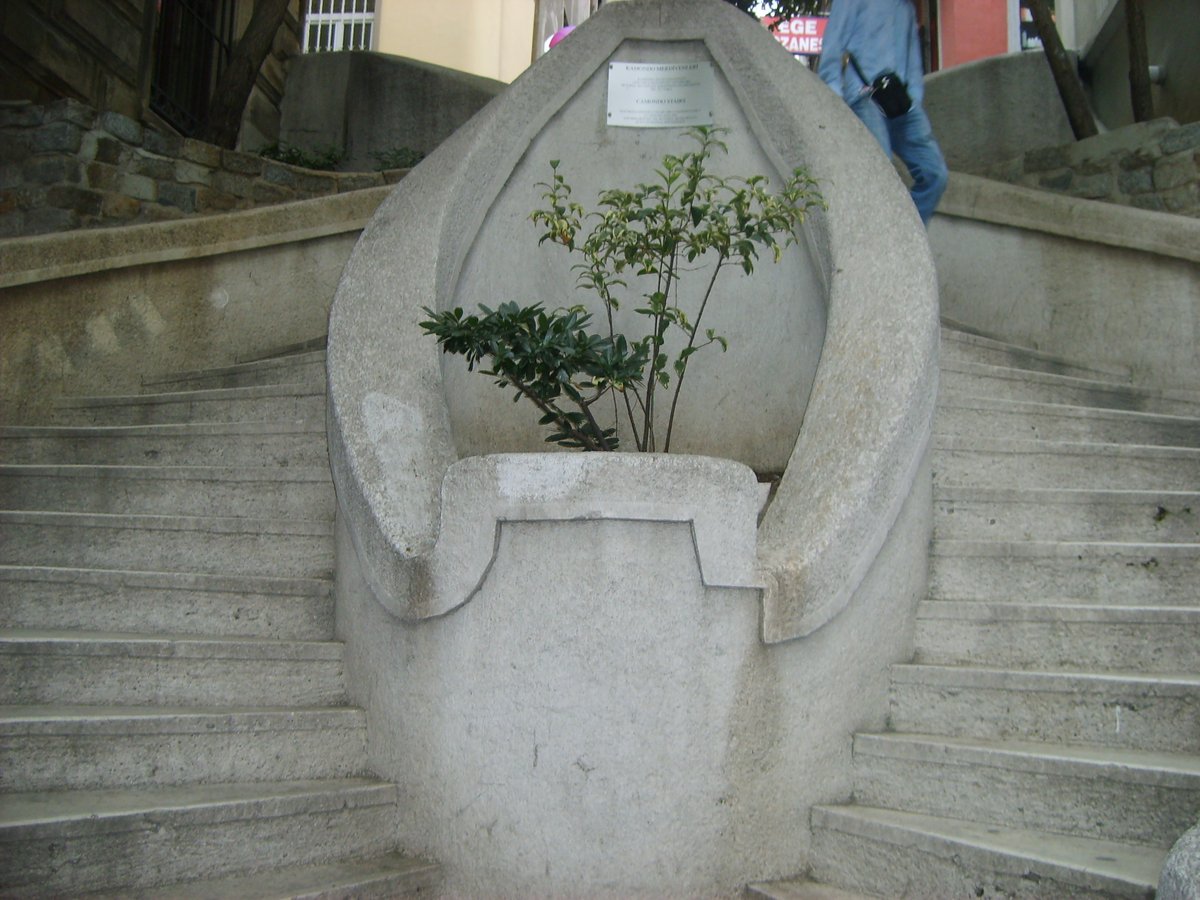
Discover the Kamondo Stairs - History, Visiting Hours, and Tickets in Istanbul
Origins and Construction
The Kamondo Stairs were commissioned by the influential Kamondo family, a prominent Jewish family of Portuguese origin who settled in Istanbul in the 18th century. The stairs were constructed in the mid-19th century, around 1850-1860, during the Ottoman Empire's Tanzimat period, a time of extensive modernization and reform (Istanbul Clues).
Architectural Significance
The Kamondo Stairs are a unique blend of Neo-Baroque and early Art Nouveau styles. The stairs were designed to provide a safe and convenient passage between Bankalar Caddesi (Banks Street) and the fashionable residential area on the hilltop. The serpentine shape of the stairs, with its elegant curves and symmetrical design, is both functional and aesthetically pleasing, making it a notable example of urban architecture (Daily Sabah).
The Kamondo Family
The Kamondo family played a crucial role in the economic and social life of Istanbul. Abraham Salomon Kamondo, the patriarch, was a key figure in the banking sector and a benefactor of many educational and cultural institutions. The family's influence extended beyond Istanbul, with connections to European financial markets and Jewish communities (Jewish Virtual Library).
Historical Context
The Tanzimat reforms, initiated in 1839, aimed to modernize the empire's administrative, legal, and economic systems. These reforms were influenced by European models and sought to integrate the diverse populations of the empire into a more cohesive and centralized state. The construction of public works, such as the Kamondo Stairs, was part of this broader modernization effort (Encyclopaedia Britannica).
Cultural Impact
The Kamondo Stairs have become a cultural landmark in Istanbul, representing the city's rich and diverse heritage. Over the years, the stairs have been featured in numerous films, photographs, and literary works, capturing the imagination of artists and writers. They serve as a metaphor for the city's layered history and the blending of different cultures and traditions (Istanbul Tour Studio).
Preservation and Restoration
In recent years, there have been efforts to preserve and restore the Kamondo Stairs to ensure their longevity and maintain their historical integrity. The Istanbul Metropolitan Municipality has undertaken several restoration projects to repair the wear and tear caused by time and weather. These efforts are crucial in preserving the stairs as a cultural and historical asset for future generations (Hurriyet Daily News).
Modern-Day Relevance
The Kamondo Stairs continue to be a significant part of Istanbul's urban landscape. They serve as a reminder of the city's cosmopolitan past and the contributions of the Kamondo family to its development. The stairs are also a testament to the enduring appeal of well-designed public spaces that enhance the quality of urban life (Istanbul Insider).
Visitor Information
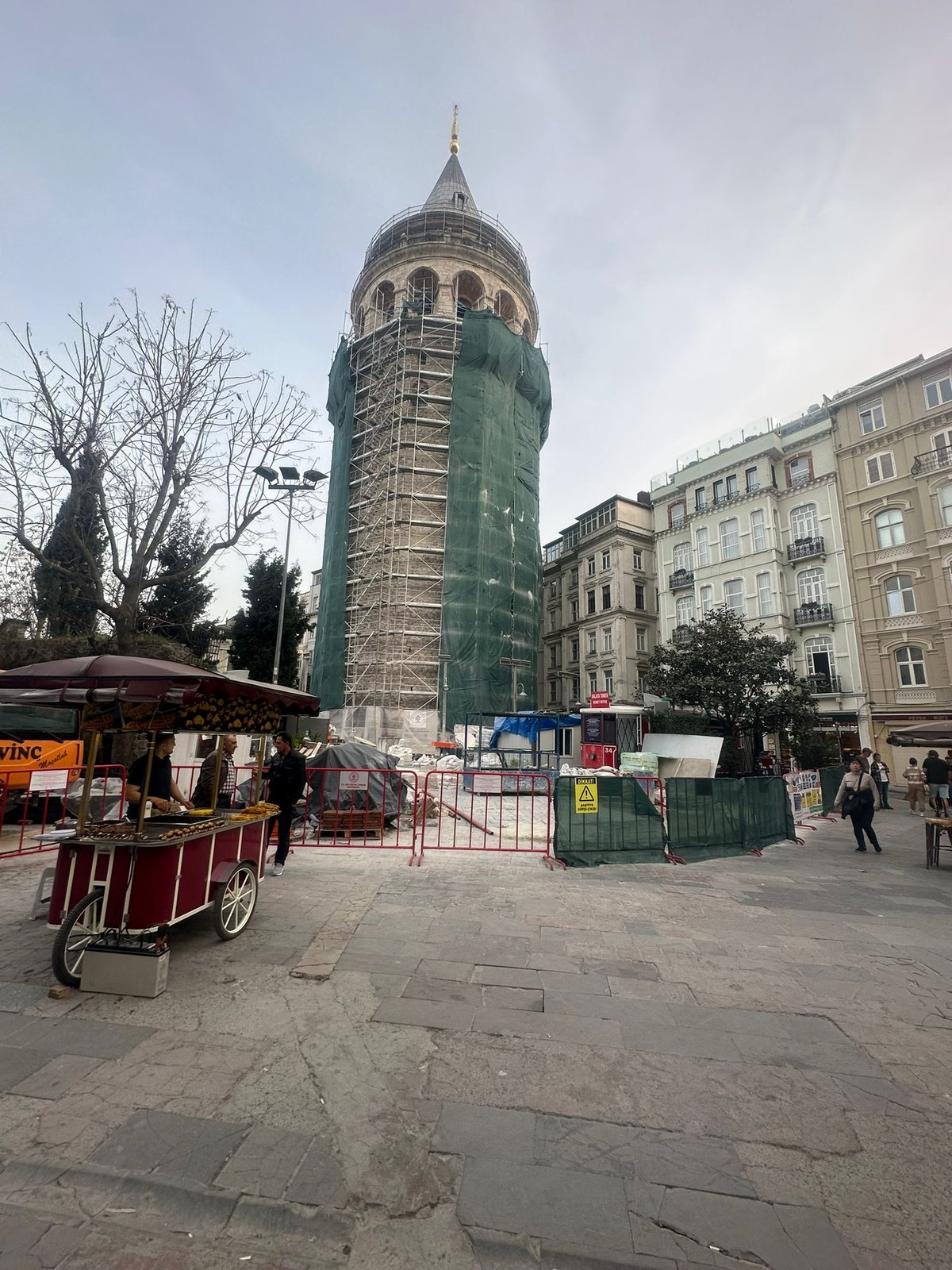
Kamondo Merdivenleri is open to the public 24 hours a day, and there is no admission fee. The stairs are located in the Galata district, near the Karaköy neighborhood, making them easily accessible by foot or public transportation. Visitors can combine their visit to the stairs with other nearby attractions such as the Galata Tower, the Istanbul Modern Art Museum, and the Karaköy Fish Market. Guided tours are available, offering deeper insights into the history and significance of the stairs.
Nearby Attractions
While exploring the Kamondo Stairs, you can also enjoy several nearby attractions:
- Galata Tower - A medieval stone tower offering panoramic views of Istanbul. (Galata Tower)
- Istanbul Modern Art Museum - Showcasing contemporary Turkish art. (Istanbul Modern)
- Karaköy Fish Market - A bustling market where you can enjoy fresh seafood.
- Bankalar Caddesi - Known for its historical architecture and vibrant street life.
FAQ
What are the visiting hours for the Kamondo Stairs? The Kamondo Stairs are open to the public 24/7.
Are there any guided tours available? Yes, several guided tours offer insights into the history and significance of the Kamondo Stairs and the surrounding area.
How much do tickets cost to visit the Kamondo Stairs? There is no admission fee to visit the Kamondo Stairs.
What are some nearby attractions? Nearby attractions include the Galata Tower, Istanbul Modern Art Museum, Karaköy Fish Market, and Bankalar Caddesi.
Listen to the full story in the app
The whole Camondo Stairs,
told well.
Audio guides for 1,100+ cities across 96 countries. History, stories, and local insight — offline ready.
Verified, and shown.
Researched and written by the Audiala editorial team from historical records, architectural archives, and local expertise.
Researched from Wikidata, Wikipedia & official sources · fact-checked · How we make our guides →