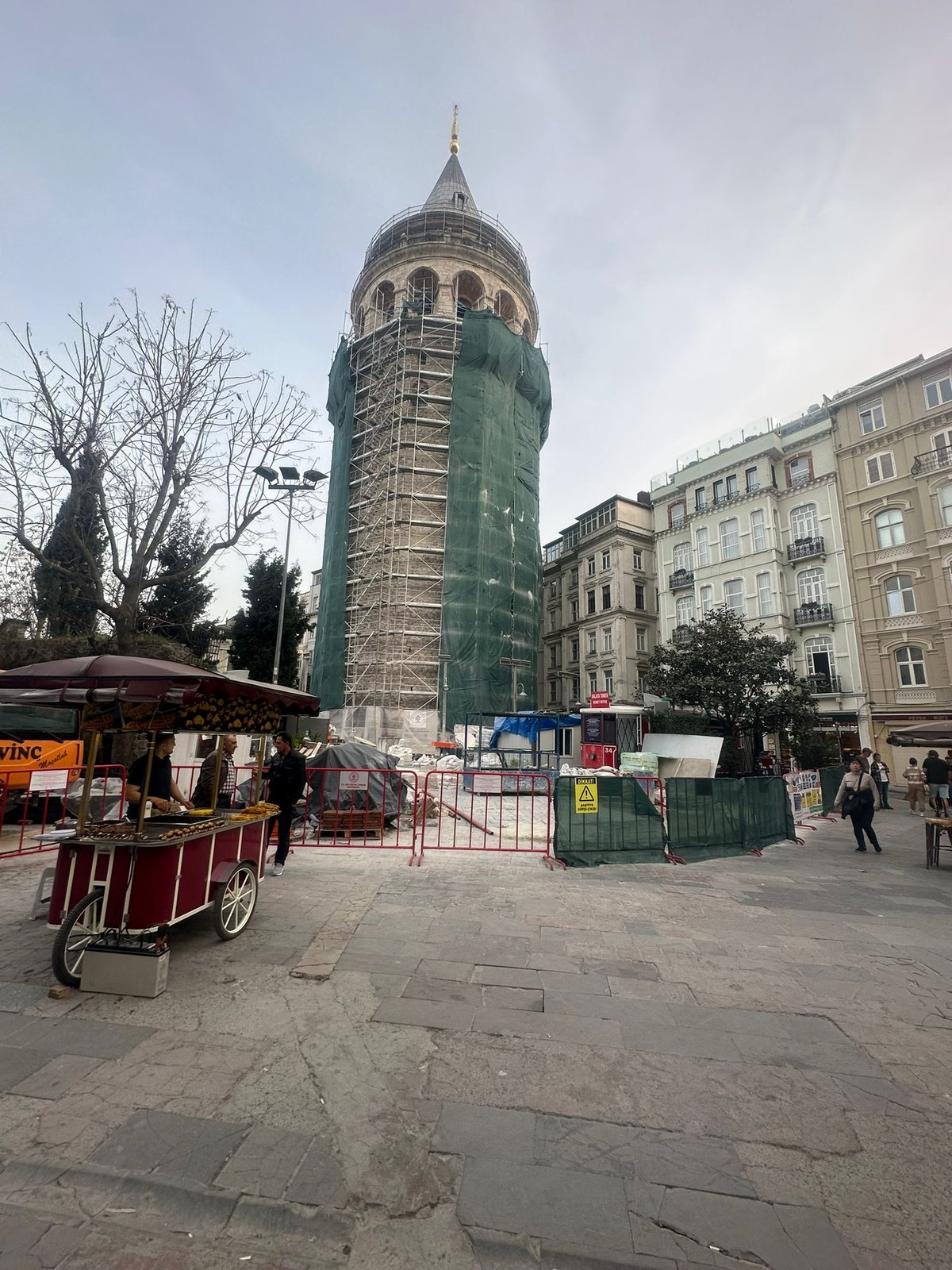
Plan and listen to Boukoleon Palace with Audiala.
Audio guide in your pocket, itinerary in your browser. Built for the way you actually visit.
Introduction to Boukoleon Palace
Set along the southern shore of Istanbul’s historic peninsula, the Boukoleon Palace stands as a testament to Byzantine imperial grandeur and architectural achievement. Built in the 5th century under Emperor Theodosius II and expanded by successive rulers, Boukoleon once served as a principal residence and administrative hub for the Byzantine emperors. Its dramatic location, overlooking the Sea of Marmara and equipped with its own harbor, reflected both its strategic importance and the wealth of empire. The palace’s name, inspired by the Greek words for "bull" and "lion," refers to the marble statues that once adorned its entrance, symbolizing imperial power. Though much of the complex now lies in ruins due to natural disasters and urban development, ongoing restoration by the Istanbul Metropolitan Municipality is revitalizing Boukoleon as a key cultural landmark and open-air museum. This guide explores Boukoleon Palace’s history, architecture, visiting hours, tickets, accessibility, and tips for a rewarding visit.
(The Byzantine Legacy, Nomadic Niko, Istanbul Tour Studio)

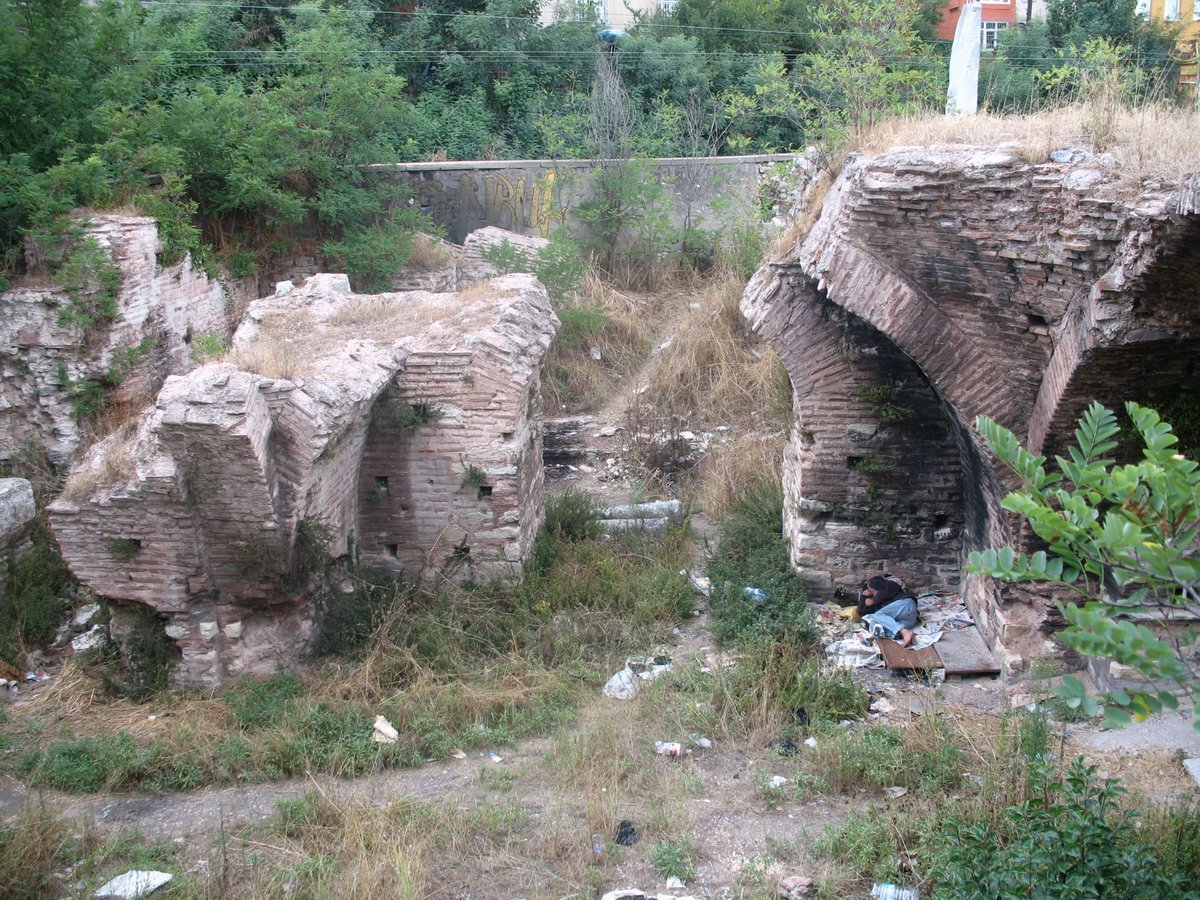
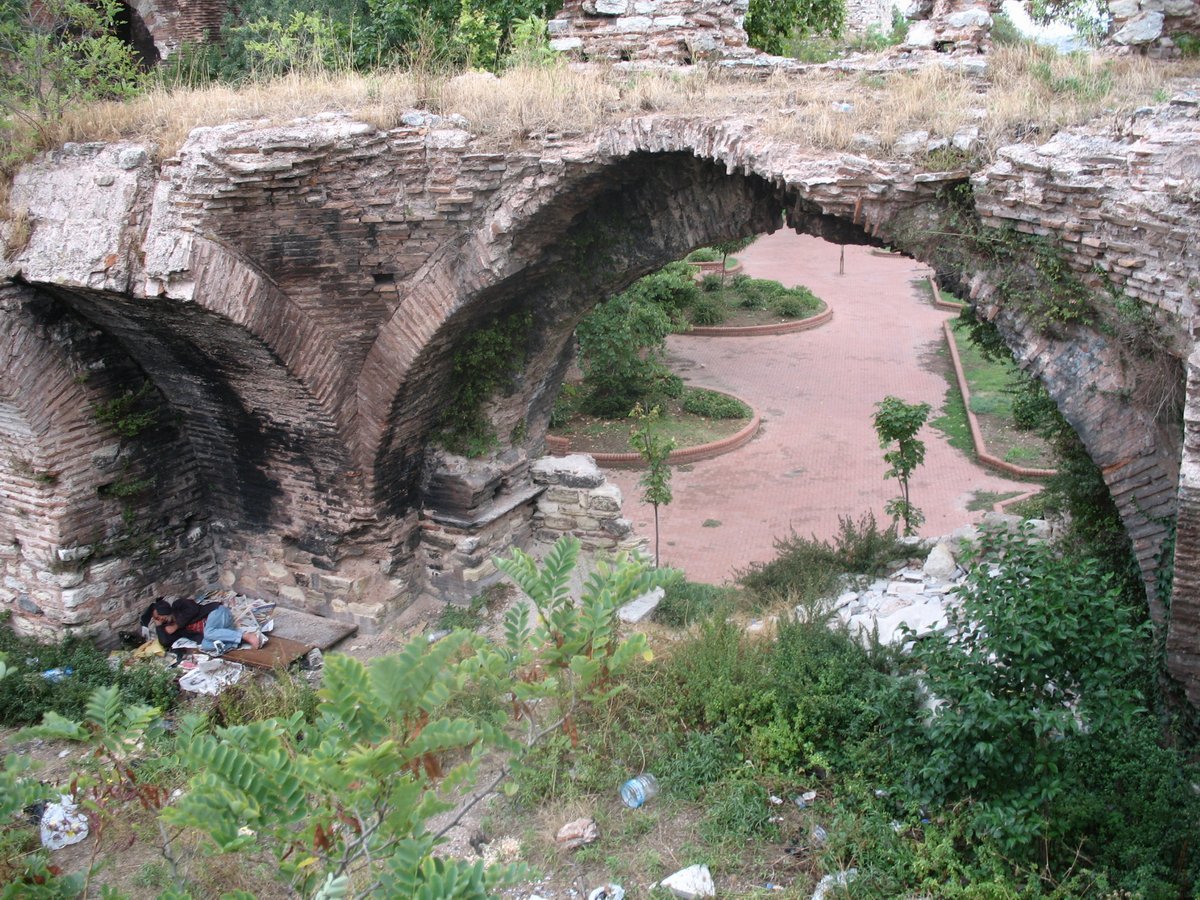
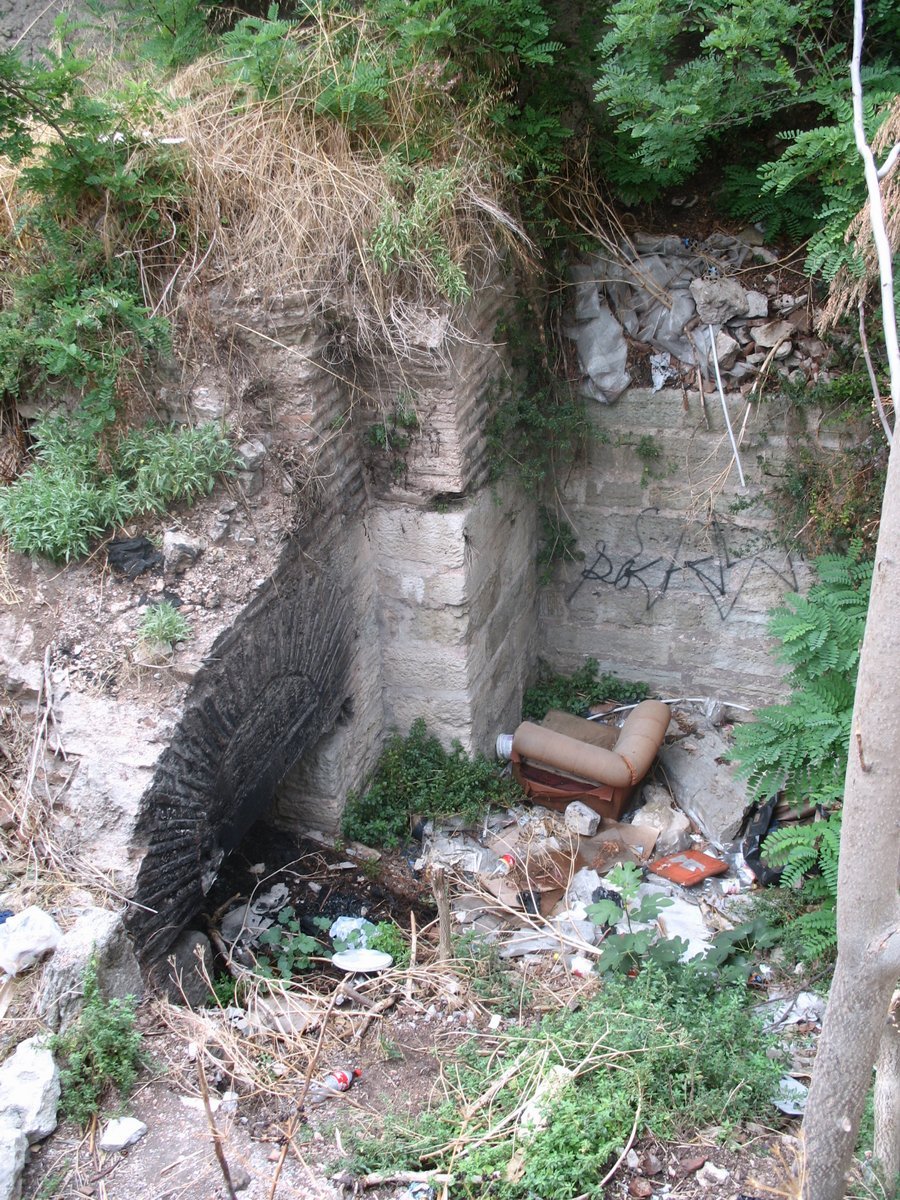
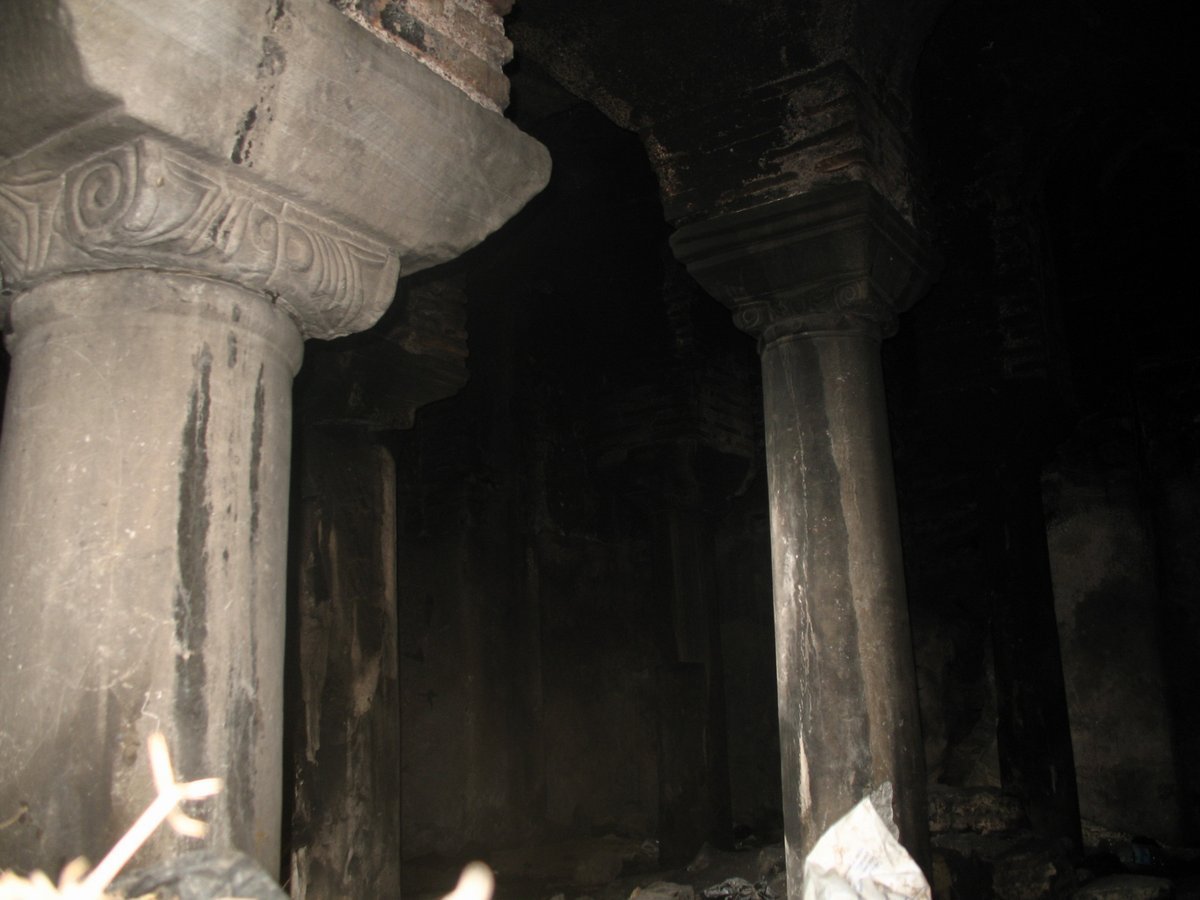
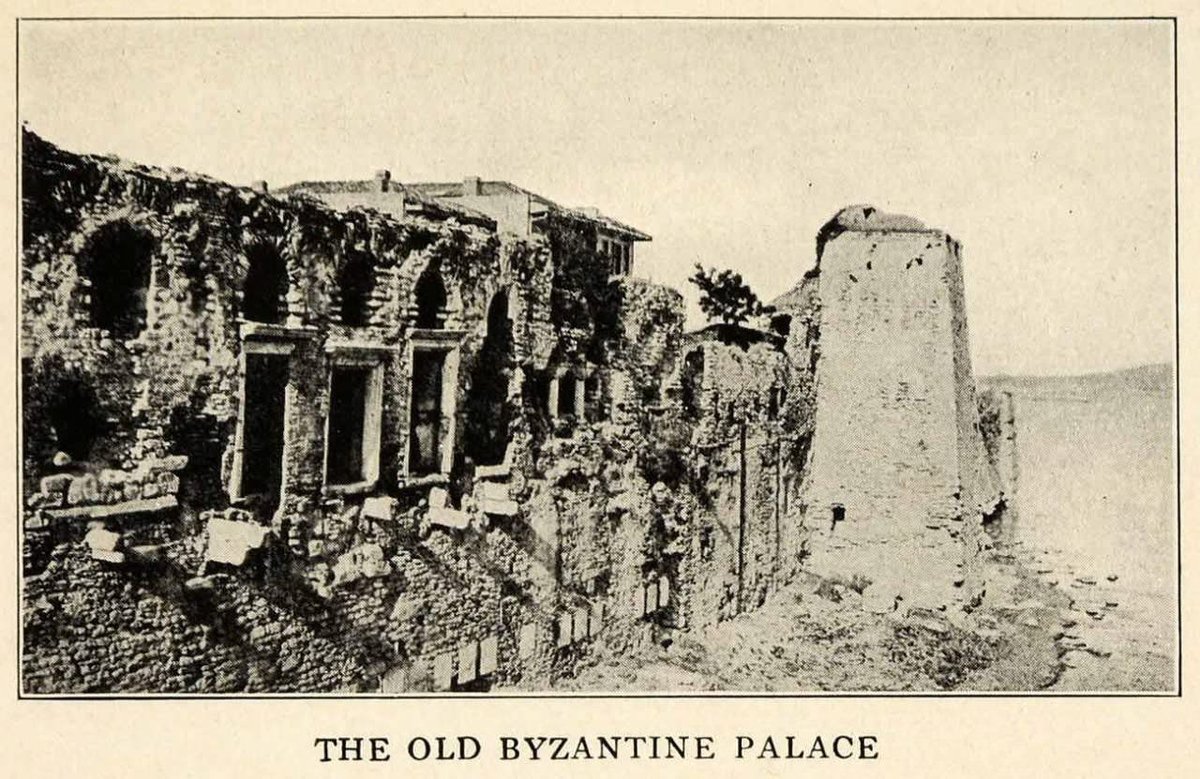
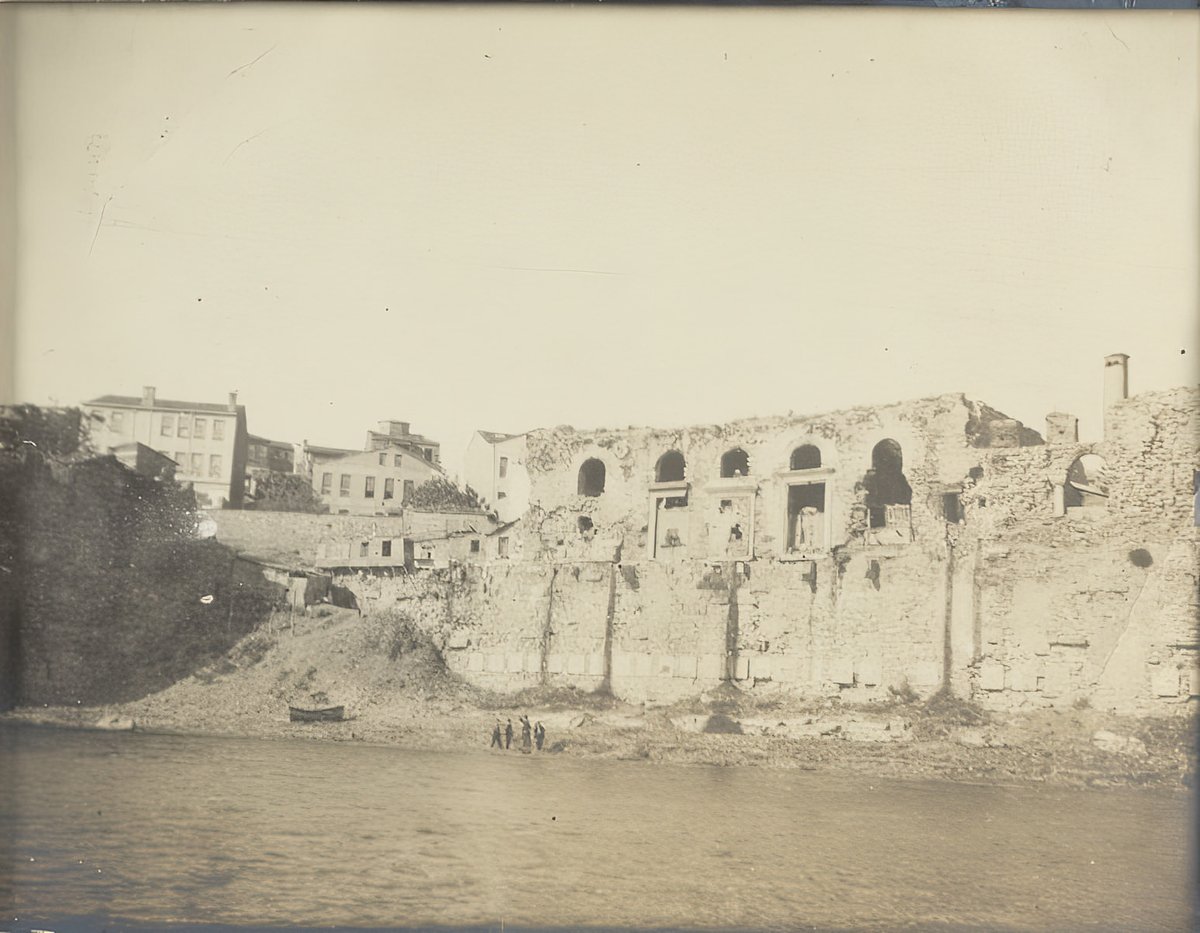
Origins and Early Development
The Boukoleon Palace (Greek: Βουκολέων) is among the most significant surviving remnants of Byzantine secular architecture in Istanbul. Its initial construction is attributed to Emperor Theodosius II (r. 408–450 CE), who selected a site just south of the Hippodrome and east of the Church of Sts. Sergius and Bacchus, with commanding views over the Sea of Marmara. The palace’s harbor and direct sea access underscored its defensive and ceremonial functions. The name "Boukoleon" comes from the Greek for "bull" (bous) and "lion" (leon), a reference to the marble statues that once flanked its entrance.
(The Byzantine Legacy, Wikipedia)
Architectural Features and Expansion
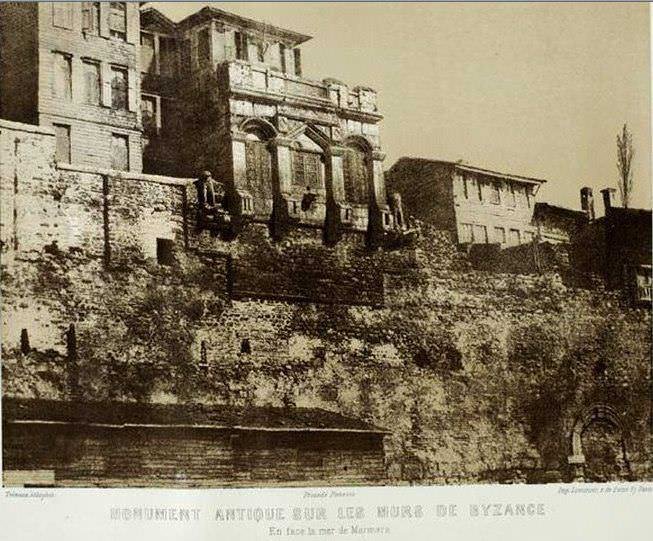
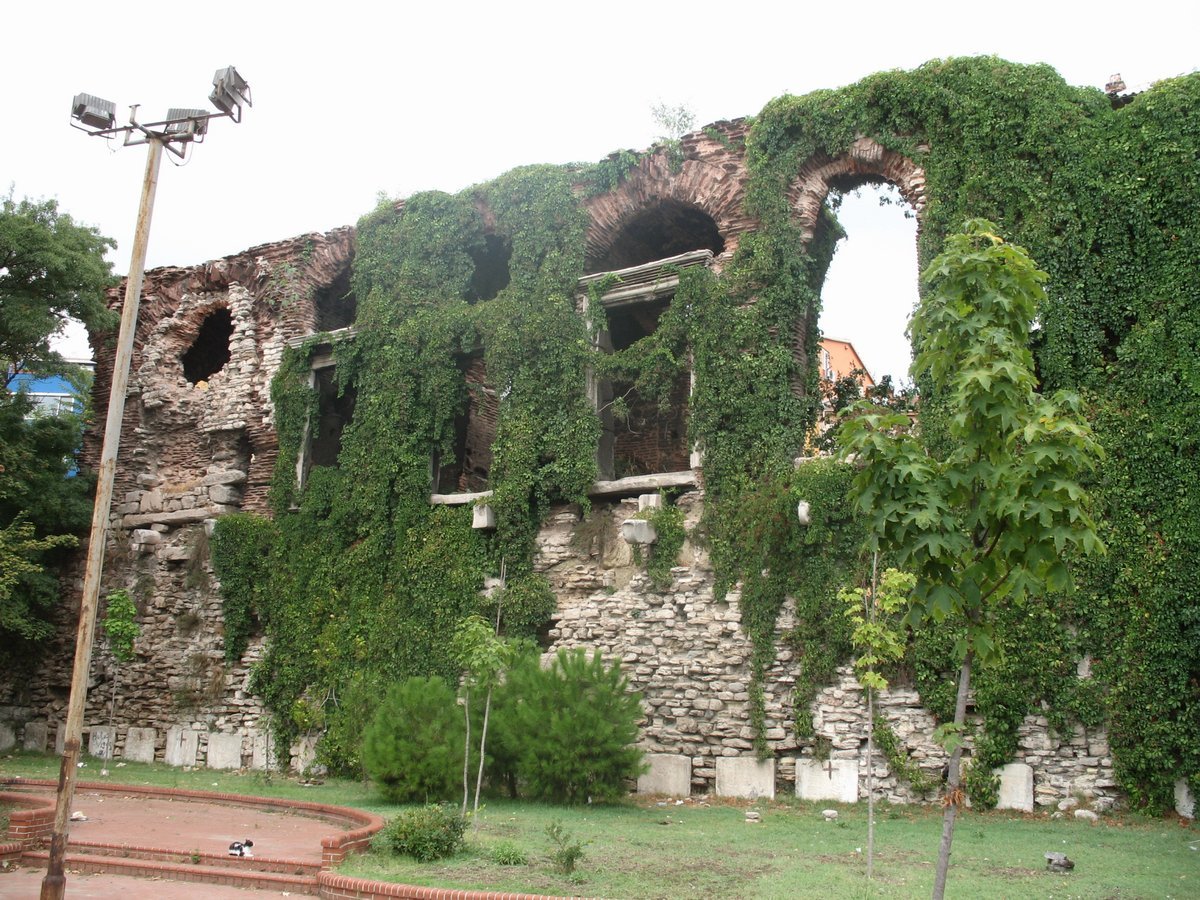
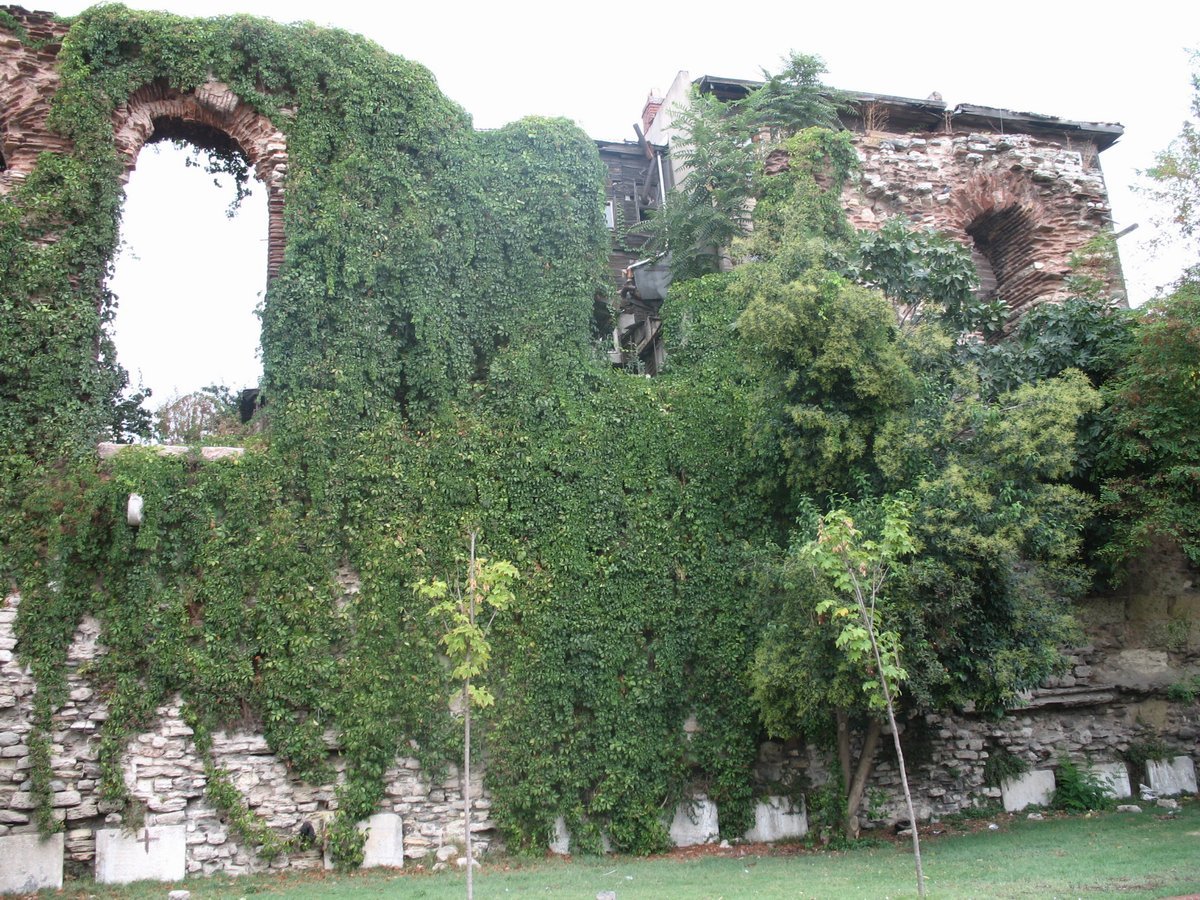
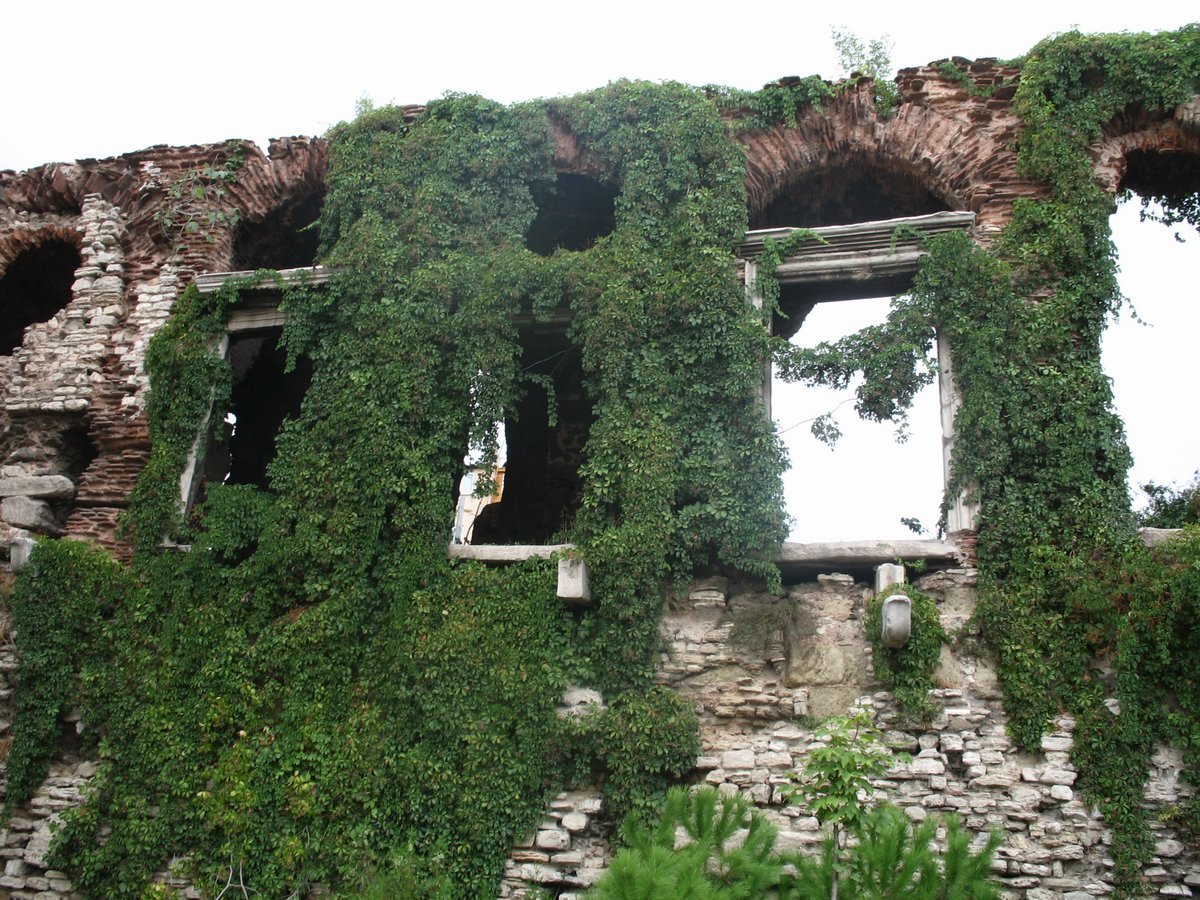
Boukoleon was originally integrated into the larger Great Palace of Constantinople complex. Emperors, notably Theophilos (r. 829–842 CE), expanded and embellished the structure with elaborate marble façades, arched windows, and vaulted halls. The palace’s seaward face boasted three large marble-framed windows and a monumental gateway, remnants of which survive today. Subterranean cisterns supported by Ionic columns and the intricate brick vaults of the eastern wing demonstrate the sophistication of Byzantine engineering. Lavish mosaics, frescoes, and decorative capitals further illustrated imperial wealth and artistry.
(Turkish Archaeological News, Pallasweb)
Political and Ceremonial Roles
For centuries, Boukoleon was the residence of Byzantine emperors, the site of diplomatic receptions, coronations, and religious councils. Its strategic design facilitated not only defense but also impressive imperial arrivals and departures via the harbor, reinforcing the emperor’s authority over land and sea. The palace also housed prisoners during times of political upheaval, including the captivity of deposed Emperor Isaac II Angelos.
(AMZ Newspaper)
The Fourth Crusade and Latin Occupation
The palace’s fate changed dramatically during the Fourth Crusade in 1204, when Crusaders sacked Constantinople and Boniface of Montferrat seized Boukoleon as the residence of the Latin emperors. The Latins occupied the palace until the recapture of the city by the Byzantines in 1261.
(Nomadic Niko, Pallasweb)
Decline and Abandonment
After the restoration of the Byzantine Empire, the Boukoleon Palace gradually lost prominence to the Blachernae Palace. By the time of the Ottoman conquest in 1453, Boukoleon was largely abandoned and subsequently fell into ruin.
(The Byzantine Legacy, Nomadic Niko)
Modern Destruction and Preservation
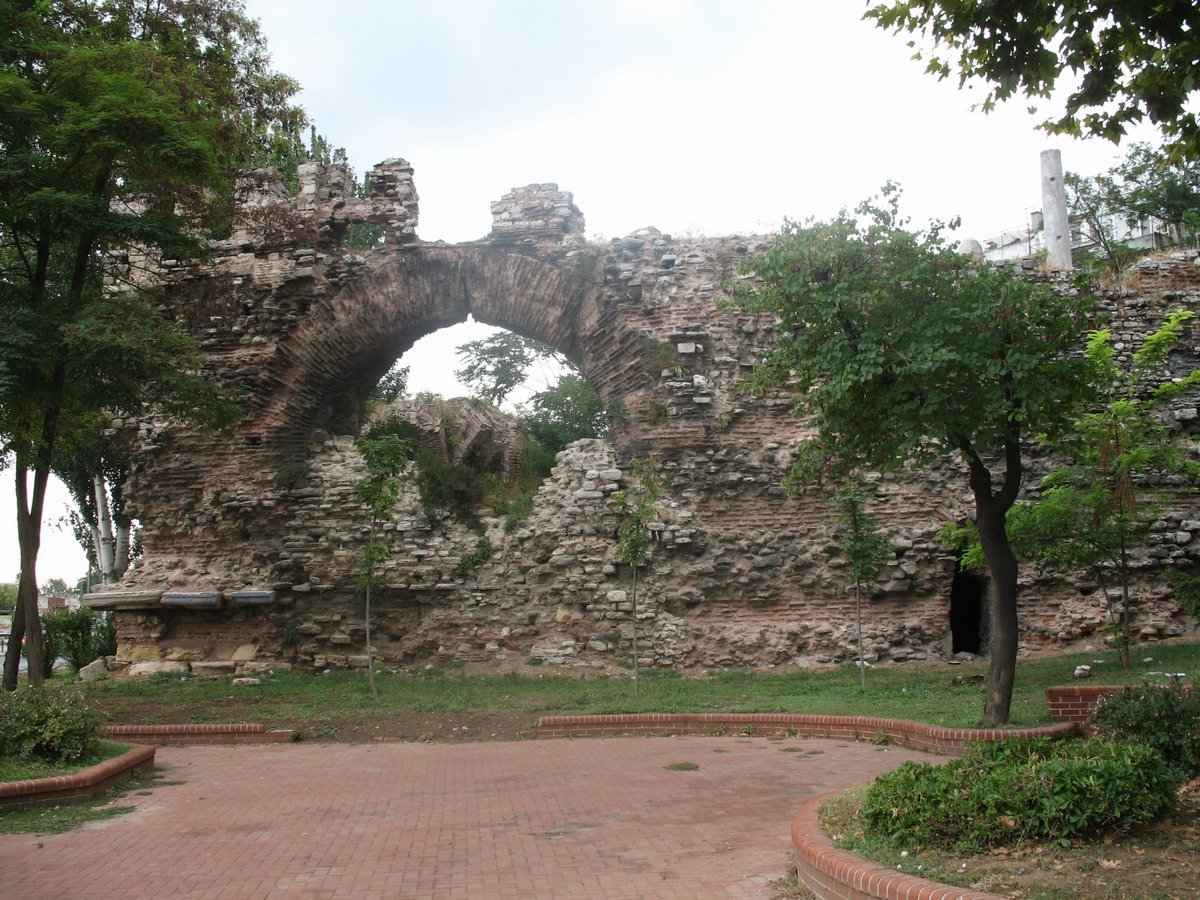
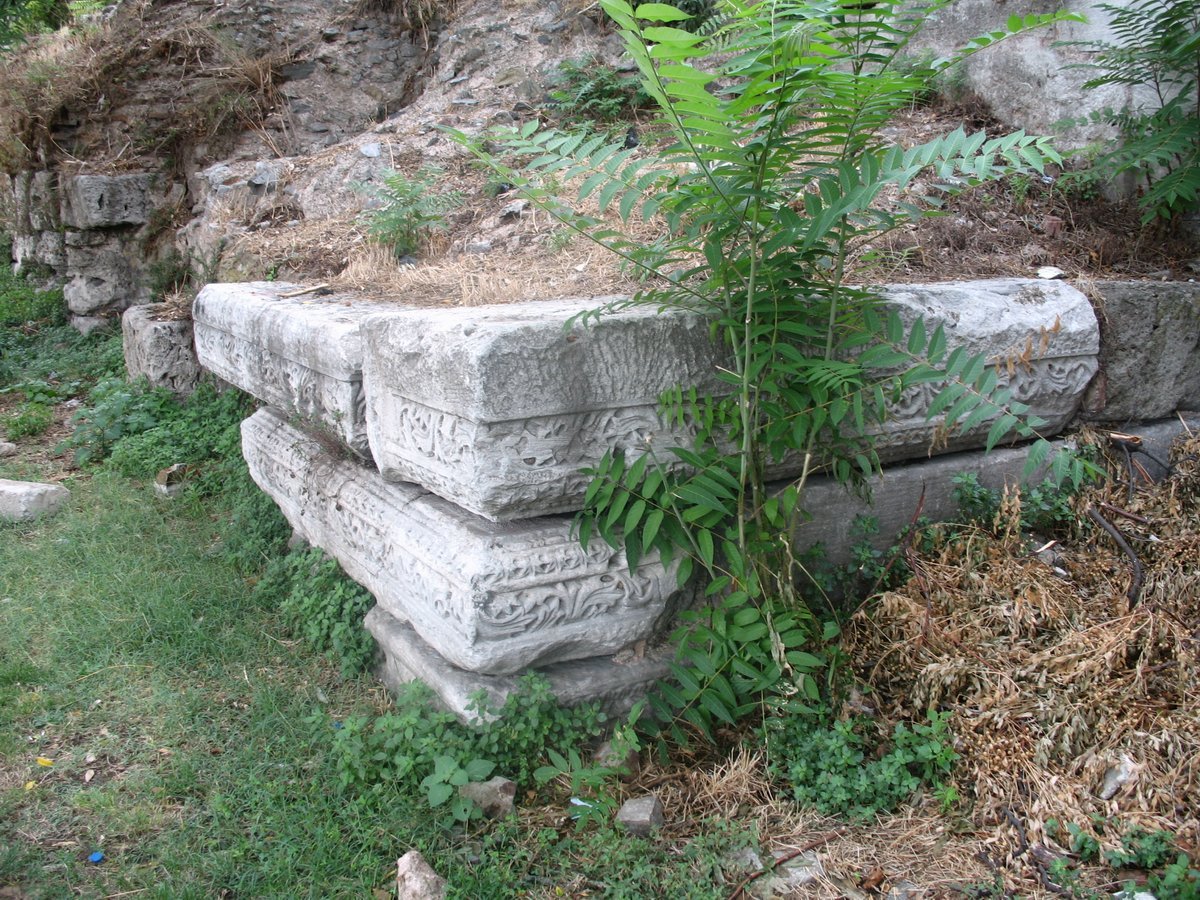
The 19th and 20th centuries brought further destruction: construction of the Sirkeci railway in 1873 demolished much of the western façade, while the Kennedy Caddesi coastal road in 1959 separated the palace from the sea. Fires, earthquakes, and urban development reduced Boukoleon to ruins, though its iconic marble windows and gateway remain. Excavations have revealed ancient fountains and artifacts, with many relics now housed in the Istanbul Archaeological Museums.
(Turkish Archaeological News, Middle East Eye)
Restoration and Future Prospects
Since 2018, the Istanbul Metropolitan Municipality has launched restoration projects to stabilize, preserve, and transform Boukoleon into an open-air museum, including timber walking trails and new interpretive displays. Efforts are ongoing, with future plans for enhanced visitor infrastructure and events that will further integrate Boukoleon within Istanbul’s UNESCO World Heritage landscape.
(AMZ Newspaper, Nomadic Niko, Wikipedia)
Visiting Boukoleon Palace: Practical Information
Visiting Hours
- Standard Opening: 9:00 AM – 6:00 PM daily (last entry at 5:30 PM)
- Closed: Mondays and major public holidays
- Note: Hours may vary due to restoration; check the official Istanbul tourism site before your visit.
Tickets and Admission
- Admission: 50 Turkish Lira (adults)
- Reduced: 25 Turkish Lira (students, seniors)
- Purchase: Onsite or online via Istanbul Museum Pass
- Special Note: As of June 2025, Boukoleon Palace is sometimes open as a free-access open-air archaeological site; verify current status before visiting.
Directions and Accessibility
- Location: Sultanahmet district, near the Sea Walls
- Public Transport: Tram T1 (Sirkeci or Sultanahmet stops), bus, or taxi
- On Foot: Easily walkable from major attractions like Topkapi Palace, Hagia Sophia, and the Hippodrome
- Accessibility: The palace features uneven terrain and limited wheelchair access; some assistance may be required.
Guided Tours and Visitor Tips
- Tours: Guided tours are available and recommended to fully appreciate the palace’s history and context.
- Best Time to Visit: Early morning or late afternoon for optimal lighting and fewer crowds.
- Practical Tips: Wear comfortable shoes, bring water, and respect preservation efforts by not climbing on ruins.
Photographic Spots
- Highlights: The eastern façade’s marble windows, sea-facing balcony, and panoramic views of the Marmara Sea.
- Photography: Permitted throughout the site.
Nearby Attractions
- Landmarks: Hagia Sophia, Blue Mosque, Topkapi Palace, Basilica Cistern, Istanbul Archaeological Museums, Little Hagia Sophia (Sts. Sergius and Bacchus)
FAQ: Boukoleon Palace Visiting Details
Q: Are tickets required to visit Boukoleon Palace?
A: In most cases, yes. Tickets are available onsite or online, though the site is sometimes open for free as an open-air museum.
Q: What are the visiting hours?
A: Typically 9:00 AM – 6:00 PM daily, but check for seasonal changes or restoration closures.
Q: Is Boukoleon Palace wheelchair accessible?
A: Accessibility is limited due to uneven terrain; visitors with mobility challenges should plan accordingly.
Q: Are guided tours available?
A: Yes, guided tours are offered and are highly recommended.
Q: Can I take photos at the palace?
A: Yes, photography is allowed, but climbing on ruins is prohibited.
Q: What are the best months to visit?
A: Spring and early summer provide pleasant weather and blooming gardens.
Internal Links
- Explore more about Hagia Sophia
- Discover the Great Palace of Constantinople
- See our guide to Istanbul historical sites
External Links
Listen to the full story in the app
The whole Boukoleon Palace,
told well.
Audio guides for 1,100+ cities across 96 countries. History, stories, and local insight — offline ready.
Verified, and shown.
Researched and written by the Audiala editorial team from historical records, architectural archives, and local expertise.
Researched from Wikidata, Wikipedia & official sources · fact-checked · How we make our guides →