Historical Background
Foundations and Patronage
Commissioned by Bali Pasha, a notable vizier under Sultan Bayezid II, the mosque was constructed between 1504 and 1505, with Huma Hatun overseeing its completion after Bali Pasha’s death. This highlights the active role played by Ottoman women in religious and civic patronage (nomatto.com, commons.wikimedia.org).
Architectural Evolution and Influence
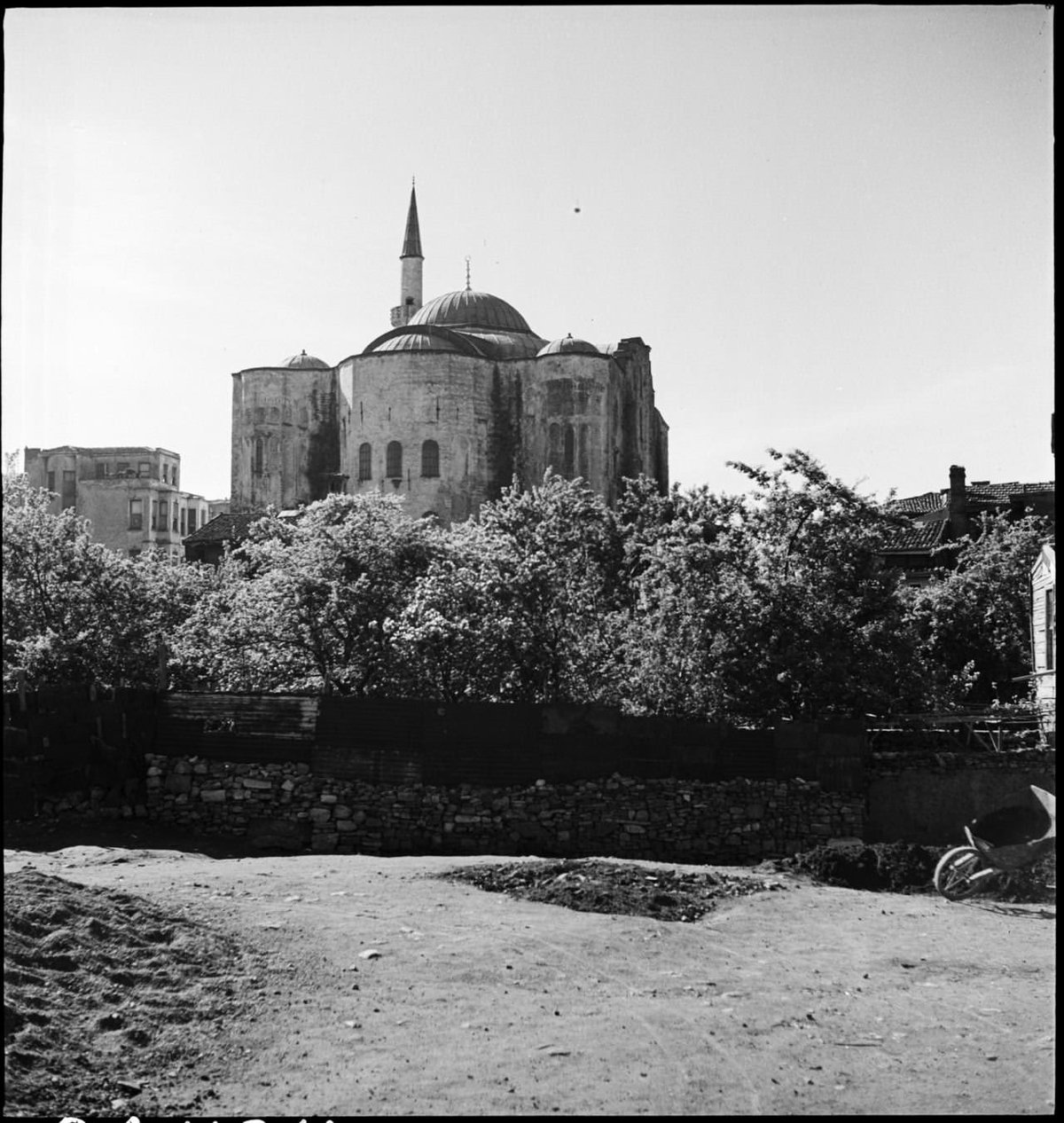
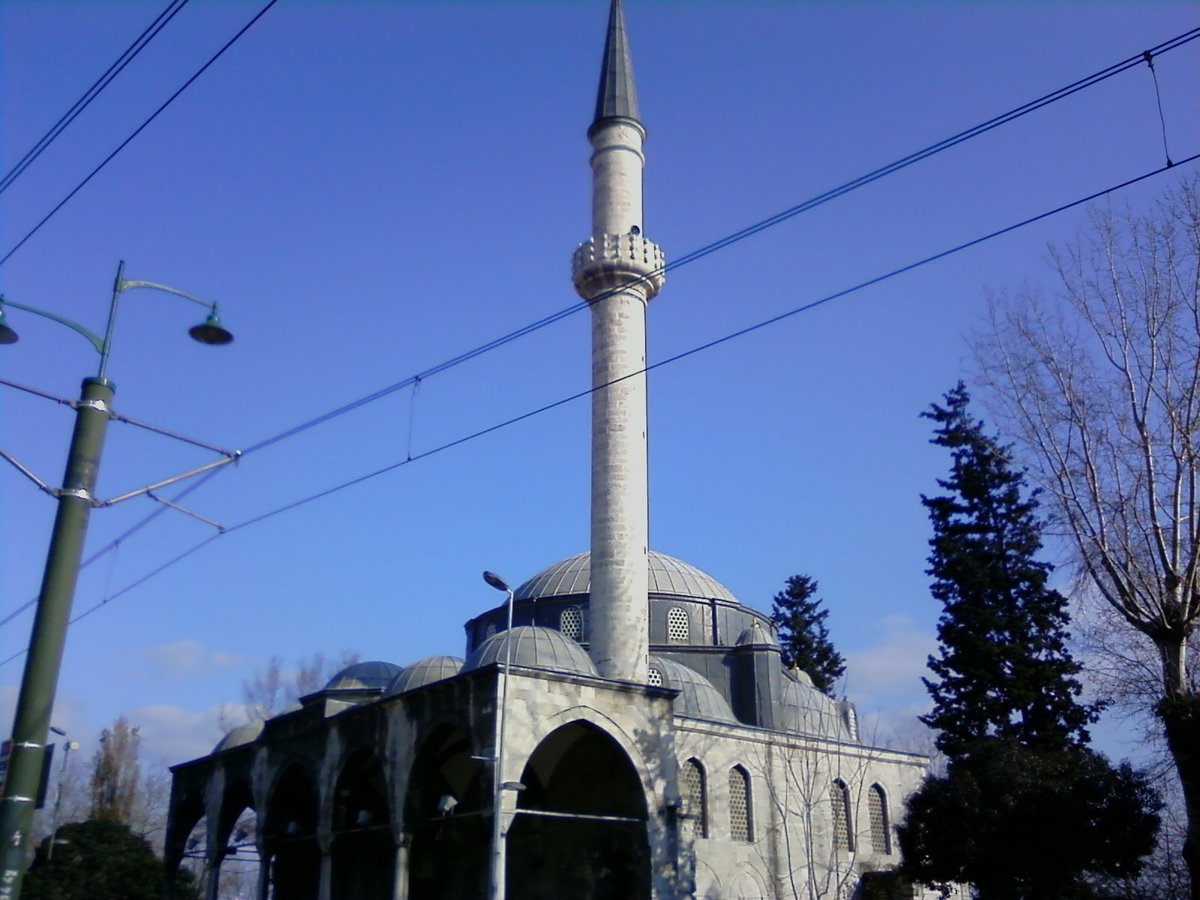
While the mosque’s original architect remains unidentified, Ottoman chronicles suggest later restoration or design input from the celebrated architect Mimar Sinan, whose works defined the era’s architectural landscape (nomatto.com). The mosque’s design—a single-domed prayer hall with a five-domed portico—exemplifies early 16th-century Ottoman style.
Restoration and Preservation
The mosque endured significant damage in the 1894 earthquake and a fire in 1917. Major restorations in 1935 and 2007, led by architect Ekrem Hakkı Ayverdi and the Turkish Foundations Directorate respectively, have preserved its historical features and ensured its ongoing use as an active house of worship (nomatto.com).
The Mosque Complex: Külliye and Social Functions
Historically, the Bali Pasha Mosque functioned as a külliye—an integrated complex providing both religious and social services. Facilities included a mausoleum, ablution area, marble garden pavilion, and a distinctive Ottoman birdhouse, reflecting the empire’s tradition of community care and compassion (turkiyetoday.com).
Architectural and Artistic Features
Site and Urban Context
Located in the heart of Fatih, the mosque is surrounded by narrow streets and residential buildings, exemplifying the Ottoman approach to integrating religious architecture into daily urban life (Fatih Municipality).
Prayer Hall and Dome
The mosque showcases a classic square-plan prayer hall crowned by a central dome supported by pendentives, maximizing the interior’s spaciousness and illumination. The five-domed portico with marble columns provides a graceful transition from the bustling street to the tranquil sanctuary (World History Edu).
Minaret and Exterior
A single minaret, with a circular stone shaft and conical cap, rises from the mosque’s right side, marking the structure’s skyline presence.
Decorative Elements
- Stone and Marble The mosque’s exterior features finely dressed stone, while the mihrab and minbar are adorned with marble.
- Iznik Tiles Decorative tilework in blue and turquoise, particularly around the mihrab and window lunettes, adds visual vibrancy (Istanbul Clues).
- Calligraphy Qur’anic verses and hadiths in elegant scripts enhance the spiritual ambiance.
- Windows and Lighting Multi-tiered windows with colored glass flood the interior with natural light.
Garden and Birdhouse
A unique aspect of the mosque is its garden birdhouse, an Ottoman symbol of compassion for animals and environmental harmony (turkiyetoday.com).
Cultural and Religious Significance
The Bali Pasha Mosque has functioned not only as a place of worship but also as a center for education and charity, embodying the Ottoman synthesis of spiritual, social, and architectural ideals. Its peaceful grounds continue to offer a restorative retreat in the heart of the city (nomatto.com).
Visiting Bali Pasha Mosque: Practical Information
Visiting Hours
- Open daily 9:00 AM – 6:00 PM
- Closed to visitors during prayer times Approximately 30 minutes before and after each of the five daily prayers
- Check latest hours Fatih Municipality website
Entrance Fees
- Admission Free for all visitors
- Donations Welcome to support maintenance
Accessibility
- Wheelchair access Ramps are available at the main entrance; some historic areas may have limited accessibility
Dress Code and Etiquette
- Modest attire required Women should cover heads and shoulders; men should avoid shorts
- Shoes Remove before entering the prayer hall
- Photography Permitted outside prayer times; avoid using flash or photographing worshippers
Getting There
- Public Transport Accessible via tram and bus lines in Fatih
- Nearby Landmarks Fatih Mosque, Grand Bazaar, and Süleymaniye Mosque
Guided Tours
- Local guides Tours can be arranged via Istanbul tour operators or cultural organizations
- Special events Religious and cultural activities may be held during Islamic holidays
Visuals and Media
High-quality images and virtual tours of the mosque’s interior, exterior, and garden are available on Wikimedia Commons and official tourism platforms. Virtual maps and interactive guides enhance pre-visit planning.
Frequently Asked Questions (FAQ)
What are the Bali Pasha Mosque visiting hours?
The mosque is open daily from 9:00 AM to 6:00 PM, but closes to tourists during prayer times.
Is there an entrance fee?
No, entry is free; donations are appreciated.
Is the mosque wheelchair accessible?
Yes, the main entrance is ramped, though some historic areas have limited access.
Are guided tours available?
Local guides and tour agencies can arrange visits; check with Istanbul’s tourism offices.
Can I take photos in the mosque?
Yes, but avoid flash and photographing worshippers, especially during prayers.
Comparative Context
The Bali Pasha Mosque shares architectural characteristics with other Ottoman-era mosques in Fatih, such as the Fatih Mosque and Rüstem Pasha Mosque—single domes, slender minarets, and intricate tilework (World History Edu, Istanbul Clues).
Summary and Visitor Insights
Bali Pasha Mosque offers visitors a unique window into the Ottoman era’s architectural beauty, religious life, and community values. Its free entry, accessible location, and proximity to Istanbul’s other historic sites make it an essential stop for anyone exploring the city’s rich past. Respect for prayer times and modest dress ensures a harmonious experience. Guided tours and digital resources such as virtual tours can deepen your appreciation (nomatto.com, turkiyetoday.com, Fatih Municipality).
For updates on visiting hours, travel tips, and cultural insights, consider downloading the Audiala app and following social media channels dedicated to Istanbul’s heritage (audiala.com).