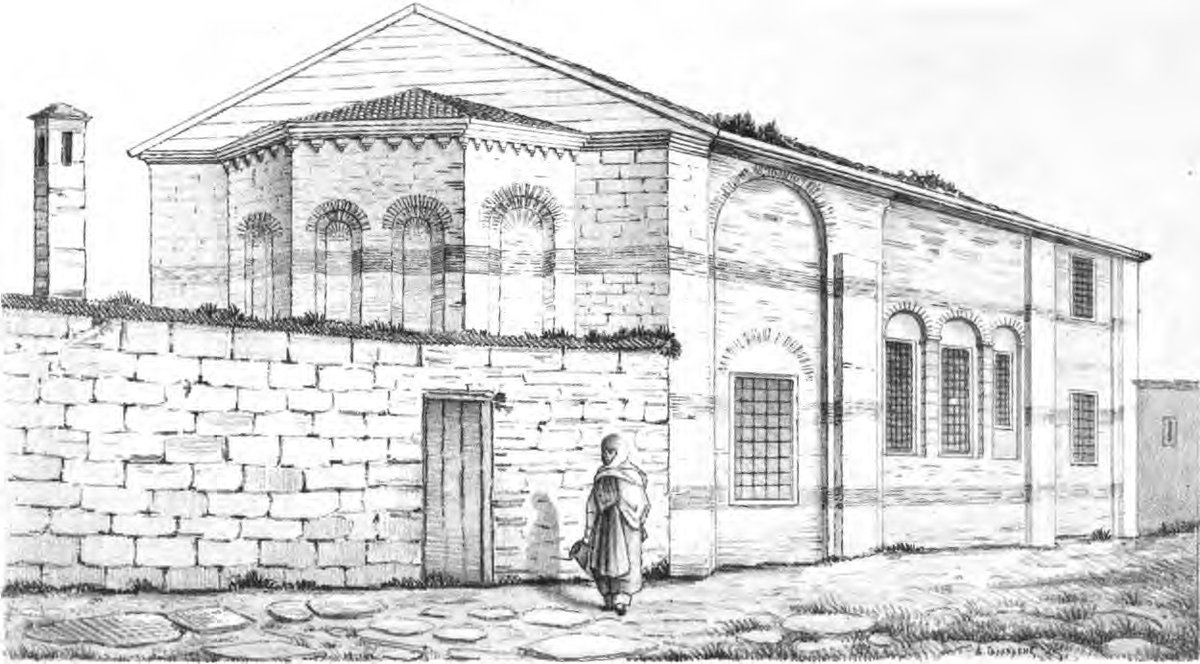
History of Zeynep Sultan Mosque
The Ottoman Setting: 18th-Century Istanbul
The Zeynep Sultan Mosque was constructed during a period of architectural innovation under Sultan Mustafa III (r. 1757–1774). The site reflects a blending of Ottoman and European influences, characteristic of late Ottoman Istanbul (kulturenvanteri.com; travelturkeyinfo.com). The mosque’s establishment by Zeynep Asime Sultan—daughter of Sultan Ahmed III and wife of Grand Vizier Melek Mehmet Pasha—underscores the significant role played by royal women in fostering both religious and civic architecture.
Patronage and Social Role
Zeynep Sultan Mosque historically functioned as a külliye, or complex, incorporating a primary school (sibyan mektebi), public fountain (sebil), and a graveyard (hazîre) where prominent Ottoman figures are interred. This integration of worship, education, and charity is emblematic of Ottoman mosque culture (travelturkeyinfo.com).
Architectural Features
Exterior and Layout
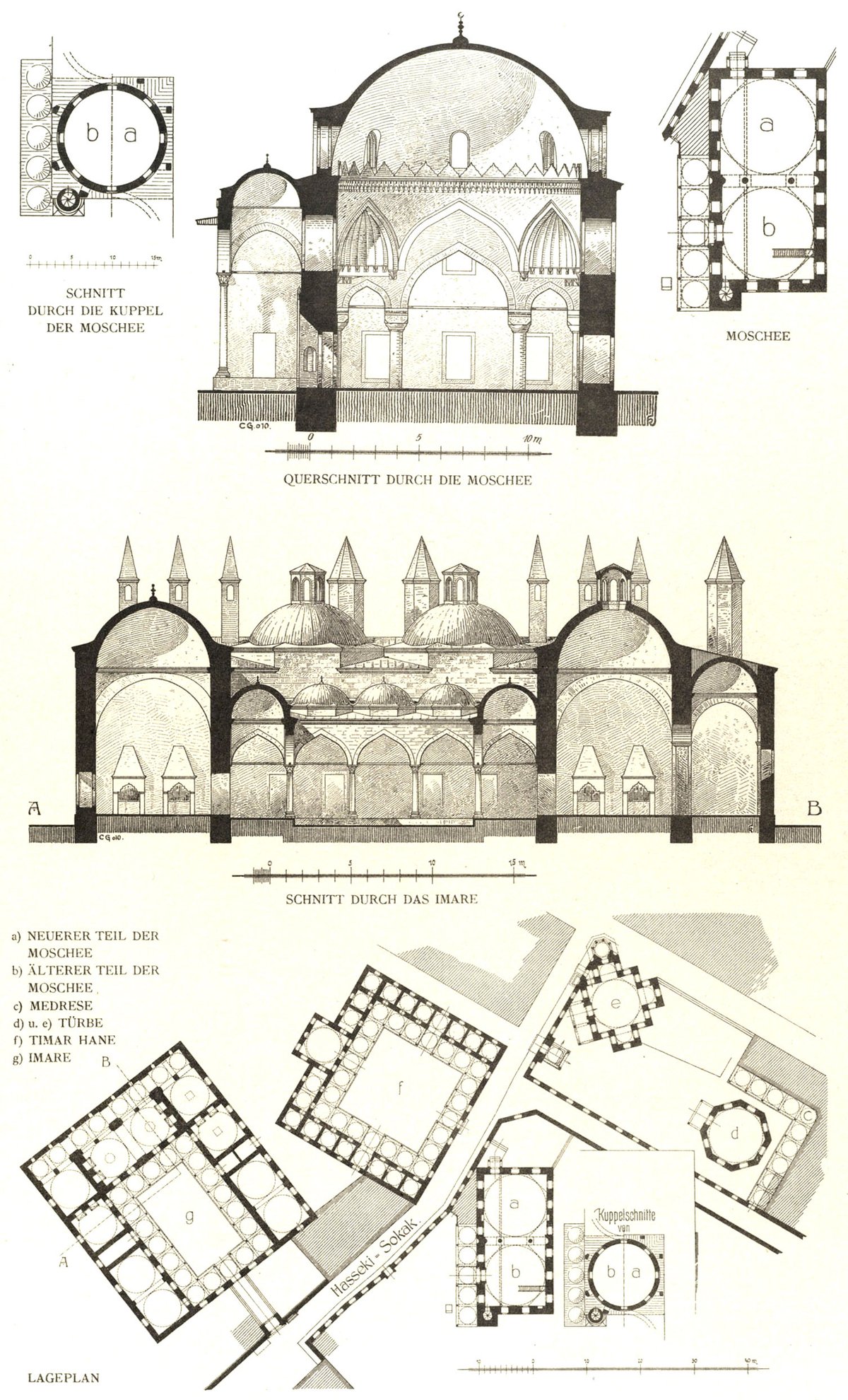
The mosque’s exterior harmoniously combines stone and brick, echoing the aesthetics of neighboring Byzantine churches (Gezibilen; Wikipedia). Its square plan and prominent single dome are rare among Turkish mosques of the era, reflecting a creative dialogue with Byzantine ecclesiastical forms. The dome, set above a square apse and flanked by a narthex (porch), imparts a distinct silhouette (Gezibilen).
Interior Ambience
Inside, natural light streams through uniquely designed windows, bathing the prayer hall in a serene glow. Blue tones and Baroque motifs evoke tranquility, while the mihrab and minbar display elegant, understated ornamentation. The intimate scale provides a peaceful refuge from the city (Gezibilen).
Associated Structures
- Şadırvan (Fountain) The ornate ablution fountain beside the mosque, adorned with intricate carvings and blue tiles, is a notable example of Turkish Baroque style (Gezibilen).
- School Building While no longer in use, the adjacent former school underscores the mosque’s educational mission (Istanbul City Guide).
- Minaret Modest yet graceful, the minaret complements the overall harmony of the complex.
Visitor Information
Visiting Hours and Admission
- Hours Open daily from 9:00 AM to 6:00 PM. Access is restricted during the five daily prayers and especially on Fridays around midday (Fodor’s).
- Admission Entry is free. Voluntary donations are welcome to support maintenance.
Dress Code and Etiquette
- Attire Men should wear long trousers and sleeved shirts; women should wear long skirts or trousers, sleeved tops, and cover their hair with a headscarf (Istanbul Tourist Pass).
- Shoes Remove shoes before entering the prayer hall; bring a bag for convenience (Fodor’s).
- Behavior Maintain quiet, avoid flash photography, and respect worshippers.
Accessibility
- The mosque features a gently sloped entrance and level flooring, accommodating most visitors with mobility needs. Some historic areas may have limited accessibility.
Facilities
- Free public restrooms (supplies may be limited; bring tissues).
- Shoe storage shelves.
- Basic bilingual signage; occasional English-speaking staff.
How to Get There
- Location Alemdar Caddesi, opposite Gülhane Park.
- Transport Easily accessible by T1 tram (Gülhane or Sultanahmet stops). Public parking is available nearby (Booking.com).
Nearby Attractions
Zeynep Sultan Mosque is conveniently located for exploring Istanbul’s most celebrated sites:
- Hagia Sophia Five-minute walk.
- Topkapı Palace Short walk across Gülhane Park.
- Blue Mosque About 10 minutes on foot.
- Grand Bazaar 20-minute stroll.
- Gülhane Park Directly opposite.
For more, see our guides to Topkapi Palace, Hagia Sophia, and the Sultanahmet Travel Guide.
FAQs
Q: Is there an entrance fee?
A: No, entry is free; donations are appreciated.
Q: When is the mosque closed to tourists?
A: During the five daily prayers and for an extended period on Fridays around midday.
Q: Is the mosque wheelchair accessible?
A: The main entrance and interior are accessible, though some historic side areas may not be.
Q: Can I take photos inside?
A: Yes, but avoid flash and photographing worshippers without permission.
Q: Are guided tours available?
A: Many Sultanahmet walking tours include the mosque, providing historical context.
Tips for a Memorable Visit
- Visit early morning or late afternoon for fewer crowds and ideal lighting.
- Join a guided walking tour for deeper insight.
- Respect dress code and prayer times.
- Enjoy the mosque’s tranquil courtyard and resident cats.
- Bring warm socks in winter, as you’ll be barefoot inside.