Plan and listen to Walls Of Constantinople with Audiala.
Audio guide in your pocket, itinerary in your browser. Built for the way you actually visit.
Introduction
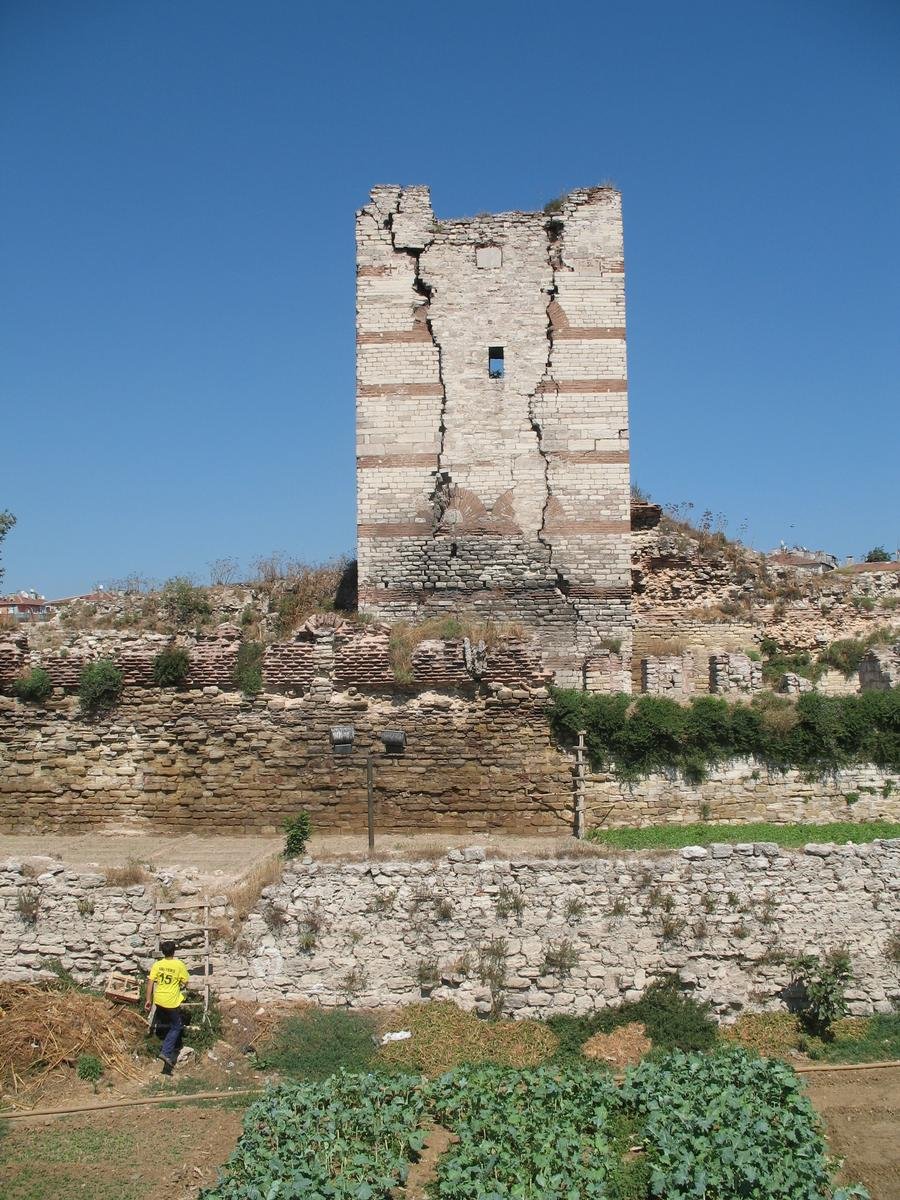
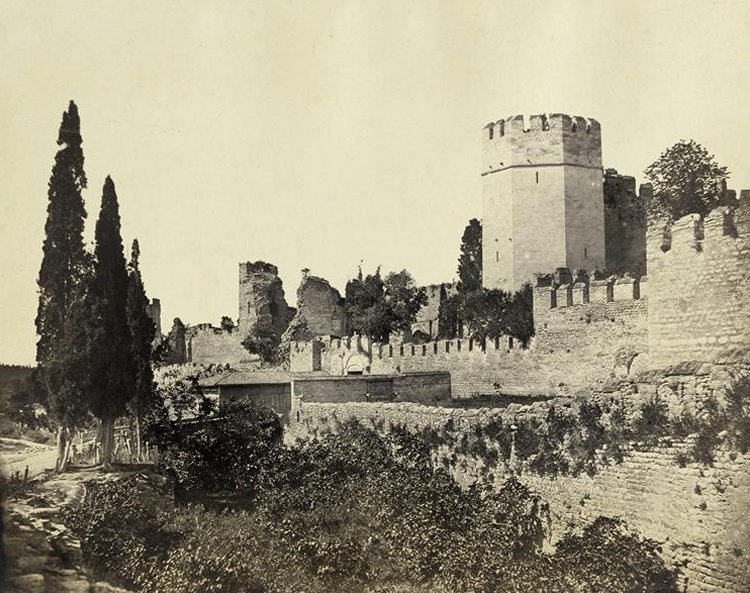
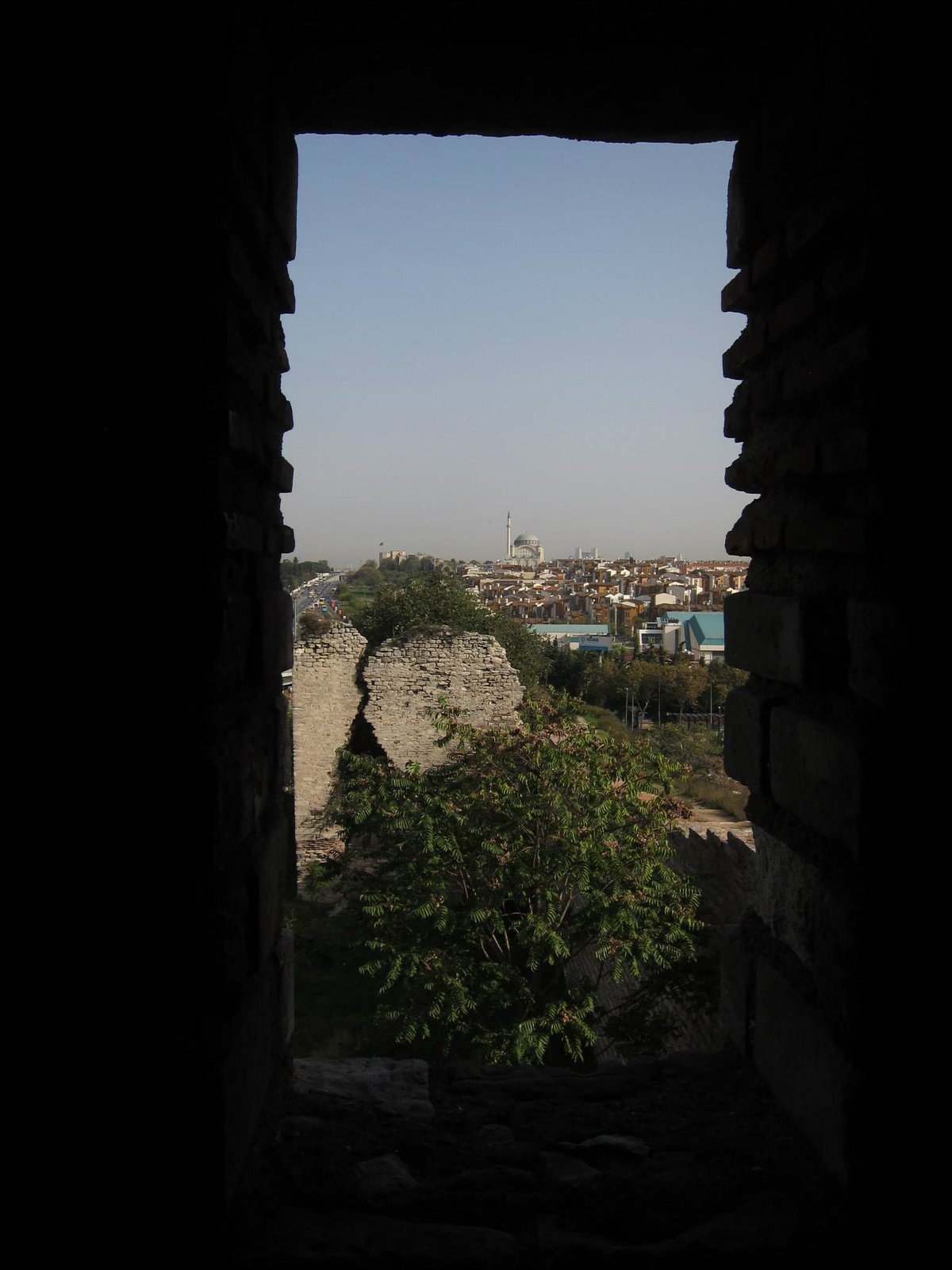
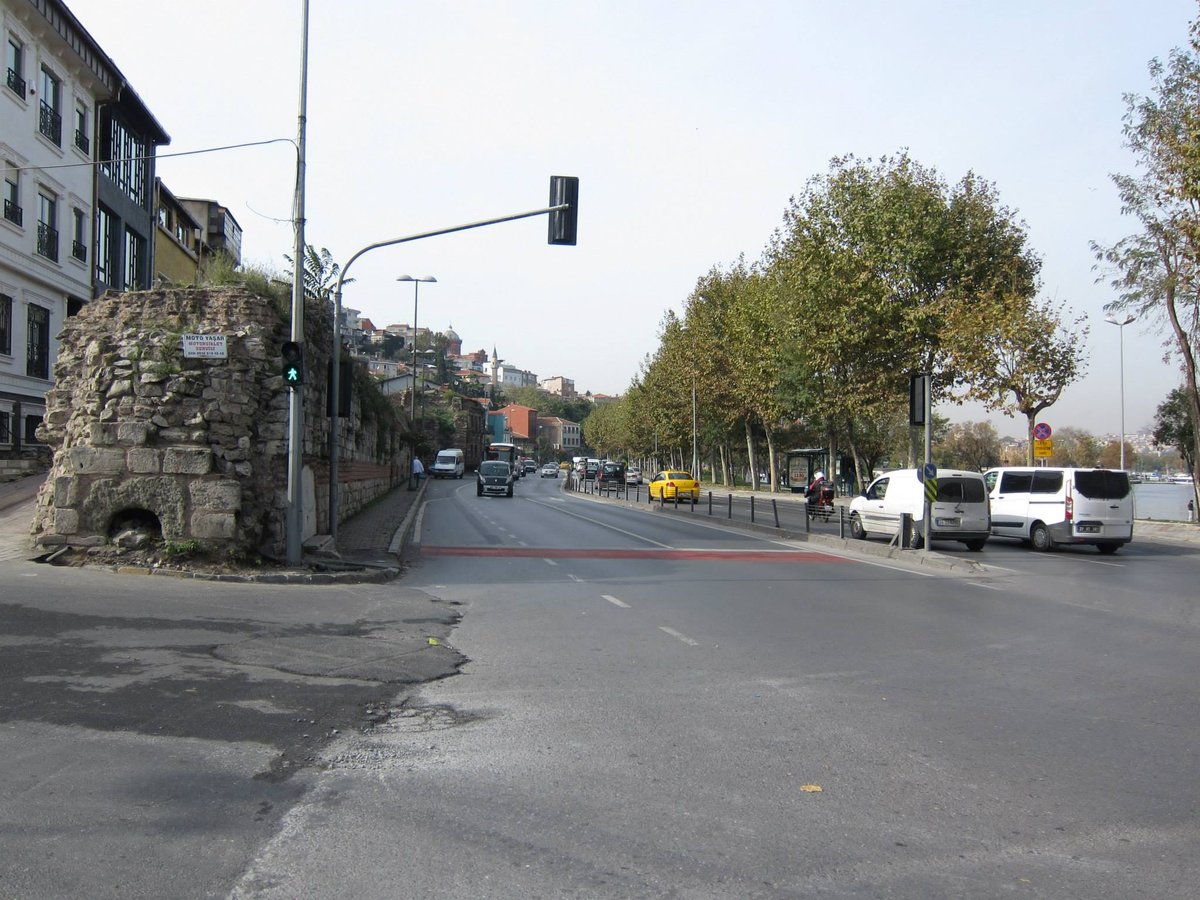
The Walls of Constantinople, famously located in Istanbul's Fatih district, are among the city’s most enduring historical monuments. Constructed primarily during the reign of Emperor Theodosius II in the early 5th century CE, these fortifications—known as the Theodosian Walls—served as the main defensive barrier of the Byzantine capital for over a millennium. Their architectural brilliance and strategic importance are evident through centuries of successful defense against invasions, culminating in the eventual Ottoman conquest in 1453. Today, the walls represent not only a feat of ancient military engineering but also a living chronicle of Istanbul’s layered history, bridging Byzantine, Ottoman, and modern Turkish narratives. Visitors can explore extensive stretches, discover monumental gates and towers, and immerse themselves in the city’s vibrant past, all while enjoying panoramic views and engaging visitor experiences (travelstoreturkey.com, nomadicniko.com, oui.hypotheses.org).

Origins and Historical Development
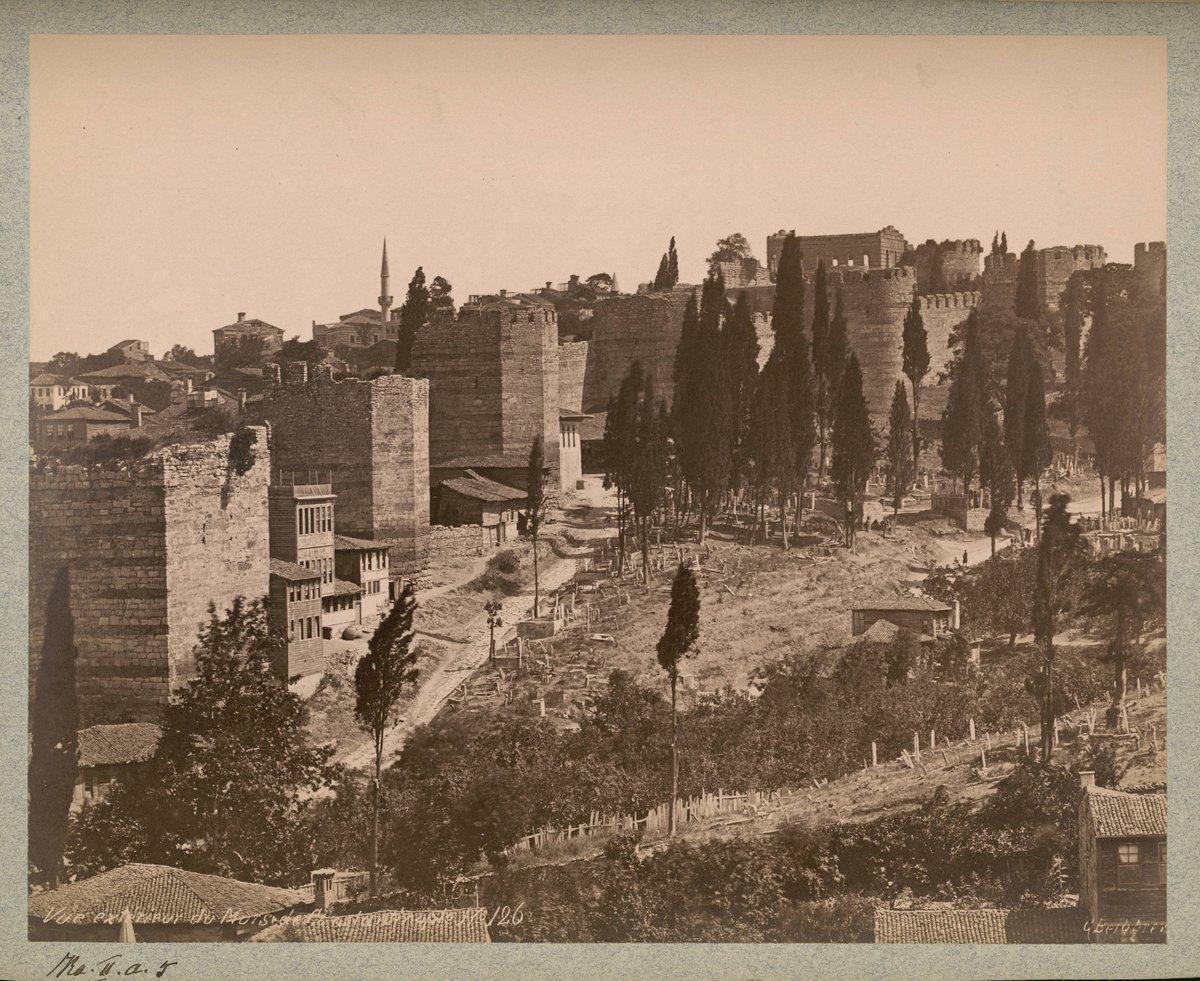
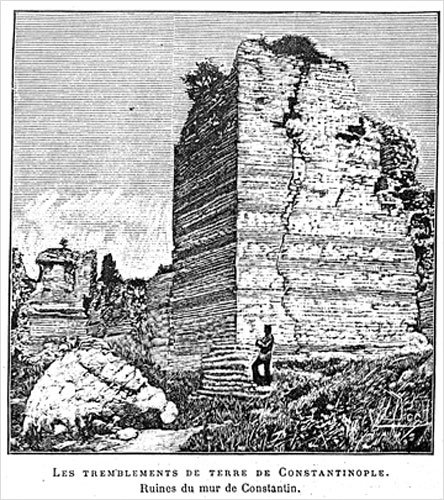
The first fortifications of what would become Constantinople date back to the city’s founding as Byzantium by Greek settlers in the 7th century BCE. With the city’s re-founding as Constantinople by Constantine the Great in 330 CE, the need for stronger defenses became clear. The most significant expansion occurred under Theodosius II, whose double-walled system—spanning approximately 6.5 kilometers from the Sea of Marmara to the Golden Horn—set a new standard in military architecture (travelstoreturkey.com). Over the centuries, the walls were repeatedly repaired and reinforced, not only by the Byzantines but also by the Ottomans after their conquest of the city.
Architectural Features and Military Engineering
Defensive Design
The Theodosian Walls are celebrated for their sophisticated, multi-layered defense system:
- Moat: Up to 20 meters wide and 10 meters deep, with a retaining wall.
- Outer Wall: Approximately 2 meters thick and 8.5 meters high, designed to absorb the first wave of attacks.
- Peribolos (Terrace): A space between walls for troop movement.
- Inner Wall: Up to 12 meters high and 5 meters thick, with 96 towers spaced 55–77 meters apart for archers and artillery (Ancient Engineering Marvels).
Materials and Construction
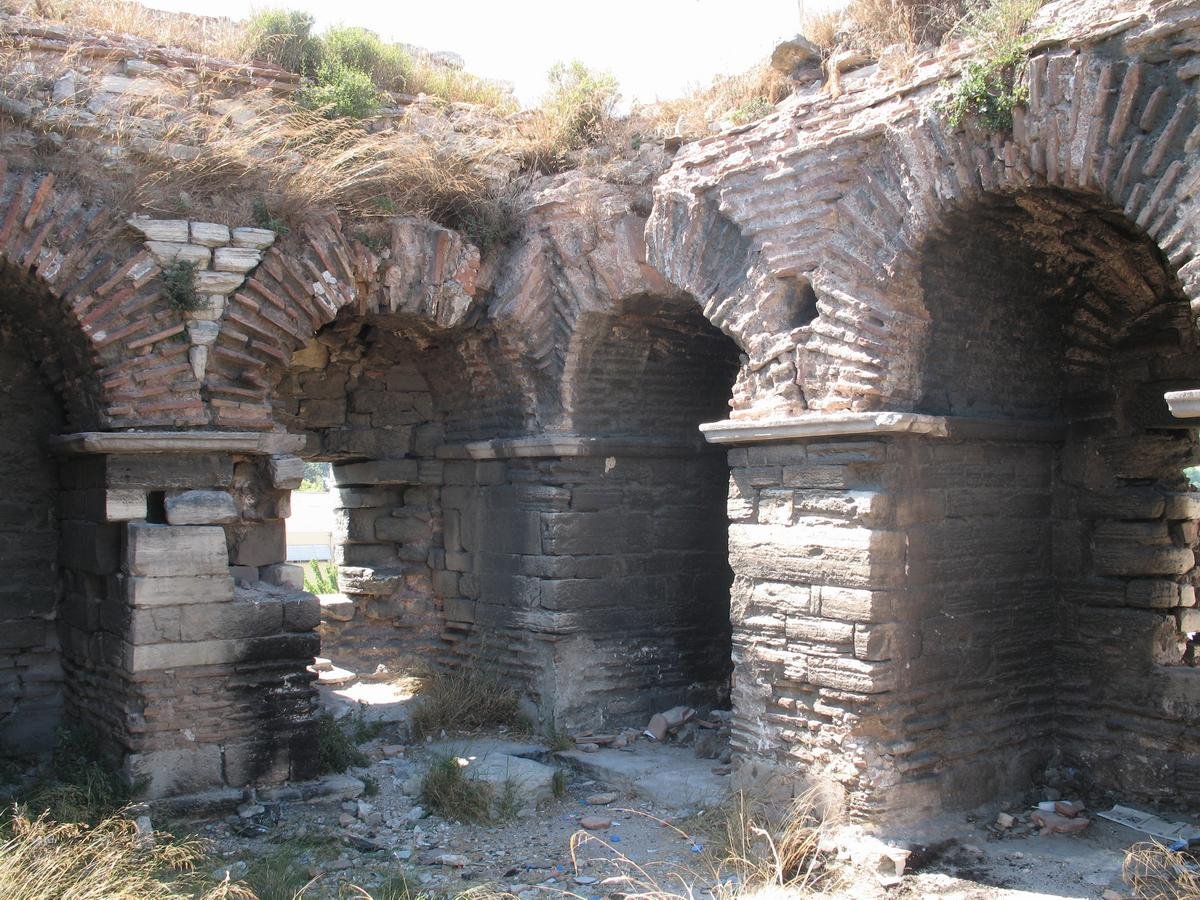
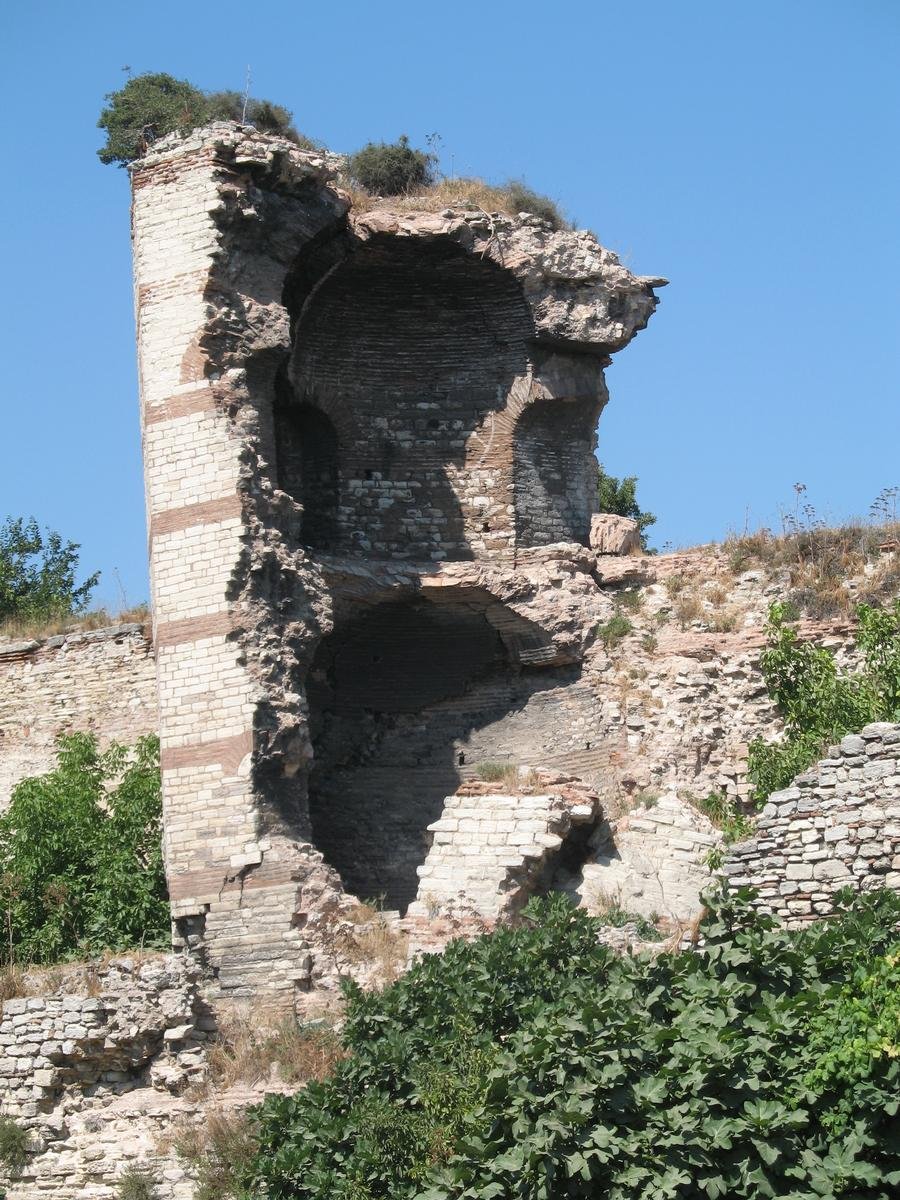
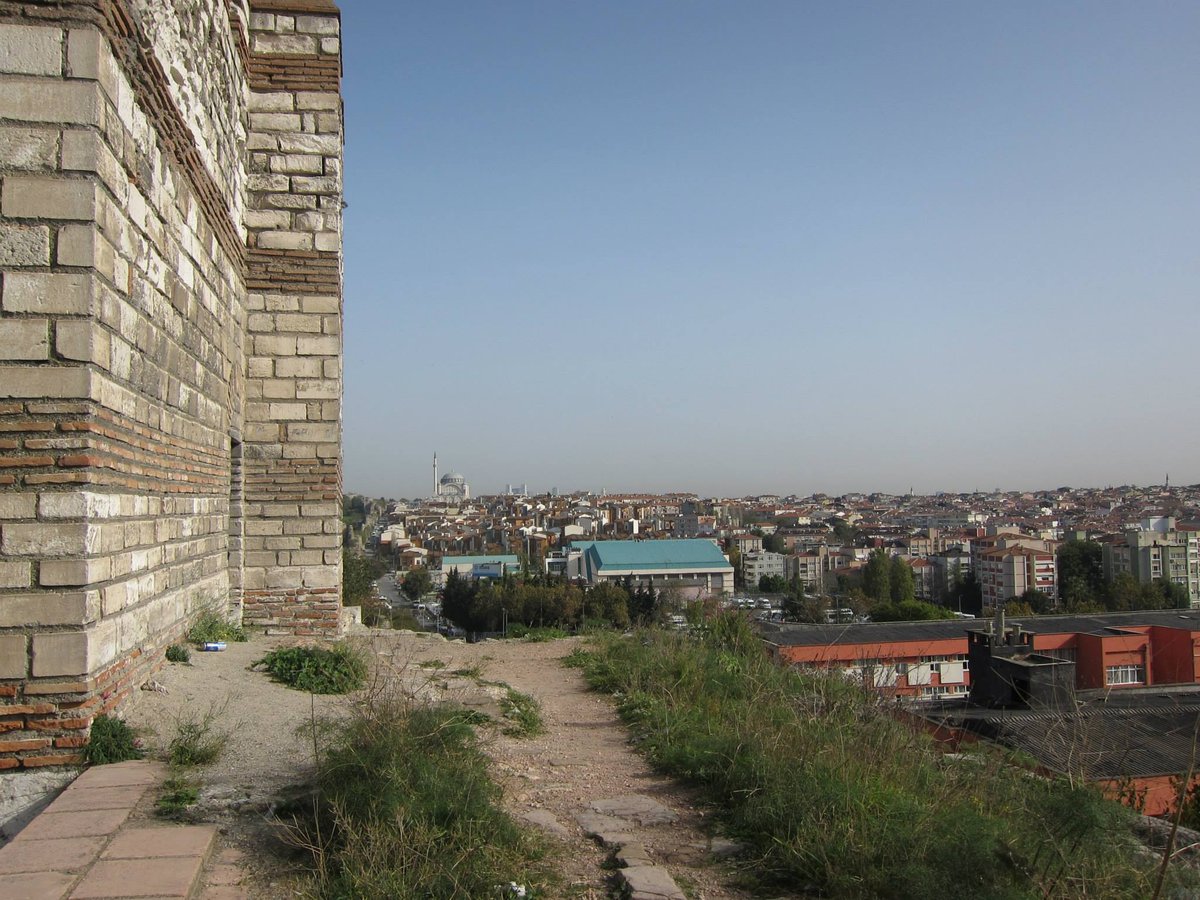
Limestone, brick, and mortar were used in alternating bands for strength and flexibility. Mortar played a critical role in absorbing the shock from projectiles, and the craftsmanship of Byzantine builders is evident in the durability of these structures.
Towers and Gates
Regularly spaced towers (over 90 in total) provided elevated positions for defense and observation. Monumental gates, such as the Golden Gate (used for imperial processions), Edirnekapı, Topkapı, and Yedikule, were fortified with double doors, flanking towers, and portcullises (GPSmyCity).
Sea Walls
Complementing the land defenses, the sea walls along the Marmara Sea and the Golden Horn were lower but robust, often reaching heights of 12 meters and reinforced with towers. These protected the city from naval attacks and controlled harbor access (Ancient Engineering Marvels).
Key Sections and Gates
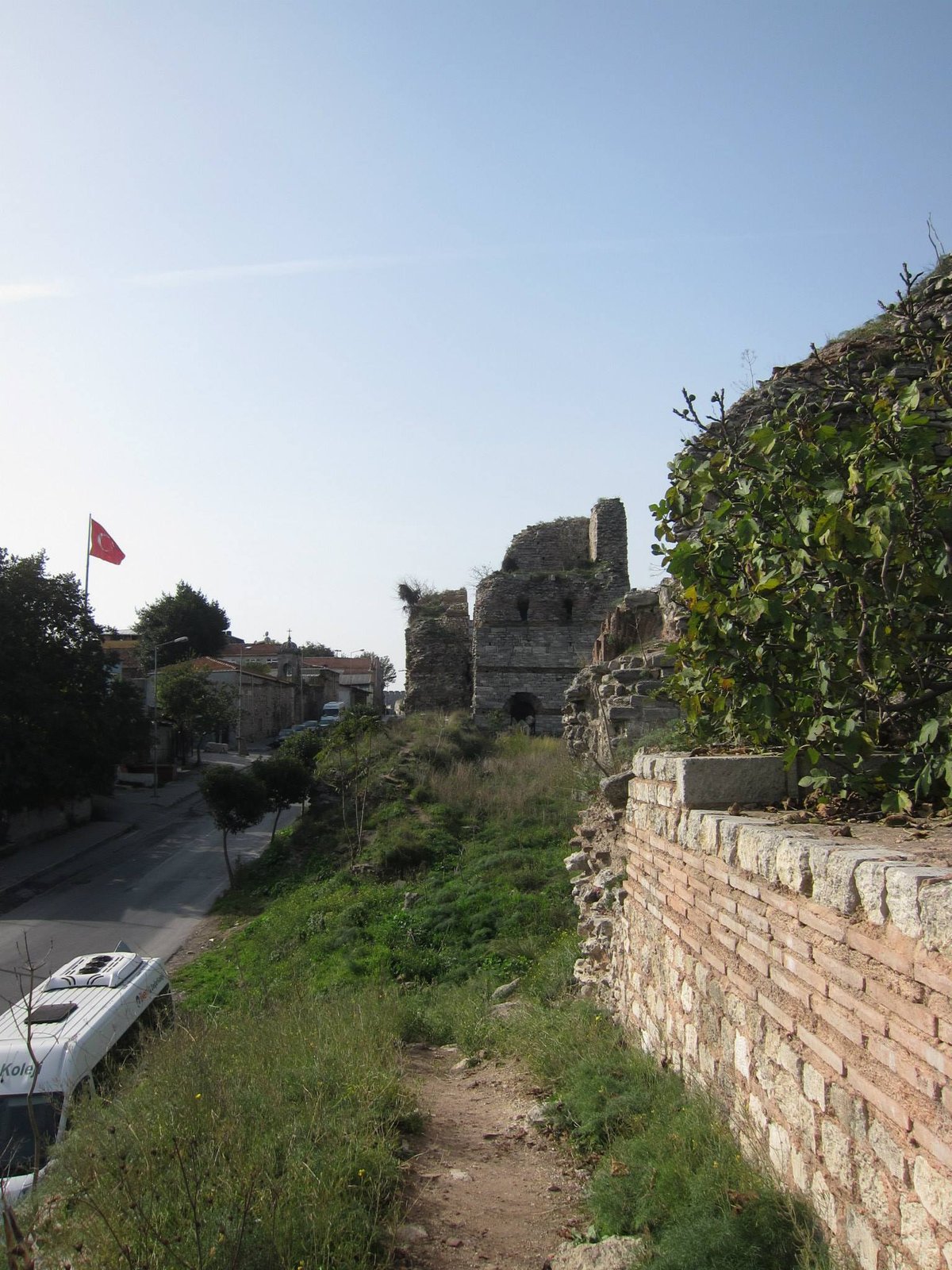
- Theodosian Walls: The main landward walls, best preserved between Yedikule and Edirnekapı, are a highlight for visitors.
- Golden Horn Walls: These northern defenses protected the vital harbor area and included significant gates like Balat and Eğrikapı.
- Sea Walls: Facing the Bosphorus and Marmara, these walls integrated with the city’s topography for enhanced protection.
- Major Gates: Notable entrances include the Golden Gate, Topkapı, Edirnekapı, Belgradkapı, Mevlanakapı, Silivrikapı, and Yedikule (nomadicniko.com).
Visiting Information: Hours, Tickets, and Accessibility
Opening Hours
- General Sections: Open daily, generally from 9:00 AM to 6:00 PM; hours may extend in summer. Some sections might be closed for restoration.
- Visitor Centers (Belgradkapı, Mevlanakapı, Silivrikapı): Typically 10:00 AM–6:00 PM (nomadicniko.com).
Tickets & Entry
- Open-Air Walls: Free access.
- Yedikule Fortress/Museums: Tickets required (approx. 20–50 Turkish Lira).
- Visitor Centers: Free admission as of March 2025.
Accessibility
- Terrain: Many sections have uneven ground, steep stairs, and limited wheelchair access.
- Facilities: Restrooms and cafés are available at select visitor centers.
Getting There
Istanbul’s public transport—tram, Metrobus, Marmaray suburban rail, and city buses—makes the walls easily accessible. Major gates like Topkapı and Edirnekapı are close to transit stops (istanbuljoy.com).
Walking Routes and Visitor Centers
Self-Guided Walking Route
- Route: From Ayvansaray (Golden Horn) to the Marble Tower (Marmara Sea), approximately 7 km (2–4 hours).
- Highlights: Edirnekapı, Topkapı, Belgradkapı, Silivrikapı, Mevlanakapı, and Yedikule Fortress.
- Map Resources: Downloadable maps and interactive guides are available online (awaygowe.com).
Guided Tours
- Advantages: Access to restricted areas, expert commentary, and historical context.
- Booking: Through local agencies or online platforms (theartoflivinginturkey.com).
Nearby Attractions and Local Experiences
- Yedikule Fortress: Southern terminus, with panoramic views and historical displays.
- Panorama 1453 History Museum: Near Topkapı Gate, featuring immersive exhibitions on the Ottoman conquest.
- Tekfur Sarayı (Palace of the Porphyrogenitus): Restored Byzantine palace near the northern end.
- Sultanahmet and Hagia Sophia: Walking distance to Istanbul’s most famous landmarks.
Neighborhoods along the walls are lively, with markets, cafés, historic mosques, and local culture. Cultural events and art exhibitions are frequently held at visitor centers, especially during summer (nomadicniko.com).
Preservation, Restoration, and Modern Significance
The Walls of Constantinople are UNESCO World Heritage-listed and subject to ongoing restoration by Istanbul’s municipal authorities. These efforts focus on maintaining structural integrity, enhancing visitor access, and revitalizing adjacent neighborhoods. As living monuments, the walls act as both historical landmarks and active spaces for education, recreation, and community engagement (oui.hypotheses.org).
Frequently Asked Questions (FAQ)
Q: What are the opening hours?
A: Most sections are open 9:00 AM–6:00 PM; visitor centers from 10:00 AM–6:00 PM. Check for seasonal updates.
Q: Is there an entrance fee?
A: Open-air sections and visitor centers are free; specific museums or Yedikule Fortress require tickets.
Q: Are the walls accessible for people with disabilities?
A: Accessibility is limited in many places due to uneven ground and stairs. Some pathways near main gates are more accessible.
Q: Are guided tours available?
A: Yes, and they’re recommended for deeper historical insight.
Q: How do I get there using public transport?
A: Use the tram or buses to Topkapı, Edirnekapı, or other main gates.
Q: What is the best time to visit?
A: Spring and autumn for mild weather and fewer crowds.
Listen to the full story in the app
The whole Walls Of Constantinople,
told well.
Audio guides for 1,100+ cities across 96 countries. History, stories, and local insight — offline ready.
Verified, and shown.
Researched and written by the Audiala editorial team from historical records, architectural archives, and local expertise.
Researched from Wikidata, Wikipedia & official sources · fact-checked · How we make our guides →