Origins and Construction of Topkapı Palace
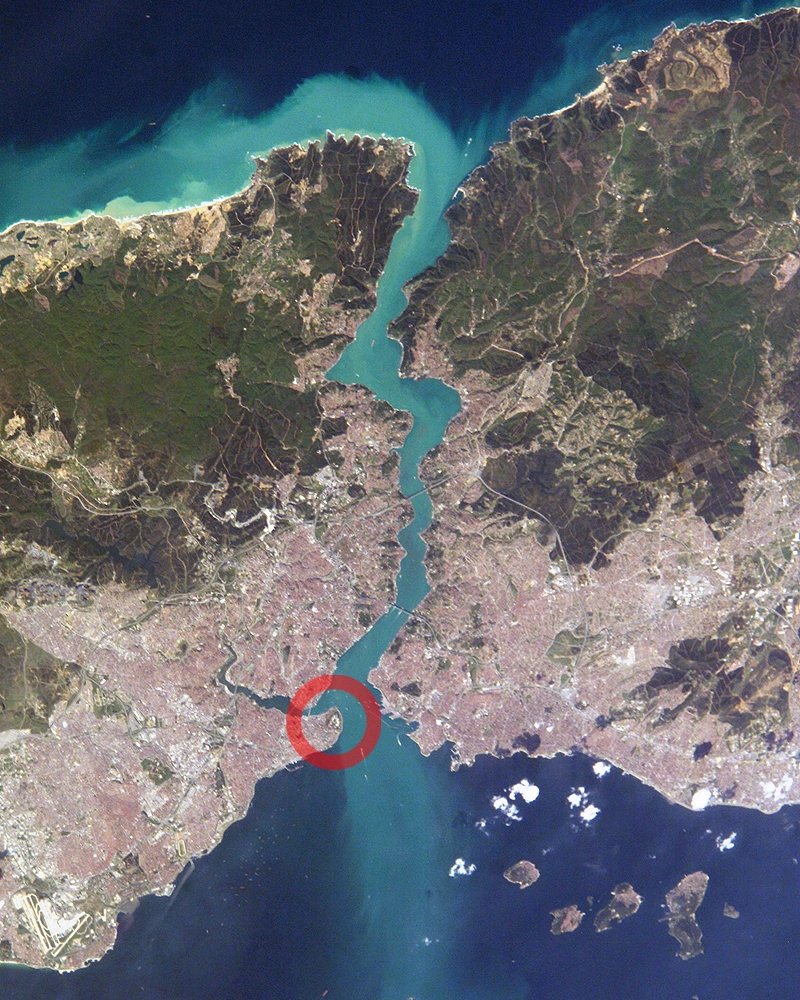
Topkapı Palace, or Topkapı Sarayı, is a symbol of the Ottoman Empire’s grandeur and innovation. Commissioned by Sultan Mehmed II following the 1453 conquest of Constantinople, the palace was constructed atop the ancient Byzantine Great Palace’s ruins, occupying a commanding position overlooking the Bosphorus, Golden Horn, and Sea of Marmara (Onedio; Lions in the Piazza). The palace evolved over centuries, with successive sultans expanding its courtyards, ceremonial halls, and residential areas to reflect both Ottoman tradition and new architectural trends.
Role as the Ottoman Imperial Center
For nearly 400 years, Topkapı Palace served as the residence of Ottoman sultans and the administrative heart of the empire. Within its walls, crucial decisions were made, foreign dignitaries were received, and the imperial family resided. The palace complex housed the Divan (imperial council), treasury, archival records, and ceremonial spaces. Its spatial organization—from public courtyards to the private Harem—reflected the hierarchy and protocol central to Ottoman governance (Onedio; Lions in the Piazza).
Architectural and Artistic Significance
Courtyards and Gardens
Topkapı is structured around four main courtyards:
- First Courtyard Used for public ceremonies and military parades.
- Second Courtyard Administrative hub, featuring the Imperial Council Hall and palace kitchens.
- Third Courtyard The sultan’s private domain with the Audience Chamber and Imperial Treasury.
- Fourth Courtyard Lush gardens and pavilions with panoramic city views (Onedio).
The Harem
The Harem, a secluded section of the palace, was the royal family’s private living quarters. It featured over 400 rooms, richly decorated with Iznik tiles, stained glass, and intricate woodwork, showcasing the artistic mastery of the Ottoman era (Lions in the Piazza).
Pavilions and Specialized Structures
Notable buildings include:
- Baghdad Pavilion Commemorating the Baghdad campaign, adorned with domed ceilings and panoramic windows.
- Circumcision Room Celebrated for its Iznik tilework.
- Imperial Treasury Home to artifacts like the Topkapı Dagger and Spoonmaker’s Diamond (istanbulclues.com).
Hagia Irene Church
Within the palace grounds stands Hagia Irene, a pre-Ottoman Byzantine church, preserved as a monument to Istanbul’s layered religious history (istanbulclues.com).
Artistic Features
The interiors of Topkapı Palace are adorned with:
- Iznik Tiles Renowned for vivid blue and turquoise designs.
- Calligraphy Gilded Qur’anic and poetic inscriptions.
- Mother-of-Pearl Inlay Decorative doors and cabinets.
- Stained Glass Adding colored light to ceremonial spaces (istanbeautiful.com).
Historical Transformations and Modernization
In the 19th century, Ottoman rulers began favoring European-style residences like Dolmabahçe Palace. Nonetheless, Topkapı remained vital, especially as the repository for sacred relics. After the Republic of Turkey was established in 1923, Topkapı Palace was converted into a museum in 1924, opening its rich heritage to the public (Onedio).
Visiting Information
Visiting Hours
- Topkapı Palace Open daily except Tuesdays, from 9:00 AM to 6:00 PM (last admission at 5:00 PM). Hours may vary seasonally; always check the official website before visiting.
Ticket Prices
- General Admission Approximately 350 TRY for adults (subject to change).
- Harem Section Additional fee, about 150 TRY.
- Discounts Students, seniors, and Istanbul Museum Pass holders enjoy reduced rates (istanbulclues.com).
Accessibility
Many areas are wheelchair accessible, though some historical sections have uneven surfaces. Assistance is available upon request.
Guided Tours & Photography
Guided tours and audio guides, available in multiple languages, provide deeper historical context (deal-tr.com). Photography is allowed in most outdoor spaces but is restricted in certain rooms and the Harem.
Topkapı–Ulubatlı: Historical Context & Modern Relevance
Location & Transport
Topkapı–Ulubatlı, distinct from the palace but nearby, is named after the Topkapı Gate of the Theodosian Walls and Ulubatlı Hasan, the hero of the 1453 conquest. The area is accessible via the M1A and M1B metro lines (Topkapı–Ulubatlı station), T4 tram line, and numerous bus routes (Rome2Rio). The Istanbulkart system streamlines public transport payments.
Theodosian Walls & Topkapı Gate
The 5th-century Theodosian Walls, including the Topkapı Gate, are among Istanbul’s most significant Byzantine structures. Visitors can explore restored sections and monuments commemorating the 1453 conquest (istanbeautiful.com).
Panorama 1453 History Museum
This museum offers a 360-degree immersive experience of the conquest of Constantinople, complete with interactive displays and sound effects. Admission is about 100 TRY, with discounts for students and children (Istanbul.com).
Parks & Green Spaces
The surrounding area features urban parks ideal for relaxation and family outings.
Nearby Attractions
- Hagia Sophia
- Blue Mosque
- Basilica Cistern
- Grand Bazaar
- Yedikule Fortress (short tram/taxi ride)
- Mihrimah Sultan Mosque
- Chora Museum (Kariye Mosque) (istanbeautiful.com)
Preservation and UNESCO Status
Topkapı Palace is part of the Historic Areas of Istanbul, recognized as a UNESCO World Heritage Site since 1985 for its architectural and historical value (Lions in the Piazza). Ongoing restoration ensures the preservation of its structures and collections.
Notable Events and Legacy
Topkapı Palace has witnessed imperial coronations, diplomatic receptions, and historic reforms. Its legacy endures in the traditions and cultural memory of Istanbul, standing as a testament to the city’s pivotal role in world history (Onedio; Lions in the Piazza).
Frequently Asked Questions (FAQ)
Q: What are the Topkapı Palace visiting hours?
A: Open daily except Tuesdays, 9:00 AM–6:00 PM (last admission 5:00 PM).
Q: How can I buy tickets?
A: Online via the official website or on-site; advance purchase recommended.
Q: Is the palace accessible?
A: Most areas are accessible; some sections may be challenging for wheelchair users.
Q: Are guided tours available?
A: Yes, in multiple languages, as well as audio guides.
Q: Can I use the Istanbul Museum Pass?
A: Yes, the pass provides entry and savings for multiple museums.
Q: What nearby attractions should I visit?
A: Hagia Sophia, Blue Mosque, Basilica Cistern, Theodosian Walls, and more.