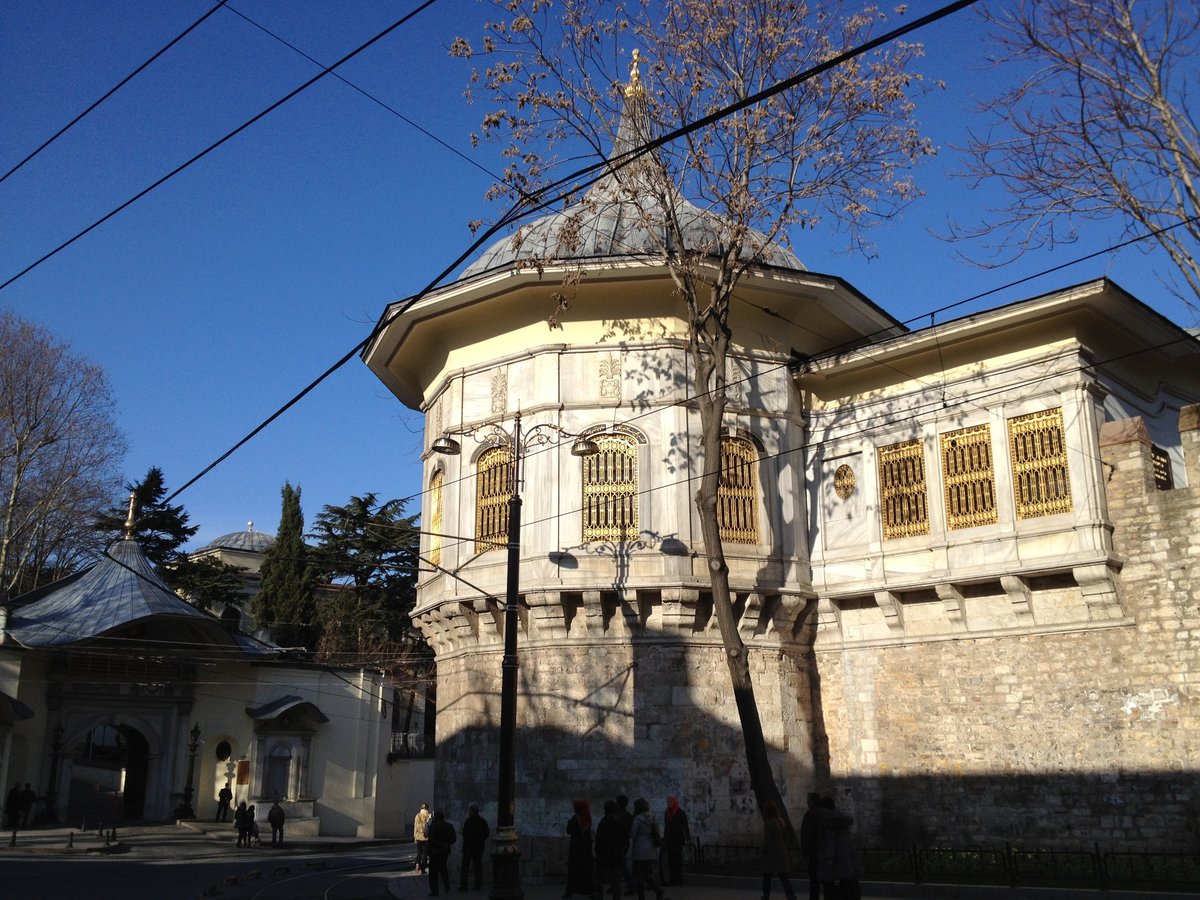
Historical Background
The Şepsefa Hatun Mosque (Şepsefa Hatun Camii) was constructed in 1787, during a period of change marked by the gradual westernization of the Ottoman Empire and the adoption of Baroque and Rococo architectural styles. This era saw increasing involvement of Ottoman royal women in public works, shaping Istanbul’s urban and spiritual landscape (tr.wikipedia.org).
Fatma Şepsefa Hatun and Her Legacy
Fatma Şepsefa Hatun, a consort of Sultan Abdülhamid I (r. 1774–1789), channeled her influence and resources into philanthropic projects. The mosque was commissioned in memory of her son, Şehzade Mehmed, reflecting the Ottoman tradition where royal women established religious and charitable complexes (külliyes) as acts of remembrance and piety (guideofistanbul.net). Fatma Şepsefa Hatun herself is buried in a fenced grave within the mosque’s garden (tr.wikipedia.org).
Architectural Features and the Külliye Concept
Baroque Influence
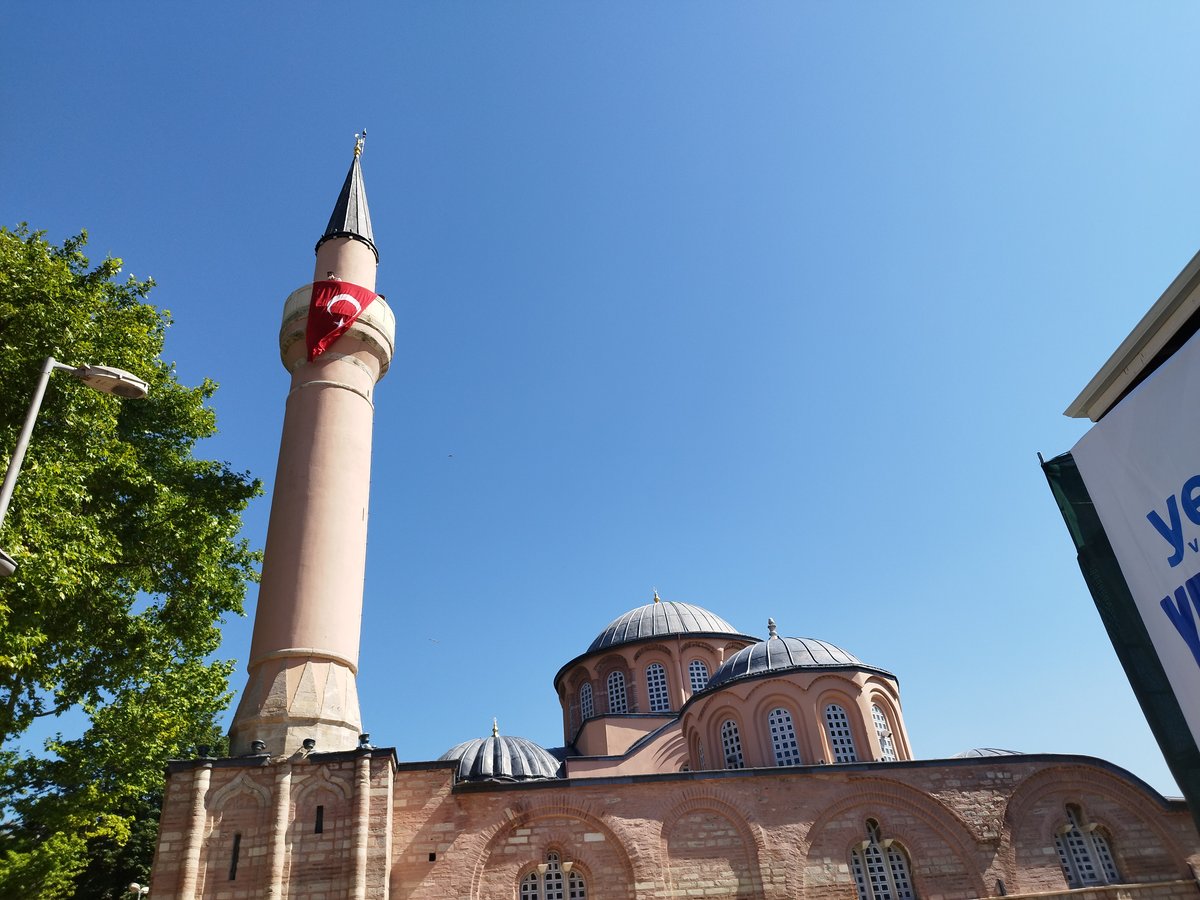
Şepsefa Hatun Mosque is notable for its Baroque design—a main dome supported by four smaller domes and a single hewn-stone minaret. Baroque elements such as ornate moldings, curved lines, and decorative motifs signal the period’s European influence (guideofistanbul.net).
The Külliye
Originally, the mosque was part of a small külliye (complex) that included:
- Sıbyan Mektebi (Primary School) The raised, mixed masonry school building survives as an annex (hayalleme.com).
- Fountains Once present but removed during urban development.
- Burial Grounds The mosque garden contains Şepsefa Hatun’s tomb.
The külliye concept reflects the Ottoman approach of integrating education, charity, and worship (tr.wikipedia.org).
Urban Transformation and Preservation
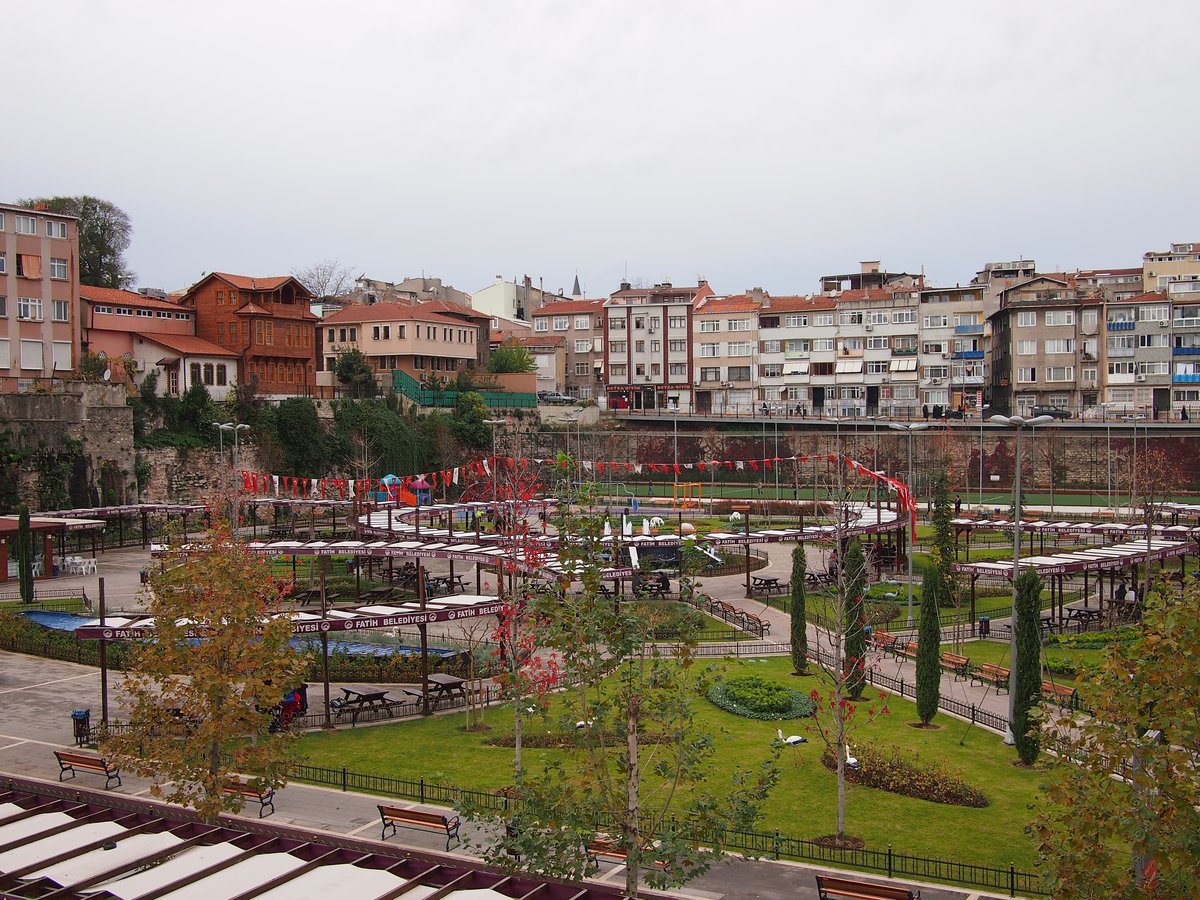
The mosque was initially built on a high platform. Roadworks and the expansion of Atatürk Boulevard have since left it below current street level (hayalleme.com). Some ancillary structures were lost, but the main prayer hall and school remain. The mosque’s endurance demonstrates the challenges of heritage preservation in a modernizing city (guideofistanbul.net).
Cultural and Religious Significance
Though smaller than imperial mosques, Şepsefa Hatun Mosque plays a vital role as a neighborhood center for worship and community. It is a symbol of female patronage and charitable endowment in Ottoman society (tr.wikipedia.org; worldhistoryedu.com). The entrance inscription, composed as a poem by Şeyhülislam Yahya Tevfik V., exemplifies the era’s tradition of calligraphic and literary adornment (guideofistanbul.net).
Visitor Information: Hours, Tickets, Accessibility, and Travel Tips
Visiting Hours and Tickets
- Hours Daily, typically from 9:00 AM to 6:00 PM.
- Closed During five daily prayer times and for extended periods on Friday mornings (until ~2:30 PM) due to Jumu’ah prayer.
- Admission Free; donations are welcomed (Lets Venture Out; Istanbul Travel Blog).
Accessibility
- Partial wheelchair accessibility, but steps may be present. Assistance can be requested at the entrance.
Dress Code and Etiquette
- Modest attire is required: men should wear long pants and sleeved shirts; women should cover arms, legs, and hair (Istanbul Tourist Pass).
- Shoes must be removed before entering.
- Silence and respectful behavior are expected; photography without flash is allowed, but not during prayers or of worshippers.
How to Get There
- District Fatih, Istanbul.
- Tram T1 line to Edirnekapı, short walk from stop.
- Bus Several lines serve the area.
- On Foot Accessible via Atatürk Boulevard; comfortable shoes are recommended due to hilly terrain.
Facilities
- Restrooms nearby (often Turkish style).
- Shaded courtyard with benches.
- Drinking water available from courtyard fountain.
- Donations box at the entrance.
Nearby Attractions and Suggested Itinerary
After visiting Şepsefa Hatun Mosque, consider exploring:
- Fatih Mosque
- Süleymaniye Mosque
- Zeyrek Mosque
- Grand Bazaar
- Edirnekapı Martyr’s Cemetery
- Ancient City Walls
The Fatih district is rich in Ottoman and Byzantine heritage, with local eateries and traditional cafés nearby (gowithguide.com).
Etiquette and Photography Guidelines
- Dress modestly; cover shoulders, knees, and (for women) hair.
- Remove shoes at the entrance; shoe racks provided.
- Maintain silence; mute mobile devices.
- Photography is permitted (no flash), except during prayers or of worshippers.
- Donations are appreciated but not mandatory.
- Respect resident animals (e.g., mosque cats).
Frequently Asked Questions (FAQ)
Q: What are the mosque’s hours?
A: Usually open 9:00 AM to 6:00 PM, closed to visitors during prayer times and Friday noon prayers.
Q: Is there an entrance fee?
A: No, entry is free; donations are welcome.
Q: Are guided tours available?
A: Not regular, but private tours or local guides may include the mosque.
Q: Is the mosque wheelchair accessible?
A: Partially; some steps exist, but assistance can be requested.
Q: Can I take photos inside?
A: Yes, without flash; not during prayers or of worshippers.