Historical Background
Commissioning and Patronage
The Şehzade Mosque was built by order of Sultan Suleiman the Magnificent after the untimely death of his son, Şehzade Mehmed, in 1543. The word “şehzade” means “prince” in Ottoman Turkish, reflecting the mosque’s commemorative purpose. Construction began soon after Mehmed’s death and concluded in 1548 (My Forever Travel). The mosque, and especially its mausoleum, became symbols of personal loss and dynastic continuity.
The Role of Mimar Sinan
Appointed chief royal architect in the 1530s, Mimar Sinan regarded the Şehzade Mosque as his “apprenticeship work.” This project established Sinan’s reputation and introduced architectural innovations that would influence Ottoman mosque design for centuries (AA-DO).
Architectural Innovations
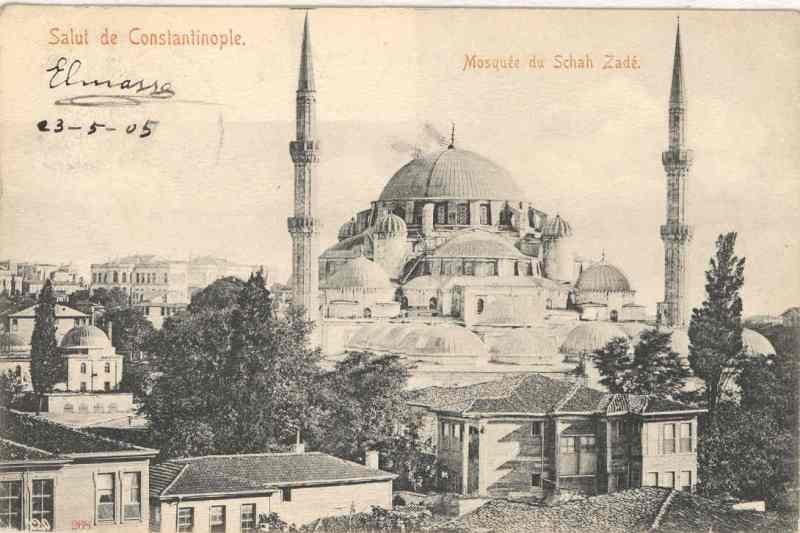
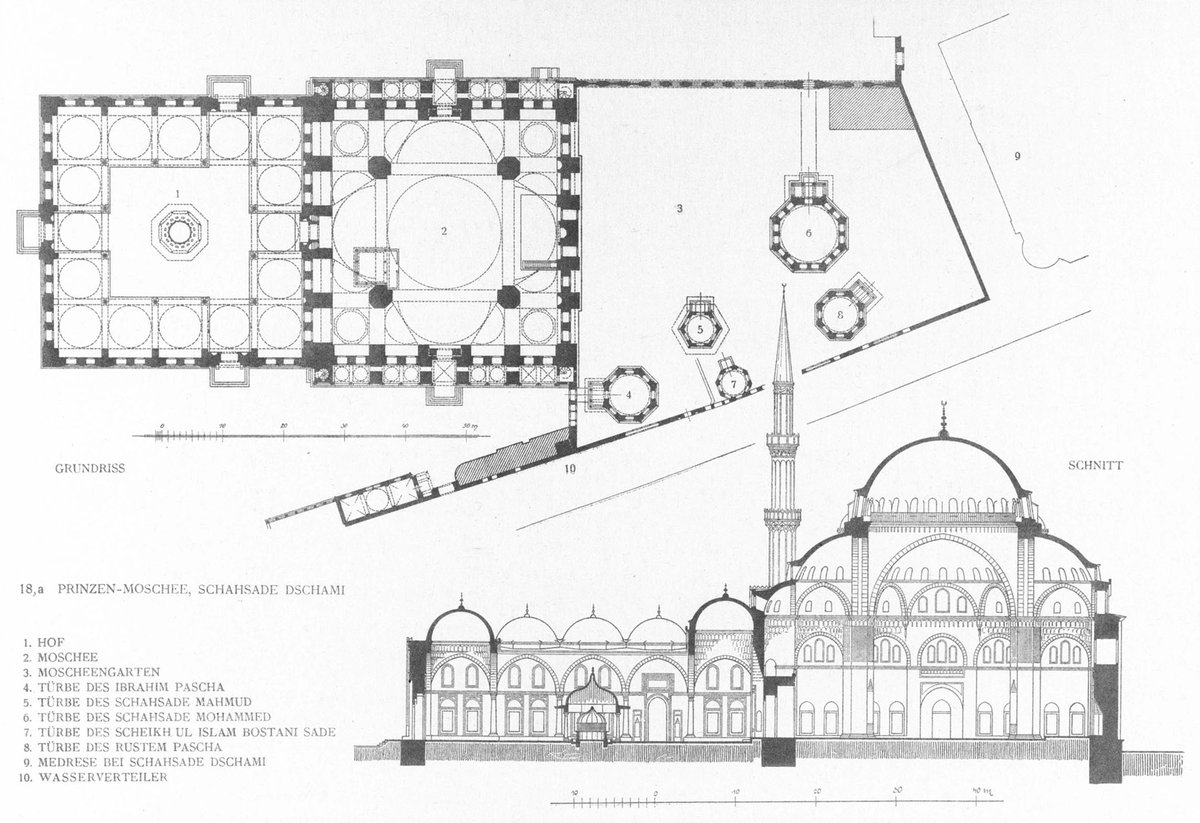
The mosque’s design features a central dome, 19 meters in diameter, supported by four semi-domes—an arrangement that creates a harmonious and balanced interior space. Sinan’s approach set a precedent for future imperial mosques, notably the Süleymaniye and Selimiye Mosques (AA-DO). The mosque complex (külliye) originally included a school, guesthouse, soup kitchen, and mausoleums, reflecting the Ottoman tradition of integrating social welfare with religious architecture (My Forever Travel).
Memorial Function
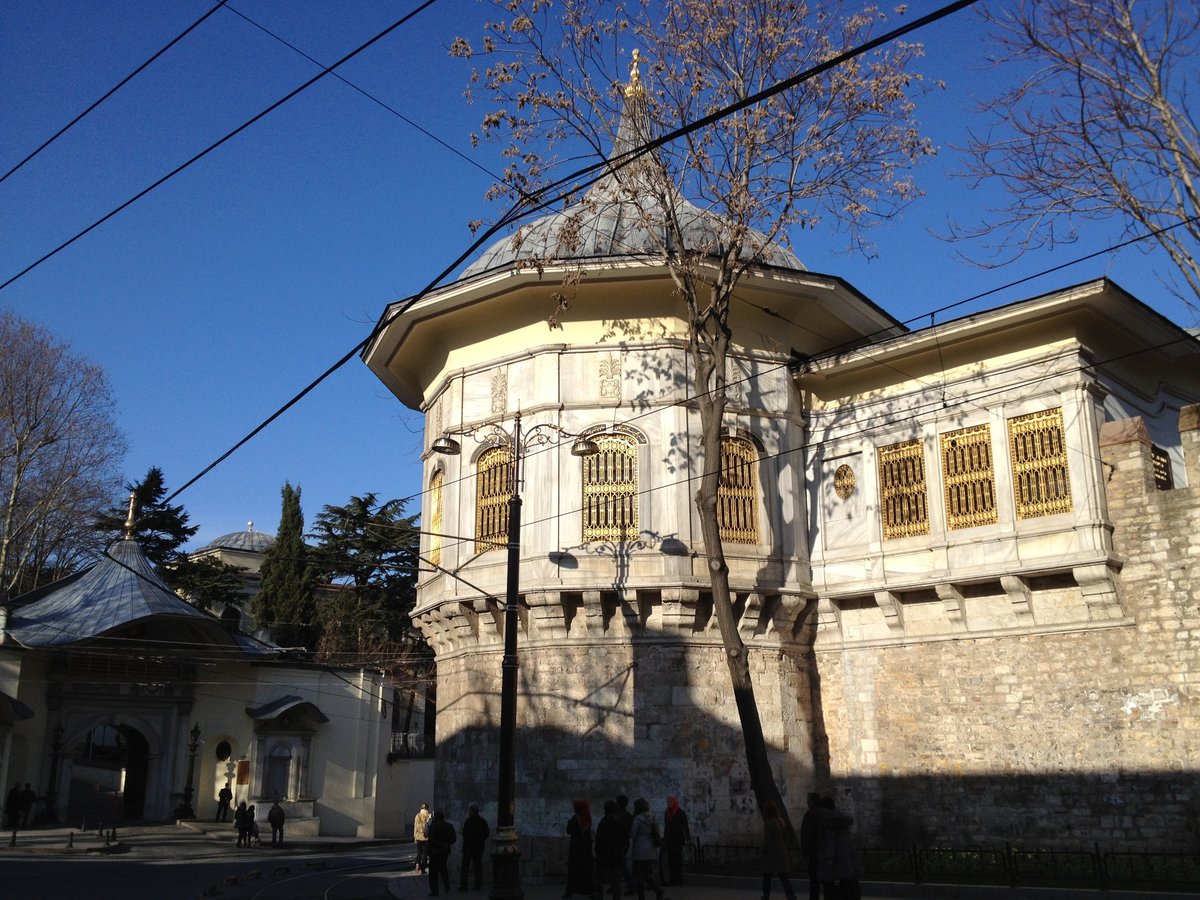
The mosque’s cemetery houses the mausoleum of Şehzade Mehmed and several other royal tombs, underscoring its dynastic and spiritual significance (My Forever Travel).
Architectural and Artistic Highlights
Şehzade Mosque is celebrated for its symmetry, elegant domes, and intricate decorative elements:
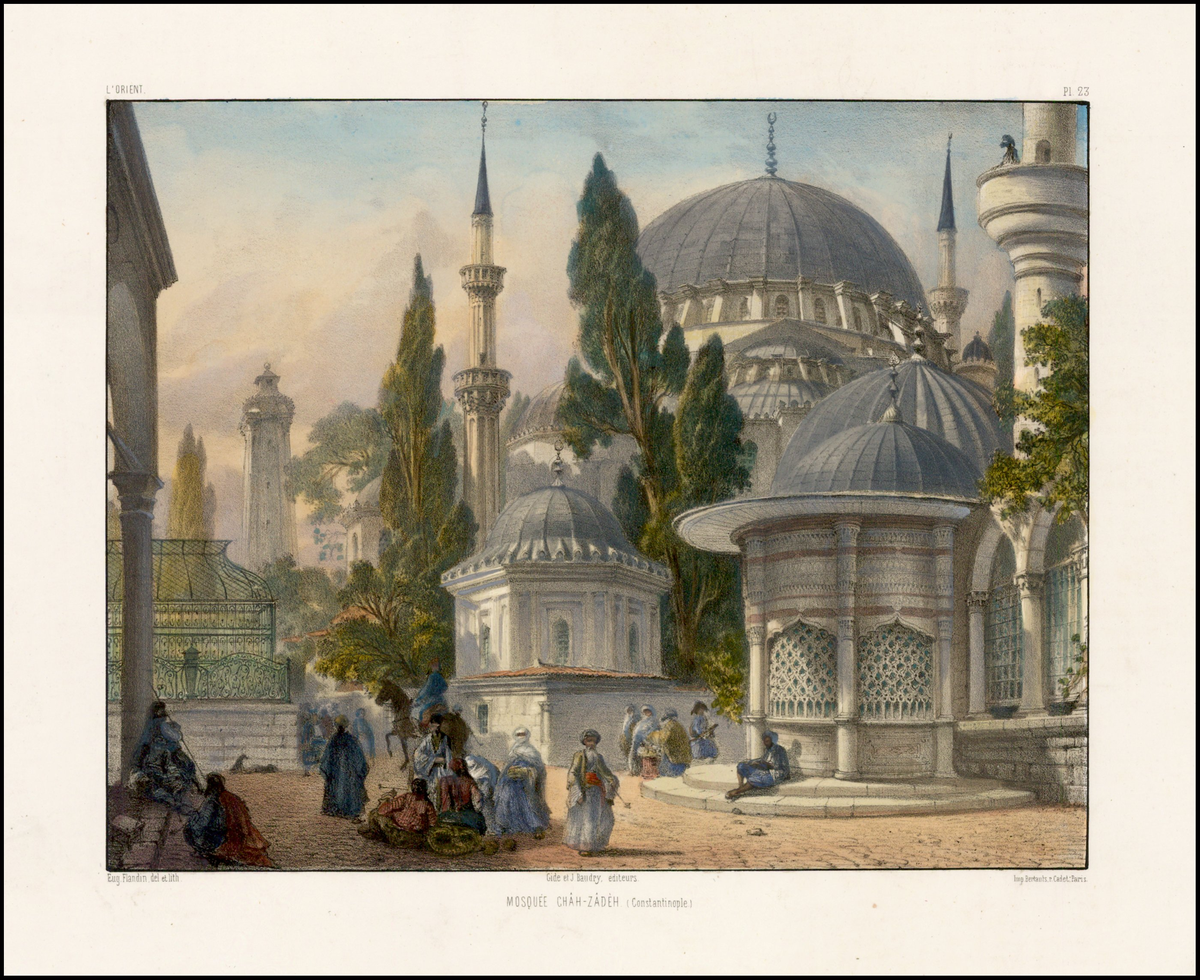
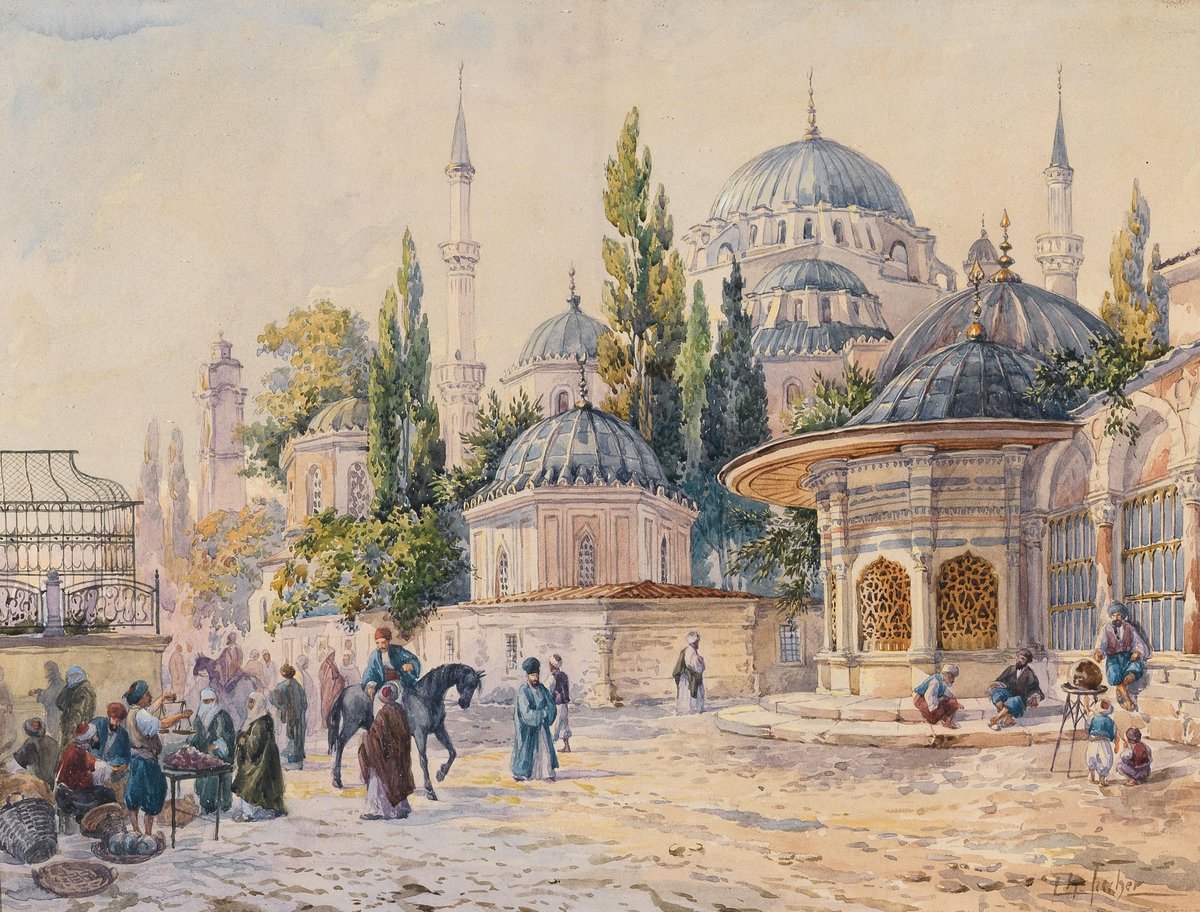
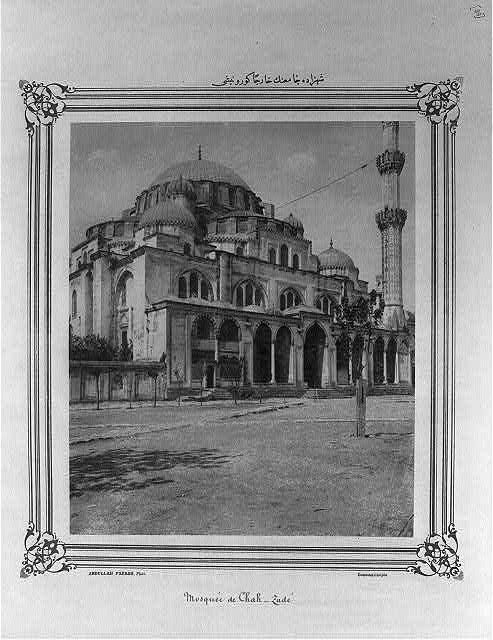
- Exterior Approached through a marble-paved courtyard equal in size to the prayer hall, the mosque is surrounded by a portico with domed bays and features two minarets adorned with geometric carvings.
- Interior The central dome is supported by four massive piers and flanked by half-domes. The prayer hall is illuminated by rows of stained-glass windows. The mihrab and minbar are decorated with exquisite Iznik tiles and elegant calligraphy (Adequate Travel).
- Courtyard Shaded by mature plane trees and featuring a beautiful ablution fountain, the courtyard offers a serene atmosphere for contemplation.
- Mausoleums The türbe of Şehzade Mehmed contains vivid tilework and is surrounded by a tranquil garden (Trek Zone).
Visitor Information
Visiting Hours
- Daily Open from approximately 8:30 AM to 5:30 PM.
- Prayer Times Closed to tourists during five daily prayers. On Fridays, access is restricted until after 2:30 PM due to Jumu’ah prayer.
- Seasonal Variations Check for updated hours during religious holidays or special events (Istanbul Geziyorum).
Entrance and Fees
- Admission Free of charge. Donations for maintenance are appreciated.
- Tickets No tickets required.
Accessibility
- The mosque is accessible for visitors with mobility challenges, with ramps at the entrance. Some courtyard areas have uneven paving, and the main prayer hall may require navigating a short flight of steps. Contact the mosque in advance for specific accessibility requirements.
Guided Tours
- Availability Guided tours can be arranged through local tour operators or sometimes at the mosque entrance.
- Benefits Tours provide deeper insights into the mosque's history, architecture, and the story of Prince Mehmed.
How to Get There
- Tram Laleli-Üniversite stop (T1 line), about 10 minutes on foot.
- Metro Aksaray station (M1A line), about 15 minutes on foot.
- Bus Several city bus routes serve the area.
- Taxi and Rideshare Readily accessible in the Fatih district.
- Walking Signage in the historic center guides visitors to the mosque (Istanbul Geziyorum).
Dress Code and Visitor Etiquette
- Women Cover head with a scarf, wear clothing covering arms and legs (scarves often available at entrance).
- Men Wear long trousers and avoid sleeveless shirts.
- Shoes Remove before entering the prayer hall; bags are typically provided.
- Conduct Maintain a respectful demeanor, keep noise low, and avoid photographing worshippers during prayer (Fodor’s Travel).
Facilities and Amenities
- Restrooms Located near the courtyard entrance.
- Ablution Fountains In the courtyard.
- Shops and Cafés Small shops and traditional Turkish cafés nearby.
- Security The area is safe and well-patrolled; staff often speak English.
Photography Guidelines
- Allowed Photography is permitted except during prayer times or services.
- Etiquette No flash inside the prayer hall; avoid photographing worshippers.
Nearby Attractions
Şehzade Mosque’s central location in Fatih makes it an ideal starting point for exploring:
- Süleymaniye Mosque Another Sinan masterpiece, 10-minute walk.
- Valens Aqueduct Remains of the Roman aqueduct nearby.
- Grand Bazaar About 15 minutes on foot.
- Fatih Mosque Major Ottoman mosque, easily reached via public transport (Istanbul Geziyorum).
Tips for Visitors
- Visit outside prayer times and avoid Fridays unless attending Jumu’ah.
- Early mornings or late afternoons offer softer light and fewer crowds.
- Combine your visit with nearby sites for a full day of exploration.
- Bring a reusable water bottle; public fountains are available, but drinking water may be limited.
- Check for local events that may affect opening hours.
- Spring and early summer (especially June) offer comfortable weather and blooming gardens (Istanbul Tourist Pass).
Frequently Asked Questions (FAQ)
Q: What are the Şehzade Mosque visiting hours?
A: Open daily from approximately 8:30 AM to 5:30 PM, except during prayer times.
Q: Is there an entrance fee or tickets required?
A: No entrance fee or tickets are required; donations are appreciated.
Q: Are guided tours available?
A: Yes, through local operators or sometimes at the mosque entrance.
Q: What is the dress code?
A: Modest attire is required. Women must cover heads and wear clothing covering arms and legs; men should wear long trousers.
Q: Is the mosque accessible for people with disabilities?
A: The mosque is generally accessible, though some areas may have uneven surfaces or steps.
Q: What are the best times to visit?
A: Early mornings or late afternoons, outside of prayer times, are ideal for a peaceful experience and good photography.