Plan and listen to Nakilbend Mosque with Audiala.
Audio guide in your pocket, itinerary in your browser. Built for the way you actually visit.
Introduction
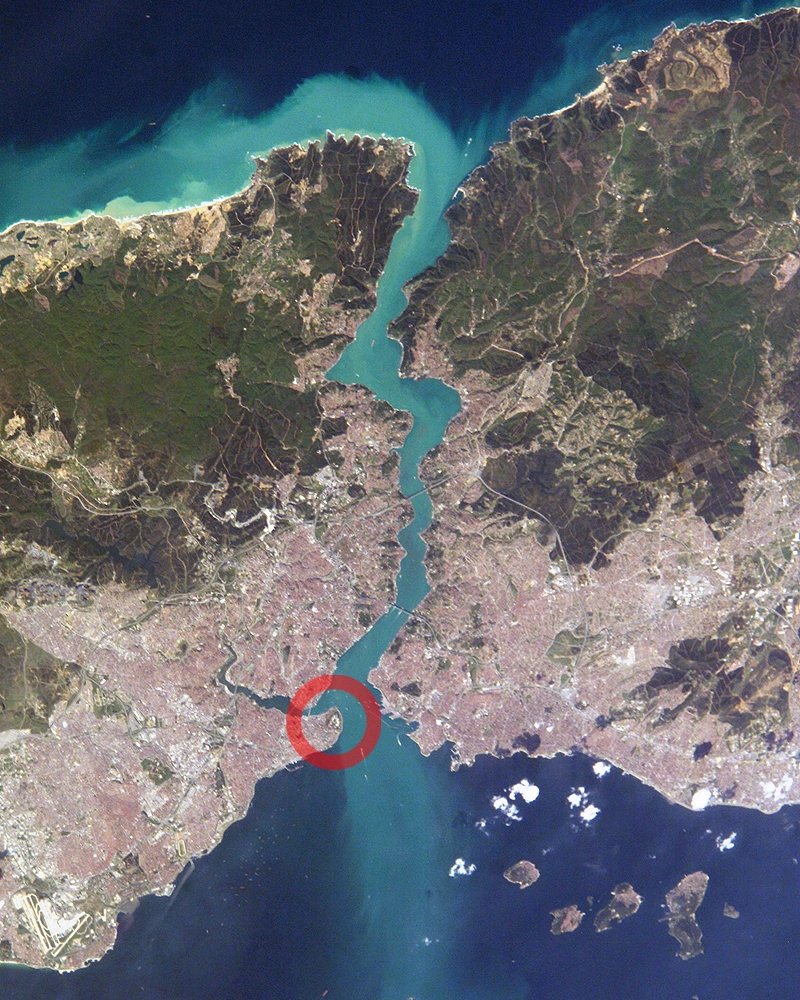
Nestled in Istanbul’s historic Fatih district, Nakilbend Mosque is an enduring symbol of the city’s Ottoman and Islamic heritage. While more modest than Istanbul’s grand imperial mosques, Nakilbend offers a deeply authentic window into the community life of local artisans and Sufi practitioners. Its architectural evolution, spiritual significance, and role within Fatih’s vibrant urban fabric make it a must-visit destination for those seeking to experience Istanbul’s layered history beyond the well-trodden tourist paths (Istanbul Tips).
Origins and Foundation
Nakilbend Mosque owes its name to the "nakilbend" guild—an association of textile workers and artisans. Established in the late 18th or early 19th century, the mosque’s foundation coincided with Fatih’s emergence as a hub for trade, crafts, and religious life following the Ottoman conquest of Constantinople in 1453. The mosque originally served local artisans, functioning as both a place of worship and a center for community gatherings (Istanbul Tips).
Architectural Evolution
Original Design
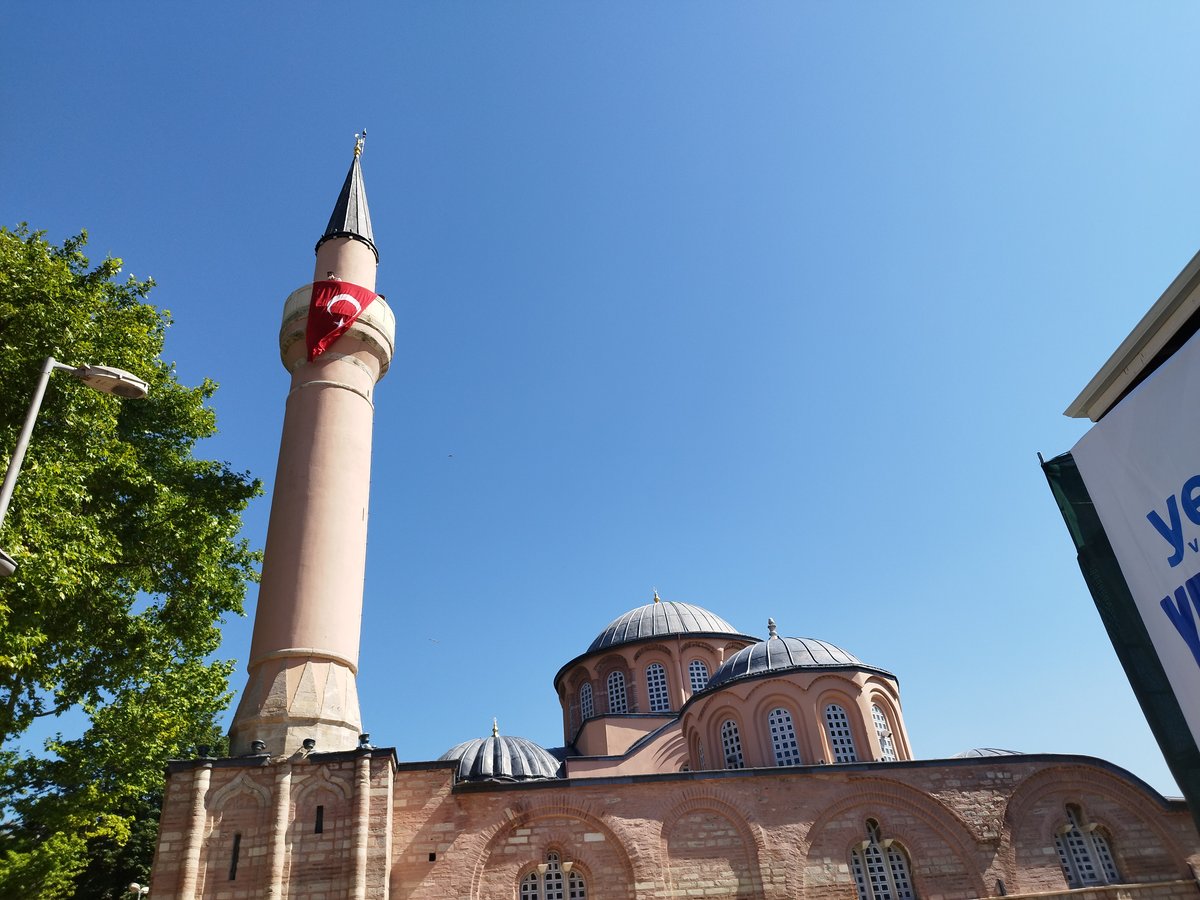
Nakilbend Mosque exhibits the classic features of an Ottoman neighborhood mosque: a single dome over a rectangular prayer hall, a slender minaret, and modest decorative flourishes. Constructed with local stone and brick, its design emphasizes functionality and community orientation over imperial grandeur.
Renovations and Restorations
Frequent earthquakes in Istanbul led to several restoration phases. In the 19th and early 20th centuries, Baroque and Neoclassical touches—such as ornate window frames and updated minaret features—were introduced, reflecting broader architectural trends of the era (Blue Mosque Evolution). Recent restoration work has focused on preserving the mosque’s historic character while ensuring its continued use as a vibrant place of worship.
Visiting Nakilbend Mosque: Practical Information
Visiting Hours and Entry
- Open Daily: 8:00 AM to 6:00 PM (hours may shift slightly, especially during Ramadan or religious holidays).
- Entry: Free for all visitors; donations are appreciated but not mandatory.
- Prayer Times: Non-Muslim visitors should avoid entering during the five daily prayers, each lasting approximately 90 minutes (wander-lush.org).
Accessibility
- Location: In Fatih, easily reached via tram (Aksaray or Laleli-Üniversite stops), metro (Vezneciler), bus, or on foot.
- Mobility: Some steps and uneven surfaces may limit accessibility; advance inquiries are recommended for visitors with mobility concerns.
- Facilities: Public toilets (small fee), ablution areas, but generally no cloakrooms or lockers.
Guided Tours
While Nakilbend Mosque does not offer official tours, local guides and walking tours of Fatih often include the mosque among their stops, enriching the visitor experience with historical and cultural context (artandthensome.com; forevervacation.com).
Cultural and Religious Significance
Sufi Heritage
Nakilbend Mosque is closely associated with the Nakşibendi (Naqshbandi) Sufi order, renowned for silent dhikr (remembrance of God) and spiritual discipline. The mosque historically hosted Sufi dhikr ceremonies and religious teaching, emphasizing humility and devotion (Turkey Visa Online).
Community Role
More than just a place of prayer, Nakilbend Mosque has long served as a community hub—hosting educational activities, social events, and charitable outreach. Its roots in the artisan guild tradition highlight its continuing importance as a center for solidarity and mutual support in Fatih (Adequate Travel).
Interfaith and Multicultural Dimensions
Fatih’s religious landscape is notably diverse, with Christian and Jewish sites nearby. The mosque’s Sufi background underscores Istanbul’s longstanding tradition of religious coexistence and dialogue (Turkey Visa Online).
Architectural Highlights
- Exterior: Alternating limestone and red brick stripes, single dome, slender minaret.
- Interior: Central prayer hall, calligraphic panels, geometric motifs, mihrab, and minbar.
- Courtyard: Marble-columned porticoes, ablution fountain (şadırvan).
- Lighting: Natural daylight and glass chandeliers create a tranquil atmosphere.
Historical Events and Influential Figures
Nakilbend Mosque has survived multiple earthquakes (notably in 1766), testifying to the resilience of its congregation and the Fatih community (Teknevia). While specific founders are not widely documented, the mosque’s ongoing preservation is the result of sustained community and heritage advocacy.
Preservation and Modern Use
Active as a place of worship, Nakilbend Mosque continues to serve the spiritual needs of Fatih’s residents and welcomes visitors interested in Ottoman architecture and Sufi tradition. Ongoing restoration projects focus on safeguarding both the mosque’s structure and its role in local community life.
Nearby Attractions
- Fatih Mosque Complex: Grand imperial mosque and tomb of Sultan Mehmed II.
- Süleymaniye Mosque: Iconic Ottoman mosque.
- Historic Neighborhoods: Fener and Balat, known for their multicultural heritage.
- Markets and Bazaars: Authentic shopping and local cuisine experiences.
Visitor Tips
- Dress Modestly: Women should cover head, shoulders, and knees; men should wear long trousers (walksinistanbul.com).
- Footwear: Remove shoes before entering the prayer hall; bring socks and a shoe bag.
- Photography: Permitted without flash; avoid photographing worshippers without consent (fodors.com).
- Quiet Respect: Maintain a reverent atmosphere, especially during prayers.
- Hydration: Bring your own water, especially in summer (wander-lush.org).
- Cash: Small change is useful for restroom fees or donations.
- Combine Sites: Plan visits to nearby attractions for a richer experience.
Frequently Asked Questions (FAQ)
Q: What are Nakilbend Mosque’s visiting hours?
A: Open daily from 8:00 AM to 6:00 PM, except during prayer times.
Q: Is there an entry fee?
A: No, entry is free; donations are welcome.
Q: Are guided tours available?
A: Not official, but local guides and Fatih district tours often include the mosque.
Q: What is the dress code?
A: Modest clothing required; women should cover their head, shoulders, and knees.
Q: Is the mosque accessible for wheelchair users?
A: Accessibility is limited due to historic architecture; inquire in advance.
Q: Can I take photos inside?
A: Yes, without flash and with respect for worshippers’ privacy.
Tickets & tours.
These are guided options from our partners — same price as booking direct.
Prices are indicative — final pricing and availability are confirmed at checkout. Audiala may earn a commission from bookings made through these links.
Listen to the full story in the app
The whole Nakilbend Mosque,
told well.
Audio guides for 1,100+ cities across 96 countries. History, stories, and local insight — offline ready.

Verified, and shown.
Researched and written by the Audiala editorial team from historical records, architectural archives, and local expertise.
Researched from Wikidata, Wikipedia & official sources · fact-checked · How we make our guides →