Plan and listen to Magnaura with Audiala.
Audio guide in your pocket, itinerary in your browser. Built for the way you actually visit.
Introduction
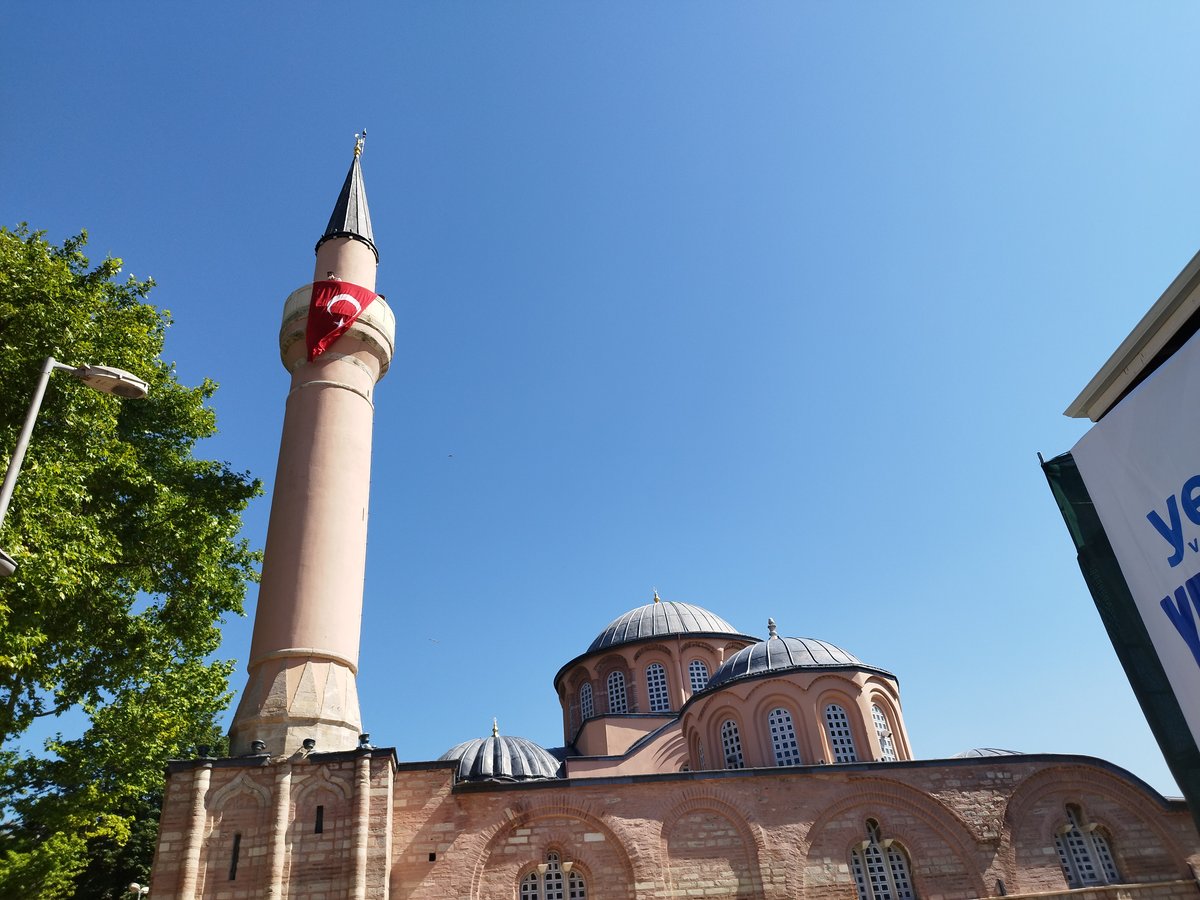
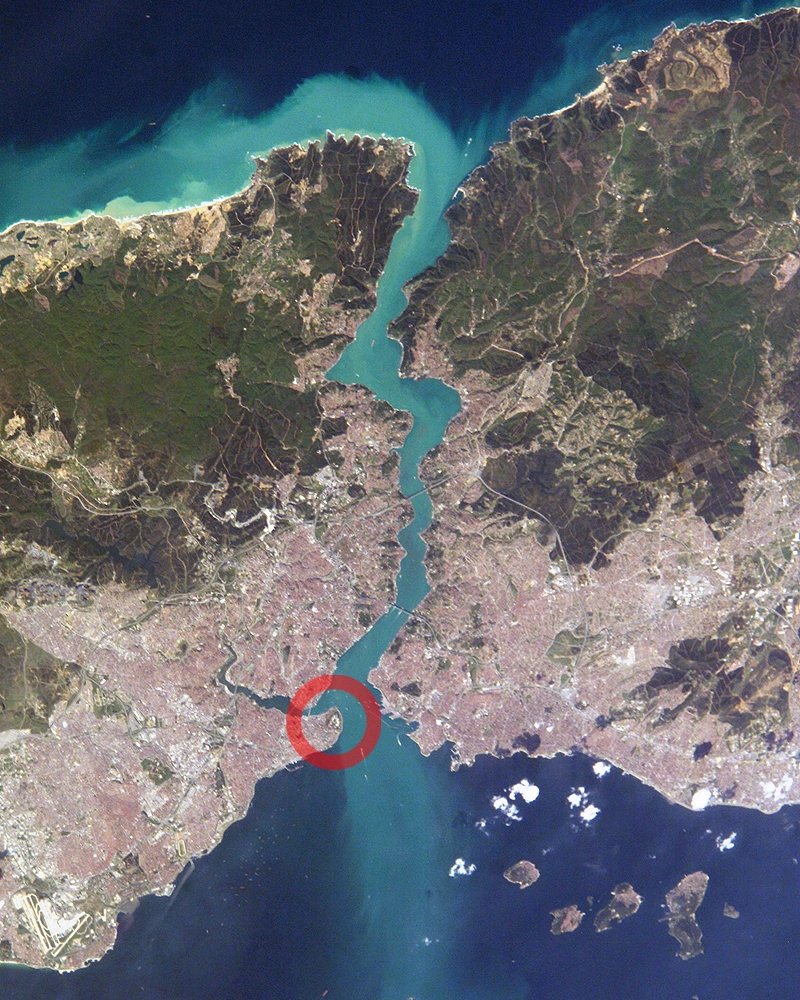
Located in Istanbul’s historic Fatih district, Magnaura stands as an enduring symbol of Byzantine architectural achievement and imperial history. Originally built during the early Byzantine era—likely under Emperor Theodosius II in the 5th century CE—this "Great Hall" was a center for imperial receptions, state ceremonies, and later, scholarly pursuits. Its proximity to landmarks like the Hippodrome, Hagia Sophia, and the Great Palace highlights its centrality in the political, religious, and cultural life of ancient Constantinople (Istanbul Tips).
Over the centuries, Magnaura evolved from a grand audience hall to an academic hub as the seat of the University of Constantinople in the 9th century, promoting studies in philosophy, law, and science. Architectural elements such as expansive halls, marble columns, intricate mosaics, and the legendary "Throne of Solomon" with mechanical automata exemplify the empire’s artistic excellence and technological innovation (palatiummagnaura.com).
Despite damage from events like the Latin occupation and the Ottoman conquest, Magnaura’s legacy persists in Istanbul’s urban fabric. Today, visitors can explore its archaeological remains alongside historic treasures such as Hagia Sophia, the Blue Mosque, and Topkapi Palace, making it a must-see destination for those seeking to immerse themselves in Istanbul’s layered history (Türkiye Today, World of History).
This comprehensive guide equips travelers with detailed insights into Magnaura’s history, architectural marvels, visiting hours, ticketing, accessibility, nearby attractions, and cultural etiquette.
Origins and Early History of Magnaura
The Magnaura, deriving its name from the Latin "Magna Aula" (Great Hall), was erected in the early Byzantine era, most likely under Theodosius II. Its location—adjacent to the Hippodrome, Hagia Sophia, and the Great Palace—cemented its role as a focal point for imperial gatherings and religious ceremonies, epitomizing the grandeur of the Byzantine court (Istanbul Tips).
Architectural Evolution and Features
Layout and Design
Magnaura was strategically positioned within the Great Palace complex, near the Augusteion and Hagia Sophia (Wikipedia). Its basilican plan included a central nave, side aisles, multiple apses, and galleries. A grand marble gateway and peristyle courtyard heightened its ceremonial presence.
Construction and Materials
Constructed with premium marble, porphyry, and precious stones, Magnaura’s domes, vaults, and mosaics showcased the pinnacle of Byzantine artistry (palatiummagnaura.com). Historical sources note impressive automata—mechanical trees, singing birds, and roaring lions—surrounding the "Throne of Solomon," symbolizing imperial authority and technological ingenuity.
Renovations and Rediscovery
Repeatedly damaged and restored due to fires, earthquakes, and floods, Magnaura underwent significant renovations, notably under Justinian I and in the late 7th century (palatiummagnaura.com). Modern excavations have revealed structural remains, enhancing understanding of Byzantine construction techniques.
Magnaura in Byzantine and Ottoman Eras
Magnaura's role evolved over time. In the 9th century, it became the seat of the University of Constantinople, fostering academic pursuits in philosophy, law, and medicine (Wikipedia: History of Turkey). It also hosted the Byzantine Senate and numerous imperial ceremonies, reinforcing the unity of church and state (World of History).
After the 1453 Ottoman conquest, Magnaura and many Byzantine structures were repurposed or overshadowed by Ottoman architecture. Archaeological excavations in the modern era have helped restore knowledge of Magnaura’s significance (Türkiye Today).
Visiting Magnaura: Hours, Tickets, and Accessibility
Visiting Hours
- Open Tuesday to Sunday from 9:00 AM to 5:00 PM (last entry at 4:30 PM).
- Closed Mondays and major public holidays.
- Seasonal adjustments may apply; check official sources before visiting.
Tickets
- Standard entry: 30 Turkish Lira for adults.
- Discounts for students and seniors.
- Tickets available on-site or via the Istanbul Museum Pass (which covers multiple historic sites).
Accessibility
- Wheelchair access with ramps and pathways, though some uneven surfaces may exist.
- Assisted access available upon request at the entrance.
Guided Tours and Photography
- Daily guided tours in multiple languages—advance booking recommended.
- Photography is permitted in most areas, with some restrictions (no flash or tripods in certain sections).
(visitturkey.in, atourguideinconstantinople.org)
Nearby Attractions & Travel Planning
Magnaura’s prime location in Sultanahmet gives visitors easy access to:
- Hagia Sophia (400 meters): UNESCO World Heritage site.
- Blue Mosque (600 meters): Iconic Ottoman architecture.
- Topkapi Palace (1 km): Former Ottoman imperial residence.
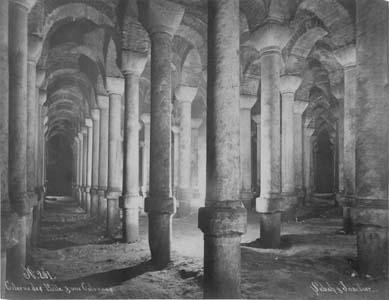
- Basilica Cistern (450 meters): Ancient underground reservoir.
- Istanbul Archaeological Museum (1 km) and Grand Bazaar (1.5 km): Rich in artifacts and shopping experiences.
Combine these sites for a comprehensive exploration of Istanbul’s Byzantine and Ottoman heritage.
Cultural and Historical Significance
Magnaura’s dual function as an imperial hall and center of learning made it a cornerstone of Byzantine civilization. It hosted ambassadors, scholars, and dignitaries, serving as a setting for pivotal political and religious events. Its artistic achievements—marble work, mosaics, automata—reflect the empire’s technological and cultural prowess (Istanbul Tips).
Visitor Tips and Cultural Etiquette
Dress Code and Behavior
- Modest dress is required, especially in religious sites (shoulders and knees covered; headscarves for women).
- Remove shoes before entering mosques.
- Quiet respect is appreciated during prayers and ceremonies.
Communication and Social Customs
- Greetings like “Merhaba” (Hello) and “Nasilsiniz?” (How are you?) are valued.
- Wait for a woman to initiate a handshake.
- Bargaining is expected in bazaars, but fixed prices apply in modern shops (justin-travel.com, tourgoodtravel.com).
Dining and Shopping
- Wait for the host to begin eating.
- Tipping (5–15%) is customary.
- Always ask permission before photographing people.
Safety and Accessibility
- Drink bottled water.
- Beware of petty theft in crowded areas.
- Many sites are wheelchair accessible, but check in advance for specific needs (atourguideinconstantinople.org).
Frequently Asked Questions (FAQ)
Q: What are Magnaura’s visiting hours?
A: Tuesday to Sunday, 9:00 AM–5:00 PM; closed Mondays and public holidays.
Q: How can I buy tickets?
A: On-site or online via the Istanbul Museum Pass.
Q: Is Magnaura accessible for disabled visitors?
A: Yes, with ramps and assistance available, though some uneven terrain exists.
Q: Are guided tours available?
A: Yes, in multiple languages; book ahead for best availability.
Q: Can I take photographs?
A: Generally yes, but check for restrictions in specific areas.
Listen to the full story in the app
The whole Magnaura,
told well.
Audio guides for 1,100+ cities across 96 countries. History, stories, and local insight — offline ready.

Verified, and shown.
Researched and written by the Audiala editorial team from historical records, architectural archives, and local expertise.
Researched from Wikidata, Wikipedia & official sources · fact-checked · How we make our guides →