Plan and listen to Koça Mustafa Pasha Mosque with Audiala.
Audio guide in your pocket, itinerary in your browser. Built for the way you actually visit.
Introduction
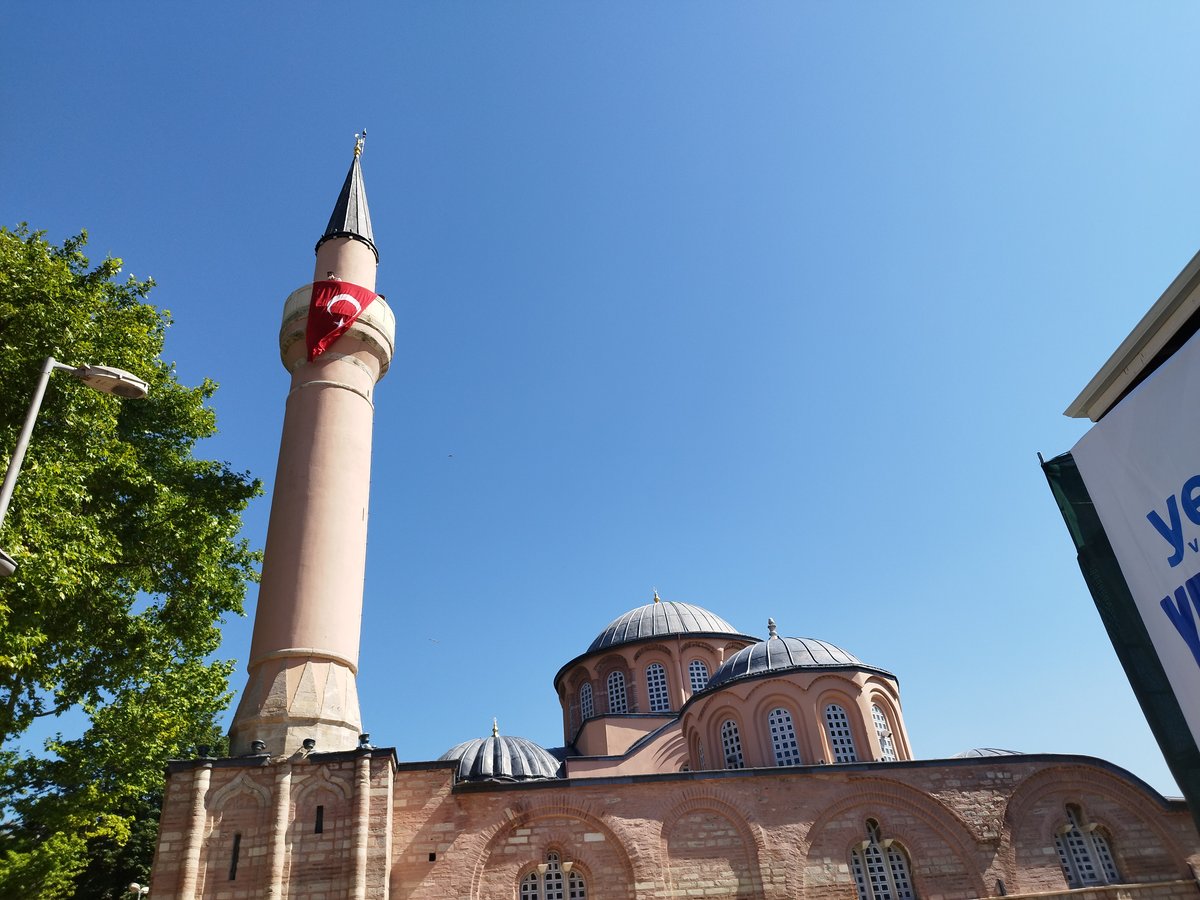
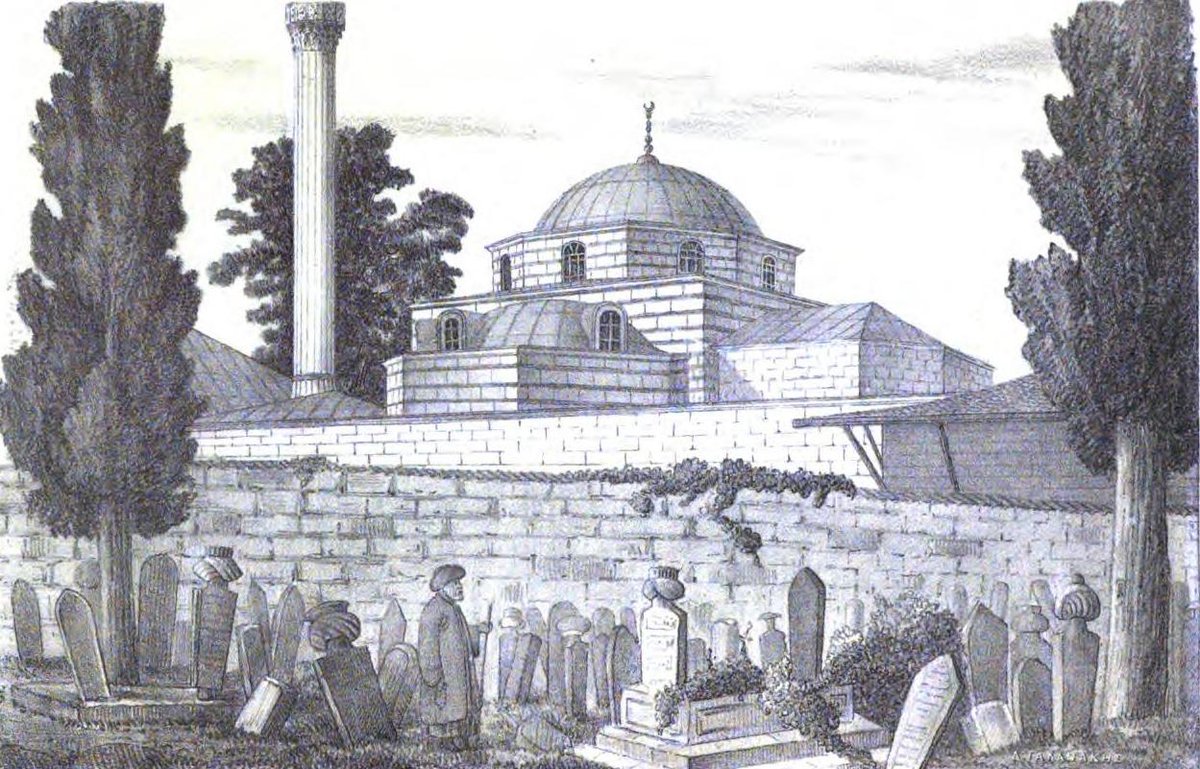
Nestled in Istanbul’s historic Fatih district, the Koça Mustafa Pasha Mosque stands as a living testament to the city’s millennia-old legacy, reflecting a unique synthesis of Byzantine and Ottoman heritage. Originally built as the Kristos Pantepoptes Church in 1059, the site has evolved through centuries of religious, cultural, and architectural transformation. Converted into a mosque by the Ottoman statesman Koça Mustafa Pasha in the late 15th century, it embodies the city’s transition from Byzantine Constantinople to Ottoman Istanbul. Today, the mosque welcomes worshippers and visitors alike, offering a serene courtyard, remarkable mosaics and frescoes, and a gateway to the surrounding treasures of Fatih (Türkiye Today, Nomatto, Türkiye World).

Early Origins and Byzantine Foundations
The Koça Mustafa Pasha Mosque began as the Kristos Pantepoptes Church in 1059, part of a monastery complex that reflected the religious and artistic vibrancy of medieval Constantinople. Characteristic Byzantine elements such as marble columns, intricate floor mosaics, and religious frescoes adorned the original structure. Recent archaeological restorations have uncovered these features, offering invaluable glimpses into the site's Christian origins (Türkiye Today).
Ottoman Conversion and Patronage
After the Ottoman conquest in 1453, the church was repurposed as a mosque by Koça Mustafa Pasha, grand vizier to Sultan Bayezid II. The conversion, likely completed by the late 15th century, was part of a broader initiative to revitalize Istanbul’s religious landscape. Koça Mustafa Pasha’s patronage signified both personal devotion and the integration of Byzantine sacred sites into the fabric of Ottoman Istanbul (Nomatto, Türkiye World).
Architectural Evolution and Features
Structural Layout
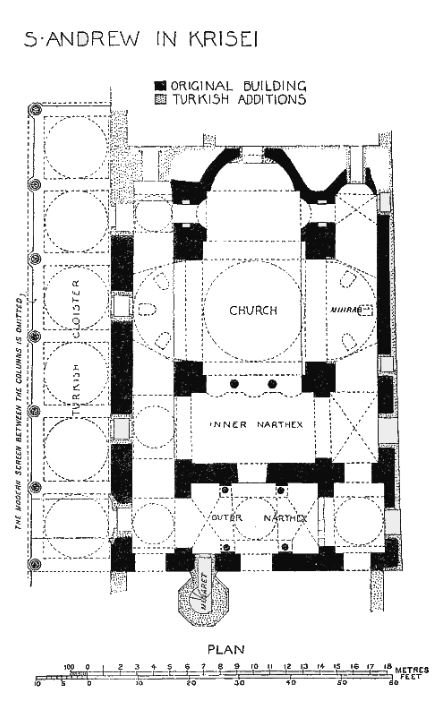
The mosque retains its Byzantine basilica plan, featuring a central dome (about 11 meters in diameter) supported by four massive piers and flanked by semi-domes. The exterior walls display alternating stone and brickwork, a hallmark of Byzantine and early Ottoman construction. The prayer hall is illuminated by arched windows, with a carved marble minbar and an ornate mihrab added during the Ottoman period.
Dome, Minaret, and Courtyard
The dome’s transition from a square base is achieved through pendentives, an innovation inherited from Byzantine builders and refined by Ottomans. The single minaret, rebuilt after the 1766 earthquake, stands at approximately 30 meters and features a conical cap. The tranquil courtyard—with ancient plane trees and fountains—serves as a peaceful retreat and is a focal point for community gatherings (Wikiwand).
Interior Decoration
Inside, the mosque reveals a blend of artistic traditions: calligraphic panels, geometric tilework, and traces of Byzantine frescoes beneath later plaster layers. The use of spolia, such as repurposed columns and capitals from earlier structures, further underscores the layers of history present in the building.
Religious and Cultural Significance
The mosque, also known as Hazrat Cabir Mosque, is deeply revered for its spiritual associations. Historically, it included a tekke (Sufi lodge) affiliated with the Halveti order, serving as a center for religious instruction and Sufi rituals. The adjacent türbe (mausoleum) of Sünbül Efendi is a site of pilgrimage, and the mosque complex has long provided religious education, charity, and communal services—reflecting the Ottoman tradition of integrated religious and social life (Türkiye Today, Istanbul Tarihi).
Restoration and Preservation
Throughout its history, the mosque has faced earthquakes, fires, and general wear—most notably the earthquakes of 1509 and 1766, which necessitated substantial repairs. The most recent restoration, completed in the 2020s, focused on conserving original frescoes, stabilizing the dome, and making Byzantine mosaics viewable via a glass walkway. These efforts ensure that the mosque’s rich historical layers remain accessible to future generations (Türkiye Today).
Visitor Information
Location & Access
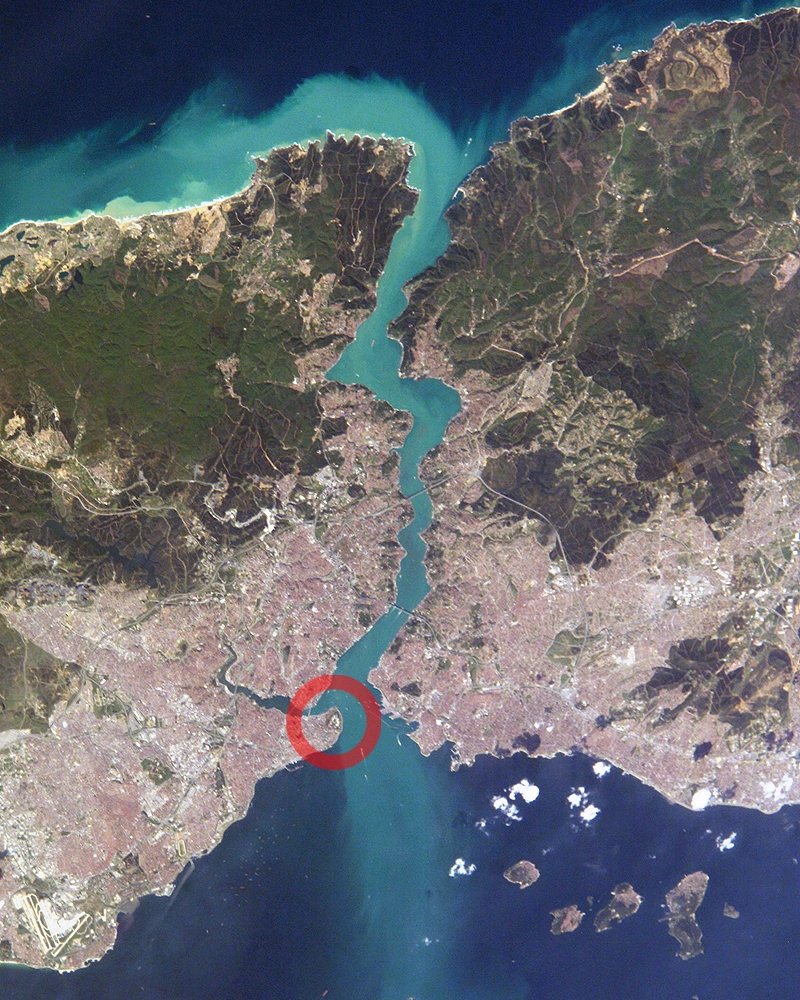
Koça Mustafa Pasha Mosque is located in the Kocamustafapaşa neighborhood of Fatih, near the Sea of Marmara and close to landmarks like the Church of Saint John of Stoudion. The area is easily accessible via:
- Tram: T1 line to Yusufpaşa or Aksaray, then a short walk.
- Bus: Multiple lines serve the Fatih district.
- Metro: Nearest station is Aksaray.
- Taxi: Readily available, with drop-off at the mosque entrance (Tourstoturkey.net).
Visiting Hours and Tickets
- Open Daily: 9:00 AM – 6:00 PM (closed during prayer times; Friday access after 14:30)
- Admission: Free; donations welcomed
- Changes: Check official Istanbul tourism websites or local notices for updates during religious holidays (Istanbul Travel Blog).
Dress Code & Visitor Etiquette
- Modest attire is required: men should wear long trousers; women must cover heads, shoulders, and legs (scarves are typically available at the entrance).
- Shoes must be removed before entry; bags are provided for footwear.
- Silence and respectful behavior are essential.
- Photography is permitted except during prayers; avoid flash and photographing worshippers (Tourstoturkey.net).
Guided Tours
Guided tours can be arranged with local licensed guides, offering in-depth insights into the mosque’s Byzantine origins, Ottoman conversion, and community role. Tours often include the türbe of Sünbül Efendi and the adjacent cemetery of Halveti Sufi sheikhs.
Accessibility
- The mosque is generally accessible to visitors with limited mobility, with ramps at entrances.
- Some courtyard and cemetery areas have uneven surfaces; assistance is recommended for wheelchair users.
Facilities and Amenities
- On-site restrooms available.
- No commercial facilities within the mosque, but cafes and shops are nearby.
- Staff are generally welcoming and helpful.
Nearby Attractions & Suggested Itineraries
- Fatih Mosque: Another major Ottoman mosque nearby.
- Chora Museum (Kariye Mosque): Renowned for Byzantine mosaics.
- Church of Saint John of Stoudion: Early Christian architecture.
- Fatih Market: Bustling local bazaar.
- Grand Bazaar and Suleymaniye Mosque: Reachable for a full day’s itinerary (Tourstoturkey.net).
Frequently Asked Questions (FAQ)
Q: Is there an entrance fee or ticket required?
A: No, entry is free; donations are appreciated.
Q: What are the visiting hours?
A: Daily 9:00 AM – 6:00 PM, except during prayer times and after 14:30 on Fridays.
Q: Are headscarves provided?
A: Yes, scarves are usually available at the entrance.
Q: Is the mosque accessible for wheelchair users?
A: Partially accessible; some surfaces may be uneven.
Q: Can I take photographs inside?
A: Yes, but please avoid photographing worshippers and do not use flash.
Q: Are guided tours available?
A: Yes, local guides offer tours including historical commentary and visits to related sites.
Listen to the full story in the app
The whole Koça Mustafa Pasha Mosque,
told well.
Audio guides for 1,100+ cities across 96 countries. History, stories, and local insight — offline ready.
Verified, and shown.
Researched and written by the Audiala editorial team from historical records, architectural archives, and local expertise.
Researched from Wikidata, Wikipedia & official sources · fact-checked · How we make our guides →