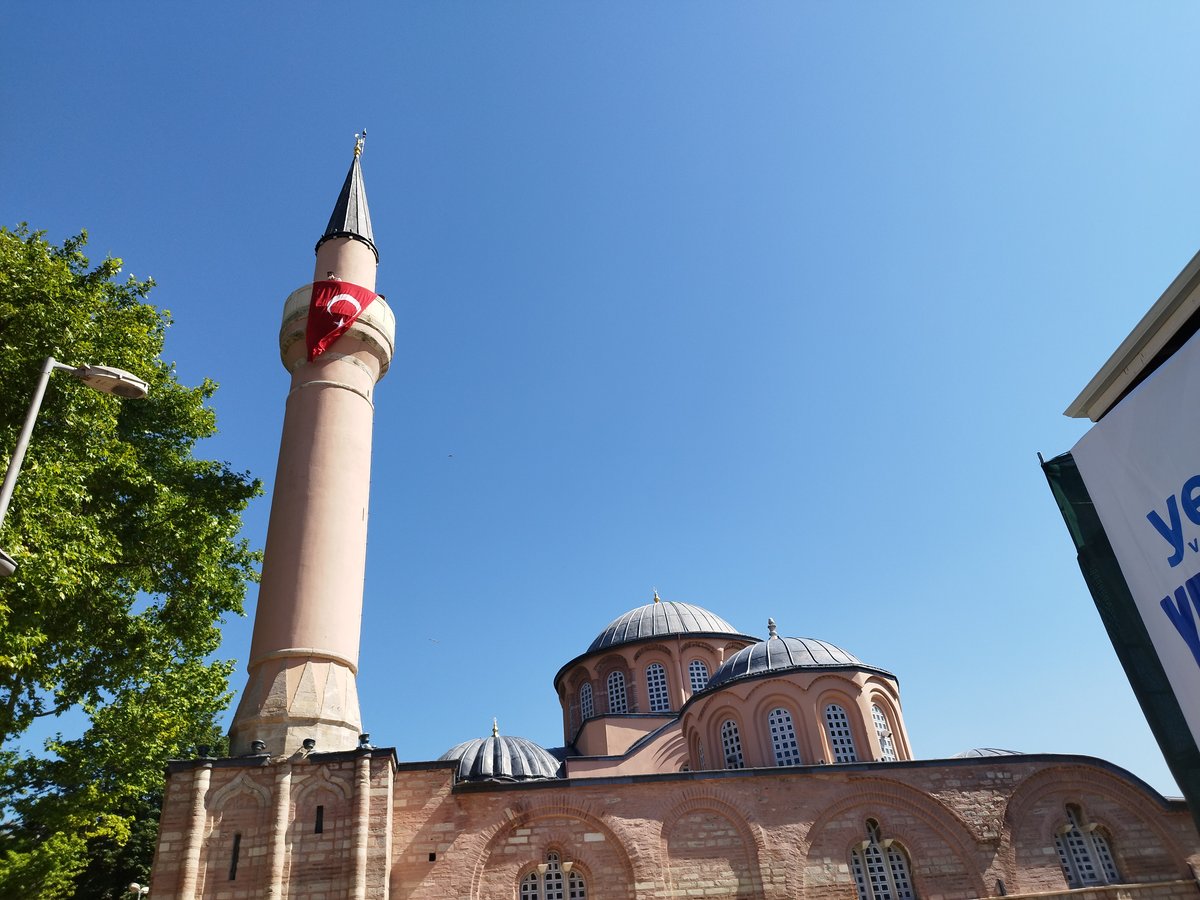
Historical Context & Architectural Highlights
Origins and Patronage
The mosque was commissioned in the 16th century by Keçeci Mehmed Ağa, a notable Ottoman figure, and later rebuilt in the 18th century by Emetullah Kadın, the chief consort of Sultan Ahmed III. This dual patronage reflects both community initiative and royal support, marking the mosque as an evolving center of worship and social welfare (Kultur Envanteri, Wikipedia).
Architectural Features
- Structure The mosque features robust masonry walls of stone and brick, a single stone minaret, and a distinctive wooden gabled roof—eschewing the domes typical of larger Ottoman mosques.
- Scale Occupying a 116 m² structure within an 868 m² plot, it exemplifies the neighborhood mosque style.
- Interior The prayer hall is illuminated by large windows, creating a serene atmosphere. The minbar, added by Uncu Halil Ağa, enables regular Friday sermons.
- Complex Elements Historically, the mosque complex included a school (mektep) and a fountain, the latter still present today.
Beneath the mosque lies the tomb of its founder, a tradition reflecting the Ottoman practice of honoring patrons within religious complexes (Kultur Envanteri).
Religious and Cultural Significance
Center for Sunni Islamic Worship
Keçeci Piri Mosque remains an active center for Sunni Islamic worship, hosting daily prayers, Friday congregational services, and major religious festivals such as Ramadan and Eid (The Best Istanbul).
Community and Educational Role
Beyond serving as a place of worship, the mosque has historically functioned as a hub for education and social welfare, in line with the Ottoman tradition of the külliye—a religious complex meeting diverse communal needs (World History Journal).
Artistic and Cultural Legacy
The mosque’s modest decorative elements include calligraphic inscriptions, and its architectural style reflects a blend of Ottoman and local influences, contributing to the city’s dynamic architectural heritage (Archtene).
Practical Visitor Information
Visiting Hours & Entry
- Open Daily 8:00 AM – 6:00 PM (hours may vary during religious holidays and special events)
- Closed to Tourists During prayer times, especially Friday midday prayers (typically 1:00 PM – 2:30 PM)
- Entry Fee Free; donations for upkeep are welcome
Dress Code & Etiquette
- Men Long trousers, shirts covering upper arms
- Women Modest clothing covering arms, legs, and chest; headscarf required
- Shoes Remove before entering the prayer hall; bring a bag for your shoes
- Behavior Maintain silence, avoid flash photography, and do not photograph worshippers without permission
Accessibility
- Mobility Some steps and uneven surfaces; limited wheelchair access. Contact mosque staff for assistance if needed
- Facilities Basic restrooms, shoe storage, headscarves available at entrance
Accessibility and Etiquette
- Security Standard checks at entrance; be prepared for bag inspections
- Respectful Conduct Remain in visitor areas, avoid walking in front of worshippers, and respect gender-segregated spaces
- Language Basic English is spoken; simple Turkish greetings are appreciated
Nearby Attractions and Travel Tips
Getting There
- Tram T5 line (Cibali-Alibeyköy Cep Otogarı) to Hasköy stop
- Bus Several lines from Taksim, Eminönü, Şişli (“Hasköy” and “Hasköy İskelesi” stops)
- Ferry Golden Horn ferry to Hasköy Pier
- Taxi/Ride-Sharing Widely available; location known to local drivers
Local Amenities
- Cafés and Restaurants Traditional Turkish food and tea nearby; diverse dining in Balat and Karaköy
- Shops Local markets for snacks and souvenirs
Nearby Historical and Cultural Sites
- Rahmi M. Koç Museum Industrial history in an Ottoman foundry (Rahmi M. Koç Museum)
- Golden Horn Promenade Parks, public art, and scenic views
- Jewish Heritage Sites Synagogues and cemeteries in Hasköy and Balat (Ahrida Synagogue)
- Balat and Fener Colorful historic districts with significant churches and cultural sites
- Eyüp Sultan Mosque Important pilgrimage site with panoramic city views (Eyüp Sultan Mosque)
Seasonal Tips
- Best Times Spring and autumn for mild weather and fewer crowds; summer is hot and busy, winter is cooler and less crowded
Frequently Asked Questions (FAQ)
Q: What are the mosque’s visiting hours?
A: 8:00 AM–6:00 PM daily, except during prayer times, especially Friday midday.
Q: Is there an entry fee?
A: Entry is free; donations are appreciated.
Q: Are guided tours available?
A: No official mosque tours; local guides can be arranged.
Q: Is the mosque accessible for people with disabilities?
A: Accessibility is limited due to historic architecture; assistance may be available.
Q: Can non-Muslims enter?
A: Yes, non-Muslims are welcome outside prayer times, provided respectful attire and behavior.
Q: Is photography allowed?
A: Yes, but respect worshippers and avoid flash or photographing people without permission.
Summary & Recommendations
Keçeci Piri Mosque stands as a living link between Istanbul’s Ottoman past and vibrant present. Its modest architecture and enduring community role make it an authentic destination for travelers seeking a deeper understanding of Istanbul’s religious and cultural identity. Located in the tranquil Hasköy neighborhood and surrounded by historical and cultural attractions, the mosque offers a serene and enriching alternative to Istanbul’s busier sites. Respectful attire and conduct are essential for visitors. Use resources like the Audiala app for curated tours and up-to-date information, and consult official sources for planning your trip.