
Historical Background
Origins and Patronage
The Kara Ahmed Pasha Mosque’s story is rooted in the intricate politics of the Ottoman Empire’s golden age. Kara Ahmed Pasha, a key statesman and Grand Vizier under Sultan Suleiman the Magnificent, was executed in 1555. His widow, Fatma Sultan—daughter of Sultan Selim I and sister to Suleiman—commissioned the mosque after his exoneration, both as a tribute and an act of royal patronage. Construction began but faced delays, only reaching completion in 1572 during Sultan Selim II’s reign (Istanbul Clues).
Architectural Context and Design
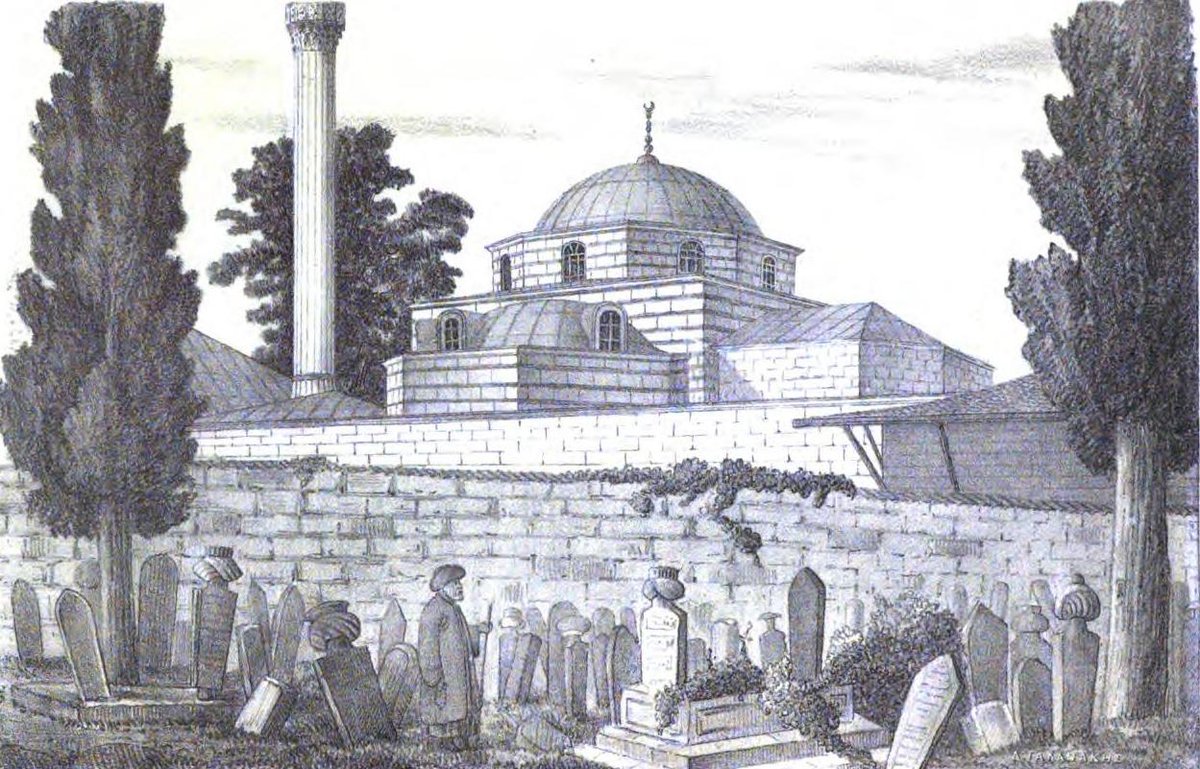
As one of Mimar Sinan’s mature works, the mosque is a paragon of classical Ottoman architecture.
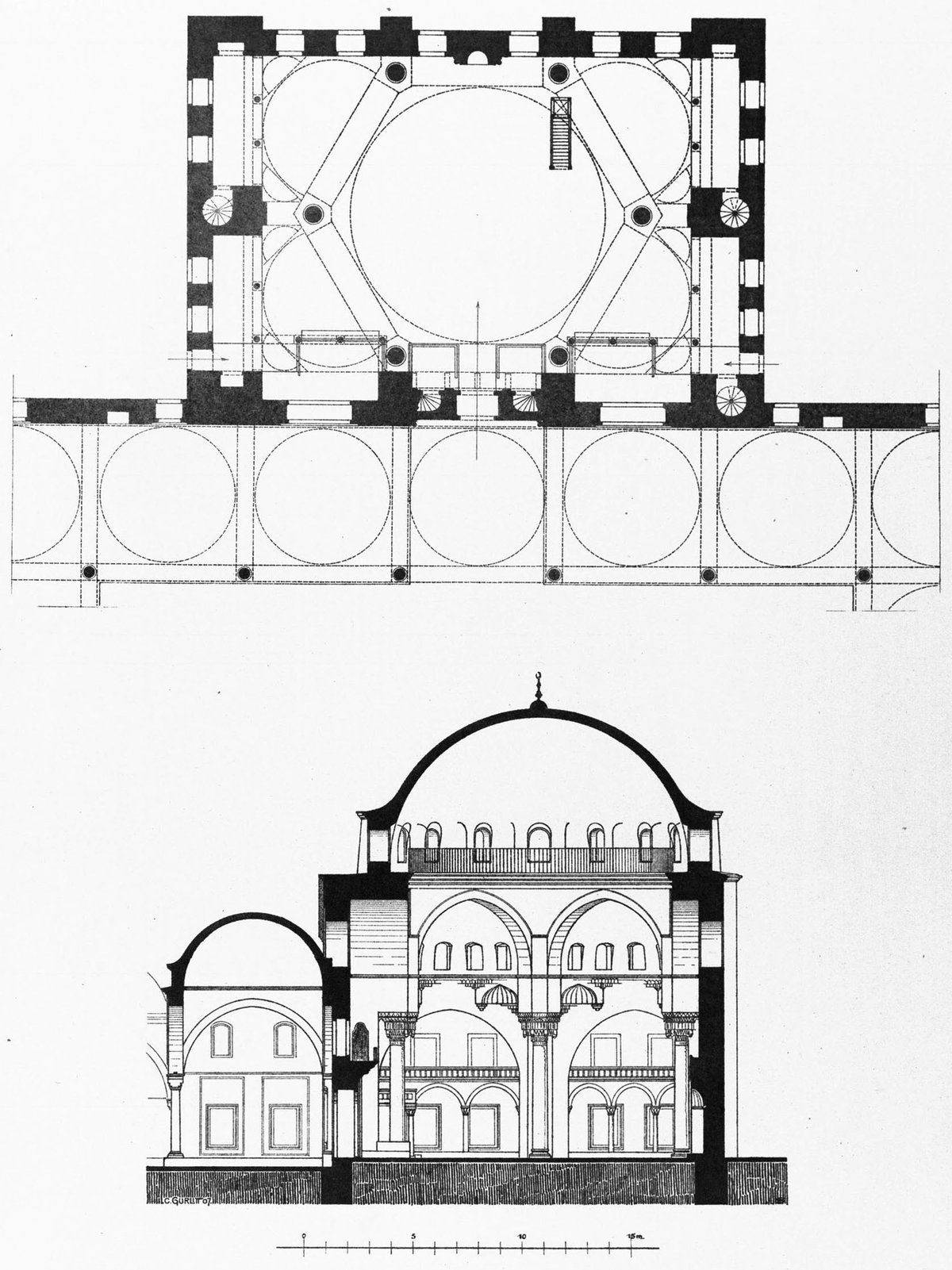
- Central Dome The main prayer hall is crowned by a grand dome (~20 meters in diameter), supported by semi-domes and elegant marble columns.
- Iznik Tilework The interior dazzles with vibrant Iznik tiles in blues, turquoises, and reds—most prominent around the mihrab.
- Külliye Complex Historically, the mosque was part of a larger complex including a madrasa (Islamic school), primary school, public fountain, and shops—demonstrating the Ottoman model of integrating religious, educational, and social functions.
- Exterior and Courtyard The mosque’s harmonious façade, arcaded courtyard, and şadırvan (ablution fountain) create a welcoming and contemplative environment.
- Minaret A slender minaret punctuates the skyline, serving as both a visual landmark and the source of the call to prayer.
Mimar Sinan’s genius is evident in the mosque’s luminous interior, spatial innovation, and seamless integration with its ancillary buildings.
Visiting the Kara Ahmed Pasha Mosque
Visiting Hours and Tickets
- Opening Hours Daily from 9:00 AM to 6:00 PM, with brief closures during the five daily prayer times (each lasting about 30 minutes). Friday midday prayers (Jumu’ah) are especially busy and closed to tourists.
- Entry Fee Free admission; no tickets required. Donations are appreciated to support maintenance and community outreach.
- Guided Tours Available through local tour operators. Booking in advance is recommended for deeper historical insight (Chasing the Donkey).
Accessibility
- Wheelchair Access Courtyard and prayer hall entrances are accessible, though some areas may have uneven paving due to the mosque’s historic nature. Assistance can be requested.
- Restrooms Basic facilities are available on-site.
Travel Tips and Nearby Attractions
- Getting There Located in the Edirnekapı/Topkapı district, the mosque is accessible via the T1 tram (Topkapı stop), local buses, and taxis.
- Nearby Sights
- Theodosian Walls: Ancient Byzantine fortifications nearby.
- Chora Church (Kariye Mosque): Renowned for its mosaics.
- Zeyrek Mosque: An example of Byzantine-Ottoman architectural fusion.
- Photography Permitted in most areas (without flash); avoid photographing worshippers during prayers.
- Best Time to Visit Early mornings and late afternoons for a peaceful experience and excellent natural light for photography.
Cultural and Historical Significance
The mosque is not only a place of worship but also a symbol of Istanbul’s evolution from Byzantine Christianity to Ottoman Islam. Its külliye reflects the Ottoman commitment to integrating religious, educational, and social functions. Fatma Sultan’s patronage highlights the significant role of royal women in Ottoman society, especially during the “Sultanate of Women” era.
Artistic innovations in Iznik tiles, calligraphy, and spatial design set standards for later Ottoman mosques, making Kara Ahmed Pasha Mosque a vital link in Istanbul’s architectural and cultural legacy (istanbul.tips).
Preservation and Modern Relevance
Recent restoration efforts—supported by the Turkish Ministry of Culture and Tourism and local waqf endowments—have ensured the mosque’s structural stability and the preservation of its tilework and architectural details. It remains an active place of worship and a serene site for visitors, providing a quieter alternative to Istanbul’s more frequented mosques (Chasing the Donkey).
The mosque continues to play a key role in the community, hosting prayers, religious festivals, and charitable activities.
Frequently Asked Questions (FAQ)
Q: What are the Kara Ahmed Pasha Mosque visiting hours?
A: Open daily from 9:00 AM–6:00 PM, with closures during prayer times.
Q: Is there an entry fee or ticket required?
A: Admission is free; no tickets required. Donations are welcomed.
Q: Are guided tours available?
A: Yes, through local tour operators. Booking ahead is advised.
Q: Is the mosque accessible for visitors with disabilities?
A: Yes, though some historical features may limit access. Assistance is available.
Q: What is the dress code?
A: Modest attire is required. Women should cover their heads, arms, and legs; men should wear long trousers and sleeves. Scarves are often provided at the entrance.
Q: Can I take photographs inside?
A: Yes, but avoid flash and photographing worshippers during prayers.
Q: What other attractions are nearby?
A: The Theodosian Walls, Chora Church (Kariye Mosque), Zeyrek Mosque, and Topkapı Palace.