Plan and listen to Kalenderhane Mosque with Audiala.
Audio guide in your pocket, itinerary in your browser. Built for the way you actually visit.
Introduction
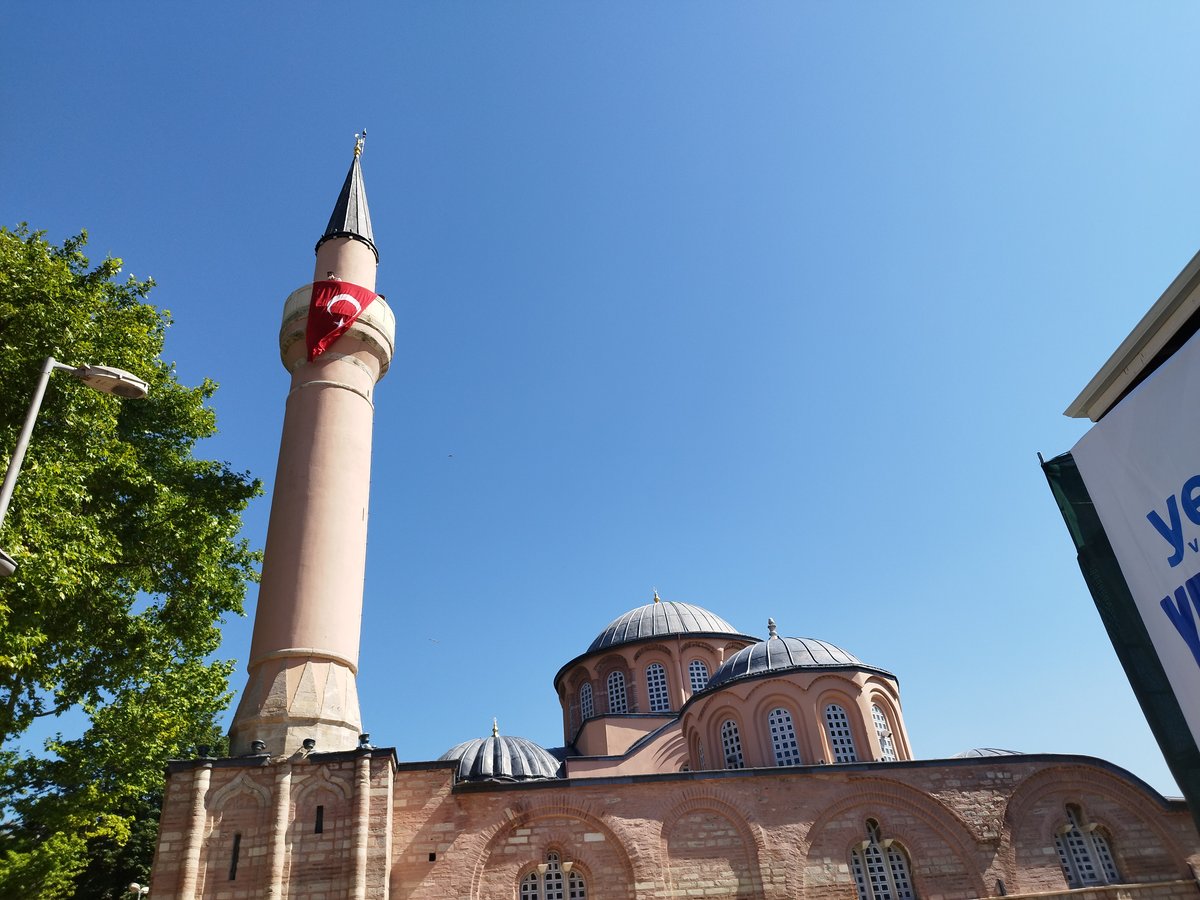
Nestled in Istanbul’s storied Fatih district, the Kalenderhane Mosque is a living testament to the city’s layered past. This architectural gem seamlessly weaves together Byzantine, Latin Crusader, and Ottoman histories, offering visitors an unparalleled window into the religious and cultural evolution of Istanbul. Originally constructed as a Byzantine church and later repurposed by both Latin and Ottoman communities, Kalenderhane Mosque is celebrated for its rare mosaics, frescoes, and harmonious blend of architectural styles. This guide provides comprehensive information for visitors—including historical background, architectural highlights, visiting hours, admission details, practical tips, and more—to ensure a rewarding experience at one of Istanbul’s lesser-known treasures (Wikipedia; Hidden Turkey; Istanbul Tour Studio; Nomadic Niko; Visit Istanbul).


Byzantine Foundation and Early Construction
The Kalenderhane Mosque originated as a Byzantine church, likely dedicated to Theotokos Kyriotissa (“Mother of God Enthroned”). The main structure dates from the late 11th to early 12th century, during the Komnenian dynasty, and showcases a domed Greek cross (cross-in-square) plan—a hallmark of Middle Byzantine ecclesiastical architecture. Archaeological excavations have revealed that the site sits atop even older layers, including the remnants of a 5th- or 6th-century Roman bath and a 6th-century basilica, reflecting Istanbul’s continuous urban and religious development (Wikipedia; Hidden Turkey; 4Traveler).
Crusader and Latin Influence
Following the Fourth Crusade and the establishment of the Latin Empire (1204–1261), the church was repurposed for Roman Catholic worship, most likely by Franciscan friars. This period left a unique artistic legacy: 13th-century frescoes depicting scenes from the life of St. Francis of Assisi, considered some of the oldest images of the saint outside Italy. These frescoes, discovered during 20th-century restorations, are now preserved in the Istanbul Archaeology Museums (Nomadic Niko; 4Traveler).
Ottoman Conversion and Dervish Era
After the Ottoman conquest of Constantinople in 1453, the building was initially assigned to the Kalenderi dervishes—a Sufi order—who used it as a lodge (zaviye) and soup kitchen (imaret). It was not until 1746, under Hacı Beşir Ağa, that the building was formally converted into a mosque. At this time, essential Ottoman-Islamic elements such as the mihrab, minbar, and a single minaret were installed, and the mosque’s waqf (endowment) expanded to support religious and educational functions (Wikipedia; Gezibilen).
Restoration and Modern Preservation
Over the centuries, the mosque endured damage from earthquakes, fires, and even a lightning strike that destroyed its minaret in 1930. The building was abandoned for decades before an extensive restoration campaign (1966–1975) led by Cecil L. Striker and Doğan Kuban returned it to its former glory. These efforts uncovered invaluable Byzantine and Crusader-era frescoes and mosaics, solidifying Kalenderhane’s status as a key monument for understanding Istanbul’s multicultural heritage (Nomadic Niko; Hidden Turkey).
Architectural and Artistic Highlights
- Plan & Structure: Kalenderhane Mosque retains its original cross-in-square plan, featuring a central dome supported by four arms of equal length and flanked by barrel-vaulted side aisles. The exterior showcases cloisonné masonry with alternating brick and stone.
- Interior Decoration: The mosque contains original Byzantine marble paneling, colorful columns, and remnants of frescoes and mosaics. Notably, a rare 6th- or 7th-century mosaic depicting the Presentation of Christ in the Temple was uncovered—one of the only surviving pre-Iconoclastic mosaics from Constantinople.
- Ottoman Additions: The mihrab, minbar, and minaret reflect later Islamic adaptations, blending harmoniously with the historic Christian fabric.
- Artistic Legacy: The site’s unique art includes the 13th-century Franciscan frescoes (now in the museum), bridging Byzantine and Western Christian traditions (The Byzantine Legacy).
Visiting Kalenderhane Mosque
Visiting Hours & Entry
- Opening Hours: The mosque is open daily, typically from 9:00 AM to 5:00 PM. Access may be restricted during prayer times and religious holidays. It is advisable to check local schedules or official websites for updates.
- Admission: Entry is free for all visitors. No tickets are required. Donations for upkeep are welcome but not mandatory (Istanbul Tour Studio; Visit Istanbul).
Location & Accessibility
- Address: Kalenderhane Mahallesi, Kalenderhane Cd. No:16, 34134 Fatih/İstanbul, Turkey.
- Getting There: The mosque is easily accessible via the T1 tram line (Laleli-Üniversite or Aksaray stops), and is within walking distance of the Süleymaniye Mosque and the Grand Bazaar (istanbeautiful.com).
- Mobility: While the main prayer hall is accessible, some areas have uneven surfaces or steps due to the building’s historic nature.
Dress Code and Visitor Etiquette
- Modest Clothing: Women must cover their heads, arms, and legs; men should avoid shorts and sleeveless shirts.
- Shoes: Remove shoes before entering; bags or shelves are provided for storage.
- Behavior: Maintain a quiet and respectful manner. Avoid interrupting worshippers and refrain from loud conversations.
- Photography: Non-flash photography is allowed. Always be discreet and avoid photographing people during prayer (istanbeautiful.com).
Guided Tours and Photography
- Tours: Specialized local guides offer tours focusing on the mosque’s Byzantine and Ottoman history. Booking in advance is recommended for a deeper experience.
- Photography: The interplay of natural light, Byzantine mosaics, and Ottoman details makes for excellent photo opportunities, especially in the morning or late afternoon.
Practical Tips
- Best Time to Visit: Early mornings or mid-afternoons are quieter and offer optimal lighting for photography.
- Facilities: Limited on-site facilities; plan ahead for restrooms and refreshments.
- Language: Turkish is the primary language. Consider a translation app or phrasebook for ease of communication.
Nearby Attractions
- Aqueduct of Valens: A monumental Roman aqueduct located nearby.
- Süleymaniye Mosque: One of Istanbul’s grandest Ottoman mosques.
- Grand Bazaar: A world-famous covered market.
- Fatih Mosque and the Byzantine Walls: Other major historical sites in the district.
- Vefa Bozacısı: A traditional shop famous for its Turkish boza drink.
FAQ
Q: What are the visiting hours of Kalenderhane Mosque?
A: Generally 9:00 AM to 5:00 PM daily, with restricted access during prayer times and religious holidays.
Q: Is there an entrance fee?
A: No, entry is free. Donations are appreciated but not required.
Q: Are guided tours available?
A: Yes, local guides offer tours focusing on the mosque’s layered history. Booking ahead is advisable.
Q: Is the mosque accessible for people with disabilities?
A: The main prayer hall is accessible, though some areas may have steps or uneven flooring.
Q: Is photography allowed?
A: Yes, but please avoid flash and do not photograph worshippers without permission.
Q: What is the dress code?
A: Modest attire is required; women should cover heads, arms, and legs, and men should avoid shorts and sleeveless shirts.
Listen to the full story in the app
The whole Kalenderhane Mosque,
told well.
Audio guides for 1,100+ cities across 96 countries. History, stories, and local insight — offline ready.
Verified, and shown.
Researched and written by the Audiala editorial team from historical records, architectural archives, and local expertise.
Researched from Wikidata, Wikipedia & official sources · fact-checked · How we make our guides →