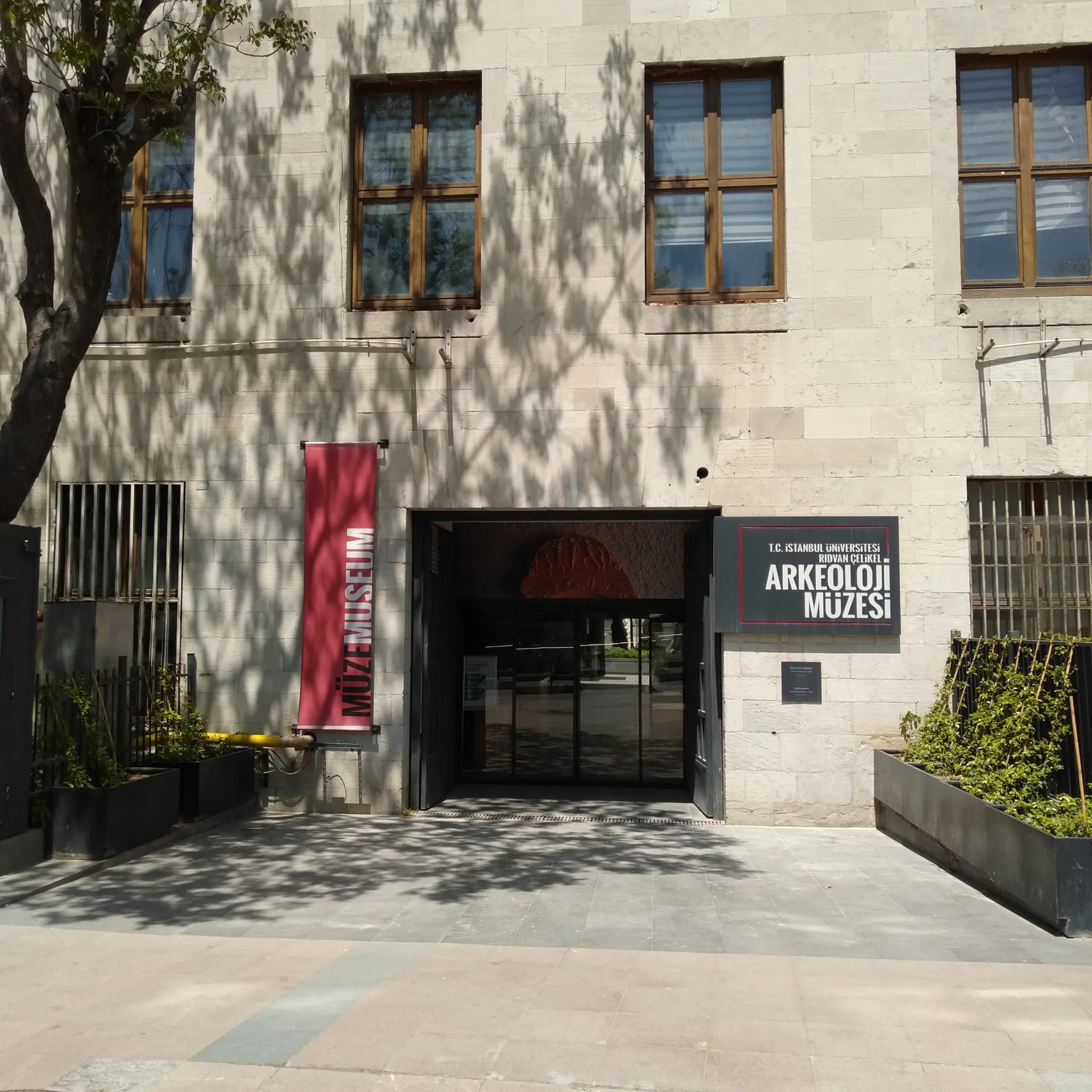
Historical Background and Institutional Context
Founding and Legacy
The Rıdvan Çelikel Arkeoloji Müzesi opened its doors on July 1, 2019, as part of Istanbul University’s long-standing commitment to the discipline of archaeology (Turizm Ansiklopedisi). The museum was named in honor of Prof. Dr. Rıdvan Çelikel, a leading figure in Turkish archaeology, and is housed within the Faculty of Letters, home to Turkey’s earliest academic archaeology department (İstanbul Üniversitesi).
Evolution of the Collection
The museum’s origins trace back to the 1940s, when archaeological artifacts were first gathered by the university’s Prehistory Division under the guidance of Halet Çambel. These initial collections were later enriched through donations, rescue excavations, and major university-led digs, including materials from sites such as Alişar, Alacahöyük, Keban, and Boğazköy. Over the decades, the collection has grown to represent a wide array of cultures and periods, reflecting the department’s international collaborations and research interests (Turizm Ansiklopedisi).
Academic and Global Scope
Distinct from many local museums, Rıdvan Çelikel Arkeoloji Müzesi features artifacts from Turkey as well as international research projects, including items from North America, France, and Iran. The collection emphasizes research materials and scientific study, offering visitors a unique perspective on archaeological methodology (Turizm Ansiklopedisi).
Visiting Hours and Ticket Information
- Opening Days Monday to Friday
- Hours 08:30 – 17:00
- Closed Weekends and public holidays
- Admission Free for all visitors (whichmuseum.com, iletim.istanbul.edu.tr)
The museum’s accessible schedule and free entry make it an ideal destination for tourists, students, and locals interested in Istanbul’s archaeological treasures.
Location and Accessibility
- Address Istanbul University, Faculty of Letters, Mimar Kemalettin, Ordu Caddesi, 34130 Fatih/Istanbul
- Tram T1 line, Laleli-Üniversite stop
- Metro M2 line, Vezneciler station
- Bus Multiple lines including 36ES, 38, 77A, 92B, 97, HVİST-12
- Marmaray Nearby suburban rail access
- Nearby Attractions Grand Bazaar, Süleymaniye Mosque, Istanbul University’s main campus (seyyahdefteri.com)
The museum is centrally located and easily reached by public transport. Limited parking is available; public transit is recommended for convenience (placera.com.tr). The building is accessible for visitors with disabilities, with ramps and accessible restrooms available.
Facilities and Visitor Amenities
- Cafeteria On-site café (may be subject to temporary closure)
- Rest Areas Courtyard seating for relaxation
- Restrooms Available inside the museum
- Accessibility Facilities for visitors with mobility needs; some campus areas may require assistance
- Atmosphere Modern, glass-and-steel design with natural light, fostering a welcoming environment (placera.com.tr)
Collections and Exhibition Highlights
Chronological and Thematic Scope
The museum’s collections span a vast timeline, organized to guide visitors from the Paleolithic age through the Byzantine and early Islamic periods (Istanbul University Museum). Highlights include:
- Prehistoric and Early Bronze Age
Stone tools and pottery from Aşıklı Höyük and Çatalhöyük (Çatalhöyük Research Project). - Middle and Late Bronze Age
Hittite cuneiform tablets and ceremonial vessels from Kültepe and Alacahöyük (Hittite Monuments). - Iron Age and Phrygian Period
Bronze fibulae, weapons, and pottery from Gordion (Gordion Excavations). - Classical, Hellenistic, and Roman Periods
Marble statues, terracotta figurines, mosaics, and a large coin collection (Istanbul University Numismatics). - Byzantine and Early Islamic Periods
Religious objects, architectural fragments, and ceramics tracing Istanbul’s transformation (Byzantine Istanbul).
Artifact Types
- Sculpture and Statuary Greek kouroi fragments, Roman busts, Byzantine reliefs
- Pottery and Ceramics From Neolithic vessels to Byzantine wares
- Metalwork and Jewelry Bronze tools, Phrygian fibulae, coins
- Epigraphic Materials Cuneiform and Greek-Latin inscriptions
- Architectural Fragments Capitals, mosaics, sarcophagi
- Everyday Life Artifacts Lamps, tools, ancient toys
A dedicated section documents the university’s archaeological research, displaying photographs and excavation archives (magmadergisi.com).
Educational Programs and Workshops
The museum actively promotes archaeological literacy through educational programs and hands-on workshops. These are open to both students and the public, making the museum a hub for community engagement and lifelong learning (iletim.istanbul.edu.tr). Visitors are encouraged to inquire about current workshops upon arrival.
Visitor Experience and Tips
- Visit Duration The museum is compact; plan for 30–60 minutes.
- Language Most labels are in Turkish; translation apps (e.g., Google Translate) are helpful for non-Turkish speakers.
- Photography Allowed in most areas; avoid flash and check for any restrictions.
- Guided Tours While formal tours are not always scheduled, staff and university students are available to answer visitor questions.
- Combine with Other Sites Its central location makes it easy to pair with other cultural highlights like the Grand Bazaar and Süleymaniye Mosque (whichmuseum.com).
Frequently Asked Questions (FAQ)
Q: Is there an entrance fee?
A: No, admission is free for all visitors.
Q: What are the opening hours?
A: Monday to Friday, 08:30–17:00; closed on weekends and public holidays.
Q: Is the museum accessible for disabled visitors?
A: Yes, with ramps and restrooms available, though some areas may require assistance.
Q: Are guided tours or workshops available?
A: Yes, educational workshops are open to the public; ask staff for details.
Q: Can I take photos inside?
A: Photography is generally permitted; check with museum staff for any restrictions.