Plan and listen to Hidayet Mosque with Audiala.
Audio guide in your pocket, itinerary in your browser. Built for the way you actually visit.
Introduction
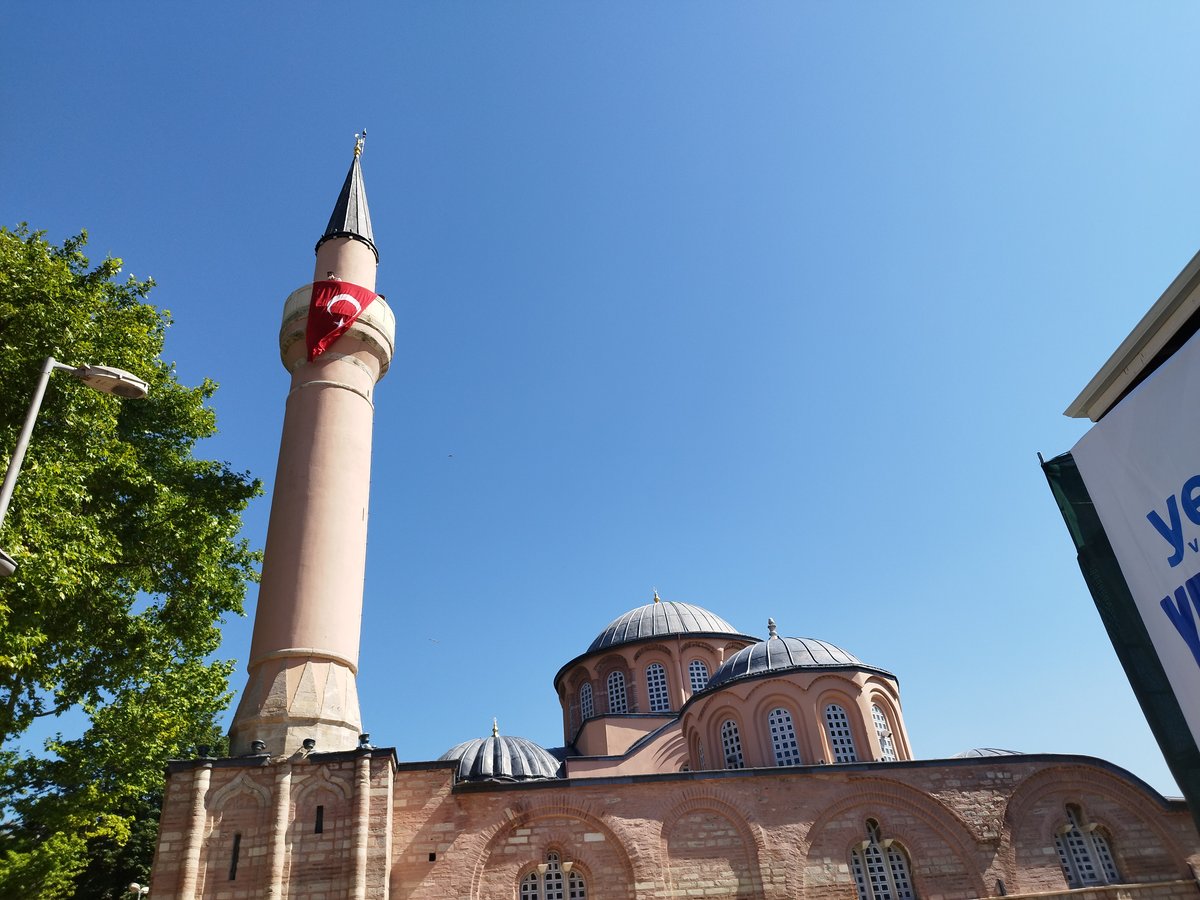
Hidayet Mosque, situated in Istanbul's historic Fatih district, is a significant symbol of the city’s rich Ottoman legacy and ongoing urban transformation. Commissioned by Sultan Mahmud II in 1813 and fully rebuilt in 1887 by the esteemed architect Alexandre Vallaury, the mosque captures the eclectic architectural spirit of late Ottoman Istanbul, blending classical Islamic motifs with neoclassical European influences. Today, Hidayet Mosque serves not only as an active place of worship but also as a vibrant cultural landmark, offering insight into the city’s multi-layered history and community life.
This comprehensive guide covers everything visitors need to know about Hidayet Mosque: historical background, architectural highlights, visiting hours, ticketing, accessibility, nearby attractions, and practical travel tips. Whether you are passionate about history, architecture, or cultural exploration, this resource will help you fully experience one of Istanbul’s treasured Islamic monuments. For further reading, consult authoritative resources such as the Official Istanbul Tourism Website, Wikipedia’s entry on Hidayet Mosque, and Kultur Envanteri.

Historical Background
Foundation and Early History
Hidayet Mosque was initially commissioned by Sultan Mahmud II in 1813, in a period marked by sweeping reforms in the Ottoman Empire (Wikipedia). The mosque’s construction was part of an urban renewal initiative, aiming to revitalize a neighborhood that had suffered from both plague and fire. The name "Hidayet," meaning "guidance," reflects its intended role as a moral and spiritual beacon for the local community.
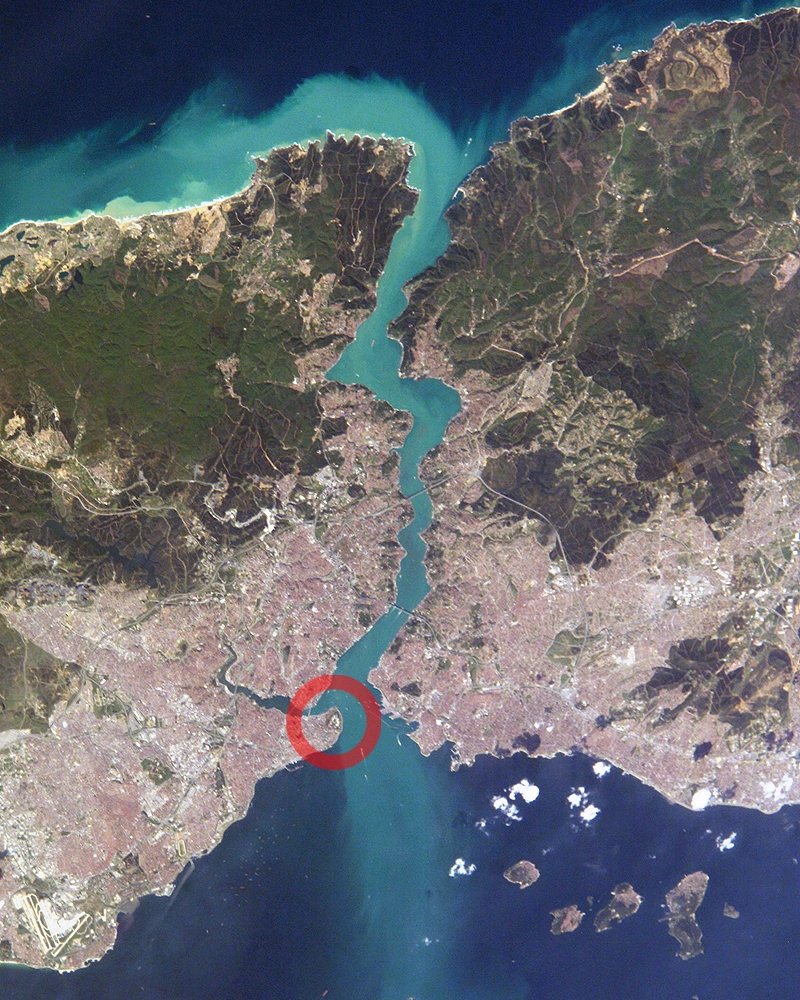
Strategically located near the Golden Horn in an area once notorious for crime, the mosque's original wooden structure served as both a spiritual sanctuary and a catalyst for neighborhood regeneration.
Reconstruction and Later Developments
By the late 19th century, the original structure had deteriorated. In 1887, under Sultan Abdul Hamid II, the mosque was entirely rebuilt in stone by French-Ottoman architect Alexandre Vallaury (Kultur Envanteri; Dijital Istanbul). Vallaury’s design fused Ottoman and European neoclassical elements, introducing features like a prominent dome, pointed-arch windows, and ornate stonework. Since its reconstruction, the mosque has undergone only minor restorations, preserving Vallaury's vision.
Historical Significance
Hidayet Mosque is more than an architectural landmark; it has long served as a center for religious education, community gatherings, and charitable activities. Its continued use underscores its importance as both a site of worship and a vital community institution.
Architectural Features
Exterior Design
The mosque’s exterior showcases late Ottoman architecture, blending Islamic motifs with European neoclassical influences. Its stone façade is adorned with elegant arches, pilasters, and a grand portico. The central dome—supported by a drum with 21 windows—brings abundant natural light into the prayer hall. Two slender minarets flank the structure, topped with conical spires and decorated with intricate stonework.
Interior Layout and Decoration
Inside, the mosque features a spacious two-story prayer hall, highlighted by a dome richly decorated with floral and geometric patterns and Quranic calligraphy. The mihrab and minbar are crafted in finely carved marble, and stained glass windows introduce color and vibrancy. The interior’s harmonious design and ample natural light create a peaceful, contemplative atmosphere.
Architectural Innovations
Hidayet Mosque incorporates both Ottoman and European innovations. Its central dome, supported by pendentives and semi-domes, unifies the space, while large windows and open arches keep the interior bright. The mosque’s multifunctional layout includes a courtyard, ablution area, and classrooms.
Restoration and Preservation
Ongoing restoration efforts focus on structural integrity and the conservation of decorative features. As a protected historical monument, all interventions adhere to strict preservation standards, ensuring that its architectural heritage endures for future generations.
Comparative Context
While sharing certain structural elements with other major Fatih mosques, Hidayet Mosque stands apart for its neoclassical façade and the influence of Vallaury’s Western architectural vision—a testament to Istanbul’s role as a cultural crossroads in the late Ottoman period.
Visitor Information
Visiting Hours and Ticketing
Hidayet Mosque is generally open from 8:00 AM to 6:00 PM daily, though hours may vary during religious holidays and prayer times. On Fridays, tourist visits begin after 2:30 PM due to Jumu’ah prayers (Istanbul Travel Blog). Entrance is free, with optional donations appreciated.
Visitor etiquette: Modest dress is required (shoulders and knees covered; women should cover their hair), and shoes must be removed before entering the prayer hall.
Accessibility and Facilities
Located on Yalı Köşkü Street in Eminönü/Fatih, the mosque is easily reached by tram (T1 line to Eminönü or Sirkeci), metro (Marmaray Sirkeci), bus, and ferry. The ground floor is accessible, but the upper prayer area requires stairs. Restrooms and ablution areas are available; staff are generally willing to assist visitors with mobility needs.
Guided Tours and Special Events
Guided tours can be arranged through local operators, especially during Ramadan and other Islamic holidays when special events are held. These tours offer insights into the mosque’s history, architecture, and contemporary role.
Nearby Attractions and Travel Tips
Hidayet Mosque’s central location puts it near:
- Spice Bazaar (Mısır Çarşısı)
- Sirkeci Station
- Galata Bridge
- Sultanahmet District (Blue Mosque, Hagia Sophia, Topkapi Palace)
Plan your visit to avoid prayer times, use public transportation due to limited parking, and explore nearby markets and landmarks for a full experience of Istanbul’s cultural tapestry.
Frequently Asked Questions (FAQ)
Q: What are the Hidayet Mosque visiting hours?
A: Typically 8:00 AM–6:00 PM daily; closed to tourists during prayer times and Friday mornings until 2:30 PM.
Q: Is there an entrance fee?
A: No, entrance is free; donations are welcome.
Q: Is the mosque wheelchair accessible?
A: The ground floor is accessible, but the upper level requires stairs.
Q: Are guided tours available?
A: Yes, through local tour operators and cultural organizations.
Q: Can I take photographs inside?
A: Discreet photography is permitted, but always ask permission before photographing people.
Final Tips and Summary
Hidayet Mosque provides an enriching window into Istanbul’s spiritual, architectural, and historical heritage. Its accessible location, free admission, and proximity to other major sites make it an essential stop for visitors keen to immerse themselves in the cultural heart of the city. Respectful dress and behavior, awareness of prayer times, and curiosity about the mosque’s unique history will ensure a memorable and meaningful visit.
Use digital tools like the Audiala app for audio guides and up-to-date information, and explore related landmarks to deepen your Istanbul experience.
Listen to the full story in the app
The whole Hidayet Mosque,
told well.
Audio guides for 1,100+ cities across 96 countries. History, stories, and local insight — offline ready.
Verified, and shown.
Researched and written by the Audiala editorial team from historical records, architectural archives, and local expertise.
Researched from Wikidata, Wikipedia & official sources · fact-checked · How we make our guides →