Plan and listen to Hekimoğlu Ali Pasha Mosque with Audiala.
Audio guide in your pocket, itinerary in your browser. Built for the way you actually visit.
Introduction
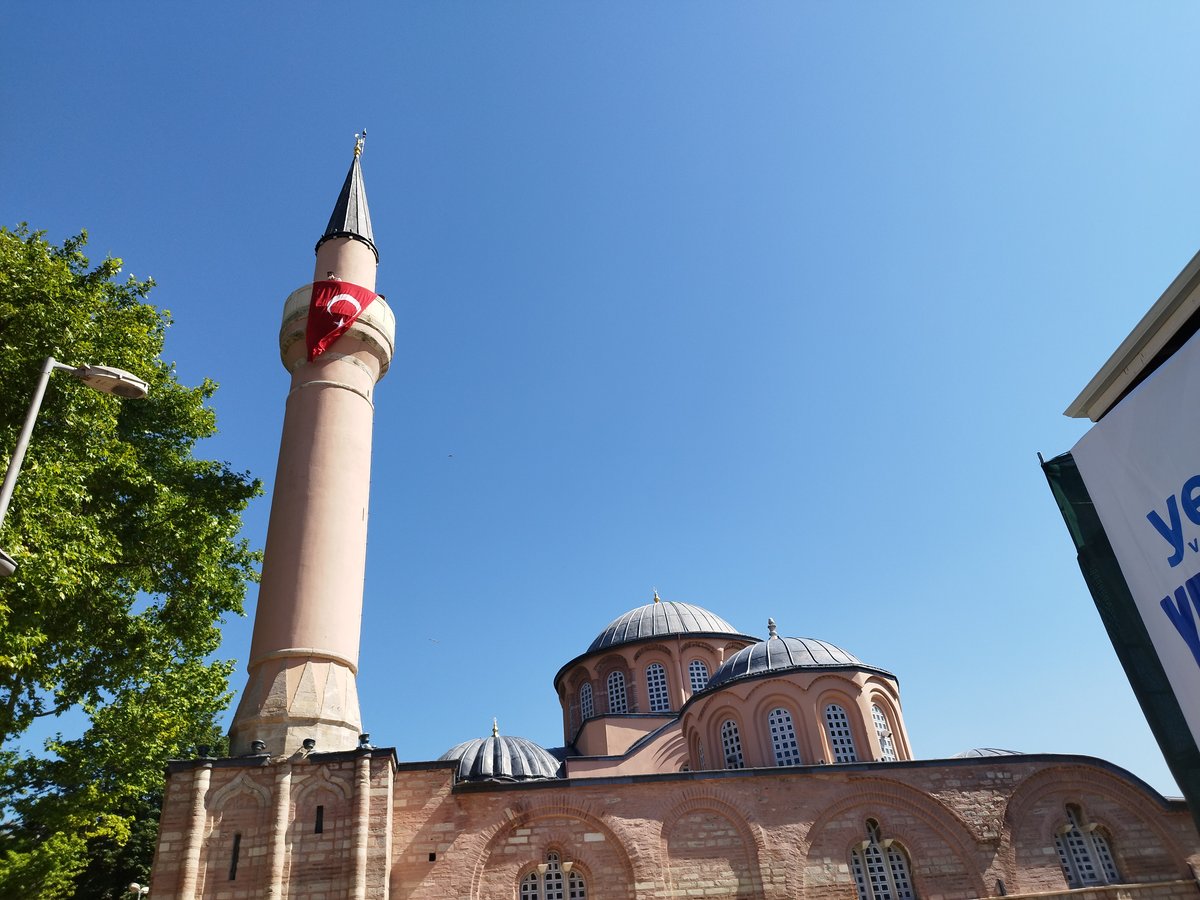
The Hekimoğlu Ali Pasha Mosque stands proudly in Istanbul's Fatih district as a lasting emblem of 18th-century Ottoman architecture and civic life. Commissioned by the influential Grand Vizier Hekimoğlu Ali Pasha and completed in 1735, this mosque captures the artistic and social spirit of the Tulip Era—a period renowned for innovation, cultural patronage, and urban beautification. Today, the mosque remains a vibrant place of worship, a monument to Ottoman philanthropy, and a must-see destination for visitors eager to immerse themselves in Istanbul’s historic heart.
In this guide, you'll find everything you need to plan a rewarding visit, including an exploration of the mosque’s history, architectural highlights, practical visitor information, and nearby attractions. For the latest updates, consult reputable sources and official tourism agencies (dbpedia.org; nomadicniko.com; Istanbul.tips; Gezibilen).
Historical Background
Origins and Patronage
The Hekimoğlu Ali Pasha Mosque was commissioned by Hekimoğlu Ali Pasha (1689–1758), a prominent statesman who served three terms as Ottoman Grand Vizier. Constructed in 1734–1735, its creation coincided with the Tulip Era, a time marked by peace, prosperity, and a blossoming of the arts in Ottoman Istanbul. The mosque was conceived not only as a place of worship but as a charitable complex, integrating religious, educational, and social services, mirroring the Ottoman ideal of holistic civic architecture (dbpedia.org; Istanbul.tips).
Architectural Style and Influences
The mosque exemplifies the transition from classical Ottoman to early Baroque style, blending a harmonious central dome and semi-domes with ornate, undulating cornices and elaborate stonework. Its design draws inspiration from earlier works by Mimar Sinan, yet introduces more decorative flourishes and European influences, reflecting the cosmopolitan tastes of the 18th-century Ottoman elite.
Architectural Features and Artistic Details
Main Structure
- Central Dome: The prayer hall is crowned by a central dome (14 meters in diameter, 25 meters high), supported by four piers and flanked by semi-domes. This hexagonal baldaquin design is unique, symbolizing unity and harmony in Islamic tradition.
- Minaret: A single, slender minaret rises at the northwest corner, with an intricately carved balcony and a dynamic silhouette.
- Courtyard: The mosque is fronted by a marble-paved courtyard, enclosed by a colonnaded portico, and centered on a hexagonal ablution fountain (şadırvan).
Decorative Elements
- Iznik Tiles: The lower walls, mihrab, and minbar are adorned with vibrant Iznik tiles in blue, turquoise, red, and green, displaying floral and geometric patterns.
- Calligraphy: Masterful Qur’anic inscriptions in thuluth and naskh scripts embellish the walls and dome.
- Marble Carving: The mihrab and minbar showcase deeply incised arabesques and muqarnas, exemplifying 18th-century Ottoman craftsmanship.
- Natural Illumination: Over 100 windows, arranged in five rows, flood the prayer hall with daylight, enhancing the spiritual atmosphere.
The Külliye: Social and Religious Complex
Integrated Civic Functions
A hallmark of Ottoman mosque complexes (külliye), the Hekimoğlu Ali Pasha Mosque’s original ensemble included:
- Madrasa and Library: Providing religious and secular education, the library above the monumental gate housed nearly 300 manuscripts, reflecting the founder’s commitment to intellectual enrichment (Academia.edu).
- Sebil and Shadirvan: The sebil (public fountain) and shadirvan (ablution fountain) offered free water, embodying Islamic charitable values.
- Dervish Lodge (Tekke): Hosting Sufi rituals and spiritual gatherings, the tekke played a vital role in the mosque’s religious life.
- Founder’s Mausoleum: The türbe (mausoleum) of Hekimoğlu Ali Pasha is an integral part of the complex.
Many original components have been lost or repurposed, but the mosque, tombs, and restored fountain remain accessible, continuing their legacy of service (Wikipedia; Gezibilen).
Visitor Information
Visiting Hours
- General Hours: Open daily, typically from 9:00 AM to 5:00 or 6:00 PM. Visiting during non-prayer times is recommended for tourists.
- Fridays and Religious Holidays: Expect closures or restricted access during Friday congregational prayers (usually from noon to 2:30 PM) and special religious events.
Tickets and Admission
- Entry: Free for all visitors. Donations are appreciated to support the mosque’s maintenance and community services.
Accessibility
- Mobility Access: Ramps and accessible facilities are available in most areas. Some historic features may limit access to certain spaces.
- Facilities: Restrooms and ablution areas are on site. Benches in the courtyard provide resting spots.
Dress Code and Etiquette
- Modest Attire: Men should wear long trousers; women should cover arms, legs, and hair (scarves available at the entrance).
- Shoes: Remove before entering the prayer hall; bags are provided.
- Behavior: Maintain silence or speak quietly, especially during prayers. Photography is allowed (without flash), but avoid photographing worshippers.
Nearby Attractions and Transport
- Fatih Mosque: A major Ottoman monument within walking distance.
- Istanbul University: A historic campus and architectural landmark.
- Fatih Bazaar and Valens Aqueduct: Bustling local markets and Roman-era aqueduct nearby.
- Access: Tram and bus lines connect Fatih to all parts of Istanbul, making the mosque easily reachable (Istanbul Tourist Information).
Seasonal and Practical Tips
- July Visits: Expect hot, humid weather (often over 30°C/86°F). Visit early morning or late afternoon for comfort (The Turkey Traveler).
- High Season: Arrive early to avoid crowds. Carry water and wear sunscreen.
- Guided Tours: Available through local agencies and tourism offices; highly recommended for historical insight and access to restricted areas.
Respectful Visiting and Photography
- Plan Around Prayer Times: Check daily schedules to avoid closures.
- Engage with Guides: Local experts enrich your visit with historical background.
- Support the Mosque: Donations and purchases from the mosque’s shop help with upkeep.
- Photography: Permitted without flash; respect worshippers’ privacy.
Language and Communication
- Language: Turkish is primary, but basic English is commonly understood. Multilingual brochures may be available. Learning a few Turkish greetings is appreciated.
Frequently Asked Questions (FAQ)
Q: What are the visiting hours?
A: Generally 9:00 AM to 5:00/6:00 PM, closed to tourists during prayer times.
Q: Do I need a ticket?
A: No, entrance is free. Donations are welcome.
Q: Are guided tours available?
A: Yes, through local agencies and tourism offices.
Q: Is the mosque wheelchair accessible?
A: Most areas are accessible; some historic features may limit access.
Q: Can I take photographs?
A: Yes, without flash and with respect for worshippers.
Listen to the full story in the app
The whole Hekimoğlu Ali Pasha Mosque,
told well.
Audio guides for 1,100+ cities across 96 countries. History, stories, and local insight — offline ready.

Verified, and shown.
Researched and written by the Audiala editorial team from historical records, architectural archives, and local expertise.
Researched from Wikidata, Wikipedia & official sources · fact-checked · How we make our guides →