Plan and listen to Haseki Sultan Mosque with Audiala.
Audio guide in your pocket, itinerary in your browser. Built for the way you actually visit.
Introduction
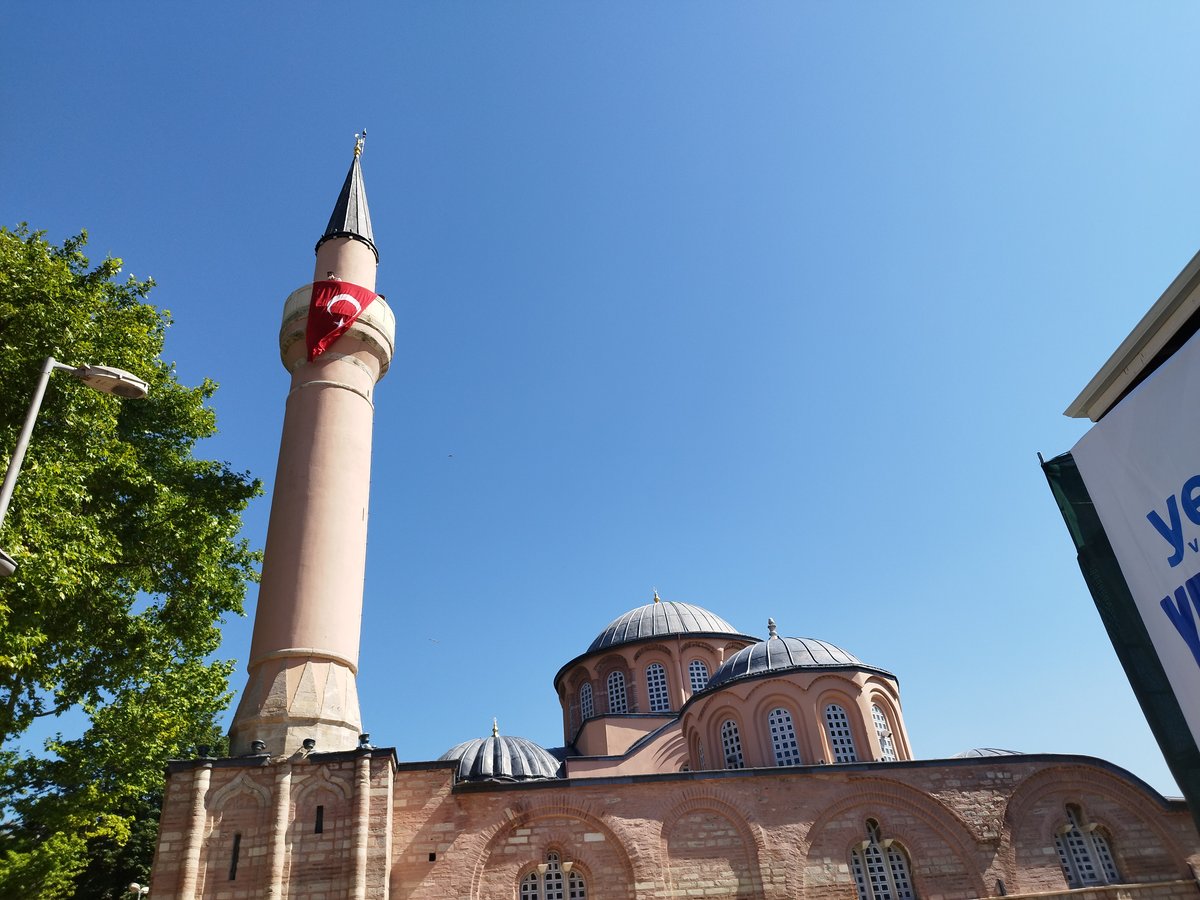
Nestled in Istanbul's historic Fatih district, the Haseki Sultan Mosque—also known as the Haseki Hürrem Sultan Mosque—stands as a magnificent example of Ottoman architecture and a testament to the empire’s rich cultural heritage. Commissioned by Hürrem Sultan, the influential wife of Sultan Suleiman the Magnificent, and designed by the legendary architect Mimar Sinan, this mosque complex epitomizes the classical Ottoman külliye ideal: a harmonious blend of religious, educational, and charitable institutions serving the community. As the first imperial mosque in Istanbul commissioned by a woman, its historical significance is matched by its architectural innovation and enduring social legacy (Türkiye Today; Wikipedia; Daily Sabah; Forbes; nomatto.com).
This detailed guide provides essential information on visiting hours, tickets, accessibility, travel tips, nearby attractions, and the unique historical, architectural, and cultural features of the Haseki Sultan Mosque.

Historical Background and Patronage
Origins and Patronage
The Haseki Sultan Mosque was commissioned by Hürrem Sultan (Roxelana), the highly influential wife of Sultan Suleiman the Magnificent, between 1538 and 1551. As the first imperial mosque complex in Istanbul commissioned by a woman, it reflects the elevated role of female patronage in the Ottoman era and the tradition of waqf (charitable endowment), through which the elite funded public works for community benefit (Türkiye Today; Daily Sabah).
Historical Context and Social Significance
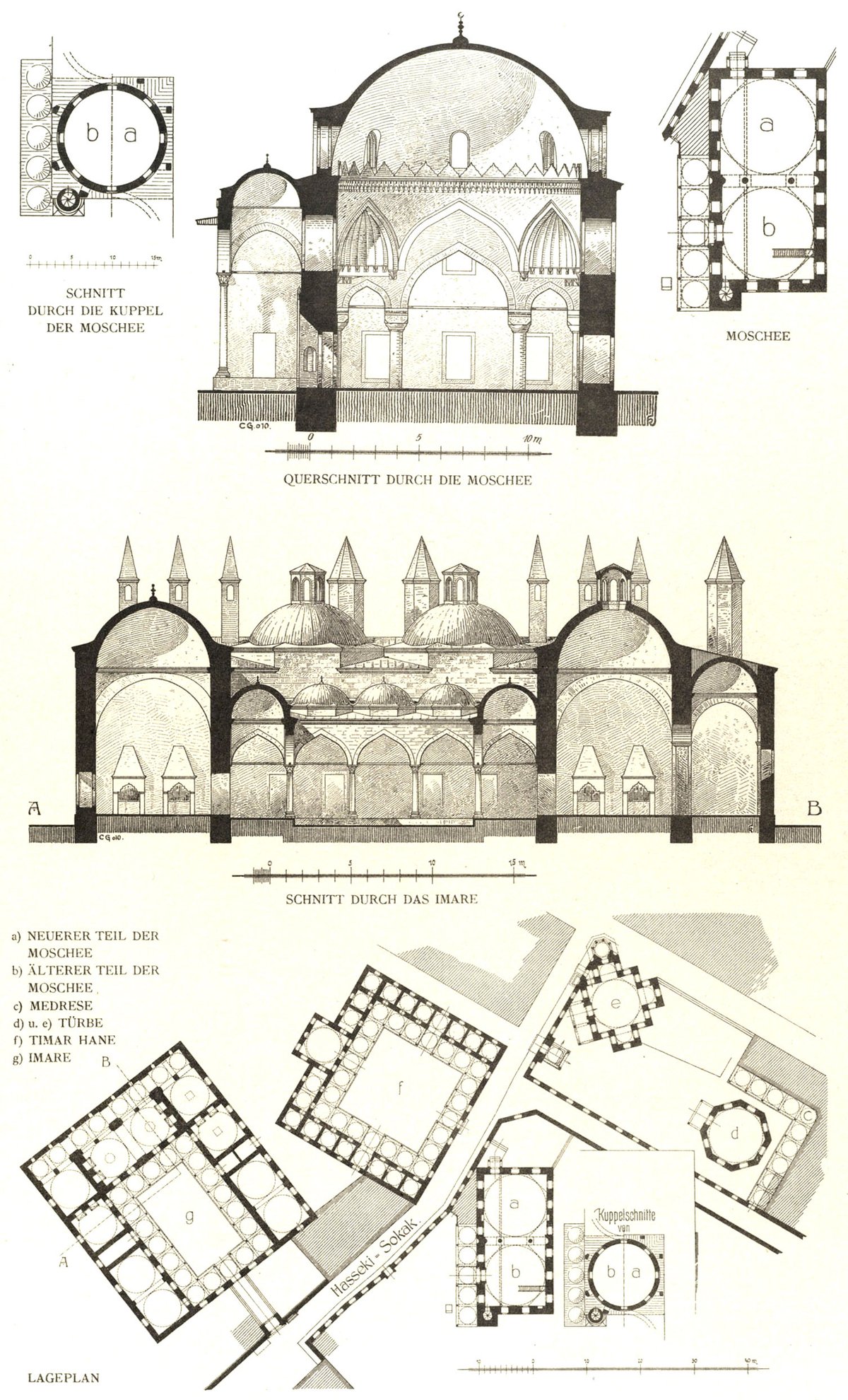
Constructed during the zenith of Ottoman power, the mosque and its külliye (complex) symbolized the empire’s commitment to social welfare. Facilities such as a madrasa (school), soup kitchen (imaret), hospital (darüşşifa), and bathhouses (hamam) provided essential services to Istanbul’s residents, regardless of background. The mosque’s establishment set a precedent for future philanthropic projects by Ottoman women and played a central role in the physical and social development of the Fatih district (Daily Sabah).
Hürrem Sultan's Legacy
Hürrem Sultan’s charitable foundations extended beyond Istanbul, including hospitals, schools, and bathhouses throughout the empire. Her enduring popularity and lasting impact are evident in the continued operation and restoration of many of these institutions (Türkiye Today).
Architectural Features and Innovations
Sinan’s Early Masterpiece
Designed by Mimar Sinan, the Haseki Sultan Mosque represents an early yet innovative example of Ottoman architectural mastery. The original structure features a single prayer hall crowned by a central dome supported by pendentives, creating a luminous and spacious interior. The striking minaret, harmonious proportions, and the inclusion of auxiliary buildings—all integral to the külliye model—underscore Sinan’s genius (Wikipedia; Forbes).
Decorative Elements
The mosque’s interior is characterized by gray marble paneling, elegant calligraphy, and original 16th-century Iznik tiles, reflecting the refined aesthetic of the classical Ottoman period. Light streams through numerous windows and oculi, enhancing the prayer hall’s serenity. The adjacent bathhouses—Haseki Bostan Hamam and Haseki Hürrem Sultan Hamamı—feature innovative layouts and elaborate decorative motifs, showcasing the Ottoman emphasis on public health and architectural harmony (Archnet; Türkiye Today).
Visiting Information
Visiting Hours
- General Hours: Open daily, typically from 9:00 AM to 6:00 PM.
- Prayer Times: Closed to tourists during five daily prayers and especially during Friday (Jumu’ah) prayers and major religious holidays. Non-Muslim visitors should plan around these times (wander-lush.org; istanbultravelblog.com).
Tickets and Admission
- Entry Fee: Admission to the mosque is free for all visitors.
- Hamam Tickets: The Haseki Hürrem Sultan Hamam operates separately as a functional bathhouse, requiring tickets that can be purchased on-site or online (theistanbulinsider.com).
Accessibility
- Wheelchair Access: The mosque features ramps at the main entrances and is generally accessible, though some areas of the külliye (like the madrasa or bathhouses) may have uneven surfaces.
- Assistance: Staff can provide help upon request.
Dress Code and Visitor Etiquette
- Dress Requirements: Modest attire is mandatory. Men should wear long pants and sleeved shirts; women should cover hair, shoulders, and legs. Scarves are available at the entrance but bringing your own is recommended (walksinistanbul.com; touristsecrets.com).
- Shoes: Remove shoes before entering the prayer hall; racks or bags are provided.
- Behavior: Maintain silence, avoid flash photography, and do not enter during prayers unless participating (istanbultouristpass.com).
Getting There
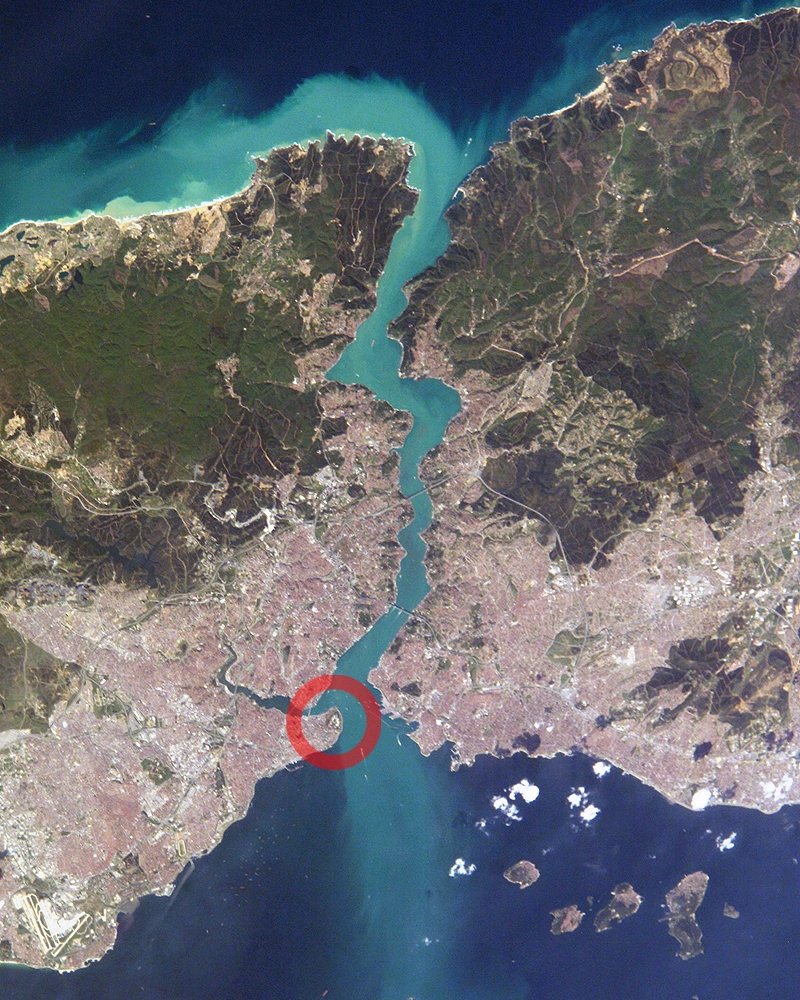
- Location: Haseki neighborhood, Fatih district, Istanbul; close to other major historical sites.
- Public Transport: Accessible via T1 tram (Aksaray, Cemberlitas, or Sultanahmet stops) and several bus lines.
- Walking: Approximately 10–15 minutes from Hagia Sophia and the Blue Mosque (nomatto.com).
Guided Tours and Tips
- Tours: Guided tours in multiple languages are available through local agencies or can be arranged onsite. These offer deeper insights into the mosque’s history and architectural details.
- Best Times to Visit: Early mornings or late afternoons provide a quieter atmosphere and optimal lighting for photography (touristsecrets.com).
- What to Bring: Headscarf, socks, a camera (without flash), and water.
Visitor Experience and Practical Advice
- Atmosphere: The mosque’s tranquil courtyard and gardens offer a peaceful retreat from bustling city life. The serene prayer hall and historical ambiance provide a unique window into Istanbul’s living Ottoman heritage.
- Accessibility Notes: While most of the mosque is accessible, some adjacent historical structures may have steps or uneven ground.
- Safety: The Fatih district is generally safe, but standard precautions are recommended.
Nearby Attractions
- Hagia Sophia: Iconic Byzantine and Ottoman monument (approx. 1.5 km).
- Blue Mosque: Renowned for its striking domes and minarets (approx. 1.5 km).
- Süleymaniye Mosque: Another Sinan masterpiece (approx. 1 km).
- Grand Bazaar: One of the world’s oldest and largest covered markets.
- Bodrum Mosque: Historic Byzantine church turned mosque (trek.zone).
A visit to the Haseki Sultan Mosque can easily be paired with these attractions for a comprehensive exploration of Istanbul’s imperial legacy.
Frequently Asked Questions (FAQ)
Q: What are the Haseki Sultan Mosque visiting hours?
A: Daily from 9:00 AM to 6:00 PM, with restrictions during prayer times and religious holidays.
Q: Is there an entrance fee or ticket required?
A: No, entry is free for all visitors; donations are appreciated.
Q: Are guided tours available?
A: Yes, they can be arranged onsite or through local agencies.
Q: What is the dress code?
A: Modest attire is required; women should cover hair, arms, and legs.
Q: Is the mosque accessible for disabled visitors?
A: Yes, ramps and assistance are available at main entrances.
Q: Can non-Muslims visit the mosque?
A: Yes, outside of prayer times and with respect to mosque etiquette.
Q: Is photography allowed?
A: Yes, in exteriors and courtyards; avoid photography inside during prayers.
Discover More
The Haseki Sultan Mosque is more than a historic monument—it is a living emblem of Istanbul’s Ottoman legacy, blending architectural beauty with centuries of charitable, educational, and spiritual service. Its accessible location, rich history, and vibrant atmosphere make it an essential stop for anyone exploring Istanbul’s historical sites. Plan your visit with respect for local traditions, and consider enhancing your experience with a guided tour.
For up-to-date visitor information, travel tips, and expert audio guides, download the Audiala app or follow our social media channels. Unlock more of Istanbul’s storied past and vibrant present, and immerse yourself in one of the city’s most treasured landmarks.
Listen to the full story in the app
The whole Haseki Sultan Mosque,
told well.
Audio guides for 1,100+ cities across 96 countries. History, stories, and local insight — offline ready.
Verified, and shown.
Researched and written by the Audiala editorial team from historical records, architectural archives, and local expertise.
Researched from Wikidata, Wikipedia & official sources · fact-checked · How we make our guides →