Plan and listen to Harbour Of Eleutherios with Audiala.
Audio guide in your pocket, itinerary in your browser. Built for the way you actually visit.
Introduction
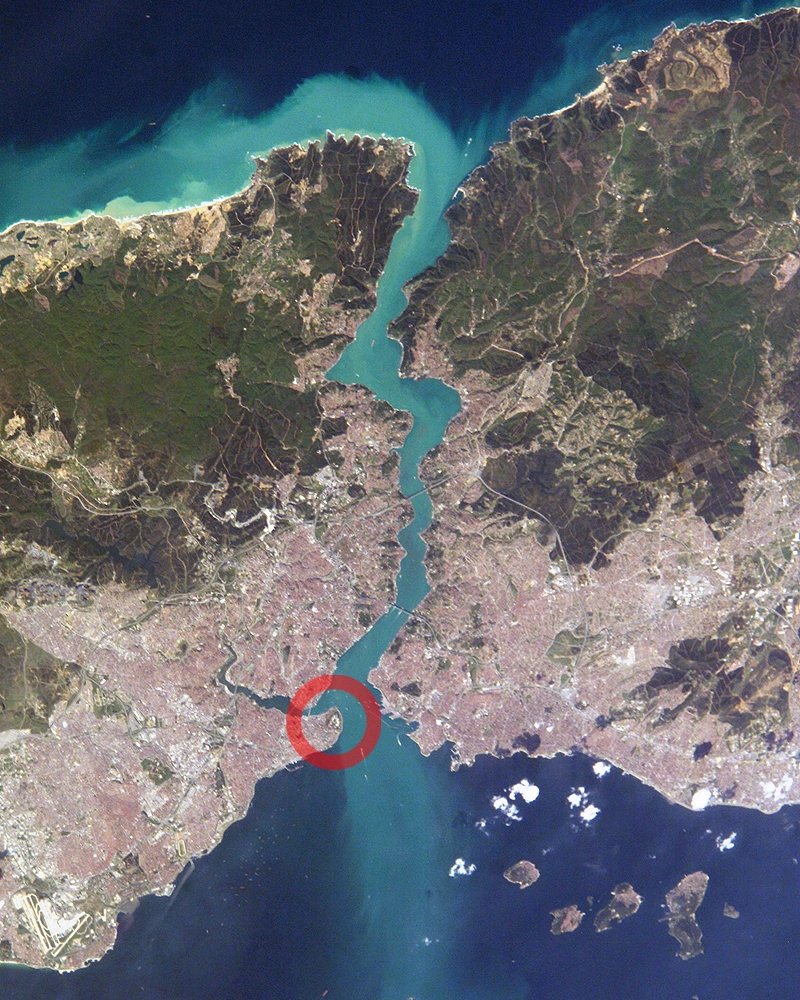
Nestled beneath Istanbul’s Yenikapı neighborhood in the historic Fatih district, the Harbour of Eleutherios—later known as the Harbour of Theodosius—was a pivotal Byzantine maritime hub. Constructed in the late 4th century during Emperor Theodosius I's reign, it transformed a natural inlet at the mouth of the Lycos (Bayrampaşa) Stream into a thriving port that fueled Constantinople’s economic and cultural influence (GrandSirkeci, Fatih Municipality).
While the original harbor now lies buried beneath modern developments and is not open as a typical archaeological site, its legacy endures through remarkable shipwreck finds, Neolithic artifacts, and interpretive displays at the Istanbul Archaeological Museums and within the Marmaray Yenikapı Station. This comprehensive guide provides essential details on visiting hours, ticketing, accessibility, nearby attractions, and practical travel tips to help you experience the Harbour of Eleutherios and its surroundings.
Historical Background
Origins and Construction
The Harbour of Eleutherios was constructed in the late 4th century CE, during the reign of Emperor Theodosius I. Strategically situated at the confluence of the Lykos Stream and the Sea of Marmara, the harbor became Constantinople’s primary commercial port. It featured extensive quays, warehouses, and defensive structures, supporting not only commerce but also shipbuilding, repairs, and imperial ceremonies (GrandSirkeci).
Role in Byzantine Constantinople
For centuries, the harbor played a crucial role in supplying the city, especially with grain from Egypt and goods from across the Mediterranean. It was integrated into the city’s expanded walls under Theodosius II and remained at the heart of Byzantine economic and naval operations.
Decline and Transformation
Siltation from the Lycos Stream and the city’s changing fortunes led to the gradual decline of the harbor from the 7th century onward. By the Ottoman era, the site had been filled in and repurposed for gardens and residences. Its precise location faded from public memory until the 21st-century excavations (Fatih Municipality).
Archaeological Discoveries
Modern awareness of the Harbour of Eleutherios was reignited during the Marmaray rail project excavations (2004–2013). Archaeologists uncovered 37 Byzantine shipwrecks dating from the 5th to 11th centuries, alongside Neolithic artifacts and Ottoman-era features. These discoveries have deepened our understanding of Byzantine maritime technology and daily life, and many of the finds are now displayed in Istanbul’s museums (Fatih Municipality).
Visiting Information
Hours and Tickets
- Harbor Remains: The actual harbor site is not an open-air museum and is not accessible as a standalone attraction. However, archaeological remnants and informative displays can be viewed within the Marmaray Yenikapı Station during operating hours (typically 6:00 AM to midnight).
- Museums: Artifacts from the harbour are exhibited at the Istanbul Archaeological Museums, open 9:00 AM to 7:00 PM (check the official website for updates). Standard ticket prices are around 60 Turkish Lira, with discounts for students and seniors.
- Special Exhibitions: Occasional temporary exhibits and events may be held at the Yenikapı Eurasia Show and Art Center.
Accessibility
Yenikapı is a major transport hub, accessible by Marmaray suburban rail, M1A/M1B/M2 metro lines, the T1 tram, and numerous bus routes. Both the archaeological displays in the station and the Istanbul Archaeological Museums are wheelchair accessible, though some on-site displays may have limited access due to ongoing conservation (Visit Turkey: Sirkeci Practical Tips).
Getting There
- Metro/Tram: Arrive at Yenikapı Transfer Center for direct access.
- Bus: Multiple city bus routes serve Yenikapı.
- Ferry: The Yenikapı ferry terminal offers service to the Asian side and Princes’ Islands.
- On Foot: The district is pedestrian-friendly, but uneven surfaces and construction zones require sturdy footwear.
Nearby Attractions
- Grand Bazaar: One of the world’s largest covered markets (Trek Zone).
- Laleli and Bayezid II Mosques: Notable Ottoman architecture.
- Valens Aqueduct and Kürkçü Han: Roman and Ottoman-era landmarks.
- Sultanahmet Area: Home to Hagia Sophia, Blue Mosque, and Basilica Cistern.
- Balat and Fener: Colorful historic neighborhoods.
Practical Visitor Tips
- Best Times to Visit: Spring and autumn (April–June, September–November) offer mild weather and manageable crowds (Istanbeautiful: Istanbul in June).
- Transport: Use an Istanbulkart for seamless travel on metro, tram, bus, and ferry.
- Dress Code: Modest clothing is advised, especially near mosques.
- Facilities: Restrooms are available at transit stations and museums; ATMs and cafés are plentiful.
- Food: Enjoy local specialties such as simit, fresh fish sandwiches, and Turkish tea in nearby eateries (Istanbul Investments).
- Health & Safety: Major hospitals are nearby; emergency numbers: 112 (medical), 155 (police).
Frequently Asked Questions (FAQ)
Q: Can I visit the actual ruins of the Harbour of Eleutherios?
A: The harbor remains are not accessible as a traditional tourist site but can be viewed in part within the Marmaray Yenikapı Station and through museum exhibits.
Q: Are tickets required to see the site?
A: Viewing archaeological displays in the station is free. Museum entry requires a ticket.
Q: Are guided tours available?
A: Some historical walking tours of Fatih and Old Istanbul include the Yenikapı area and museum exhibits. Check with local operators.
Q: Is the area wheelchair accessible?
A: Public transport hubs and museums are accessible; some archaeological displays may be limited.
Q: When is the best time to visit?
A: Late spring and early autumn are ideal for pleasant weather and fewer crowds.
Cultural and Historical Significance
The Harbour of Eleutherios was the lifeblood of Byzantine Constantinople, enabling trade, military logistics, and cultural exchange. Archaeological discoveries at Yenikapı have revolutionized our understanding of Byzantine shipbuilding and city life, while the district’s multicultural legacy continues in the vibrant streets of Fatih. Respect for ongoing conservation and local heritage is vital for all visitors (Fatih Municipality).
Listen to the full story in the app
The whole Harbour Of Eleutherios,
told well.
Audio guides for 1,100+ cities across 96 countries. History, stories, and local insight — offline ready.

Verified, and shown.
Researched and written by the Audiala editorial team from historical records, architectural archives, and local expertise.
Researched from Wikidata, Wikipedia & official sources · fact-checked · How we make our guides →