Plan and listen to Cistern Of Pulcheria with Audiala.
Audio guide in your pocket, itinerary in your browser. Built for the way you actually visit.
Introduction
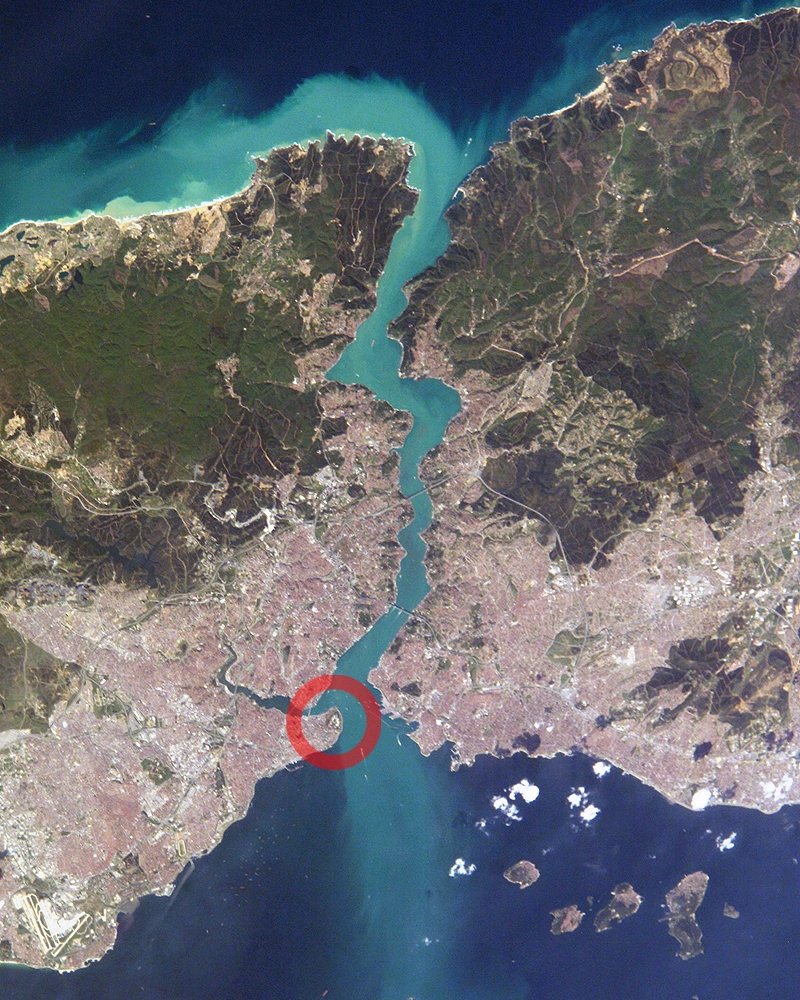
Nestled beneath Istanbul’s historic Fatih district, the Cistern of Pulcheria stands as a testament to Byzantine engineering, imperial patronage, and the city’s layered heritage. Built in the early 5th century under Empress Aelia Pulcheria, this underground reservoir was a vital part of Constantinople’s hydraulic infrastructure, supplying water to imperial palaces and adjacent neighborhoods. Today, the cistern offers visitors a unique and intimate experience, distinct from the more famous Basilica Cistern, and is an essential stop for those seeking to delve deeper into Istanbul’s Byzantine past. This guide covers its history, architecture, visiting hours, ticketing, accessibility, and travel tips, so you can make the most of your visit.
Origins and Construction
Commissioned by Empress Aelia Pulcheria, the Cistern of Pulcheria was constructed in the early 5th century and first filled in February 421 AD, as recorded in the Chronicon Paschale (Istanbul Archaeology Museums). Later modifications in the 6th century, suggested by scholarly analysis, point to the cistern’s evolving role in the city’s infrastructure. Strategically situated in the Pulcherianae quarter—named after the empress herself—the cistern served the residential and administrative heart of ancient Constantinople.
Architectural Features and Engineering
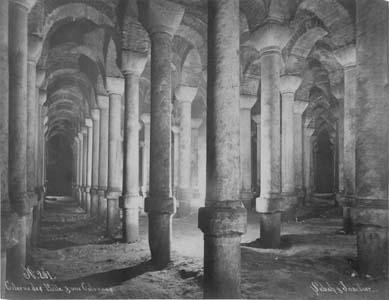
The cistern measures approximately 29.1 by 18.7 meters, making it compact yet substantial (Wikipedia). Its roof is supported by 28 marble or granite columns arranged in four rows of seven, each topped with intricately carved Corinthian capitals. These columns uphold 40 domes, situated 8.5 meters above the ground, creating an elegant and harmonious subterranean space. The use of marble and granite underscores the imperial resources invested in public works, while the presence of Christian crosses on the capitals highlights the religious and artistic sensibilities of the era (TRT World).
Function and Role in Byzantine Constantinople
This cistern was a crucial water reservoir, supporting both palatial and residential complexes in the Pulcherianae quarter. It was integrated into a vast network that addressed water shortages during sieges and droughts, likely receiving water from the Valens Aqueduct (Istanbul Metropolitan Municipality). Its construction symbolized the empire’s power and the empress’s benevolence as a public patron.
Later History: Ottoman Era to Modern Use
Following the Ottoman conquest in 1453, many Byzantine cisterns—including Pulcheria’s—fell into disuse as the city’s water systems evolved. In the early 20th century, the dry cistern was used by local weavers, demonstrating its adaptive reuse. Recent restorations have preserved its structure, and today it serves as a venue for cultural events and special occasions, reflecting Istanbul’s commitment to heritage preservation (Wikipedia).
Visiting the Cistern of Pulcheria: Practical Information
Visiting Hours
- Open: Tuesday–Sunday, 9:00 AM–6:00 PM
- Closed: Mondays and certain public holidays
- Note: Hours may vary seasonally or for special events. Always check official sources before your visit.
Tickets
- Entry Fee: Approximately 30 Turkish Lira for adults
- Discounts: Reduced rates for students and seniors
- Purchase: Tickets available onsite or online via the Istanbul Museum Pass
Accessibility
- Partial wheelchair accessibility; some steps and uneven flooring present. Contact the site in advance for specific needs.
Guided Tours & Visitor Tips
- Guided tours are available in several languages and are highly recommended for context.
- Wear comfortable shoes; floors can be uneven and damp.
- Visit on weekdays for a quieter experience.
Location and Nearby Attractions
Located in the heart of Fatih, the cistern is a short walk from major landmarks:
- Theodosius Cistern (Şerefiye Sarnıcı)
- Fatih Mosque
- Hippodrome of Constantinople
- Istanbul Archaeology Museums
- Grand Bazaar
For directions, use public transportation apps or consult Pure Detour.
Special Events and Multimedia Shows
Occasionally, the cistern hosts multimedia presentations and light shows that highlight its history and architecture. These events may have separate entrance fees (typically around 100 Turkish Lira). Check local listings or official tourism sites for schedules (Pure Detour).
Visitor Experience
The Cistern of Pulcheria provides a serene underground ambiance, with atmospheric lighting that accentuates its architectural features. Informational signage is available in Turkish and English. Photography is allowed (flash is generally restricted). The site’s smaller scale offers a more intimate visit compared to the often-crowded Basilica Cistern.
Comparative Context
While the Basilica Cistern is larger—spanning 140 by 70 meters with 336 columns—the Cistern of Pulcheria’s intimate scale allows for detailed appreciation of its craftsmanship (Wikipedia), making it ideal for visitors seeking a tranquil and historically rich experience.
Preservation
Ongoing restoration and maintenance ensure the cistern’s structural integrity and visitor safety. Touching ancient columns and making loud noises are discouraged to preserve the site’s atmosphere and condition.
Frequently Asked Questions (FAQ)
Q: What are the Cistern of Pulcheria visiting hours?
A: Generally open Tuesday–Sunday, 9:00 AM–6:00 PM. Double-check official sources for updates.
Q: How much are tickets?
A: Around 30 Turkish Lira for adults; discounts for students and seniors.
Q: Is it wheelchair accessible?
A: Partially. Contact ahead for accessibility details.
Q: Are guided tours available?
A: Yes, in multiple languages, and highly recommended.
Q: Can I take photos?
A: Yes, but avoid using flash.
[Embed a short video tour for a virtual experience.]
Internal Links
- Basilica Cistern: Istanbul’s Most Famous Underground Reservoir
- Theodosius Cistern (Şerefiye Sarnıcı): History and Visitor Guide
- Fatih District Walking Tour: Discover Istanbul’s Historic Core
External Links
- Istanbul Archaeology Museums Official Site
- Istanbul Metropolitan Municipality
- Wikipedia: Cistern of Pulcheria
- TRT World: Istanbul’s Ancient Water Structures
- Pure Detour: Theodosius Cistern Guide
- Basilica Cistern Official Visitor Information
- Istanbul Museum Pass
Listen to the full story in the app
The whole Cistern Of Pulcheria,
told well.
Audio guides for 1,100+ cities across 96 countries. History, stories, and local insight — offline ready.

Verified, and shown.
Researched and written by the Audiala editorial team from historical records, architectural archives, and local expertise.
Researched from Wikidata, Wikipedia & official sources · fact-checked · How we make our guides →